
Health & Medicine
Future-proofing research


The dismantling of US foreign aid has left a gap in the world's defences against disease. It is fixable, but only if countries like Australia act now


Published 12 March 2026
"What happens to me should matter to you, and what happens to you should matter to me." Those words, from Dr Pamela Toliman of the Papua New Guinea Institute of Medical Research, speaking on an expert panel at the Doherty Institute, carry new weight.
The global health system is under strain.
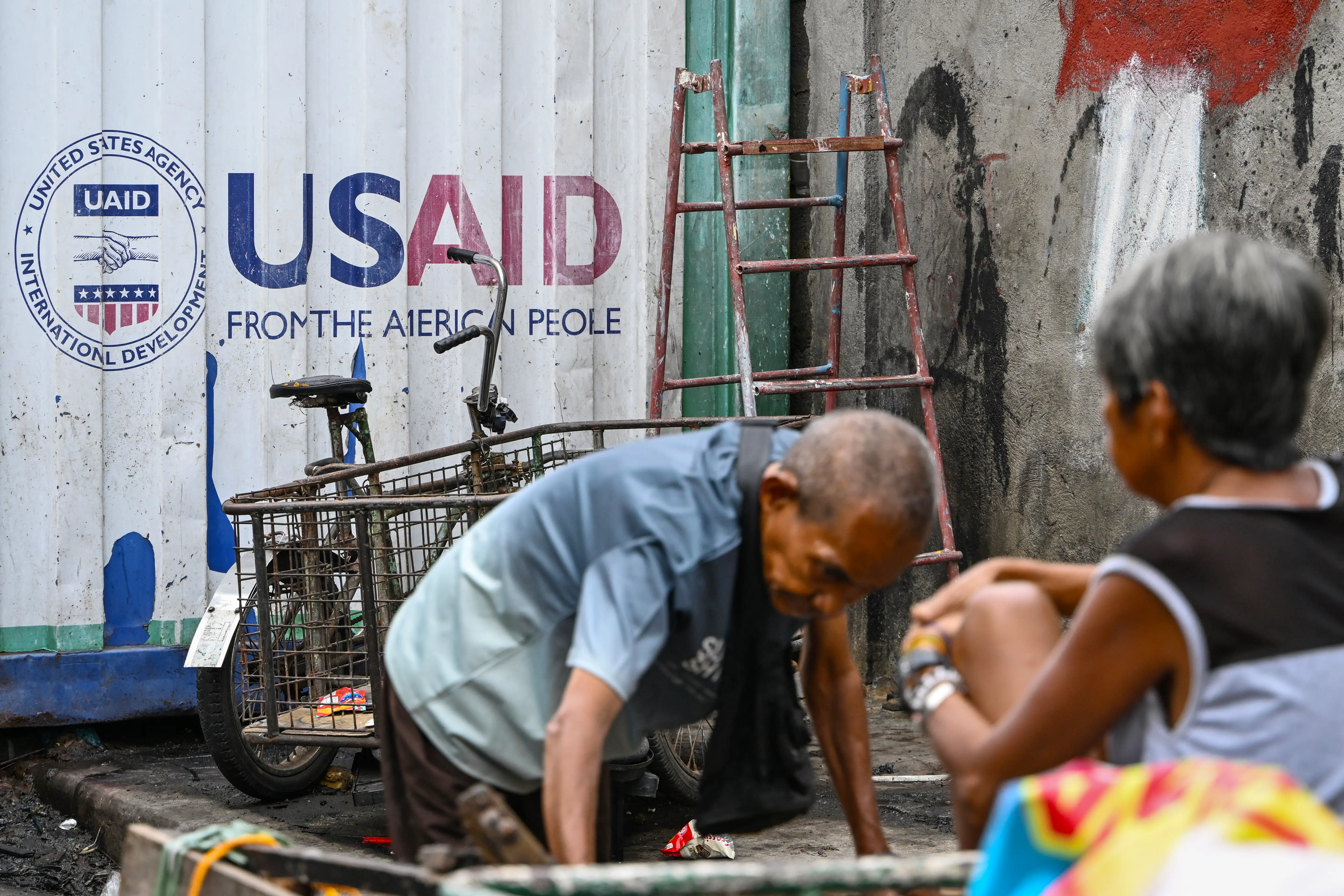
The dismantling of USAID – the United States’ primary international aid agency until 2025 – has stripped funding from infectious disease programs that protect millions of lives across low- and middle-income countries.
Vaccine hesitancy is resurgent. Measles is back in Vietnam. HIV is spreading in Fiji. The Nipah virus has re-emerged in India. These are not distant crises – they are unfolding in our region.
Pathogens don't respect borders. In a world shaped by travel, trade and migration, an outbreak in a remote location can circle the globe within weeks.
COVID-19 proved that and the lesson is still relevant.
But when Bill Gates, co-founder of Microsoft and chair of the Gates Foundation, visited Melbourne last month – he came bearing something unexpected: hope.
Health & Medicine
Future-proofing research
While acknowledging the severity of current funding cuts, Gates argued this is “an unusually promising time for global health.”
He pointed to advances that have quietly transformed global health – among them, a breakthrough in the human papillomavirus (HPV) vaccine , which protects against the virus responsible for most cervical cancers.
The vaccine was originally developed in Australia, which became the first country in the world to include it in its national immunisation program.
Now, after more than a decade of research, studies from Kenya and Costa Rica show that a single dose provides equivalent protection of two, halving costs and dramatically expanding access to one of the most effective cancer-prevention tools ever created.
Simple. Scalable. Transformative.
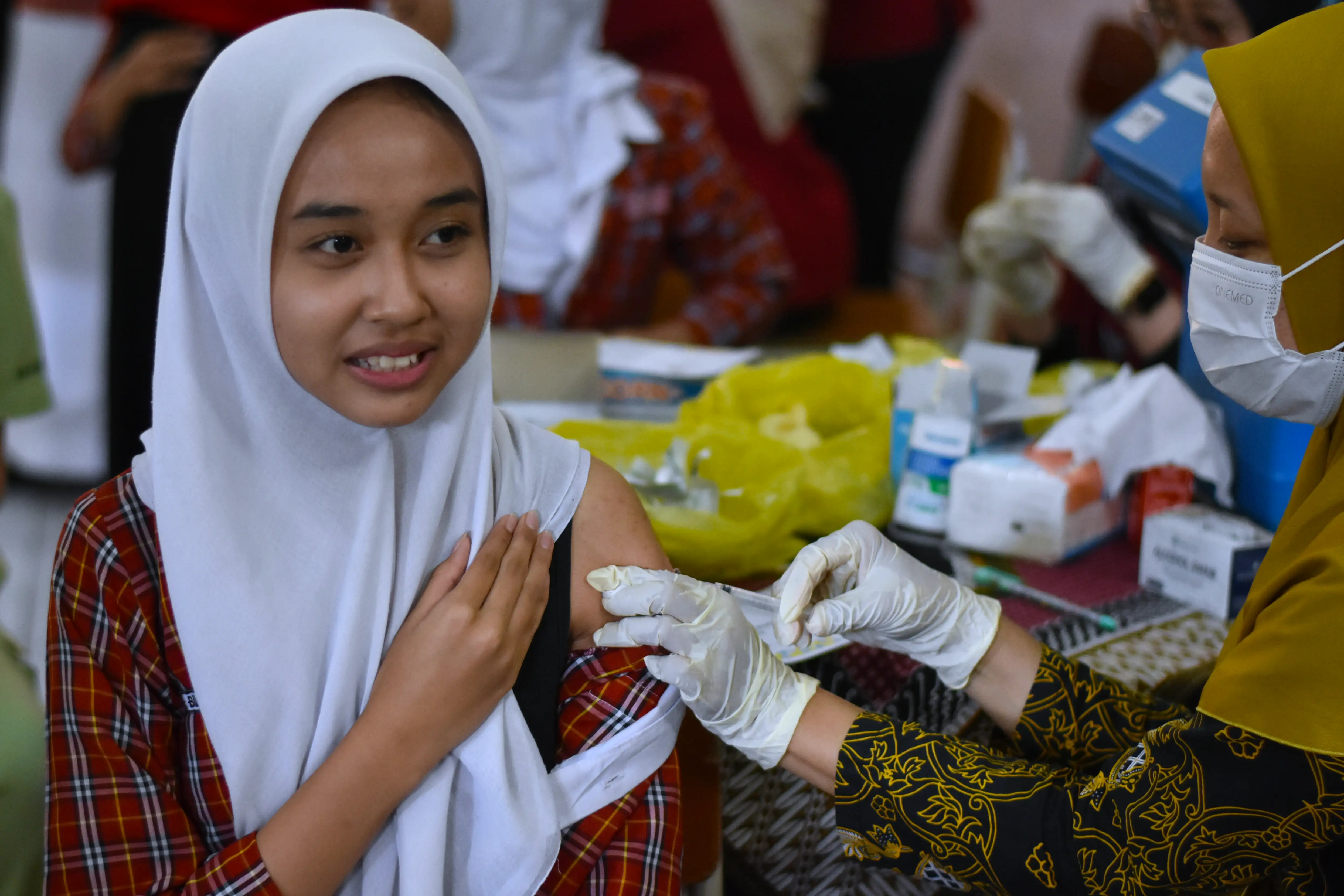
It is a reminder that the right intervention, delivered at scale, can change the course of disease.
But breakthroughs like this require sustained investment to get there – years of research, clinical trials and on-the-ground delivery before a discovery reaches the people who need it most.
That pipeline is fragile. It does not survive funding cuts, and those cuts don't just delay progress, they can set it back by decades.
Plus, once it's broken, it is very hard to rebuild.
If we want to understand the human impact of sustained investment we needn't look very far – Australia's contribution to global health is substantial.
Researchers across Victoria have helped develop the world’s first vaccine against childhood diarrhoea, pioneered non-hormonal contraception for women, are working to develop more effective malaria treatments and have improved treatments for anaemia in children and pregnant women.
Health & Medicine
Just one dose of HPV vaccine benefits women worldwide
These achievements represent thousands of lives saved and continue to generate benefits within the communities that need them most.
They have been built on sustained investment through the National Health and Medical Research Council, the Medical Research Future Fund, the Department of Foreign Affairs and Trade and through partnerships with philanthropic organisations like the Gates Foundation and international agencies including the US National Institutes of Health.
That ecosystem of funding and collaboration takes decades to build – and it is what makes Australian researchers world leaders in global health.
This research investment sits alongside Australia's broader commitment to global health.
In 2025–26, health-related Official Development Assistance is estimated at AUD$646.6 million, focused primarily on the Asia-Pacific and Southeast Asia.
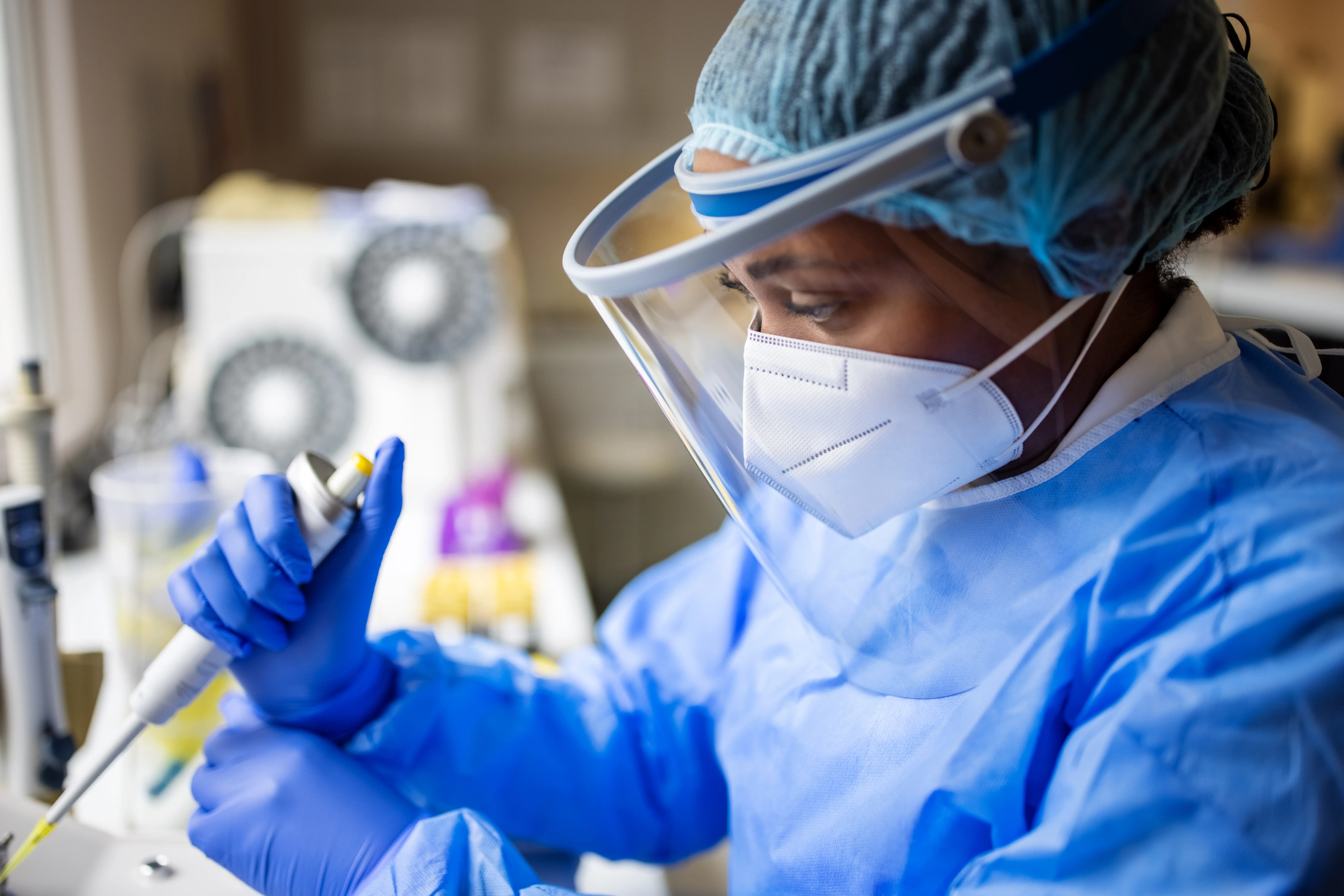
Australia is also a significant contributor to the Global Fund to Fight AIDS, Tuberculosis and Malaria, to Gavi the Vaccine Alliance, to the Coalition for Epidemic Preparedness Innovations (CEPI) and to the World Health Organization (WHO).
This investment is strategic. It builds the regional health security that protects Australians too. It generates the scientific partnerships, the data and the institutional knowledge that makes Australian researchers world leaders in global health.
The withdrawal of the US from its traditional role as the world’s largest contributor to global health leaves a gap no single nation can fill alone.
Over the last century, international collaboration, funding and innovation have saved millions of lives through vaccine development, improved sanitation and better nutrition.
But these hard-won gains are reversible.
Health & Medicine
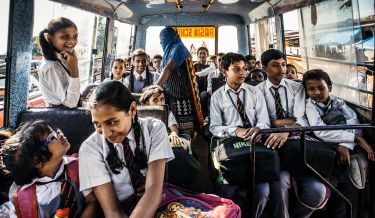
Global health efforts need to catch up with young people
History shows that when funding is cut and misinformation fills the void, progress in vaccine coverage, disease control and maternal and child health can unravel quickly. The damage compounds.
Australia is well placed to lead.
We have the research institutions, the regional relationships and the track record.
What is needed now is the sustained political will to increase investment. Not simply to maintain our current contribution, but to grow it in recognition of what the moment demands.
These breakthroughs are within reach. But they require governments, industry and philanthropic organisations to back them.
The question for Australia is not whether we can afford to step up. It is whether we can afford not to.