
Health & Medicine
The interconnectedness of human, animal and environmental health


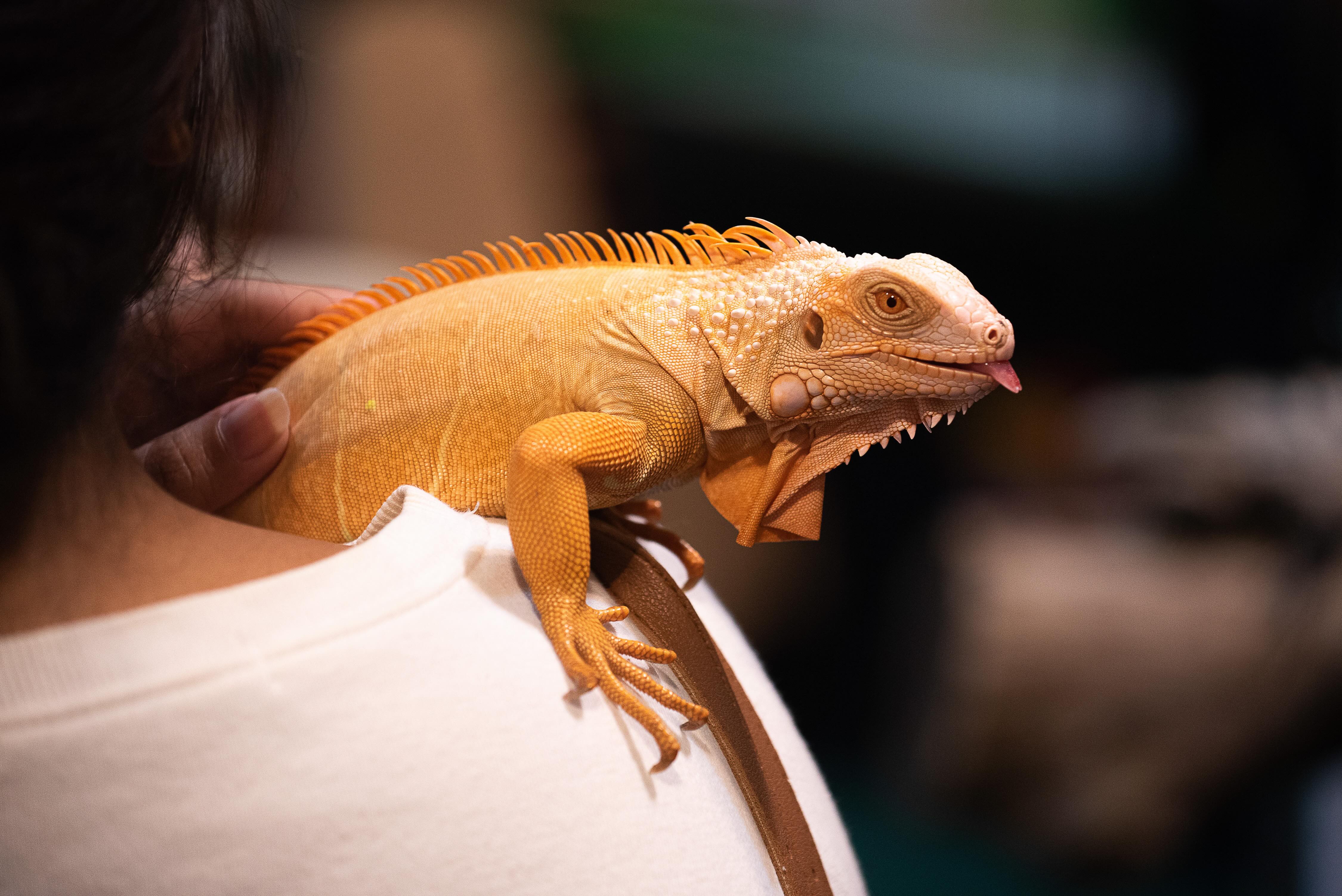
New research tracked international routes of around 2.85 billion animals in the global wildlife trade, revealing alarming threats to biosecurity and the survival of many species

Published 12 November 2025
When we think of wildlife trade, we often imagine illegal and clandestine efforts to trade in ivory or tiger skins.
Yet, the wildlife trade is a predominantly legal operation, worth approximately 10 times that of the illegal trade, valued at around $USD 360 billion per year.

Often driven by social media, the demand for exotic pets represents an increasingly significant component of global wildlife trade, but is frequently overlooked and neglected.
Other animals, and sometimes plants, are taken from the wild for the medicinal or even fashion trade.
International efforts to regulate wildlife mostly miss ‘lower-value’ species, including those imported as pets, resulting in limited knowledge of trade. So to understand the whole picture, our research team started by calculating the magnitude of the US legal trade.
We found that since 2000, around 30,000 wildlife species in total (comprising around 21,000 animals and the remainder as plants) have entered the US market. This equated to approximately 2.85 billion individual animals.
Health & Medicine
The interconnectedness of human, animal and environmental health
Our latest study takes this a step further, exploring the patterns of where these animals originate by tracking two decades of global wildlife trade routes into the United States.
Alarmingly, a significant proportion of legally traded species still originate from the wild. Large numbers of species are taken from their native environments, usually in lower-income countries, and traded through blatant laundering or trafficking.
Unfortunately, the world’s focus on ‘big’ animal trade is also reflected in international legislation.
While the fishery and timber trade are monitored globally through the Food and Agriculture Organization of the United Nations (FAO), most other groups of species are only recorded internationally via the Convention on the International Trade in Endangered Species (CITES).
This UN organisation aims to ensure that the international trade in wild animals and plants does not threaten their survival in the wild. Yet CITES only covers a tiny proportion of species being traded.

For groups like reptiles, which represent almost 45 per cent of all species in the legal trade, fewer than 10 per cent are monitored by CITES. Notably, groups like invertebrates (including insects and some marine life) are virtually unmonitored, despite thousands of species being traded.
Instead, our team used data from LEMIS, the US Law Enforcement system that monitors wildlife trade, and is one of the few datasets that includes all species.
US trade data revealed that a significant number of species still originate from the wild, highlighting clear issues of both misinformation (data errors) and disinformation (deliberate errors, likely to facilitate the laundering or trafficking of animals), including in more regulated species under CITES legislation.

Tropical regions typically export the highest diversity of wild species, especially for the pet trade. However, the impacts on populations are almost entirely unknown.
For example, highly biodiverse, often lower-income economies (like Indonesia) export both larger numbers of individuals and a greater diversity of species, which are frequently sourced from the wild.
Conversely, higher-income economies (like those in Europe, especially Germany) that also export high numbers of species tend to export non-resident species declared as captive-bred.
Countries like Germany play a significant role in the pet trade of various reptiles, exemplified by the Terraristika expo in Hamm, which is one of the largest events for this trade.
However, the lack of equivalent data on trade into Europe (TRACES trade data are not openly available and often not at the species level) makes understanding the full dynamics of European wildlife trade challenging.

Identifying where laundering is happening requires better data and automated error checking. The scanning of invoices and automated flagging would enable us to identify when laundering might be occurring, rather than just errors in data entry.
Many trade intermediaries claim they are exporting wild, non-native species, so where are these animals actually coming from? Or are these mismatches just errors in how the data is recorded? And if so, can agencies do better to minimise such errors?
Without better data on what is in trade, there is currently no way to say if most of this trade is sustainable, potentially silently driving many species towards extinction in plain sight.
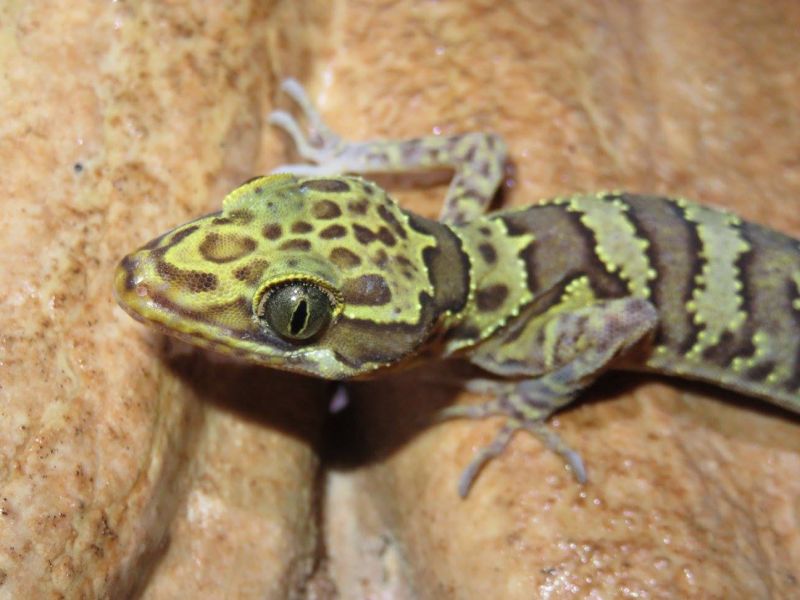
Unusual species – including cave geckos – are particularly in demand, with collectors using scientific descriptions to quickly bring new species into the market, as there is always a demand for ‘new’, unusual or rare animals.
Yet these previously unknown species may only exist in a single site, meaning that such unregulated trade poses a very real threat to their survival.

Australia’s unusual and rare species are particularly vulnerable to the exotic pet trade. Many Australian native lizards, including Pinecone lizards and bluetongue skinks, are smuggled out to markets in China.
While direct trade of these animals is illegal, our previous work highlights that this can be masked by further 'legal' international trade, like when criminally obtained money is 'laundered' through legal means.
We identified major trade routes from Hong Kong and Taiwan to Europe and the US in recent years, with claims of “captive breeding” to overcome regulations designed to stop unsustainable trade and “preconvention” or export permitted without certification, even a year after the species was listed by CITES.
This may signify ongoing trafficking fueling the global pet trade of these species, and reiterates the challenge of effectively using the CITES international trade convention to protect species, as only trade going from Australia is heavily regulated.
Under-regulated wildlife trade also poses other risks, including the introduction of pests and pathogens, as well as species that could become invasive.
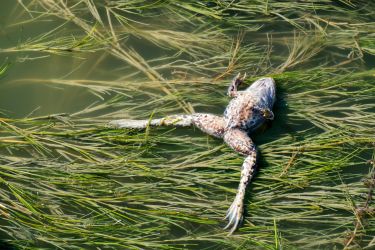
A clear example of this is the international trade of Xenopus frogs, which were likely responsible for the initial spread of Chytridiomycosis – a deadly fungal disease that has contributed to the extinction of multiple frog species, including at least seven in Australia.
Another overlooked element is the interplay between captive breeding and wild-caught animals in the fur trade (particularly in Asia), where wild and laundered animals are bought into captivity, providing the ideal conditions for the spread of zoonotic pathogens, including Severe Acute Respiratory Syndrome (SARS).
The way we use wildlife and its origins clearly need regulation. As well as transitioning away from wild-caught species in trade (as parts of the world such as Europe and the US have in the case of wild birds) due to pathogen risks, we clearly need to do more to ensure that we better monitor trade.
Sciences & Technology
The invasive fungus threatening Earth’s biodiversity
In 2025, the fact that the question “how many species do we trade?” still cannot be answered is a testament to how we ignore these issues. This requires government agencies to centralise standards and share data to give us the global picture we need to monitor trade.
We have to stop seeing wildlife trade as a fringe issue. The number of species traded globally is likely over 70,000, and yet we currently do not know.
What we do know is that this is impacting species survival, and to counteract that, we need better data and more collaboration between scientists, government agencies, businesses that sell wildlife and the consumers who drive the demand for this trade.
This work was conducted in collaboration with researchers from universities and research institutions across the United States, Europe, South America, and Australia, including the University of Glasgow, the University of Lisbon, the University of Adelaide, the University of Turku and others.