Sciences & Technology
The fiery curse of conservation


New research tracing 1000 years of fire history shows how Australia's forests grew more fire-prone after colonisation, creating landscapes that drive the country's worsening bushfire crisis


Published 8 October 2026
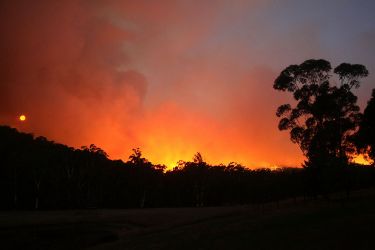
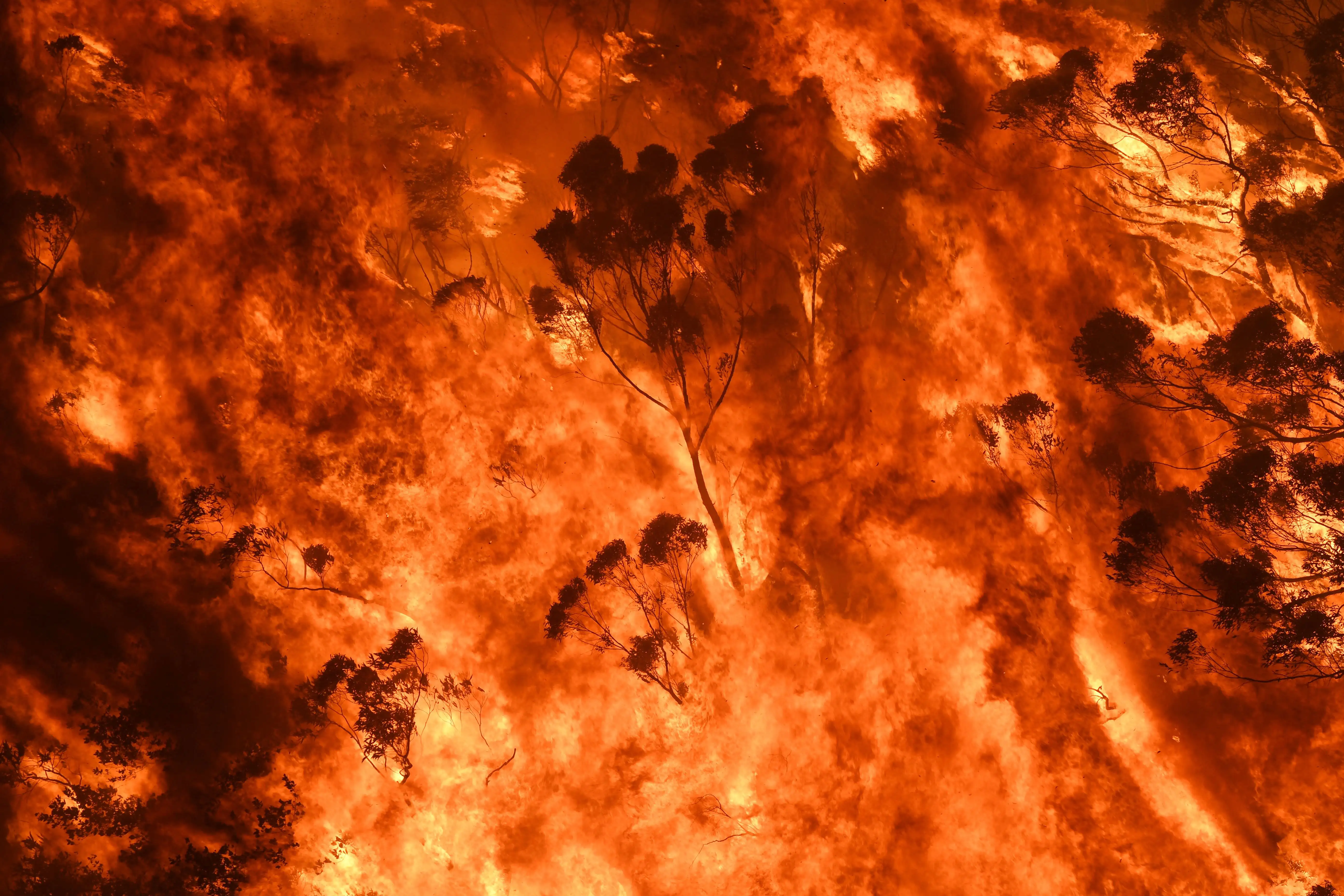
Australia’s Black Summer bushfires of 2019-2020 tore through Croajingolong National Park on Victoria’s far eastern coast.
The fires burned through a landscape that, on paper, is wilderness: remote bush set aside to remain wild, untouched and natural. Croajingolong is now one of the most fire-prone and repeatedly burnt stretches of forest in southeastern Australia.
When forests like this burn, climate change gets the blame. Climate change is real, and it is leading to ever more dangerous fire weather.
But our new research, published in Nature, shows the story of these worsening fires begins more than a century before human-caused warming took hold.
The dense eucalypt forest that burns so ferociously today is not a natural baseline. It is a product of colonisation.
Croajingolong takes its name from the Krauatungalung people of the Gunaikurnai, and this is Gunaikurnai Country which covers much of Gippsland, in the south-east of Victoria.
Working in partnership with the Gunaikurnai Land and Waters Aboriginal Corporation, our co-authors on this study, we reconstructed the past 1000 years of this landscape’s history.
Purghagoolah, a deep lake in the heart of the park, called Lake Elusive on modern maps, acts as a natural archive. Season after season, pollen, charcoal and soil drift to the bottom and settle, stacking up a record of everything that grew and burned around it.
A sediment core, a column of mud drilled from the lakebed, lets us read those layers back one year at a time.
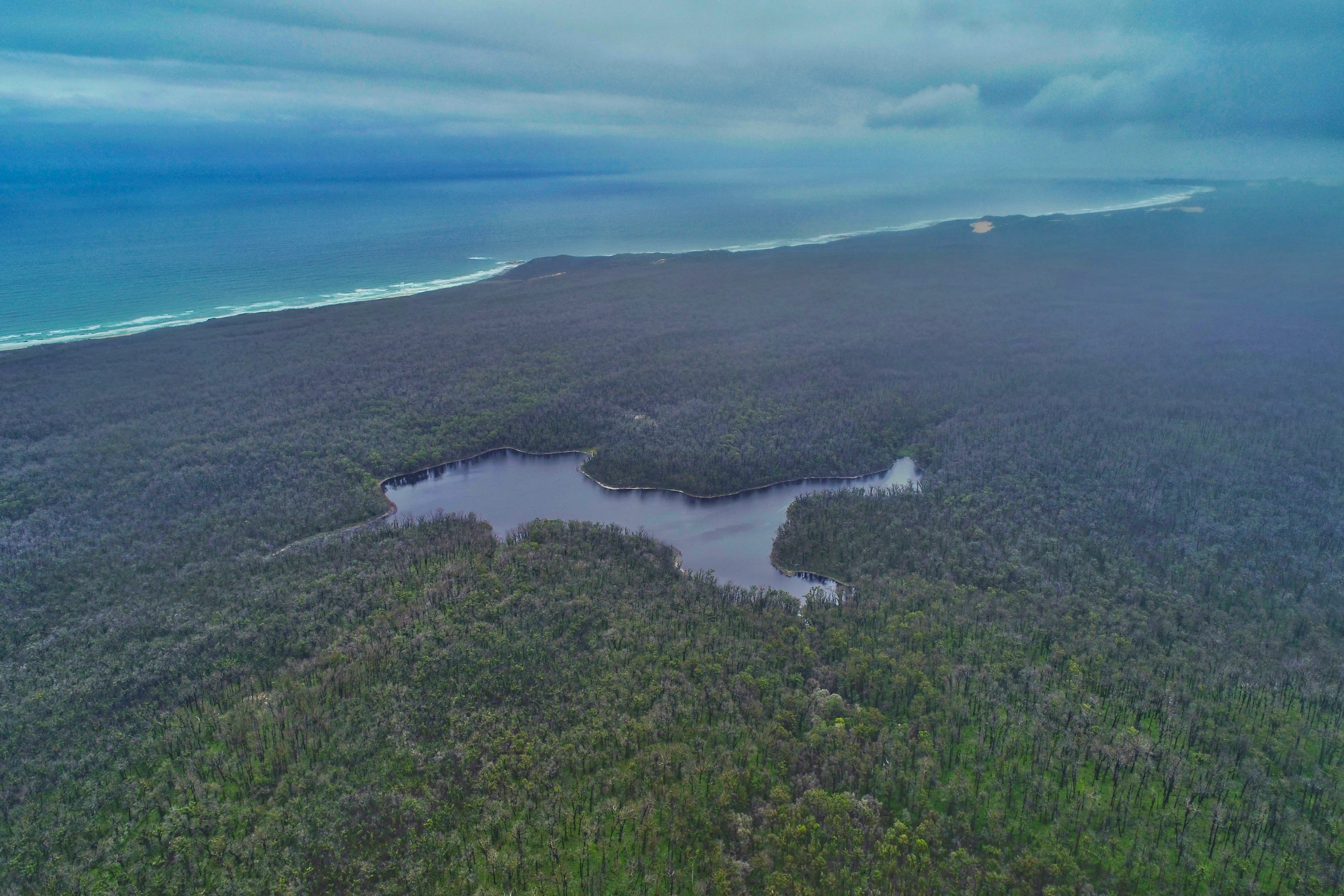
In January 2021, months after the fires, we cored the lake’s mud.
Pollen tells us what grew across a region of about 10,000 square kilometres.
Charcoal tells us what burned. Infrared analysis of the charcoal tells us how hot it burned, magnetic minerals track the soil washing off the land, and radiocarbon dating anchors the whole story in time.
For more than 800 years, the land around Purghagoolah was stable, open woodland under Gunaikurnai care.
It was kept open by frequent, fine-grained, cooler cultural burning, with little charcoal and almost no erosion.
Sciences & Technology
The fiery curse of conservation
That stability had nothing to do with calm weather.
Reconstructions of past fire weather show that seasons as severe as the ones that drove Ash Wednesday and Black Saturday, two of Australia's deadliest bushfires, recurred repeatedly before colonisation. Yet on cared-for Country, catastrophic fire did not take hold.
British colonisation reached Gippsland in the early 1800s. Frontier violence and massacres ensued, and by the mid-19th century cultural burning had ceased. A relationship of care thousands of years old was severed.
The mud records what followed.
The charcoal's infrared signature shifts, showing the cool cultural fires of earlier centuries giving way to hot wildfires. These hotter fires transform the landscape.
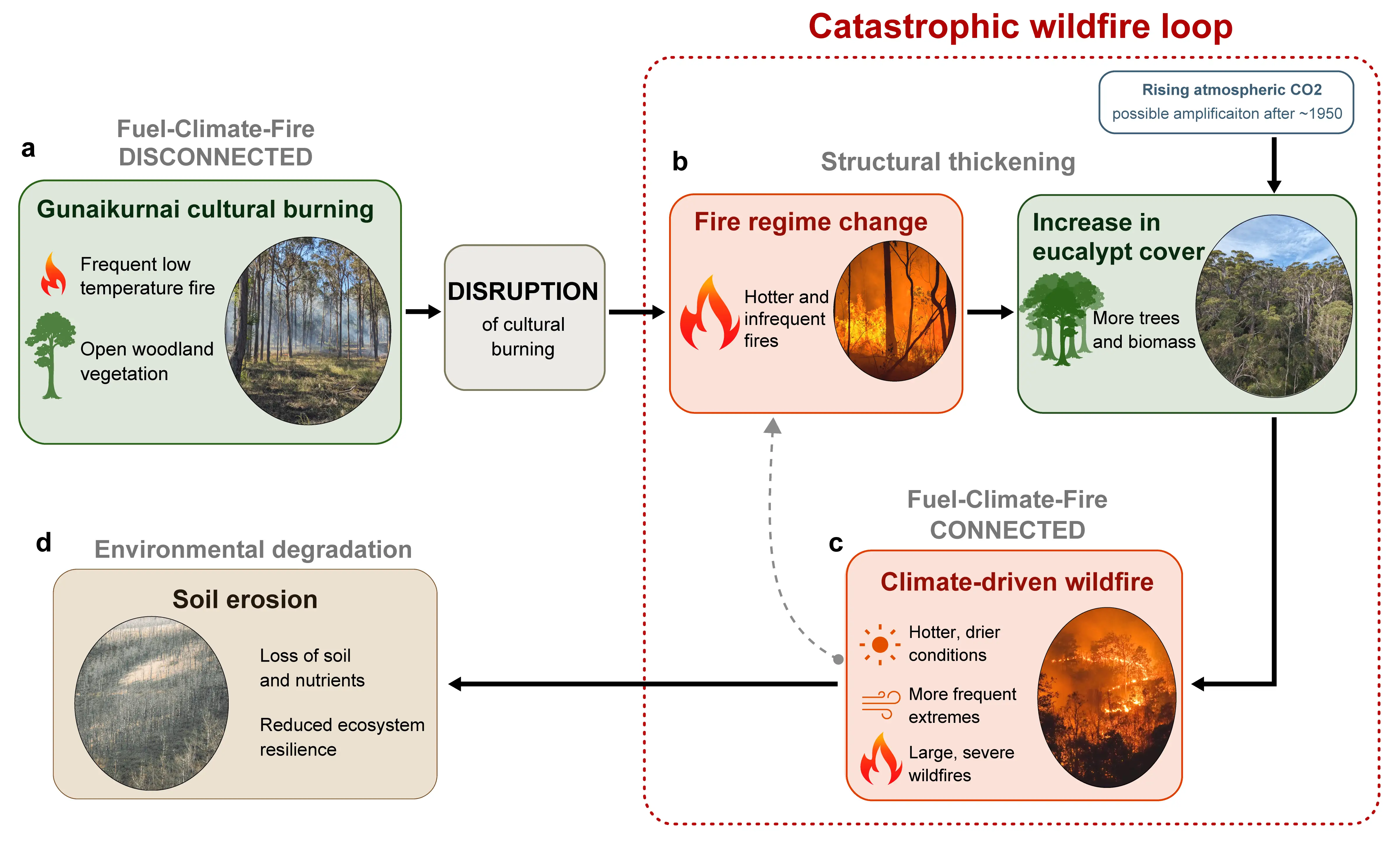
Eucalypt pollen surges fourfold, signalling the thickening of open woodland into dense forest and loading the land with fuel. Soil that had barely moved for centuries begins washing into the lake.
All of this predates major human-driven climate change, which means the vulnerability of these forests is a colonial legacy that warming now amplifies.
The two feed each other, in what we call the catastrophic wildfire loop. High-intensity fires promote thick, flammable regrowth, raising fuel loads and increasing the likelihood of the next climate-driven fire.
Here's the uncomfortable part.
We guard Croajingolong as untouched wilderness, but this forest is a colonial artefact, and the very thing that made it is now endangering it.
Sciences & Technology
Indigenous knowledge and the myth of ‘wilderness’
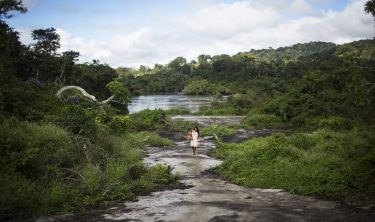
Aboriginal people view Wild Country as sick Country, as land that has lost its people and their care.
“Our GunaiKurnai Ancestors were born with towera (fire), an interrelationship of the Old Peoples’ practical daily life on Country,” says Gunaikurnai Elder and study co-author, Russell Mullett.
“Not treating Country with towera, Country becomes extremely dangerous for GunaiKurnai, animals and plants.”
“Studies such as this provide firm scientific evidence to support towera land management initiatives for Country.”
The lesson is not that climate change doesn't matter, but that fuel matters too, and so does the care that once governed it.
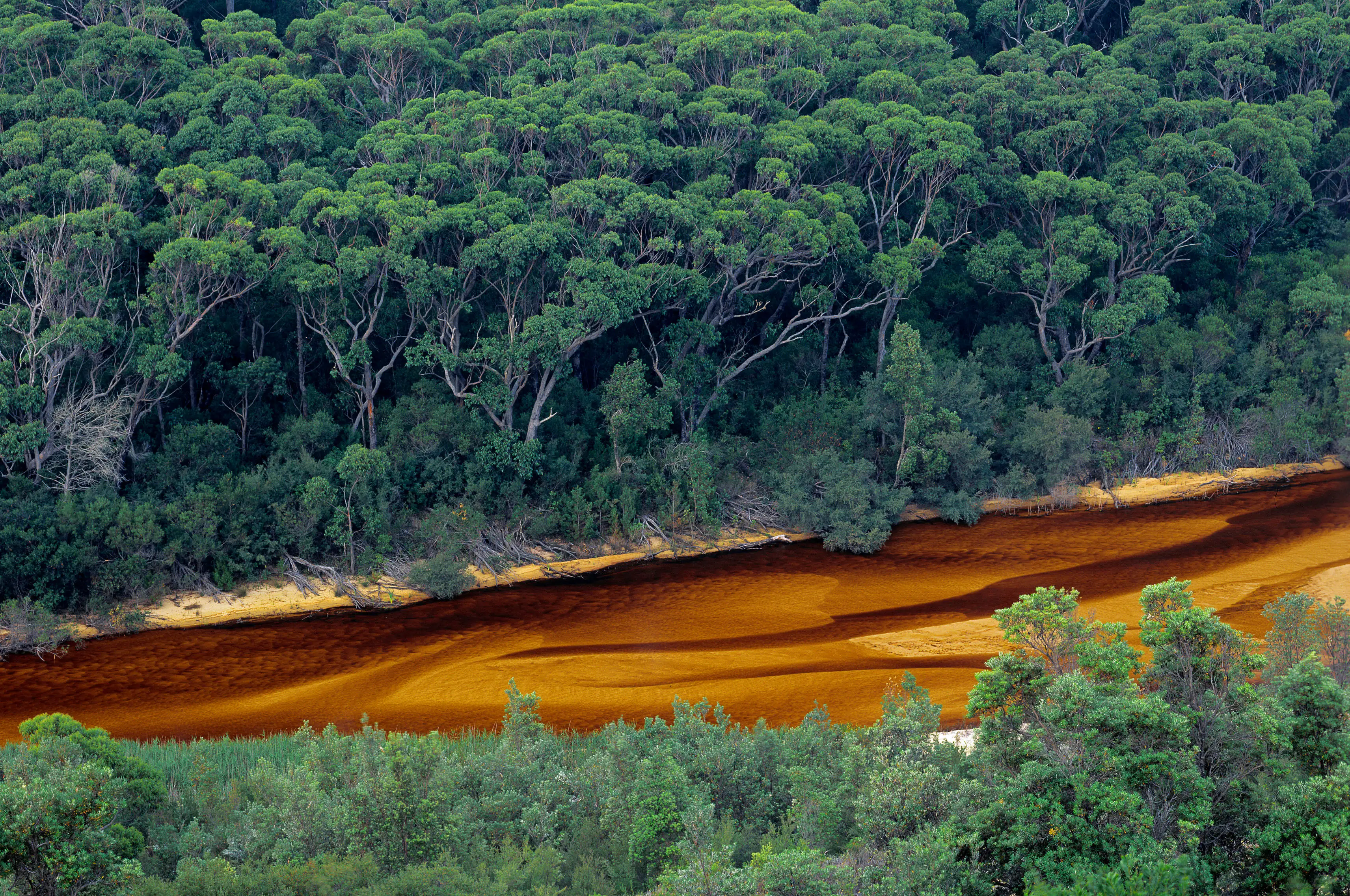
Managing fire in southeastern Australia must reach beyond hazard-reduction burns and climate adaptation to restore Indigenous land practice, with Traditional Owners resourced and supported to lead.
We are now taking this research to other sites across Australia, to test how widespread the pattern is.
But Purghagoolah already tells us something hopeful.
For at least eight centuries, through seasons of severe fire weather, fire came largely on people's terms. Country needs care. When people care for Country, even dangerous seasons need not bring disaster.
