Politics & Society
Human remixes pay creatives, AI just pays shareholders


The Albanese government has ruled out AI copyright exemptions in a new national framework. It's good news for Australian creatives. But much First Nations cultural knowledge sits outside copyright and risks going unprotected

Published 27 July 2026
Recently, Australia’s federal government unveiled new measures aimed at shaping the country’s artificial intelligence (AI) future.
The government is pairing incentives for local data centres with an attempt to resolve a paradox, one that governments around the world now face. How do you become a leading destination for the AI sector while safeguarding an existing strength of your society and economy?
In Australia's case, that strength lies in its creative and media industries.
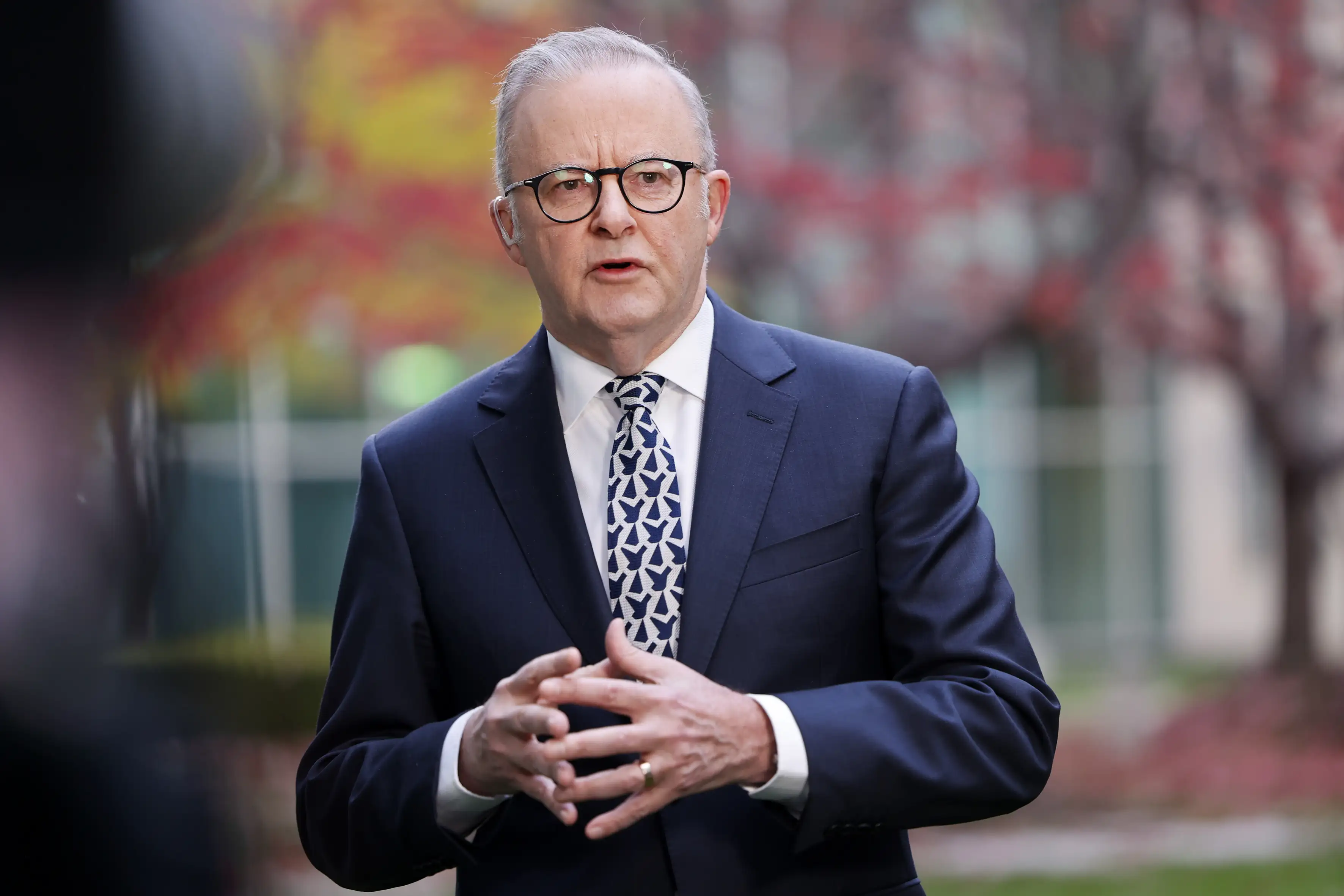
Prime Minister Anthony Albanese has announced Australia will abandon its light-touch approach to AI in favour of a mandatory national framework, legislated and enforceable, by early 2027.
The government legislated to protect Australian creatives from what the Prime Minister called AI training “theft”. This “theft” refers to how AI models learn, by ingesting millions of scraped creative works without permission or payment.
And the government has ruled out copyright exemptions that would let international tech firms mine local data for free.
But for existing work, that horse has already bolted.
Politics & Society
Human remixes pay creatives, AI just pays shareholders
Numerous AI models have already been trained using Australian artists’ copyrights, and undoing that “theft” would mean rebuilding those models from scratch.
Copyright faces deeper problems too. Anyone can copy and enjoy creative work simultaneously, which is exactly why copyright exists, granting creators a temporary legal monopoly over something that would otherwise be freely copied.
But that monopoly has a limit. Copyright protects the expression of an idea, not the idea itself. AI developers can exploit this gap.
While their models don't copy songs note-for-note or books word-for-word, they can extract the underlying patterns.
So, what were the alternatives when the government was thinking about copyright?
The UK Government's consultation on copyright and artificial intelligence mapped the options that Australia, like every government facing this question, had to weigh.
Firstly, they could have done nothing. Copyright and related laws could remain as they were.
But this wasn’t really an option. Uncertainty in any law around AI can expose the sector to legal risk while leaving creators with no clear path to payment.
The next option strengthens copyright by requiring a licence in every case, and it's the one Australia chose.
AI models cannot train on copyrighted Australian work without permission, giving creators a path to remuneration, provided the technology exists to make training data transparent.
Sciences & Technology
Is today the day the music dies?
But this option potentially undermines the economic growth that could stem from nurturing the AI sector.
The third option almost swings the other way, offering a broad data mining exception, sometimes called a 'fair use' approach.
AI companies could train on copyrighted art, music and literature without permission, for commercial purposes, with few or no restrictions.
Singapore allows this through an express exemption, and the US permits it where training meets its 'fair use' standard. While investment would likely follow in the Australian AI sector, creators would be steamrolled, left to fight for control of their own work through expensive litigation.
The final option splits the difference, with a broad text and data mining exception, but with an opt-out for creators who don't want their work used.
The UK formally backed this approach, then backtracked after a fierce campaign by its creative industries. It now sits in a holding pattern, gathering evidence while its law stays unchanged.
Other jurisdictions have moved, though cautiously.
The European Union's AI Act took effect with a narrow scope, requiring disclosure of only the top 10 per cent of training data and giving existing AI models a two-year grace period.
In the US, the Trump administration has been openly critical of copyright constraints on AI, though its attempted 10-year freeze on state AI regulation was blocked, and the courts have held that copyright requires human authorship.
Australia has conversely planted its flag at the opposite end of the field from the US – rejecting any exemptions outright and backing creator protections.
Sciences & Technology
AI must be built with Indigenous Knowledges, not against them
While this is welcome news for Australian creators, for Australia's First Nations peoples, the detail that matters most is whether their knowledge and creative works get treated as a category of their own.
Copyright law imagines a solitary author, one person creating one fixed work at one moment in time.
First Nations creative systems work differently. Knowledge is often held collectively, passed between generations, and still alive, continuing to change with the communities who carry it.
In many First Nations cultures, musical expression is not a fixed artefact by a single person, but communal practices sustained through repeated performance, transmission and adaptation.
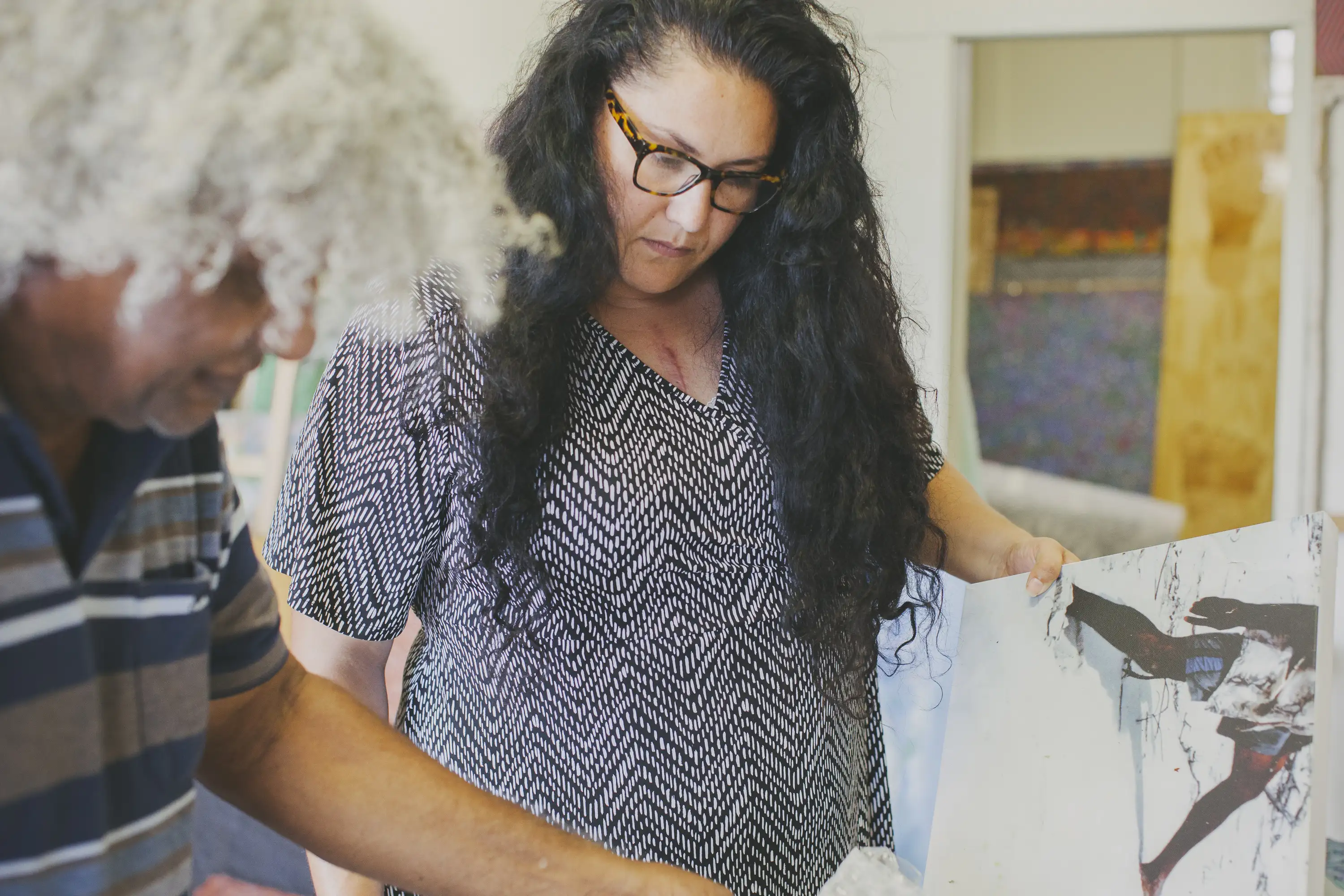
It gathers meaning through repeated performance and shared custodianship, and cultural protocols, not the law, determine who may use it and how.
The absence of formal copyright protection does not mean the absence of cultural or moral claims.
Treating First Nations knowledge and creative works as freely available for AI training risks erasing collective ownership and breaching customary laws, inflicting cultural harm even when the works sit outside copyright.
If anything, being uncopyrighted makes their use more ethically fraught, not less. Cultural rights, responsibilities and protocols apply regardless of statutory status.
Because an AI system can now contribute to the creative process itself, by accessing art, music, books and every other form of creative expression, governments around the world are urgently trying to work out how to legislate for the commercialisation of that process, not just its products.

Sciences & Technology
When computers make art
For Australia's mandatory national framework to withstand the deluge of AI-related threats, more work is needed on several fronts.
The first is transparency, along with the need to develop stronger trust between AI developers and rights holders.
Then there’s technical standards, working out how licensing can function when an AI model may be trained on millions or even billions of works.
There's also the question of contracts and licensing, and how the government can support them. And, finally, there's the labelling of AI-generated works, as well as issues around computer-generated works and who owns the outputs of AI systems.
Australia has drawn its line against AI “theft”. Now the framework must prove it can hold that line for every Australian creative.