Business & Economics
How Indigenous business enterprise is rewriting Australian economics


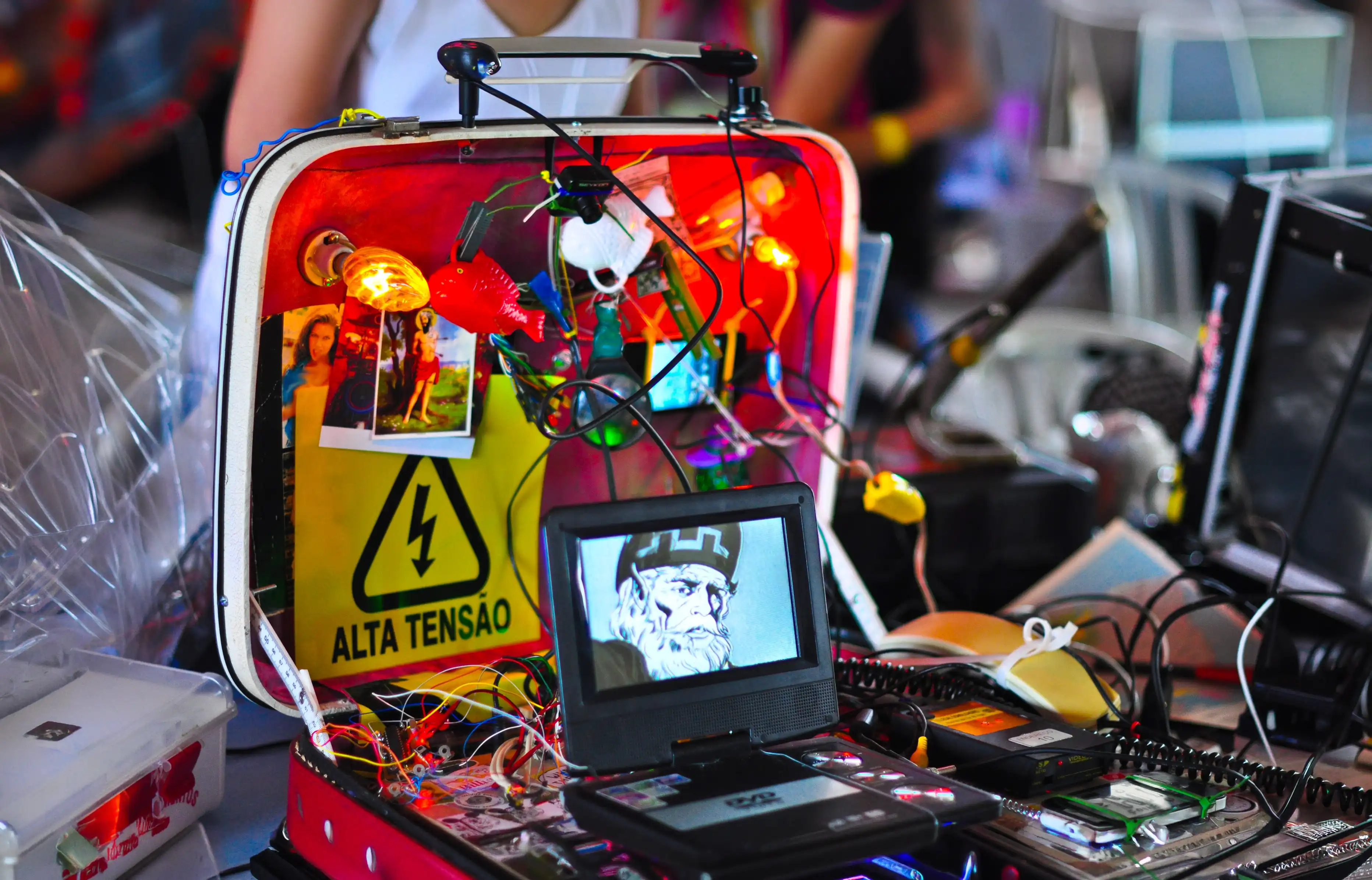
Gambiarra, or makeshifting, is a common cultural practice in Brazil. You might call them life hacks, but in developing countries, they’re much more than just thrifty time savers

Published 25 August 2026
Life hacks are everywhere on social media – people reuse everyday materials and objects to create ingenious solutions to common problems and needs.
While they make for a fun TikTok reel (or TV show in the case of MacGyver), people who are constrained from fully participating in traditional markets find these solutions quite empowering.
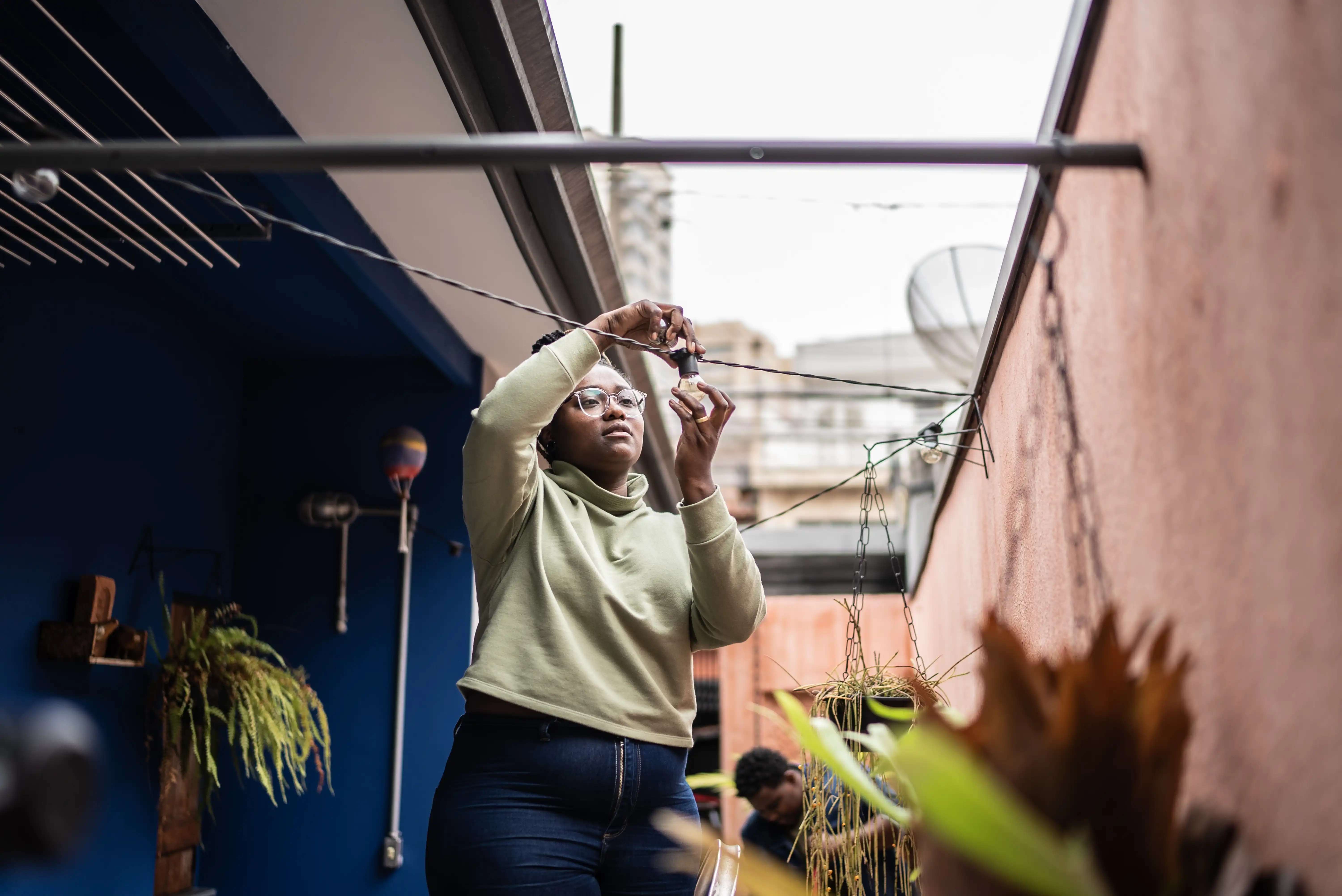
You might know them as life hacks, but the process itself is known as makeshifting.
Makeshifting has been very common in less developed economies for a long time, where limited resources hinder people’s efforts to meet their needs through commercial solutions.
The challenges and their solutions can be incredibly simple – binding old books together for a knife holder or mounting a piece of PVC pipe for a bike rack – but their impact is greater than you think.
By sourcing commonly available, reusable materials from outside formal markets to produce their own solutions, these people are bypassing these markets entirely.
Our research looks into the practice of makeshifting, focusing on gambiarra, the term for makeshifting in Brazil, which is linked to national identity and celebrated as a form of artistic expression.
Business & Economics
How Indigenous business enterprise is rewriting Australian economics
Brazilians are proud of their resourcefulness and ingenuity, and in addition to addressing consumers’ needs, gambiarra is a source of empowerment.
We compiled hundreds of posts from platforms like YouTube, Instagram and Pinterest onto our own project website, showing how people share examples and guide one another in producing gambiarra.
There are two different kinds of makeshifting:
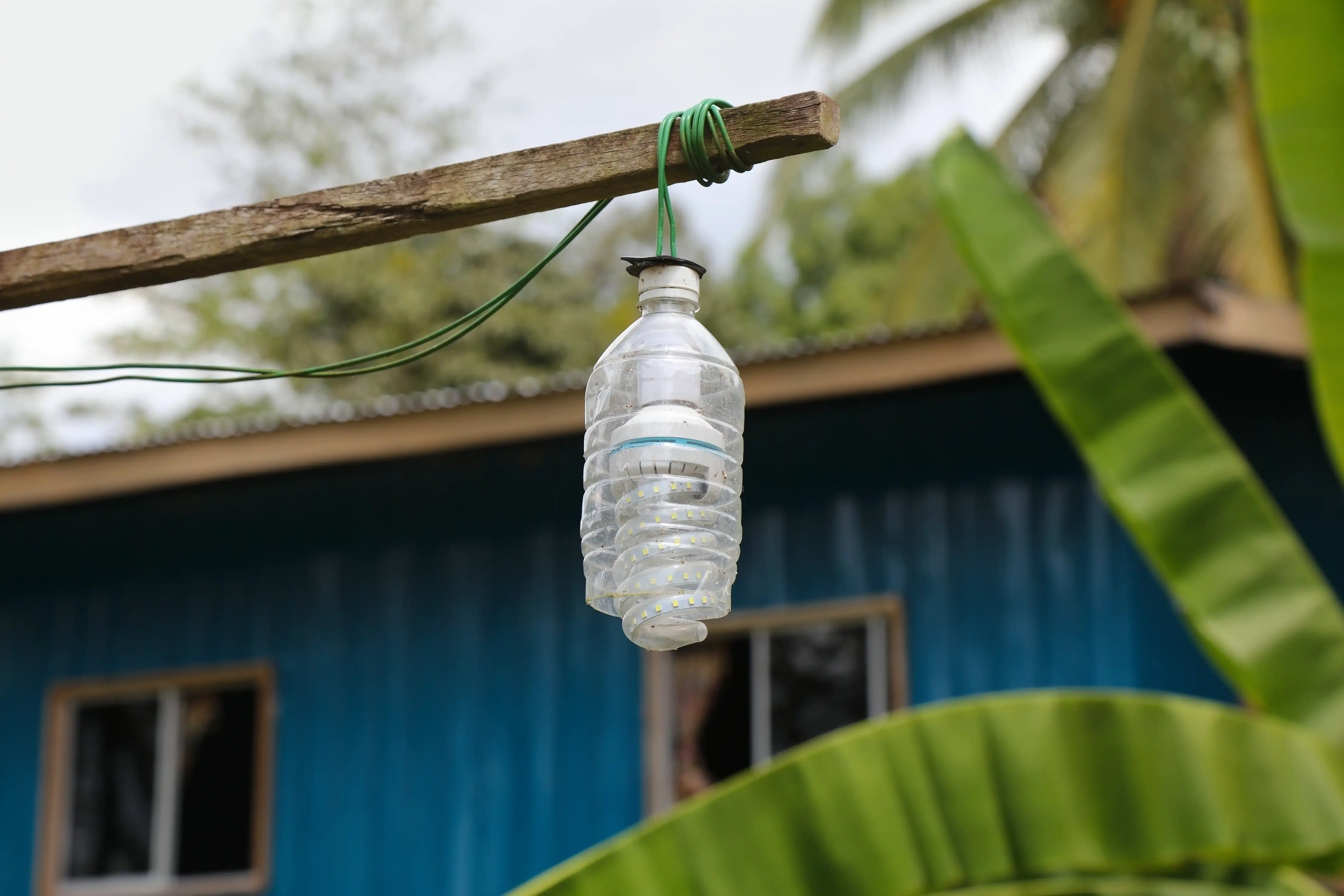
Structural makeshifting physically alters an object so that it has a new purpose – like creating a pizza cutter from a tin can and a ruler.
Capacity makeshifting alters the utility of an object by giving it a new purpose – like using a fitted sheet as a windproof outdoor tablecloth.
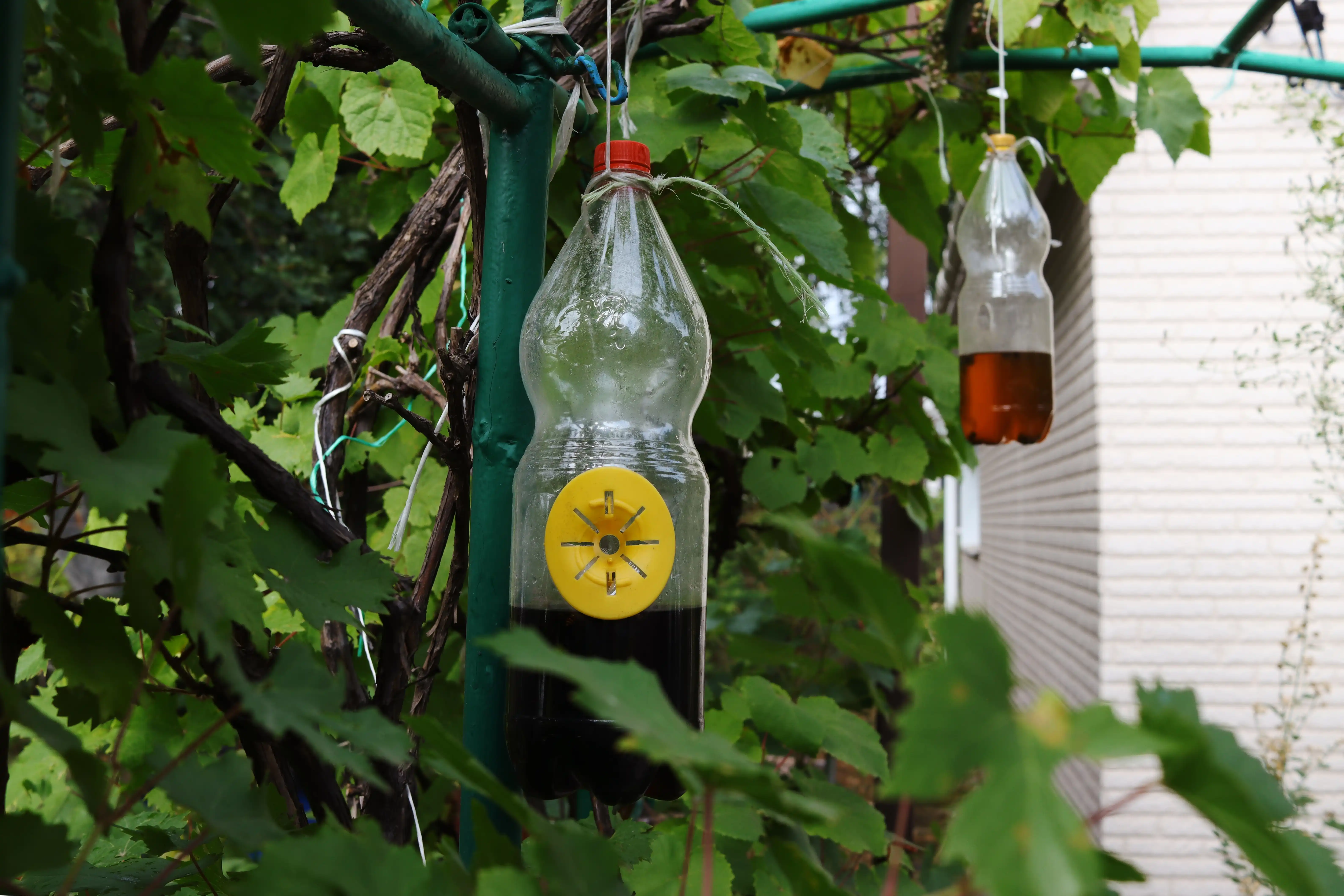 Gambiarra is not about making perfect products, it's about making a solution that works for you. Picture: Shutterstock
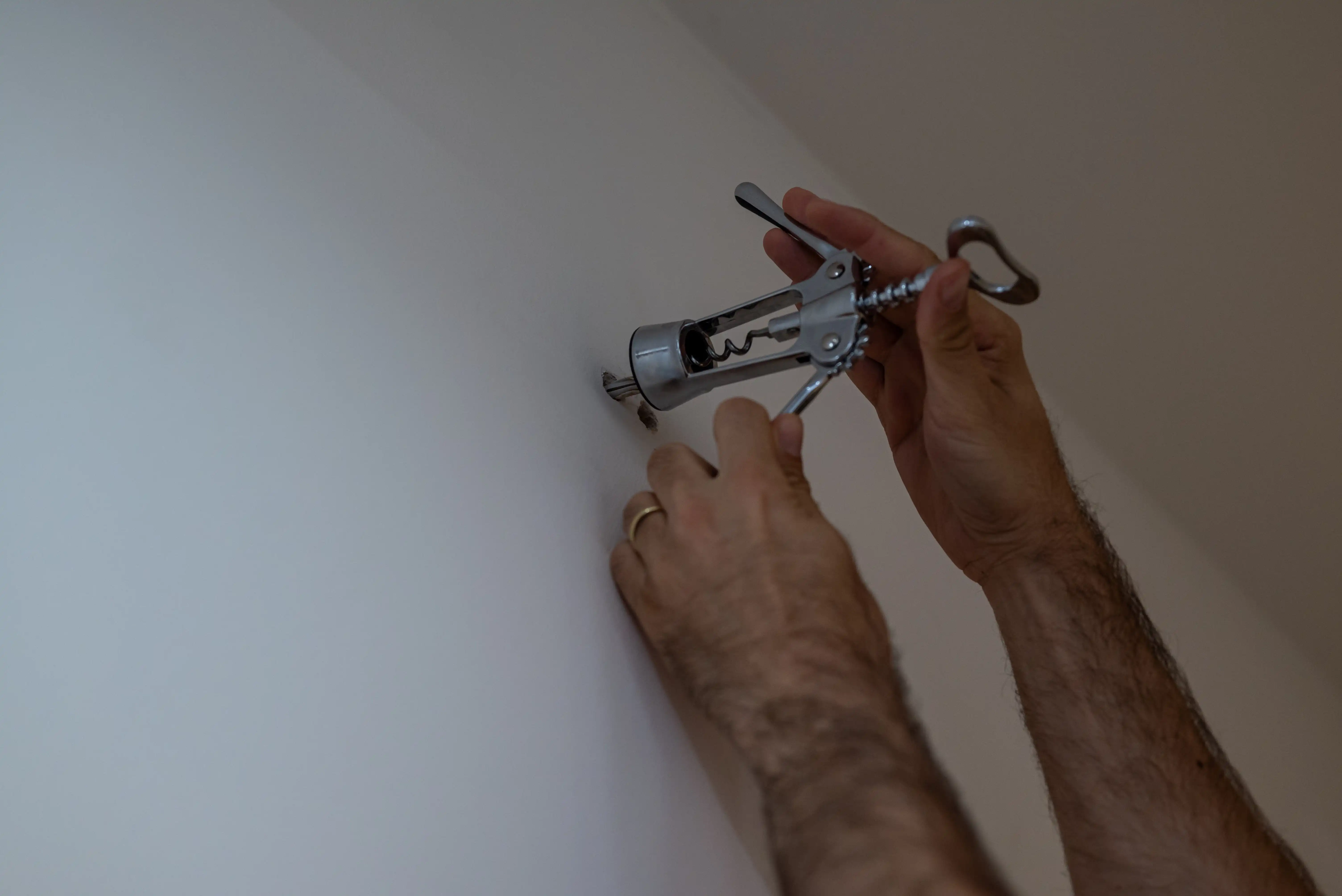
 Makeshifters challenge the informal rules of consumption. Picture: Shutterstock
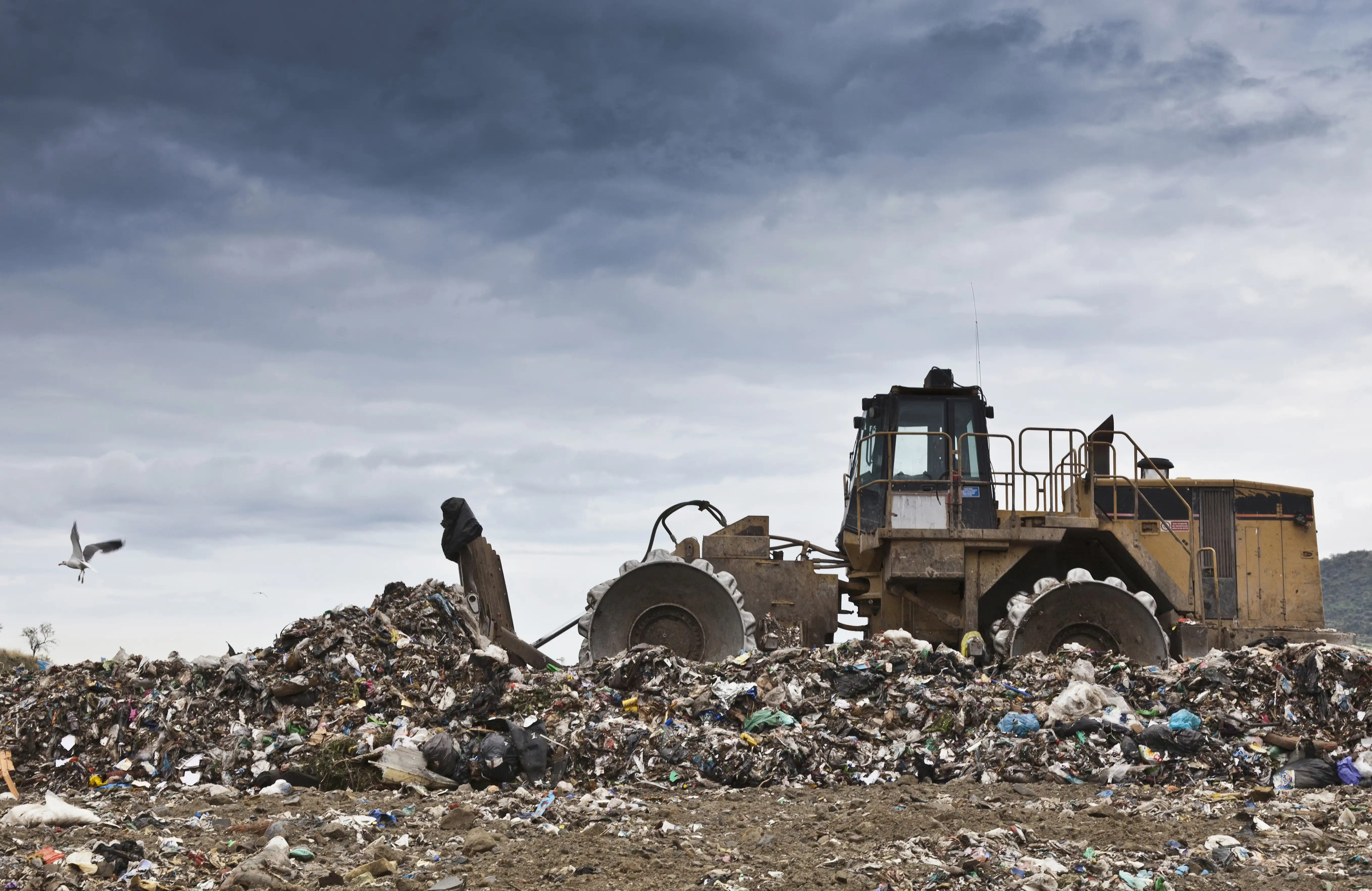
 Makeshift solutions address consumers’ needs and create an equalising effect across the community. Picture: ShutterstockGambiarra is not about making perfect products, it's about making a solution that works for you. Picture: ShutterstockMakeshifters challenge the informal rules of consumption. Picture: ShutterstockMakeshift solutions address consumers’ needs and create an equalising effect across the community. Picture: Shutterstock
1 / 3
Initially, we thought consumers were only using different materials or tweaking materials’ capacities to achieve the same results delivered by market-made products.
But after analysing the huge range of content on makeshifting, we found that it actually changes consumption practices.
In addition to incorporating materials like discarded packaging and parts of broken appliances into novel solutions, makeshifting consumers also challenge the informal rules of consumption and do things their own way.
For example, someone who is unable to access a stove or microwave may use a coffeemaker to boil eggs, cook rice, or prepare two-minute noodles – reinventing what they have on hand to expand their cooking capabilities.
Our findings show that Brazilians’ ingenuity and resourcefulness have the potential to transform not only how consumption happens but also who can participate in it.

Politics & Society
A fairer world without destroying the planet? It's possible
For those without the means, certain luxuries can feel out of reach. And that’s where makeshifting can have its biggest impact.
People make their own cosmetics using edible ingredients – like coffee grinds and orange peel for soap. Others create makeshift swimming pools by repurposing skip bins, water tanks and the trays of pick-up trucks.
These makeshift solutions address consumers’ needs and create an equalising effect across the broader community.
Not only this, but the inventions themselves offer more meaning for those that use them. By producing a new solution in a creative way, consumers feel a greater sense of attachment to their products – far more than if they had bought it and had it delivered to their door.
Previous research on makeshifting focuses on identifying innovative solutions created by consumers that could be taken to the market and commercialised.
Many of us will be familiar with the popular reality series Shark Tank or Dragons Den – where people pitch their creative new products to investors. But gambiarra isn’t all about the money.
In contrast, the solutions we looked at are often distinct to their creators. The uniqueness in makeshifting challenges the sameness of market-made solutions.
It’s not about one perfect product that’s available in multiple colours; it’s about making something that works in a way that suits you at a given moment, without the need to adapt it for everyone else.
Which leads to another of its key benefits – it can reduce waste and overconsumption.
In Brazil, consumers proudly display makeshift solutions in their homes and on dedicated social media accounts, teaching each other how to save money and prevent waste from getting to landfill.

Sciences & Technology
Pacific farmers are reviving traditional knowledge to tackle a changing climate
It’s important to remember that not all life hacks are made equal. Some, in fact, are outright dangerous and should never be attempted.
We can still appreciate the positive aspects of the online life hack trend, but caution must be taken when adopting solutions we see online.
That being said, the benefits are clear – the more people learn about the potential uses of idle objects and materials, the less likely they are to end up in landfills.
We have more research plans on makeshifting, hoping to explore what happens when consumers in developed economies, who are not resource-constrained, engage in it.
Is the empowerment factor the same? How does the resulting gambiarra evolve with greater resources at your disposal? We look forward to finding out.