Sciences & Technology
Man bites shark: How dangerous are humans to sharks?


Climate change and current fishing practices are causing fish to shrink. New research shows that leaving the biggest fish in the water may help soften the blow


Published 25 March 2026
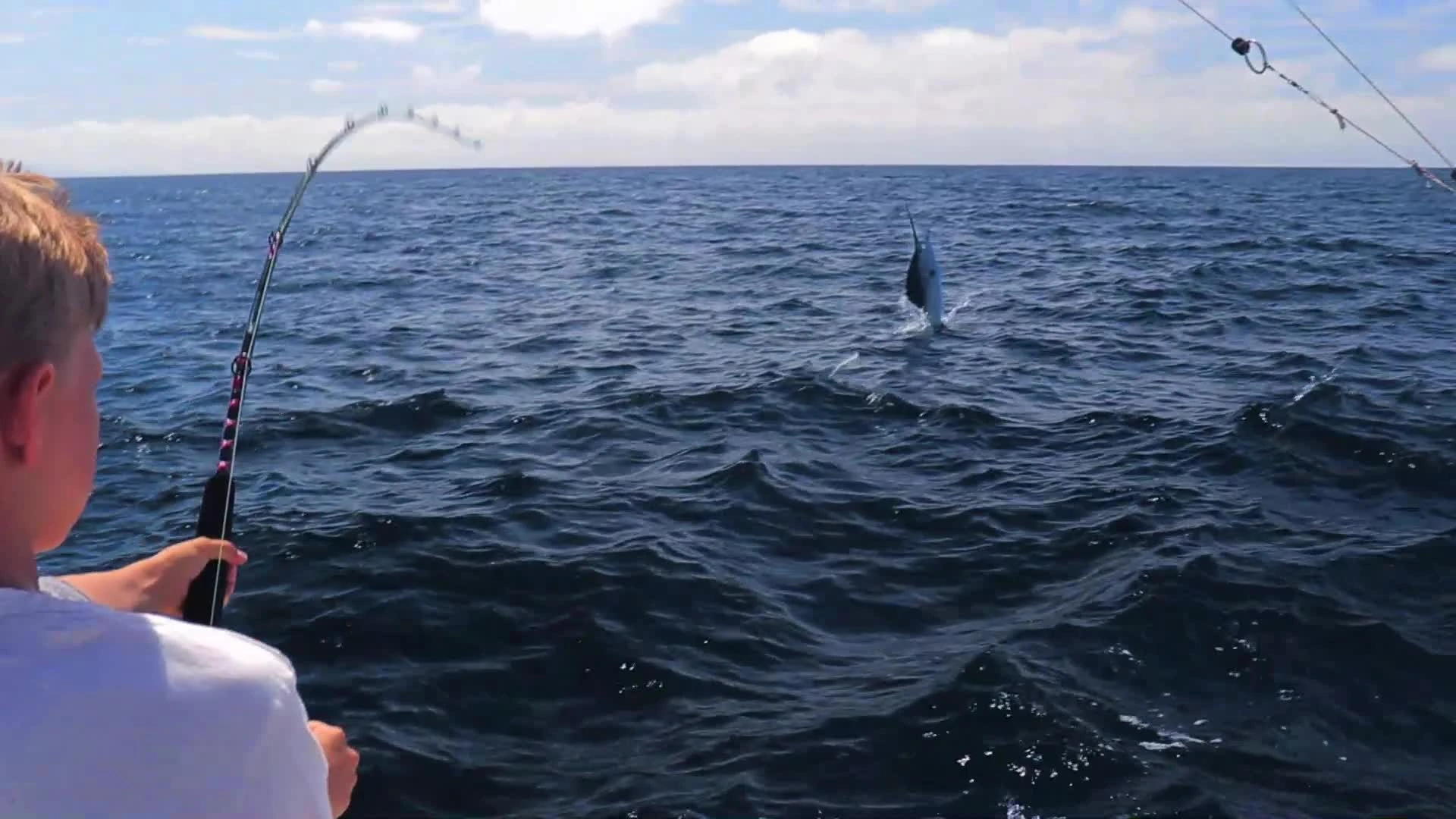
When it comes to fishing, reeling in the biggest one is often the goal.
But as it turns out, leaving the largest and oldest fish in the water can help entire fish populations cope better with ocean warming – and the benefits can last for generations.
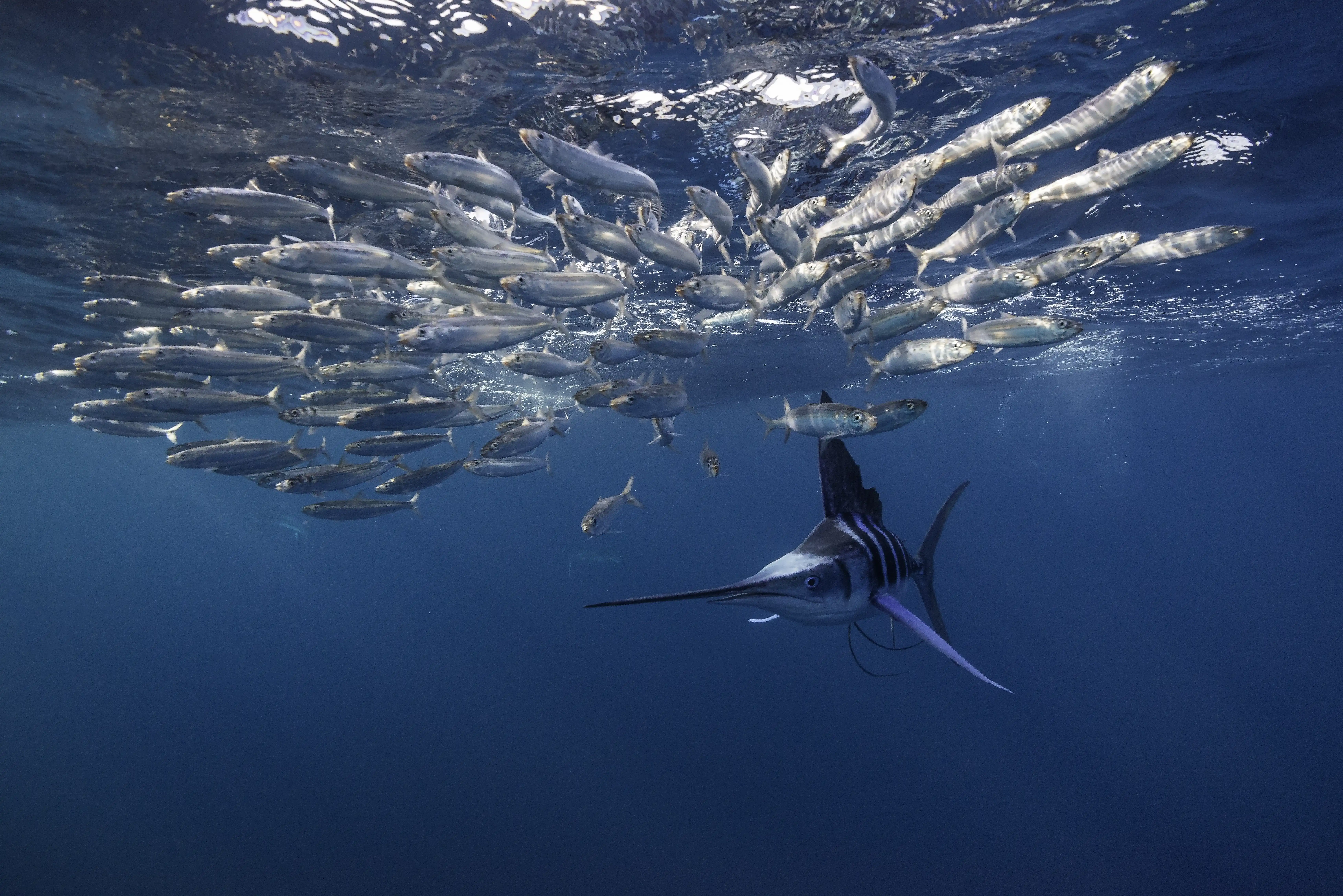
Our new research shows that protecting the biggest and often most fertile fish can make populations more resilient, leading to healthier oceans and more reliable catches for the people and communities that depend on them – whether it's for their living or their hobby.
Big fish are like a savings account for a fishery. They produce a lot of eggs and larvae, which act like interest on the original deposit.
As long as that ‘capital’ – the big, old fish – is left in the water, we can keep living off the interest. More young fish coming through, more fish to catch and eat and a more stable marine ecosystem.
But when we consistently target and remove the largest fish, be it through commercial-scale or recreational fishing, it’s like spending our savings.
Sciences & Technology
Man bites shark: How dangerous are humans to sharks?
We may get a short-term payoff in today’s catch, but it means we’re quietly draining away the buffer that helps fish populations survive hard times – like marine heatwaves and long-term ocean warming.
In a warming ocean, that’s a serious risk. Climate change is effectively the economic shock that hits just when the savings account is nearing empty, which could dramatically increase the chance of fish stocks crashing.
Fish today are being hit with a double whammy.
Many fish tend not to grow as big in warmer water. Higher temperatures may speed up metabolism and increase development rates, but they also can make it harder for fish to find enough food and oxygen.
The result is that adult fish in warmer conditions are often smaller and may produce fewer offspring.
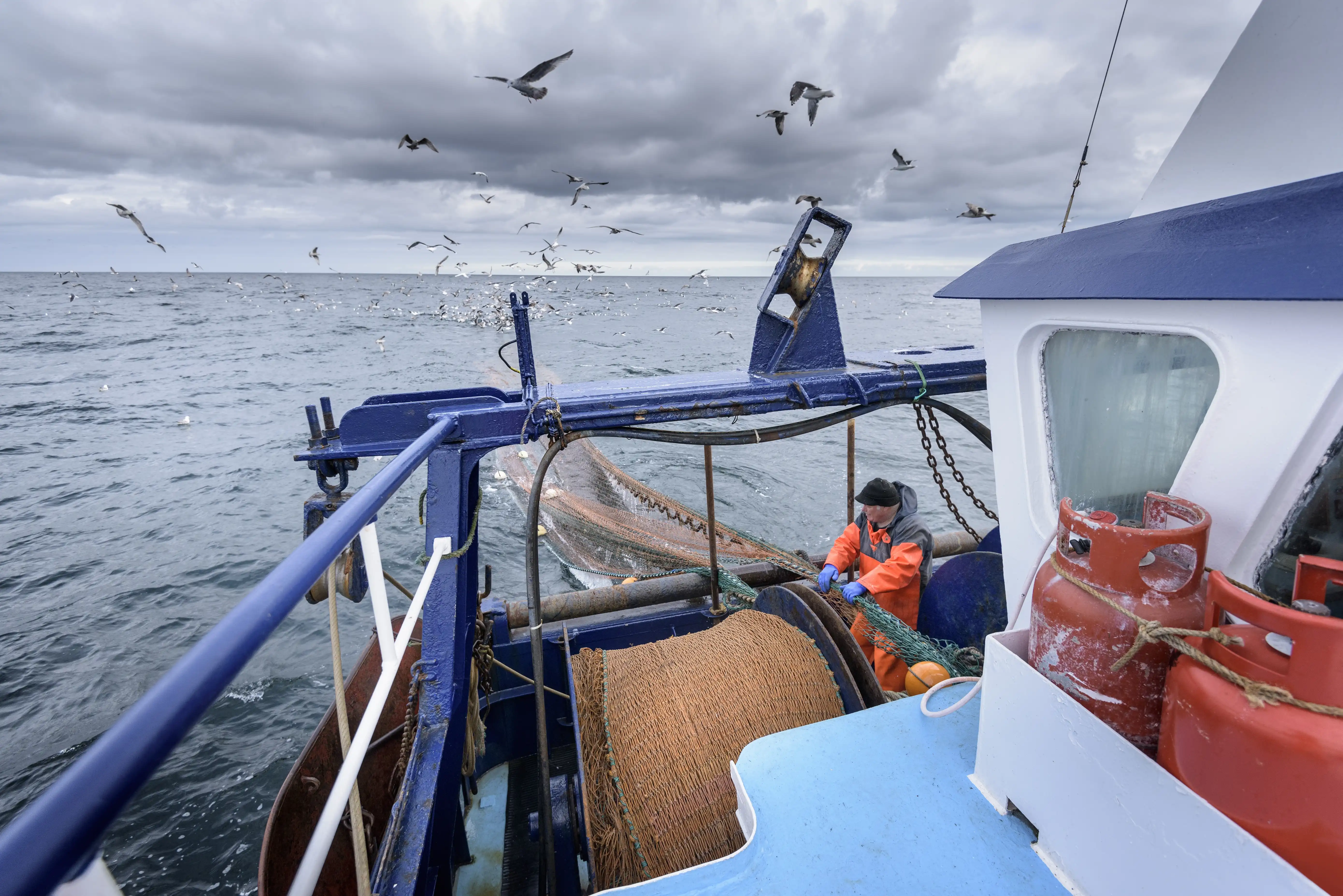
Our earlier research showed that fishing can add a second hit to the impacts of warmer waters.
When we repeatedly remove the largest fish from a population – which is how many commercial and recreational fisheries operate – we observed significant declines in production of baby fish to the next generation.
What we didn’t yet know was how these two forces – ocean warming and size-selective fishing – interact over multiple generations, and whether changing how we fish could soften the blow of climate change.
We also wanted to explore how both harvest and warming patterns might drive evolutionary change in key traits like body size, growth rates and age at maturity.
This evolutionary change is important.
Sciences & Technology
Human-driven evolution threatens fish stocks
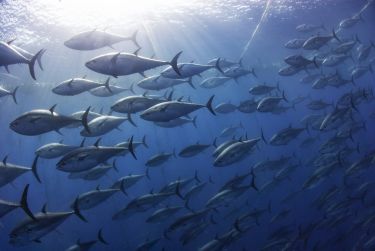
In farming, we leave the best and biggest animals to reproduce and contribute to the next generation. But in fishing, we do the opposite – we catch the biggest and fastest-growing fish, leaving the smallest to contribute their genes to the next generation.
Over time, this strategy can inadvertently lead to the breeding of small fish – a phenomenon repeated both in experiments and in the wild.
Our team studied fish populations over nine generations (approximately two years) in controlled laboratory conditions, combining different fishing methods with varying temperatures.
Some populations experienced warming, others stayed at cooler, more historical temperatures.
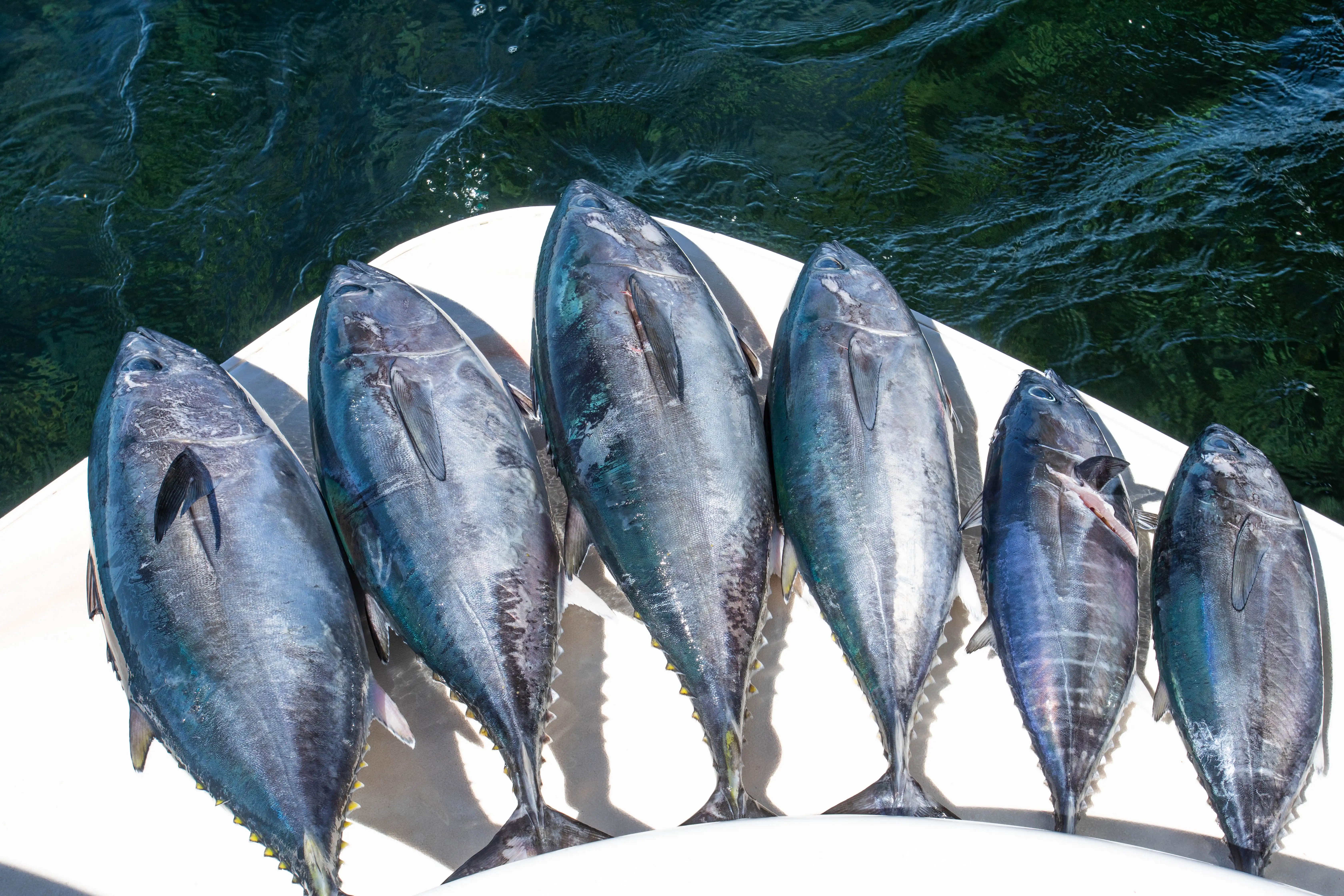
At the same time, we simulated different fishing strategies: in some, we repeatedly removed the largest fish, as happens in trawl fisheries and, historically, in recreational fisheries.
In others, we targeted medium-sized fish, which can occur in gillnet and some recreational fisheries with size limits, thereby protecting both the smallest and largest individuals.
In doing so, we were able to untangle three things at once: the immediate effects of warming on growth and body size, the direct effects of different fishing practices on populations, and, most importantly, the evolutionary responses in these traits that may accumulate over multiple generations.
The results are stark.
When the largest fish are constantly taken out under warming conditions, populations tend to evolve towards smaller adult sizes and lower overall productivity (a population’s capacity to produce biomass and regenerate itself quickly), compounding the negative effects of climate change.
Sciences & Technology
Cleaner air is (inadvertently) harming the Great Barrier Reef
Our fish stocks became more vulnerable, less predictable and more prone to collapse.
But when the largest, most fertile fish are left in the population, the story changes.
While warming still reduces growth, protecting big fish helps preserve the stock’s capacity to reproduce and adapt. In other words, how we fish can significantly soften some of the worst effects of ocean warming.
Most studies look at either climate change or fishing, not both together, and often only over one or two generations.
That misses the reality for wild fish, which are facing warming oceans and heavy fishing pressure at the same time, and evolving in response.
By following the combined impact over nine generations, our new study is the first to show that sustainable fishing practises are not just about how many fish we take, but which fish we take – and that this can either worsen or buffer the effects of climate change.
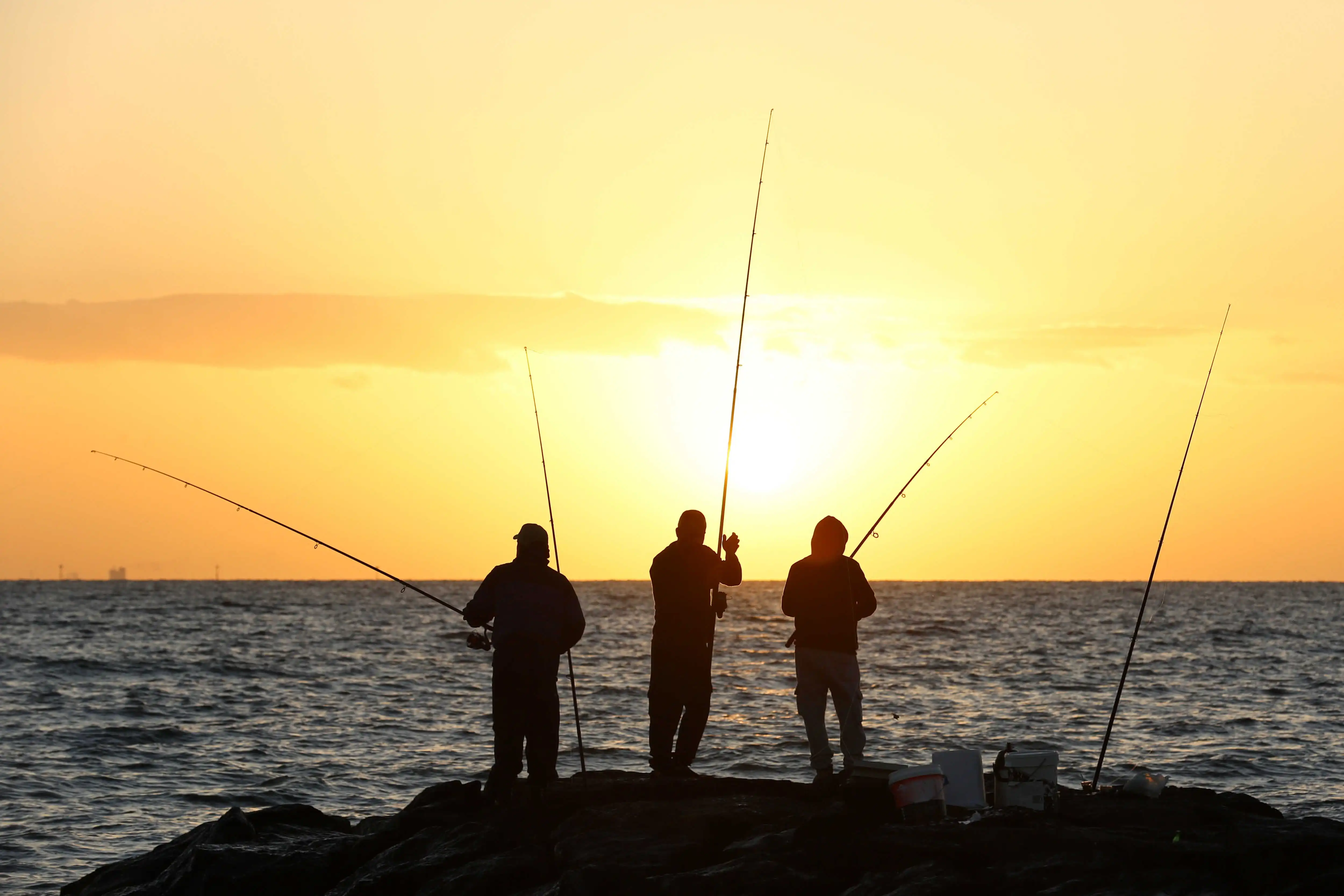
The good news is that this isn’t a story of inevitable decline. How we fish is something we can change.
As oceans continue to warm, we can adjust fishing methods and rules to preserve bigger, older fish within each stock – effectively keeping more money in the savings account so the population can keep generating interest.
Approaches like harvest slots, where both the smallest and the largest fish are protected (usually by fishing regulations), are one option that has already shown promise for commercial and recreational fisheries both in Australia and abroad.
We now want to test these kinds of strategies in the real world.
Sciences & Technology
Scientists have created a manifesto for our ocean
We're studying different harvest slots, different fishing methods and different species, under natural temperature swings and ocean conditions.
Working with commercial and recreational fishers, managers and communities will be crucial to find solutions that are both biologically effective and socially and economically acceptable.
Sustainable fishing is not only about protecting fish; it is also about protecting ecosystems, food security, jobs and culture in a changing climate – not just now, but for generations to come.