


How diverse is Australia’s publishing industry?
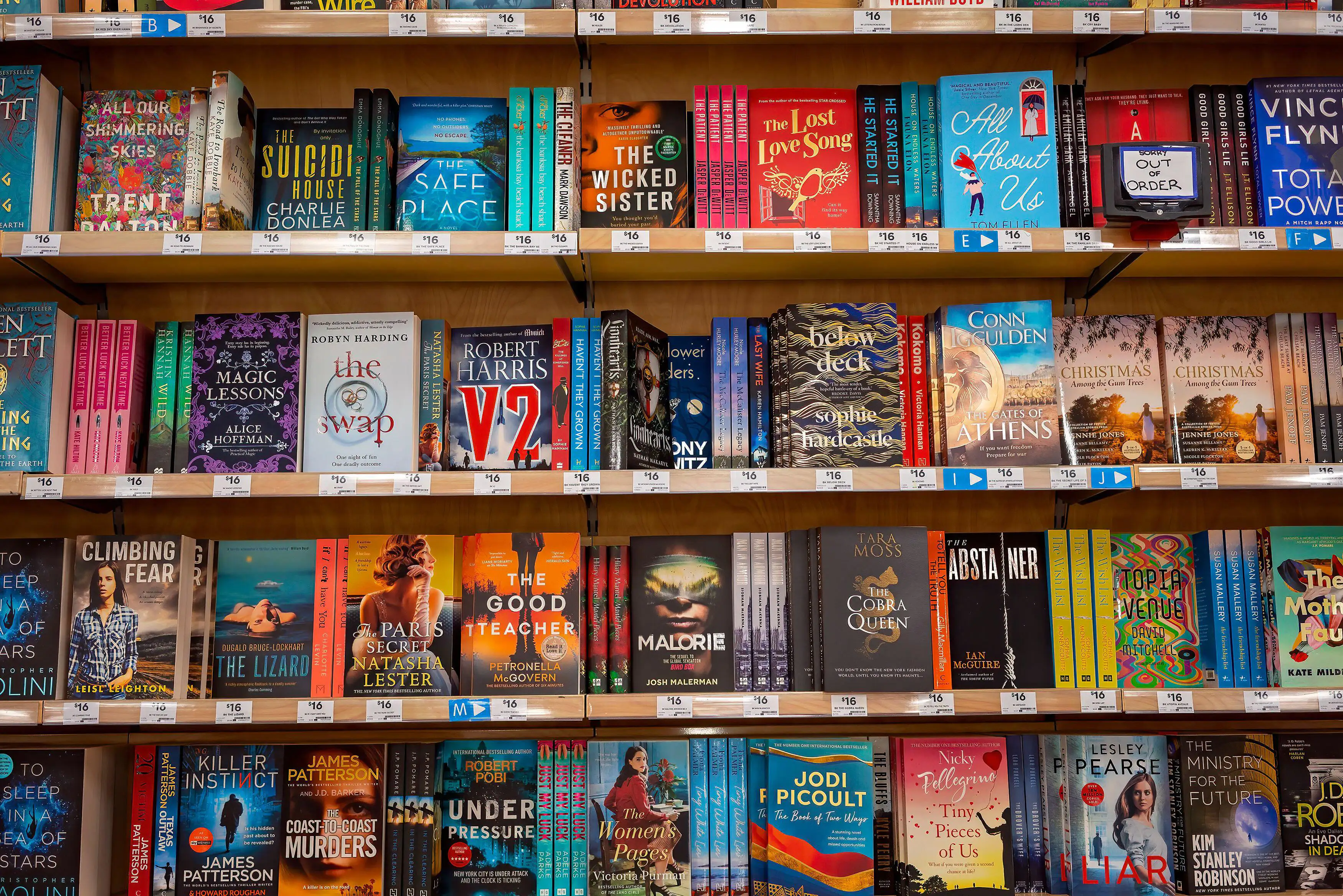
A new national survey finds publishing in Australia is more culturally diverse than it was in 2022. Class and geography, though, still decide who gets a seat at the table


Published 26 October 2026
Before a book ends up in a reader’s hands, it passes through many others. Editors, designers, publicists and sales teams all help decide what gets published and how it finds its audience.
Who those people are matters. It can shape which stories make it into print and which readers get to see themselves on the page.

Our new research shows Australia’s publishing industry is becoming more culturally diverse. But it remains largely middle-class and concentrated in Sydney and Melbourne, the country’s two biggest cities.
The 2026 Australian Publishing Industry Workforce Survey on Diversity and Inclusion shows small but meaningful change in key areas since the first survey four years ago.
Who works in Australian publishing now?
First Nations representation in publishing increased from less than one per cent in 2022 to 3.3 per cent in 2026. This is higher than the 2.2 per cent across the overall workforce, and close to parity with the 3.8 per cent of Australians who are First Nations people.
The representation of other cultures in the industry has also increased.
The share of respondents with an Asian cultural identity rose from 8.5 per cent in 2022 to 12.5 per cent.
Nearly a third of respondents (31.7 per cent) identified with a broad European cultural identity other than British, up from 10.5 per cent in 2022. That’s higher than the estimated 24.2 per cent of the Australian population.
The Australian publishing industry remains inclusive of people with diverse sexualities.
Almost a quarter of respondents (24.2 per cent) identify as LGBTQIA+, compared with around 16 per cent of UK publishing professionals.
Australian Bureau of Statistics (ABS) estimates suggest 4.5 per cent of Australians aged 16 and over are LGBTQIA+, although the 2026 census will provide more accurate data in the coming months.
The survey also revealed that more people within the LGBTQIA+ community feel able to be themselves at work.

In 2026, 88.6 per cent of LGBTQIA+ respondents were open or partially open about their sexuality at work, up from 79.7 per cent in 2022.
For the first time, the survey also asked about neurodivergence. Almost one in five respondents (19.6 per cent) identified as neurodivergent.
Where the gaps remain
Despite these positive signs, long-standing markers of privilege remain prominent across the industry.
More than 85 per cent of respondents had a university degree, compared with 34 per cent of Australians who hold an undergraduate degree. Nearly half (45.5 per cent) attended a private school, compared with around 30 per cent of the population.

The proportion of workers who come from backgrounds that could be described as lower middle-class or working-class rose slightly from 2022, to 35.1 per cent.
Geography matters too. More than three in four respondents (76.1 per cent) are based in metropolitan Melbourne or Sydney.
Women made up 83.3 per cent of respondents, although the proportion of men grows at more senior levels of the industry.
Just under one-third of respondents reported a long-term health condition or disability. Mental health remains a concern, with 36.9 per cent of respondents experiencing a mental health condition when they completed the survey.
This is in line with other data showing mental health conditions are common across Australia.

Tracking data to drive change
We carried out the survey in partnership with the Australian Publishers Association (APA), to see how the industry has changed since the first industry-wide survey in 2022.
Our survey collated responses from 774 people working in Australian publishing, across fiction and non-fiction, children’s books, as well as educational, academic titles and resources.
The APA, Institute of Professional Editors, Books + Publishing and Independent Publishers Network supported the survey’s design and/or distribution.
Tracking this data over time shows where initiatives to increase diversity can make the biggest difference. This matters, because increasing diversity is a key goal for the Australian publishing industry.

Why diversity in publishing matters
Diversity affects who is included and who feels like they belong. It also affects our cultural health.
A diverse industry is better placed to support the publishing of diverse authors and books. This means a wider range of authors can make a living from their work, and more readers get to see themselves represented in literature.
The ripple effects are felt in other cultural sectors too, as books are often adapted into films and TV shows.
The work of First Nations professionals is a particularly important part of Australia's publishing industry. As one of us, Professor Sandra Phillips, has written, Australia needs more Indigenous editors because publishing Indigenous work is complex and important.
She imagines a future “national literature overflowing with stories from Indigenous writers, storytellers, creatives and communities” that could reveal “a modern nation-state much more at ease with Indigenous voice.”
While representation of First Nations people increased in the 2026 survey, the small number means that ongoing efforts are needed to ensure the gains are real and sustained.
Taking steps toward increasing diversity
Our findings show encouraging progress across several measures of diversity and inclusion.
They also point to where targeted action could help, including more regional jobs and more pathways into publishing for people from lower middle-class and working-class backgrounds.
Repeating the survey in future years will help us keep tracking change and make sure progress holds.
The goal is a vibrant, diverse and inclusive industry that reflects the people who read its books.