Health & Medicine
The Melbourne that big ideas could shape


Melbourne is often called Australia's 'cultural capital'. But its real strength lies in stories 65,000 years in the making and every new one we add

Published 4 September 2026
We often talk in a broad sense of Melbourne being the ‘cultural capital’ of our nation. Based simply on metrics, that’s probably true.
But there’s a tremendous, untapped cultural depth that most of us are not even aware of: the histories of creative and cultural practices that have shaped this place for more than 65,000 years.
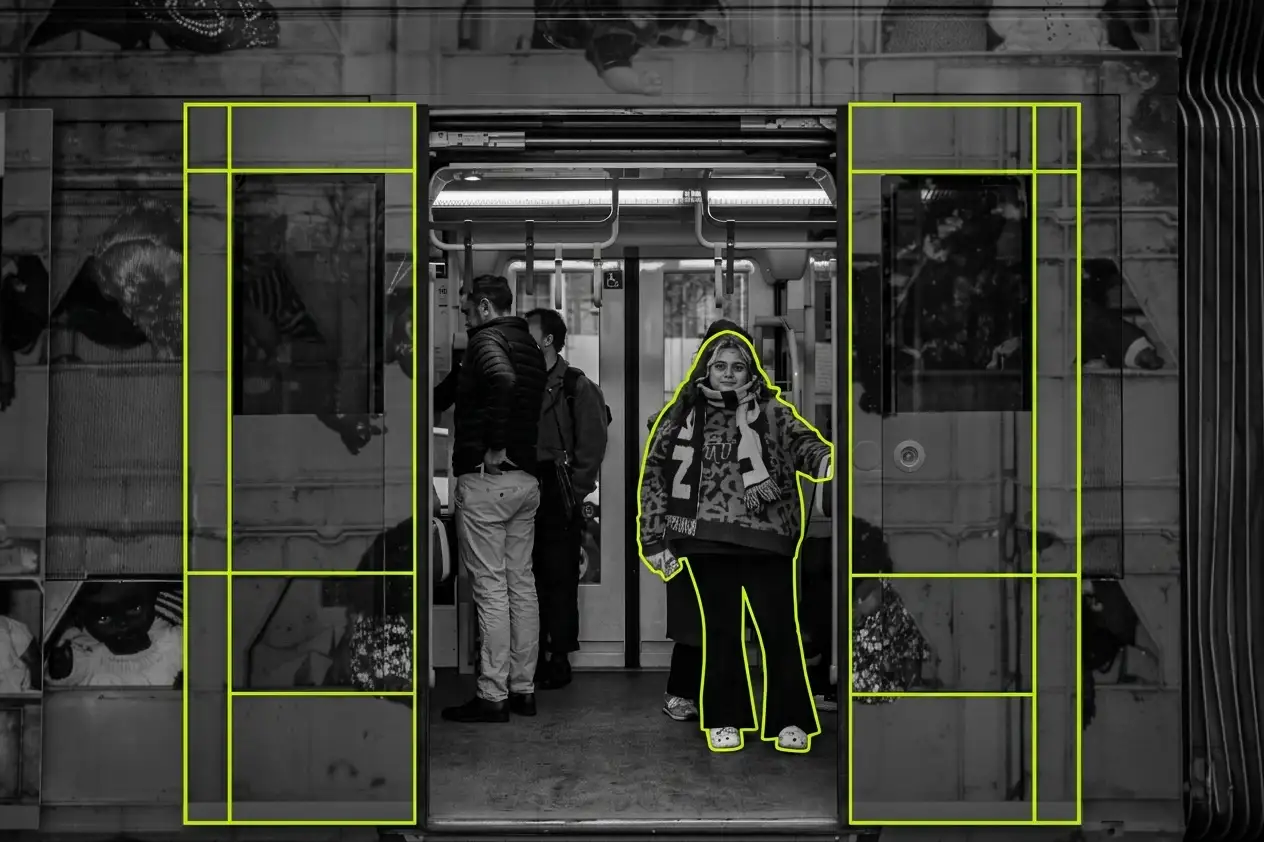
These are stories of First Peoples' strength, resilience and place-making, told through art, culture and sport.
It's here that people come together to hold a mirror to society and imagine the future we want to live in.
Much of the 20th-century fight for equality, for First Peoples and other marginalised groups, was waged in our art galleries and theatres.
When people's lives were constrained, their art stayed free, with some of the past century's fiercest activism playing out on Melbourne's stages.
In 1951, Melbourne's ‘city fathers’, the patriarchal civic leaders who shaped the governance and moral tone of the young city, made an extraordinary decision: there would be no Indigenous representation in Melbourne's centenary celebrations.
Health & Medicine
The Melbourne that big ideas could shape
The response was one of Australia’s most important acts of performative resistance.
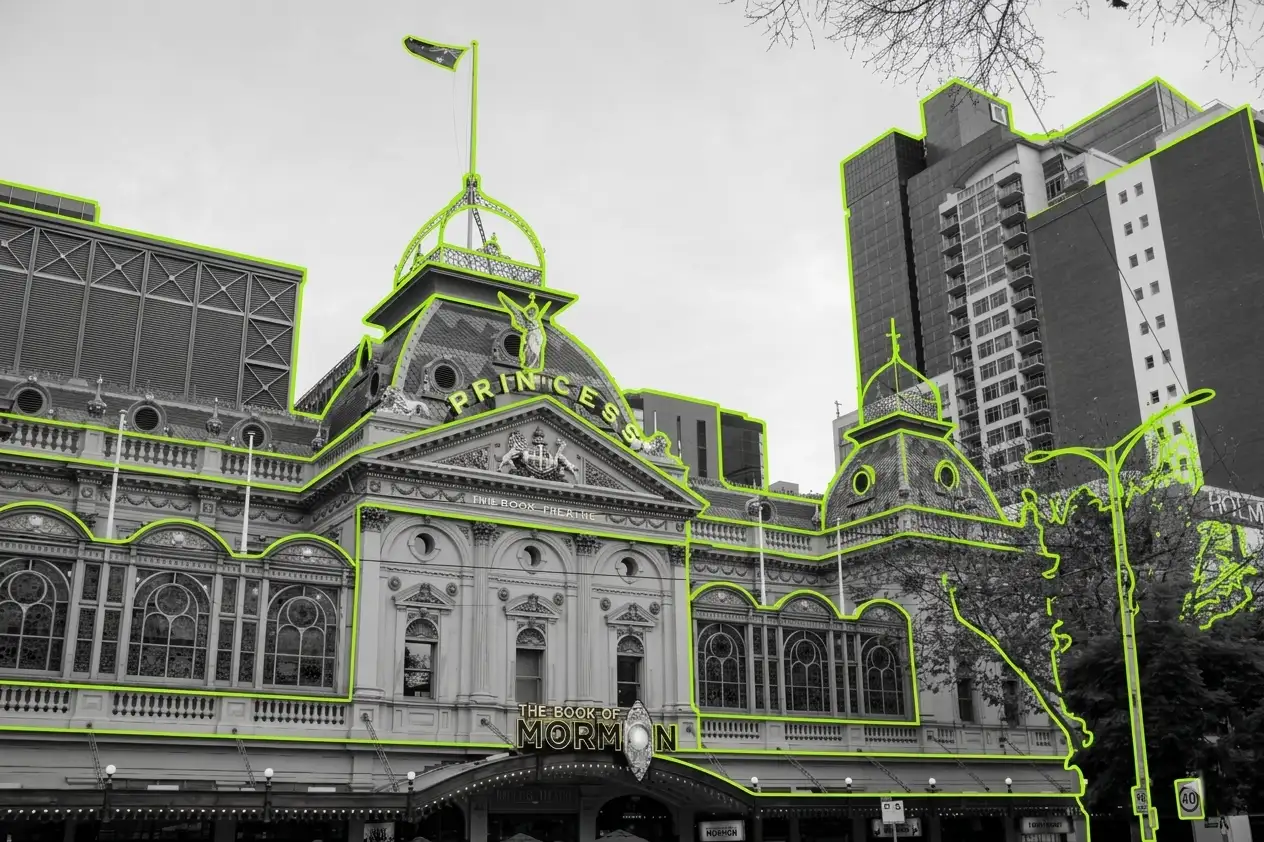
At the Princess Theatre, the then-Australian Aborigines League staged An Aboriginal Moomba: Out of the Dark, a highly successful sell-out production that received widespread critical and popular acclaim.
The production presented Indigenous communities in their strength, at a moment when the prevailing narrative, false but widely believed, held that Aboriginal people, stories and cultural practice were vanishing.
In many places, it was illegal for Aboriginal families to teach their children language or dance. But here it was, performed on stage before thousands who simply came for a show.
Stories of cultural resilience and ‘thrivance’ have run through Melbourne for a long time.
They're part of the city's collective spine. And we're poorer for missing them.
Melbourne's history as a cultural capital rests on it being a great melting pot, not in the assimilatory sense, but in how we revel in the beauty of difference.
And difference is what binds us.
Governments don't change the world. Neither does legislation. The world changes, Melbourne included, in theatres and galleries, in sporting arenas and communities.
Sport is a telling example.
There was a time when a marginalised person's prowess could become so undeniable on the field that society could no longer deny them anywhere else.
In art, culture and sport, there are great stories of strength that must keep thriving, and for which all of us can hold our heads high.
These stories have shaped the creative and cultural practices of Melbourne, and they're part of our own inheritance and identity.
All of us who live here are bound to this city, because we are here, and once we have been here, we can never not be here.
Melbourne's future has a real chance to strengthen itself: by acknowledging and celebrating its history, by rethinking how we educate ourselves and one another, and by shifting the narrative from 'they' and 'them' to 'we' and 'us'.
This will help shape what we want to do and be in the future.
As conversations turn more and more to social cohesion, we can look to a real strength: the diversity of Melbourne's community.
And Melbourne has an opportunity here that no other place in the country has, to genuinely imagine the sort of city we want to become.
Joining together in strength and celebration is far easier than picking through tensions.
Narm/Melbourne has always been a cultural centre within our continent, and we can lean hard into that and keep growing.
We can reshape how we engage with place, treat the stories of Melbourne as part of who we are, and take pride in every new story added to it.
We can celebrate our differences and hunger to know more. We can put real weight behind creating places where people come together.
The Indian Film Festival of Melbourne is one model worth learning from: it invites our broader community together and shares the strength and vitality of an extraordinary diaspora of cultures that continue to thrive on these Kulin lands.
The effect is remarkable, with amazing impact.
These spaces of cultural and community thrivance create places of coming together, and while we still sometimes seem to put arts and culture away, behind doors, inside nice buildings with white walls, events like this make the arts accessible.
Stories are represented in the landscape, so we can engage with them, and the better off we become.
As a practising artist, filmmaker and theatre-maker, I struggle with the way we place art and cultural practice in spaces that aren't always seen as safe or open to everyone.
We need to break down some of those cultural hierarchies – this is something sport in our city does well. There's a broad belief that sport is for everyone, and art and cultural practice can learn from that.
The more we see art and culture as part of who we are, and the more we can reach and take part in them, the stronger we'll be, as a city and a community.
Dr Tiriki Onus is speaking at the Melbourne Assembly, a three-day public forum on the future of the city hosted by The Age and the University of Melbourne at Fed Square, from 19 to 21 October 2026. For tickets, visit the Melbourne Assembly website.