Arts & Culture
Bringing a living archive to life


When a Samoan ethnomusicologist visited Melbourne's Grainger Museum as a music student, she found objects her community had no idea were there. Now she's changing that


Published 18 May 2026
In the storerooms of the Grainger Museum at the University of Melbourne sits a tatanua mask.
It is a sacred object, traditionally used in malagan – the funerary ceremonies practised in New Ireland, Papua New Guinea. At the conclusion of these rites, it would ordinarily be carried into the forest and left there to decay.
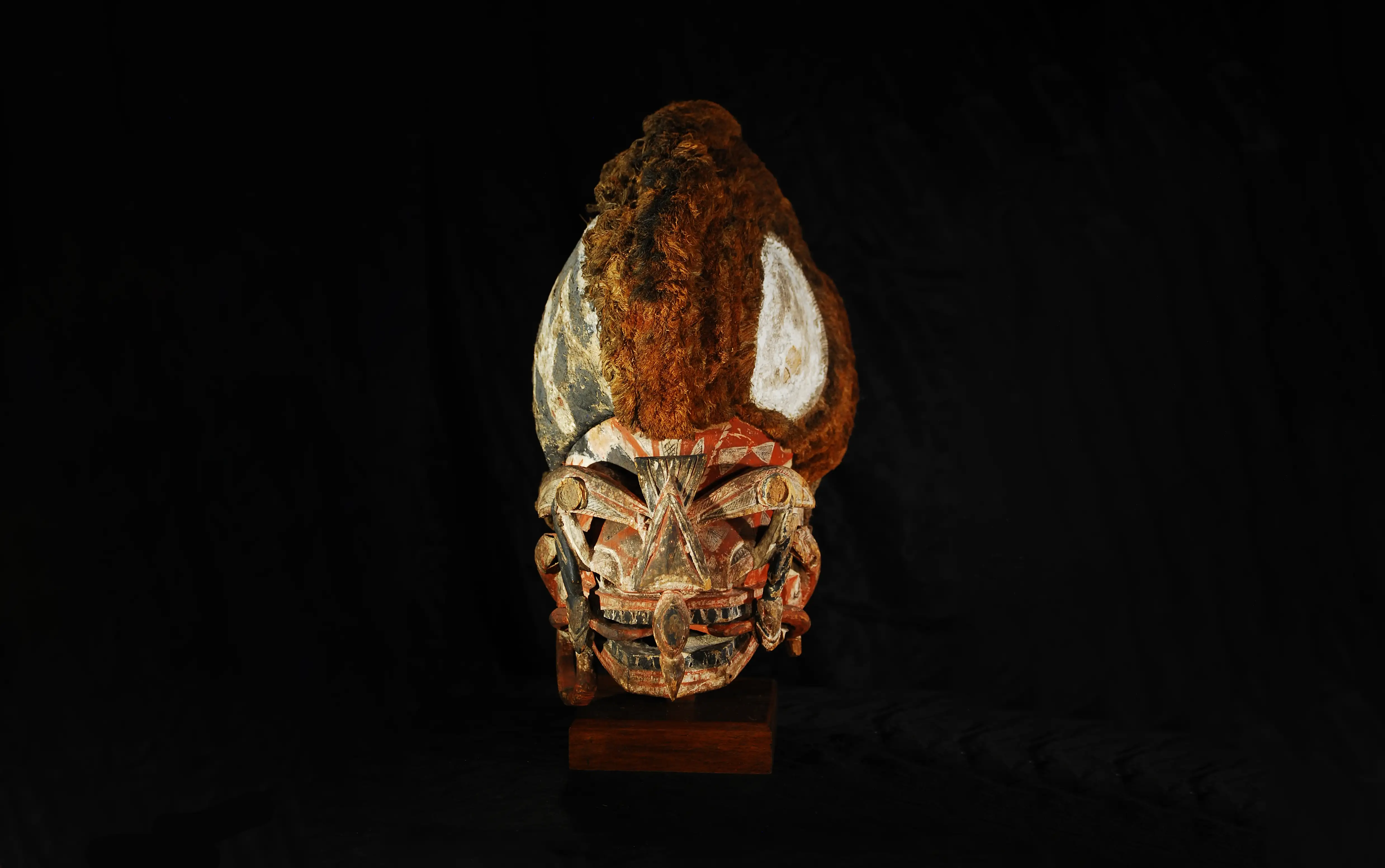
Many were not. Instead, European colonists and missionaries ‘found’ them and the masks made their way into collections and institutions across the world.
This one is in the Grainger Museum, an autobiographical museum established by an Australian composer, pianist and all-round eccentric who toured the Pacific a century ago.
As a music student in 2012, Dr Rita Seumanutafa-Palala, now a Samoan community leader, ethnomusicologist and cultural arts practitioner, first visited the Grainger Museum.
She wasn’t expecting to find much that related to her. Instead, she found so many objects from her Pasifika community.
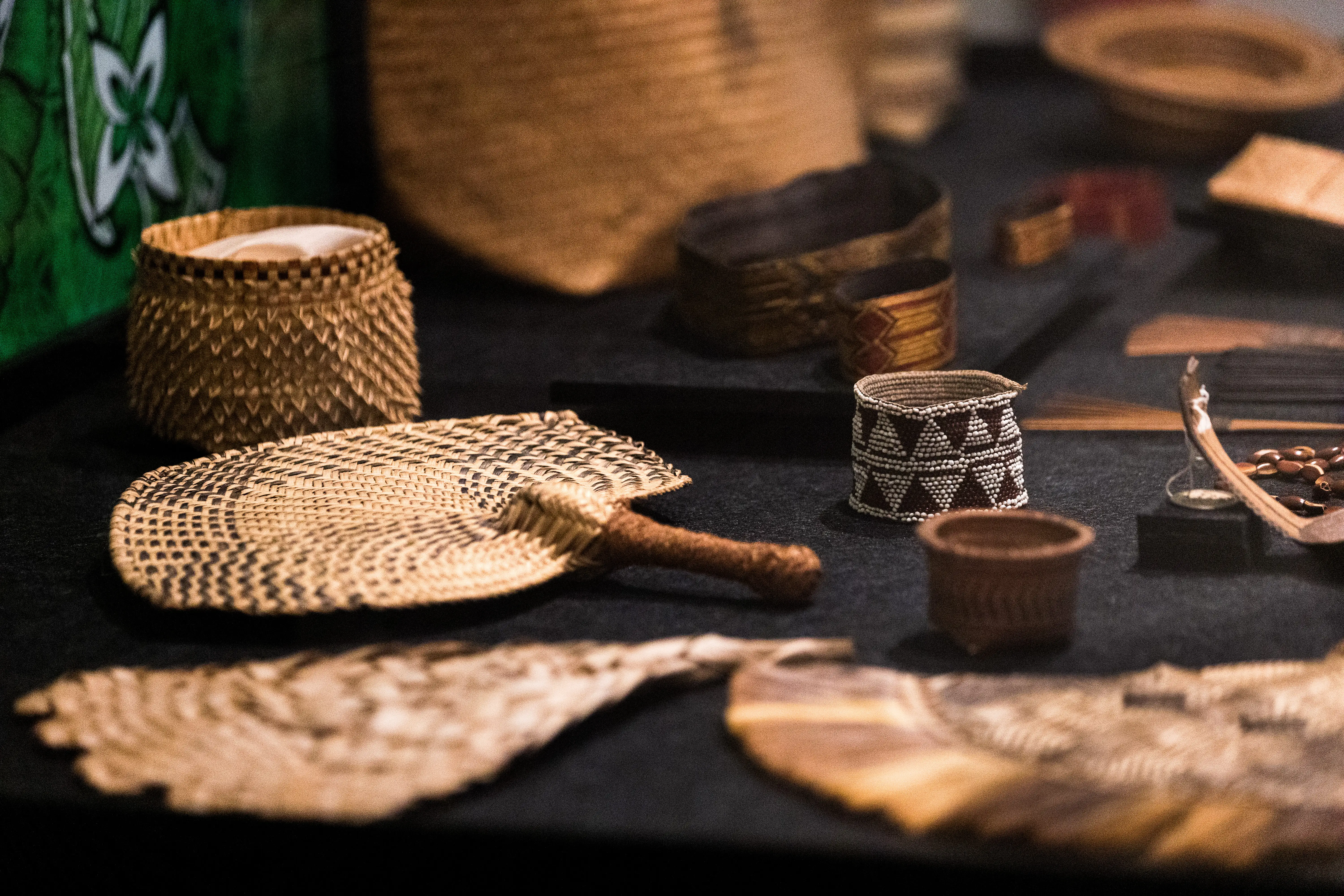
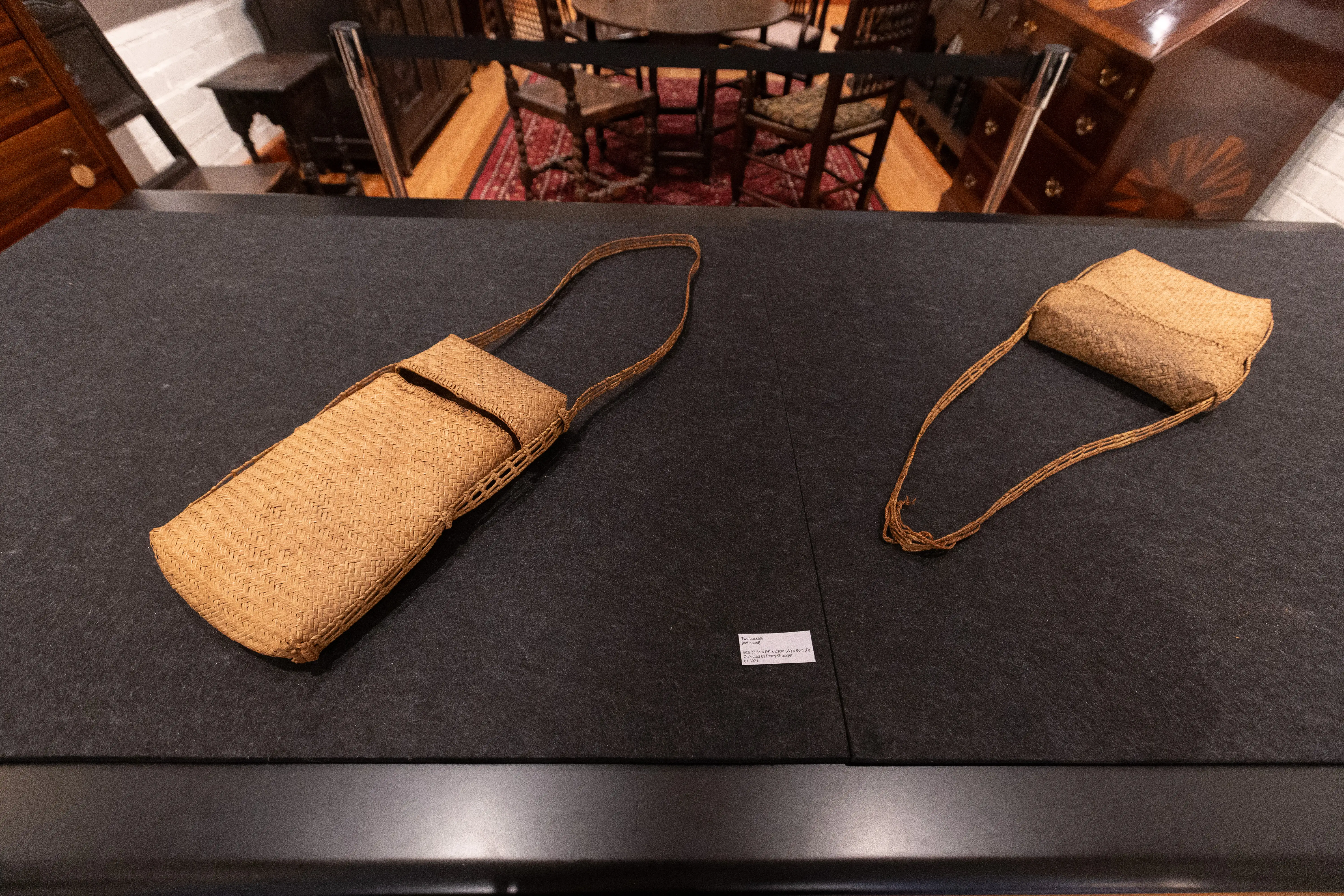
Woven fans, baskets and mats. A kava spoon, ear sticks, combs, necklaces, armbands and belts. Objects from Niue, from Papua New Guinea, from Guadalcanal and Malaita in the Solomon Islands.
Arts & Culture
Bringing a living archive to life
A collection of Pasifika material that had been sitting in the museum for decades, largely detached from any cultural knowledge.
That discovery prompted what is now the Pasifika at Grainger research project, which Rita leads in partnership with the Museum. Its purpose is to reconnect these objects with their communities and return cultural knowledge to the Museum's documentation.
Percy Grainger (1882–1961) established the museum in the 1930s, dedicating it to documenting his life and times.
Its vast collection includes his musical compositions, instruments, and writings, as well as everyday objects like clothing and furniture, and art and artefacts collected during his extensive travels as a touring musician.
He had a genuine fascination with Pasifika culture: he learnt some Māori as a child, toured Aotearoa multiple times in the early twentieth century and visited the Cook Islands in 1924, where he heard recordings of Rarotongan part singing that captivated him.
He collected the objects that now form the museum's Pasifika collections on these trips, and from curio dealers along the east coast of Australia.
What he did not collect, with any consistency, was context. His documentation rarely records more than the broadest provenance – 'South-West Pacific', 'Oceania' – and offers almost nothing about an object's name, function, construction or meaning.
While researchers and curators have studied these items since the 1970s, it was without the cultural knowledge that would make them fully legible.
Rita's project, Pasifika at Grainger, sets out to restore cultural context to these objects.
Her research methodology begins with comparative analysis, drawing on her experience of Pacific collections at Museums Victoria and the Australian Museum to identify parallels and potential leads.
Arts & Culture
How data expertise is fostering endangered languages
From there, she works outward through diasporic networks, reaching out to elders who are willing to share knowledge from their position as cultural knowledge holders, something that cannot be done from an archive alone.
These networks are powerful. Through Dr Irene Paulsen – a Solomon Islander elder and academic based at the University – Rita has been able to add traditional names and information about construction methods to the Museum's records, offered directly in the community's own voice.
Knowledge that would have been inaccessible to a lone researcher is unlocked through the generosity of people who understand what is at stake.
While most Pasifika items in the Grainger collection are everyday, others hold ceremonial significance and power – like the tatanua mask.
On advice from Steven Gagau – a University of Sydney archivist, Tolai elder from New Britain Island and community leader – Rita recommended to the Museum that the mask remain in the collection, available for research and community access, but not placed on public display until more directly connected cultural knowledge holders can be consulted.
It is a careful, considered response to the balancing act facing archives and collections of Indigenous cultural objects – objects collected from their contexts through colonial encounters, now held in an institution that wants to do the right thing, but is still working out what that means.
The Pasifika at Grainger project, Rita believes, helps community connect and reconnect with Pasifika culture – particularly for those living and raising families in Australia, away from their homeland.
But the difficulty doesn't dissolve. There is also an overwhelming sense of loss, of saying goodbye to the collection, of objects that belong to a living culture sitting in storage.
It is that tension – between access and distance, between presence and loss – that makes the final part of the project the most important: sharing these materials with the wider community.

Arts & Culture
Exploring our hidden cultural treasures
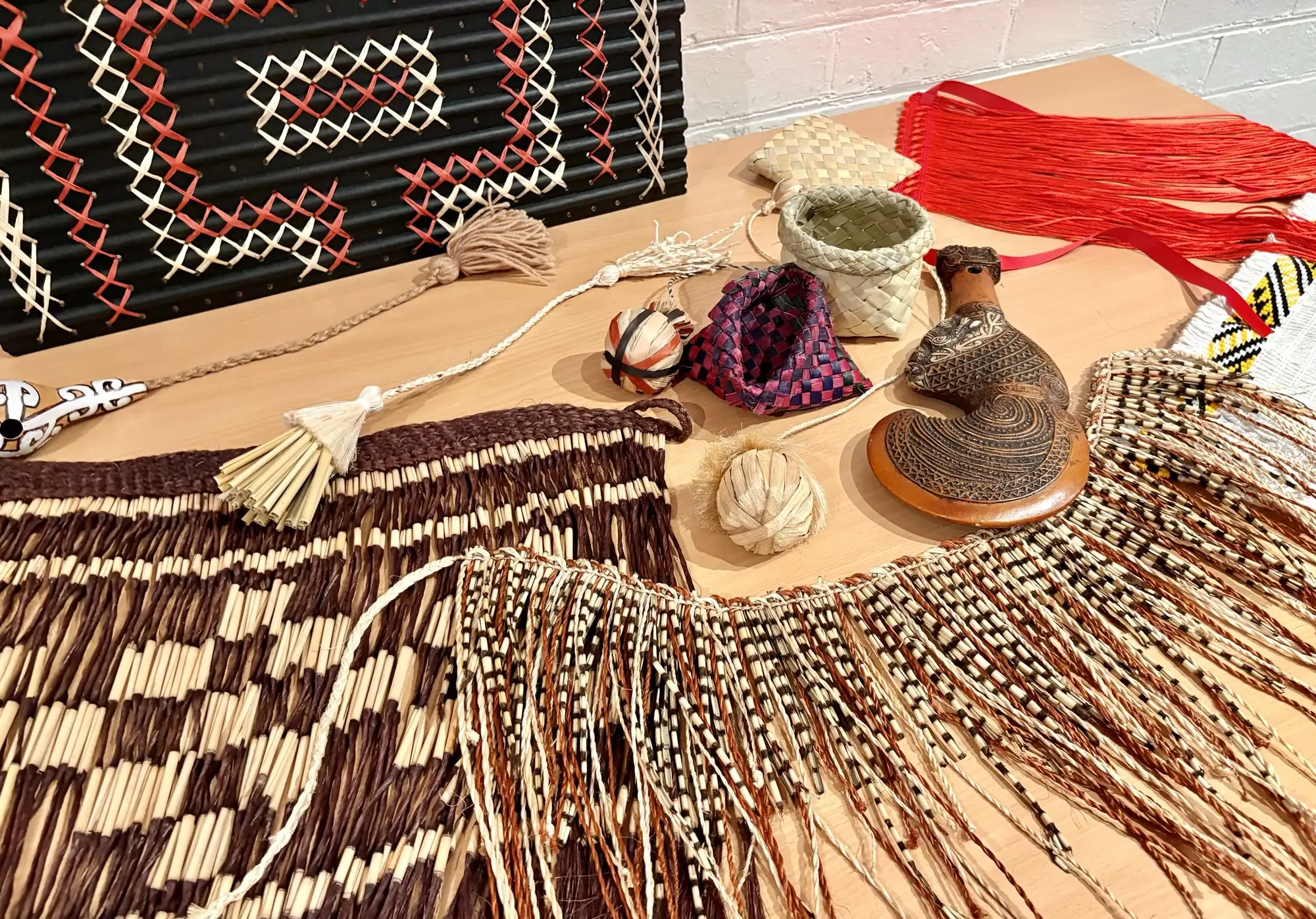
Pasifika at Grainger supports a series of events at the museum: weaving workshops led by Vicki Kinai (Papua New Guinea), Veisinia Tonga (Tonga) and Tane Te Manu Tawhairiri (Aotearoa), who demonstrate and teach their practice in direct dialogue with the woven items in the collection; a performance by the Pasefika Vitoria Choir; and a symposium exploring the connections between music and Pacific archives.
And for Rita, the program is about more than events. It is about transforming the role of archival collections – making them living resources for the communities whose cultures they hold.