


How rocket launches could threaten Australia’s coastal wildlife
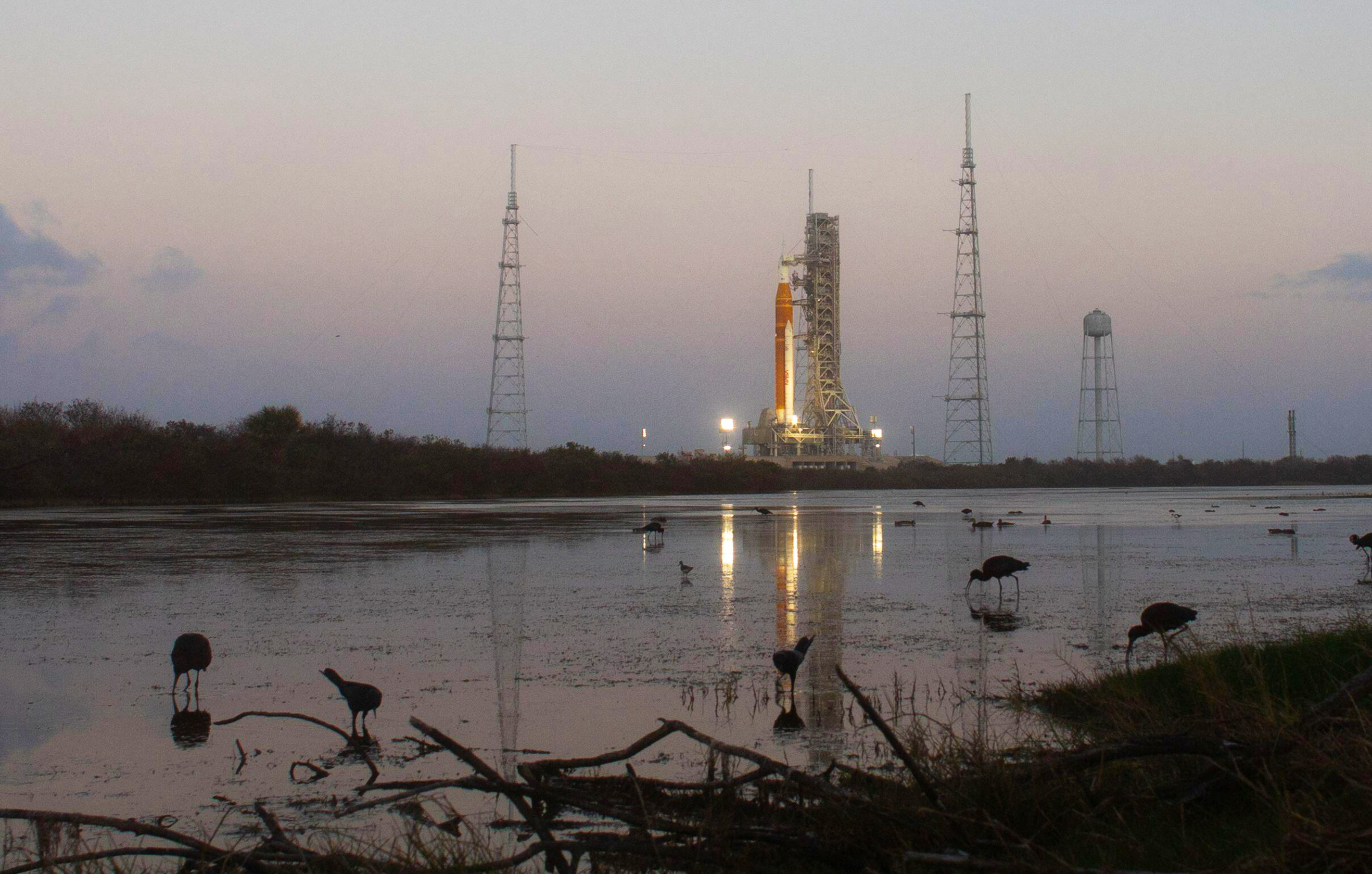
Blast waves, acoustic trauma and sonic booms pose serious, underexamined risks to the threatened species living near proposed launch sites like South Australia's Whalers Way

Published 7 July 2026
Space and rockets have been big news of late, from the successful Artemis 2 mission in April to the recent listing of SpaceX on the Nasdaq stock exchange.
Globally, the number of rocket launches is increasing by 20 to 25 per cent each year. Here in Australia, private aerospace company, Southern Launch, is expanding its space ambitions.
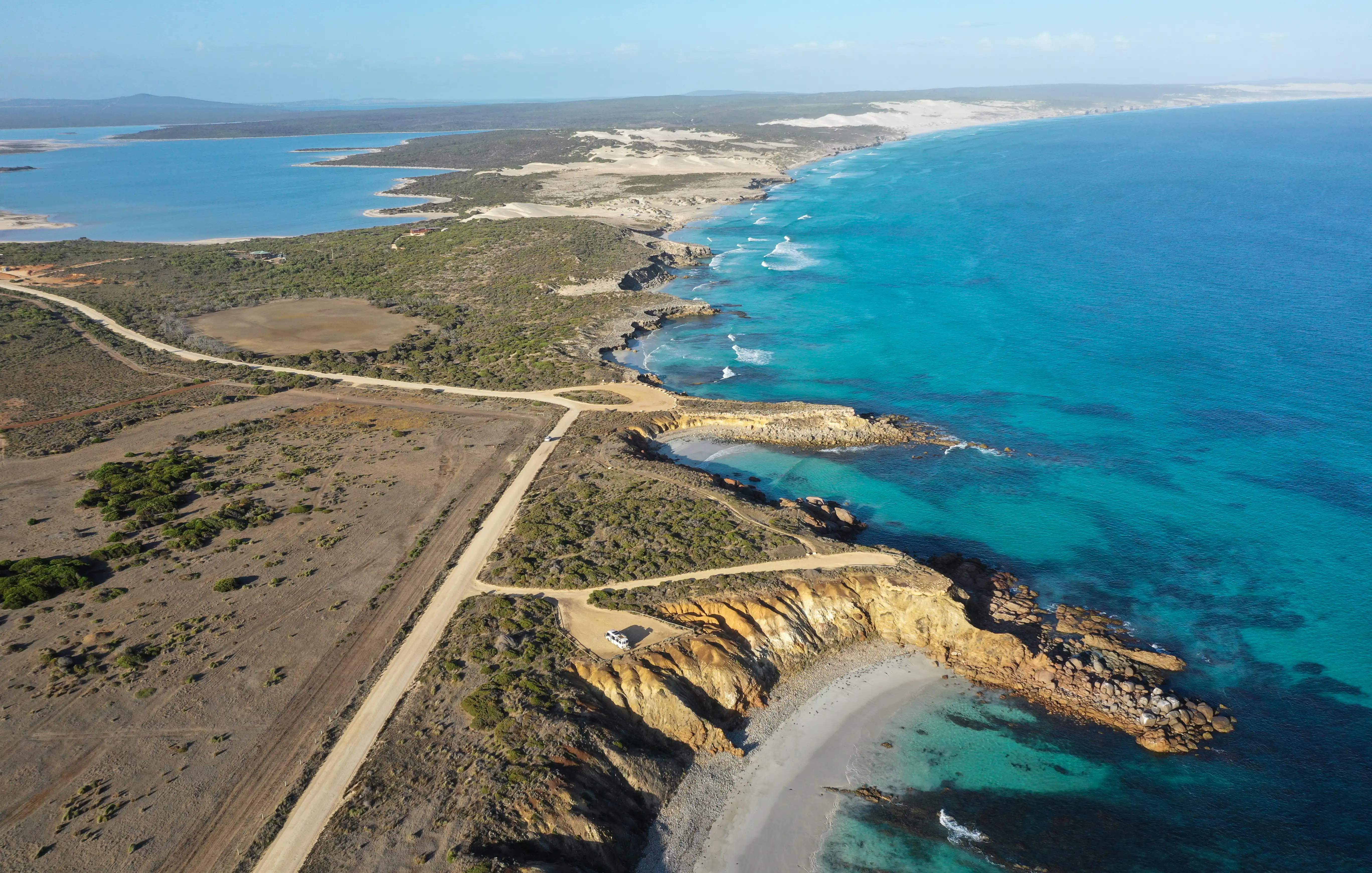
The company is planning a new rocket-launch facility at Whalers Way, on the southern tip of the Eyre Peninsula in South Australia.
However, the race to space could have significant negative impacts on wildlife.
Collateral habitats
Rocket-launch facilities are typically built in coastal or desert areas away from human populations, to protect people from excess noise, falling debris and uncontrolled explosions associated with failed launches.
But moving launches into Australia’s natural areas potentially threatens biological-conservation efforts.
A recent study found that more than 60 per cent of the world’s rocket-launch facilities are located in or close to nature reserves that are often home to threatened ecosystems, threatened species or both.
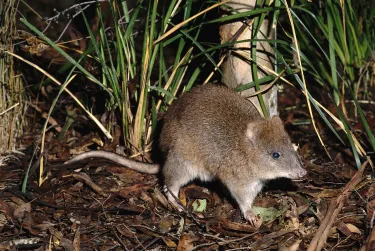
Whalers Way is a privately owned coastal area that supports critical habitat for two endangered birds – the Eyre Peninsula Southern Emu-wren and the Mallee Whipbird.
The beaches of Whalers Way and nearby Liguanea Island also provide habitat for the endangered, endemic Australian sea-lion.
Despite this, the project to construct and operate a rocket-launch facility at Whalers Way has received approval under the federal Environment Protection and Biodiversity Conservation Act 1999 (EPBC Act) and South Australian legislation.
And it means the site could launch up to 42 rockets each year.
The roar of a rocket
So, how might a rocket launch affect nearby wildlife? The most obvious impact is from the noise – rockets are loud.
To generate sufficient energy to launch a heavy rocket and its payload into space, thousands of tons of propellent are ignited in a controlled explosion.
The acoustics of a rocket launch can be complex, so I will focus here on three main phases: the blast wave, the sound wave and the sonic boom.
The blast wave
The blast wave of an explosion travels at supersonic speed and is characterised by a sudden increase in air pressure (referred to as overpressure) followed by a drop.
The blast wave arrives at a receiver – like a person, a bird or a sea-lion – before the audible sound wave. The changes in air pressure can cause traumatic injury to brains, lungs and other air-filled organs.
This is known as primary blast injury.
Sciences & Technology
How do we protect our unique biodiversity from megafires?
There’s growing evidence of blast-induced neurotrauma in humans and other animals, with many studies using mice and rats to establish how blast waves affect brain function and psychological health.
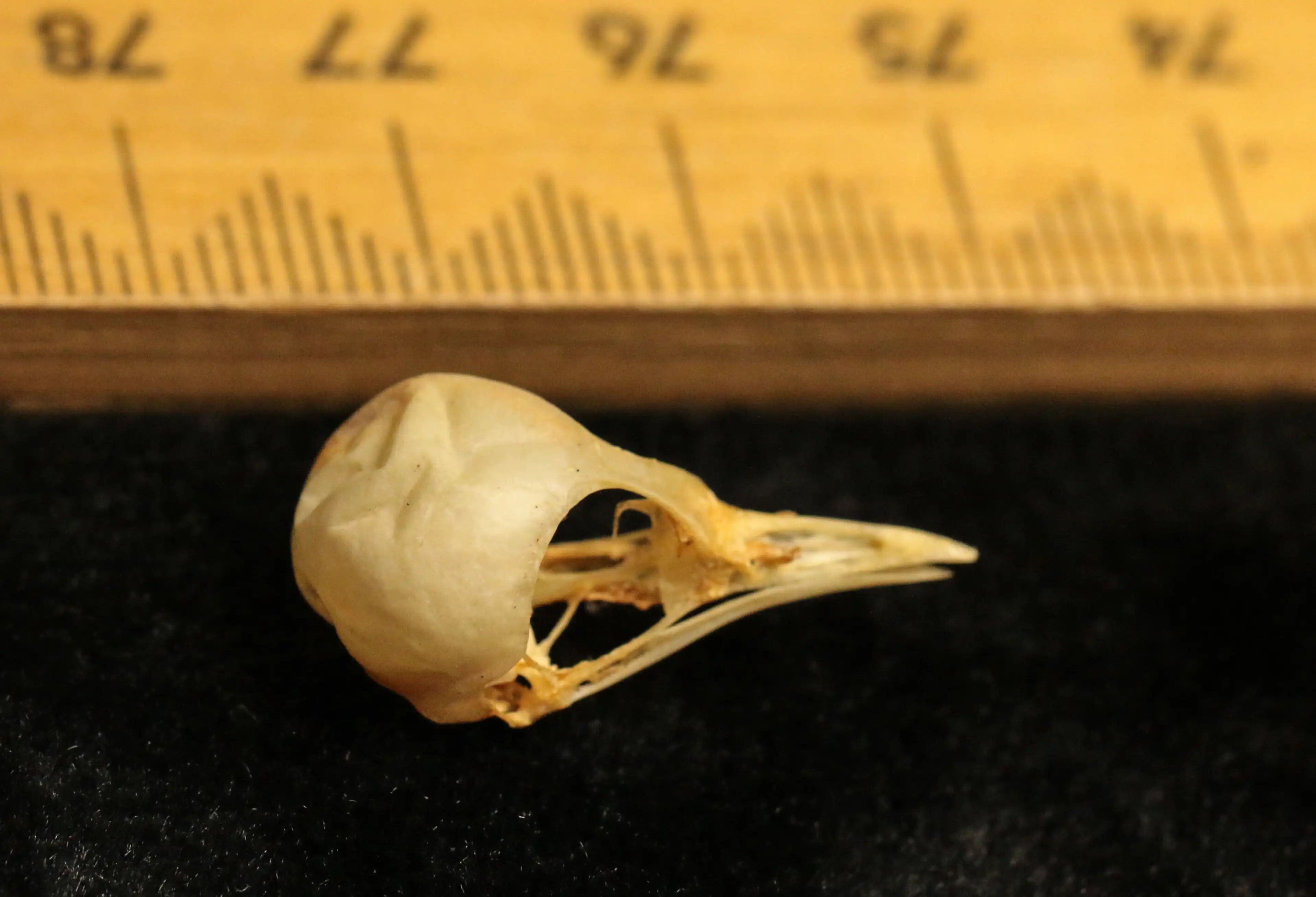
But what happens when the blast wave from a rocket launch meets a southern emu-wren: one of Australia’s smallest birds, weighing in at only seven grams?
An emu-wren skull is tiny and fragile, weighing only 0.1 grams.
Existing information indicates that a southern emu-wren’s brain would be more vulnerable to blast trauma than that of a rat or mouse.
With launches approved to occur almost weekly outside the summer fire season, emu-wrens and other animals in the area could be exposed to repeated blast waves – a known risk for neurotrauma.
Making sense of decibels
Sound is measured in decibels (dB), on a logarithmic scale, which means small-looking increases in dB actually represent big jumps in loudness. Every 3 dB is a doubling; every 10 dB is a ten-fold increase.
So a sound at 140 dB – the point where humans feel pain – is 100 times louder than one at 120 dB, even though the numbers look close.
You'll often see loudness written as dB(A). This 'A-weighting' tweaks the measurement to reflect what human ears actually pick up, tuning out very low and very high frequencies we don't hear well.
The difference can be large: at the 2022 Artemis 1 launch, the same sound measured 128 dB unweighted but only 105.6 dB(A) at a spot five kilometres away – because much of its energy sat at a low 20 Hz, below where our hearing is sharp.
That gap matters for wildlife. A-weighting works reasonably well for birds, whose hearing is broadly similar to ours.
But it understates the real energy in a sound – and for impacts like physical trauma, damaged eggs and nests, stress and changes in behaviour, the fuller, unweighted measurement is the one that counts.
The sound wave
Powerful sound waves like those associated with a rocket launch can cause acoustic trauma – damage to the ears – even in the absence of a blast wave and can result in temporary or permanent hearing loss.
This risk received the most attention in the EPBC Act Preliminary Documentation for the Whalers Way Orbital Launch Facility.
It concluded that sound levels would not be high enough to cause permanent hearing loss in the local sea-lions or birds (something called a permanent threshold shift). For the birds, this drew on guidelines from a technical report on road-traffic noise for California.
But, if we delve further into the science, there are two things of interest here.
The first is that while some birds can regrow damaged hair cells in their inner ear and regain their hearing after acoustic trauma, this ability varies between species.
The second is that for those birds that do regain their hearing, it typically takes 20 to 30 days.
So, even if the local birds do regain their hearing, repeated rocket launches at shorter intervals would not allow recovery from the impact of previous launches, potentially leading to permanent hearing loss.
We know that many social animals rely on sound and hearing.
In the case of birds, adults sing to attract a mate and maintain a pair-bond, nestlings call to beg for food and many species have distinct calls to warn of the danger of nearby predators.
Damaged hearing or acoustic interference (also known as masking) from blast noise would disrupt these social processes and expose birds to an increased risk from predators.
Beyond hearing and hearing loss, studies on other sources of human-generated noise show that the high-intensity sound of rocket launches could also lead to physiological stress, DNA damage, emigration from nesting habitat, nest abandonment, and reduced breeding success.
The sonic boom
A sonic boom is an intense sound heard at ground level when an object reaches supersonic speeds. It’s been likened by many to a clap of thunder.
A sonic boom occurs on rocket ascent, as well as upon re-entry for reusable rockets including the Falcon 9 in the SpaceX fleet.
The amplitude of a sonic boom varies with the direction of a rocket’s travel and the ambient weather conditions.
In Ventura County, California, sonic booms from the Falcon-9 launches at Vandenberg Space Force Base – more than 50 kilometres away – were recently measured at an average of 119 dB SPL, peaking at 133 dB SPL.
This is like standing with your ear next to a jackhammer.
These numbers challenge reassurances that the sonic booms of rockets launched at Whalers Way will not exceed a maximum overpressure of 133 dB on land – a claim that rests on the rockets being three kilometres away before reaching supersonic speed.
Wildlife deserves better
The field of acoustics is playing catch-up with the new reality of regular rocket launches and what they may mean for the sound environment experienced by both people and wildlife.
It is clear that noise guidelines built around sources like road traffic simply don't translate to the explosive acoustics of a rocket launch.
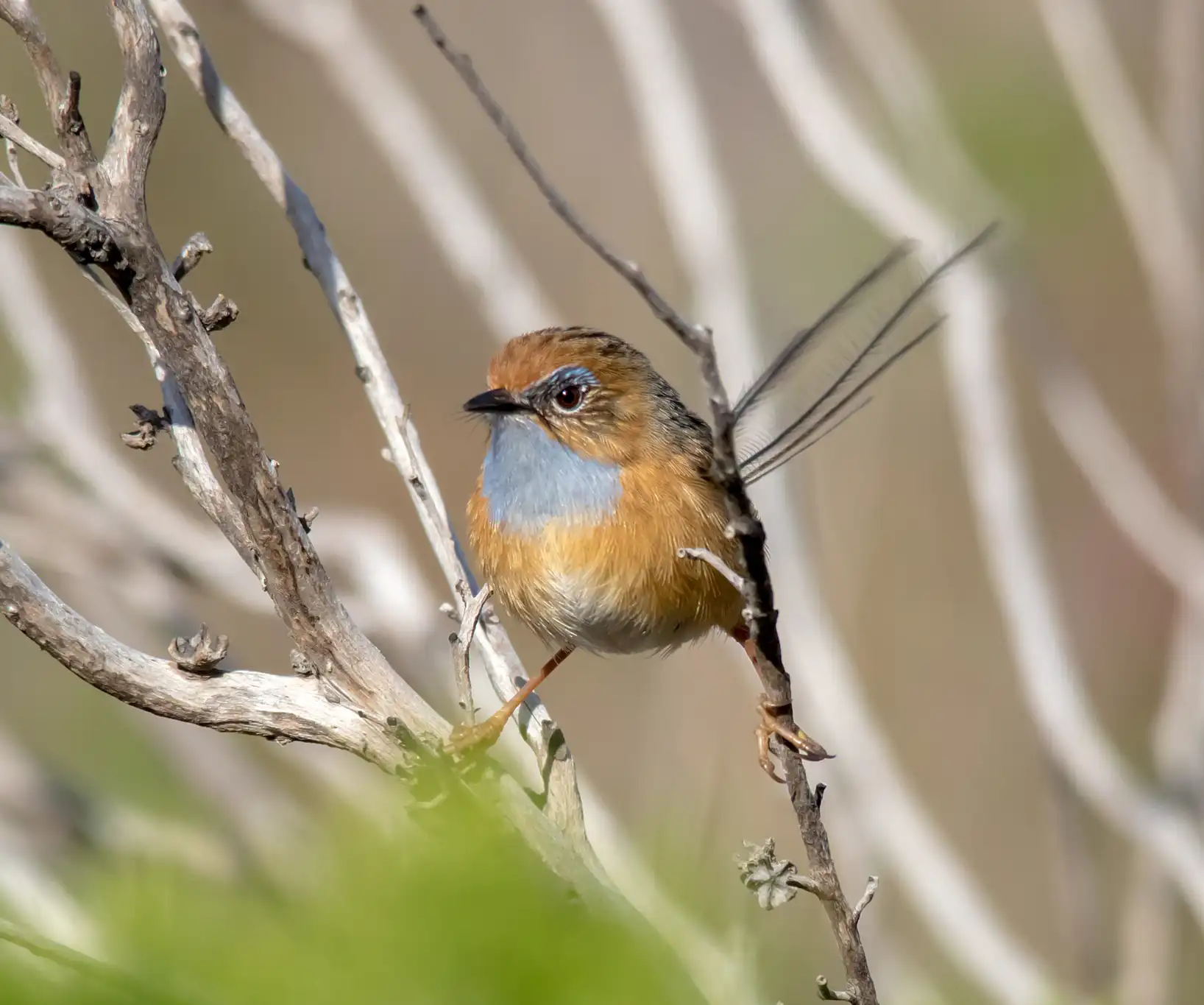 The Southern Emu-wren is threatened with extinction, mainly due to loss of its habitat. Picture: Andrew Allen CC BY 4.0
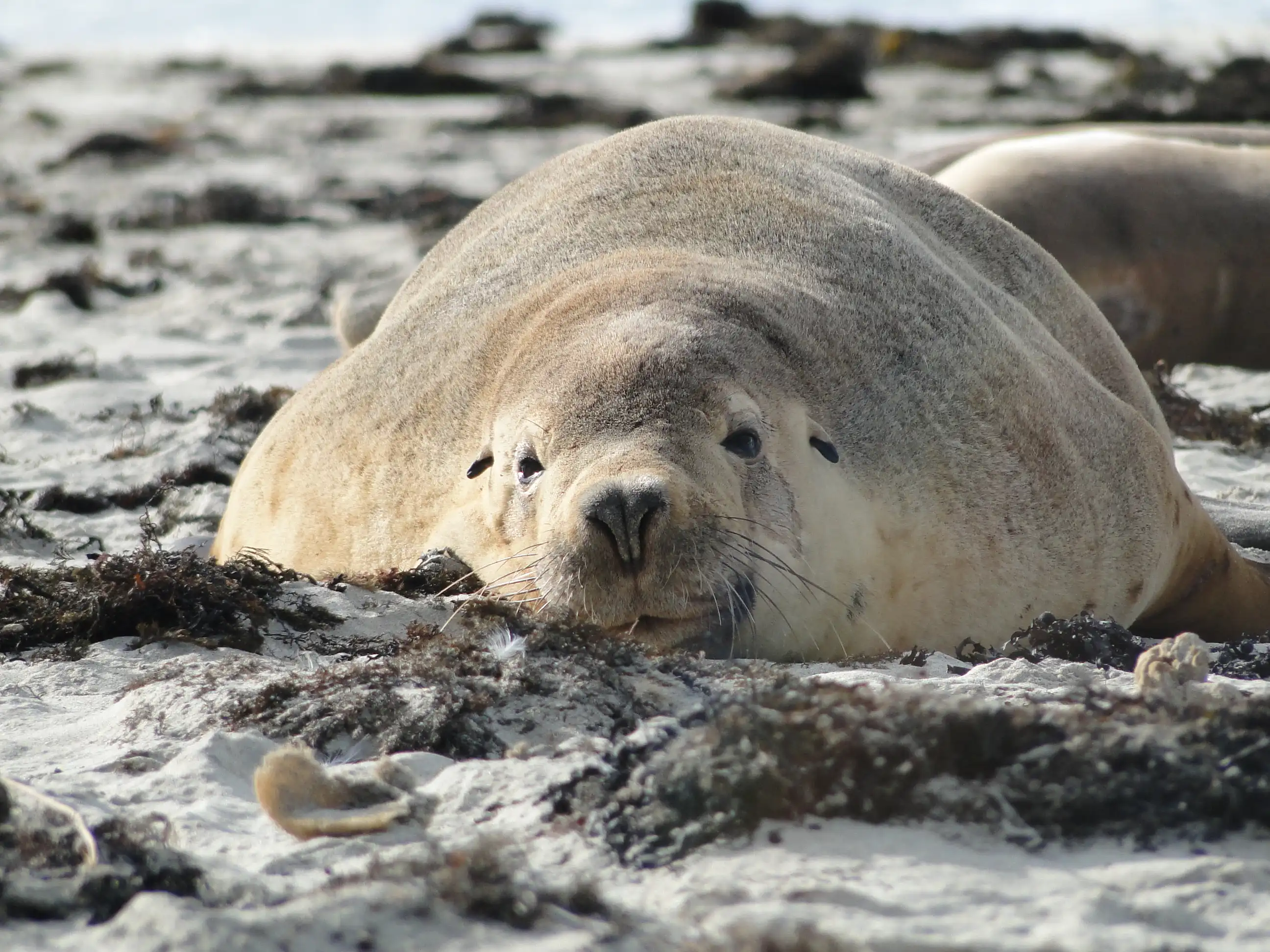 Nearby beaches provide habitat for the endangered Australian sea-lion. Picture: Peter Downunder CC BY-SA 3.0
 The Mallee Whipbird has been declining in South Australia for some time. Picture: Laurie Boyle CC-BY-SA 2.0The Southern Emu-wren is threatened with extinction, mainly due to loss of its habitat. Picture: Andrew Allen CC BY 4.0Nearby beaches provide habitat for the endangered Australian sea-lion. Picture: Peter Downunder CC BY-SA 3.0The Mallee Whipbird has been declining in South Australia for some time. Picture: Laurie Boyle CC-BY-SA 2.0
1 / 3
Assurances that 'all will be well' are not sufficient to protect Australia’s sensitive fauna and their habitats: they are our unique natural heritage and our collective responsibility.
The wildlife around these sites deserves better.
Future environmental-impact assessments must be grounded in relevant, recent data on the blast waves, sound waves and sonic booms launches produce – and consider every one of their potential impacts on wildlife.