

Keeping Australian livestock fed when climate disasters hit
As bushfires and floods devastate Australian agriculture, research into emergency livestock feed aims to help farmers build community reserves before disaster strikes


Published 20 January 2026
Whether it’s widespread flooding in Queensland or bushfires in Victoria, it’s been a tough start to 2026 for many Australians who make their living on the land.
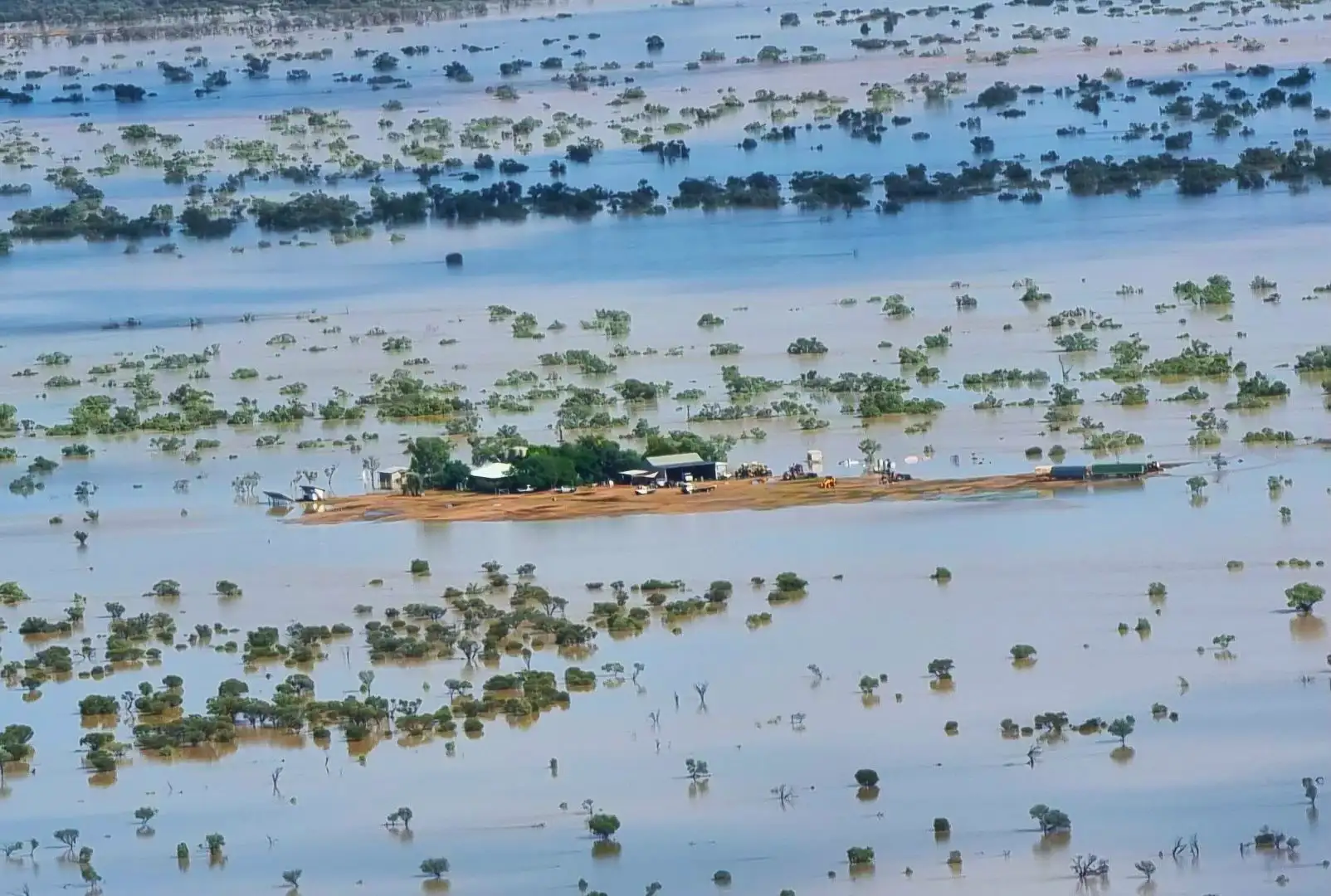
After weeks of relentless rain, flood warnings continue in Central Queensland and as do the massive livestock losses – it’s estimated that some 68,000 animals have died in the state’s north-west.
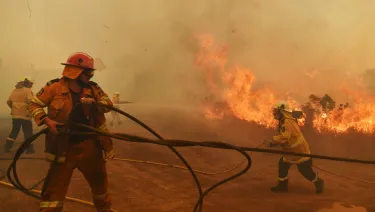
In Victoria, January’s bushfires have damaged or destroyed around 410,000 hectares – with the Victorian Farmers Federation (VFF) reporting about 20,000 livestock deaths.
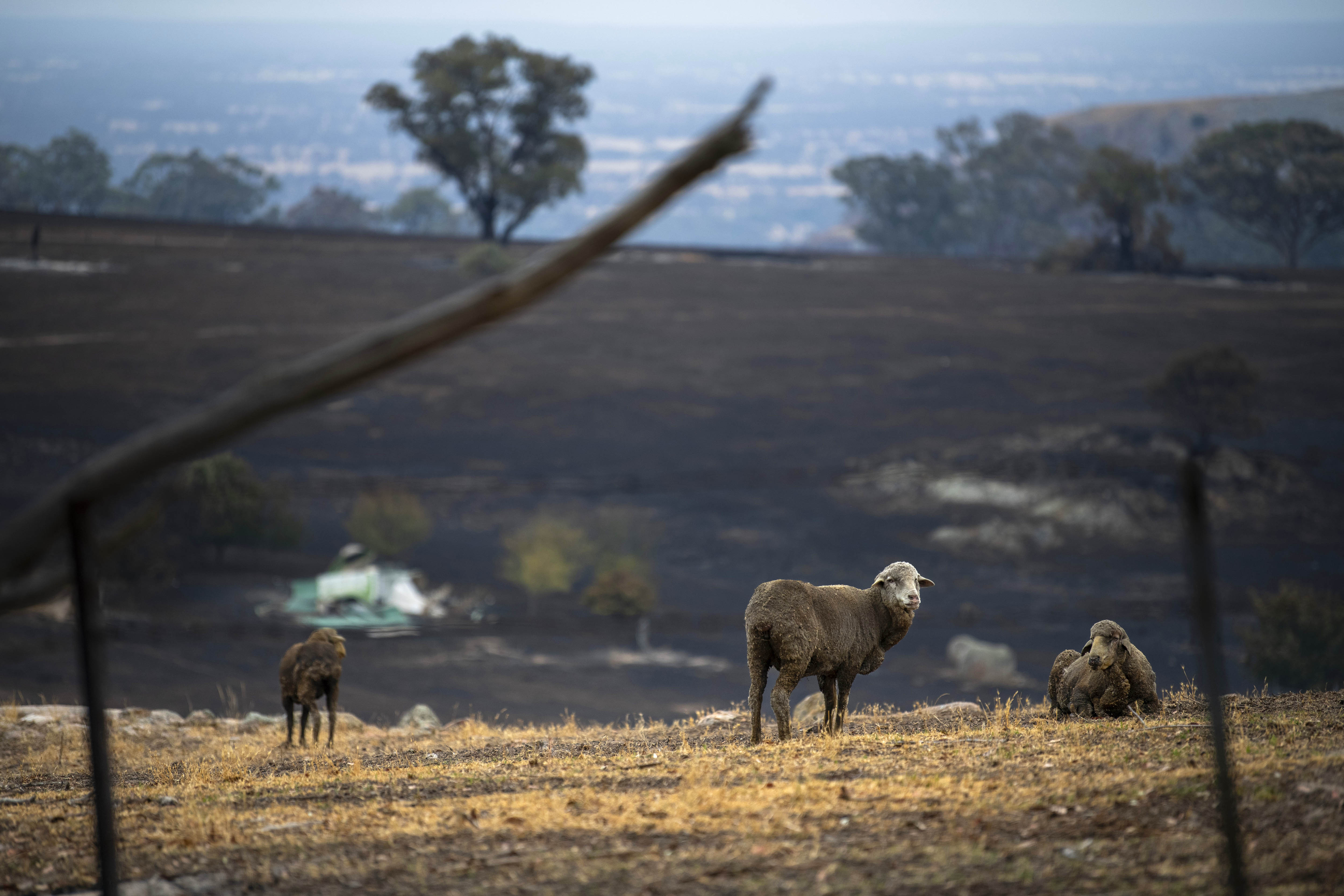
But after the grass is gone, the sheds are burnt or the water recedes, what happens to the surviving livestock? And for Australia’s livestock producers, that means asking the big question – what do we feed the animals now?
When grazing pasture disappears overnight, feed isn’t just a management issue – it’s a lifeline.
After a fire or flood, feed is the first real pressure point
The uncertainty around the availability and supply of fodder is driving our research into conserved forage (hay and silage) quality and yield.
Our focus is on supporting farmers to prepare for and recover from bushfire and other extreme climatic events.
Fodder crops – like oats, barley, lucerne and millet – are widely grown in Australia. They can then be made into silage and hay, filling feed gaps when grazing is limited.
But until recently, there’s been limited research on agronomic decisions affecting crop yield and animal health.
Our aim was to work out how to get the best balance of yield and quality, as the availability and digestibility of the feed are both crucial to support livestock entering and recovering from extreme climate events.
As part of a trial run by the University with Dairy Australia-Murray Dairy, funded by the Murray-Darling Basin Economic Development Program, we tested common cereal fodder crops across different sowing rates, sowing dates and harvest stages at the University's Dookie Campus in northern Victoria.
A clear pattern emerged: oats can be a good choice in terms of its comparative yields, while barley and wheat are beneficial because of their protein content.
It’s practical information like this that can prove useful when it comes to planning after extreme weather events like fire or flood. It can give farmers the chance to build feed reserves ahead of time.

A back-up fodder bank
The recent disasters in Queensland and Victoria highlight the need for future planning, rather than relying on just-in-time fodder delivery for farmers.
In Queensland, the state and federal governments announced a jointly funded AUD$2 million emergency fodder support package for producers. While in Victoria, the VFF is providing emergency fodder support to help get feed to surviving cattle and sheep.
This is helpful in the short term, but there needs to be more research on the long-term planning.
Our laboratory and modelling research jointly funded by the University of Melbourne, AgriFutures and Balco Australia is looking at how the quality of cereal hay can influence animal production.
We found that high- and medium-quality hay can perform similarly when it comes to animal nutrition. So, the less expensive medium-quality hay may be the best option for farmers.
In fire‑affected regions, this kind of nuance is critical.
Feeding their livestock hay and silage allows farmers to rest damaged paddocks, protect soil and give pastures time to recover.
Our aim is to help farmers produce more forages and crops on their available resources when the weather is good; they can then store it until they need it.
Not only can farmers store these fodders for themselves in the future, they can also share it with their neighbours or farmers in bushfire-affected areas by essentially building a community-based, back-up fodder bank.
If there is a surplus, they can then sell the excess, creating new economic opportunities.
Our research doesn't just aim to provide data – it offers practical guidance for resilience, helping producers weather the next fire, flood or drought.
As extreme climate events like the ones we’ve seen in Victoria and Queensland become more frequent, our research aims to provide a crucial lifeline for livestock producers – helping them prepare for and recover from disasters more effectively.