Arts & Culture
How Melbourne grows as a cultural capital


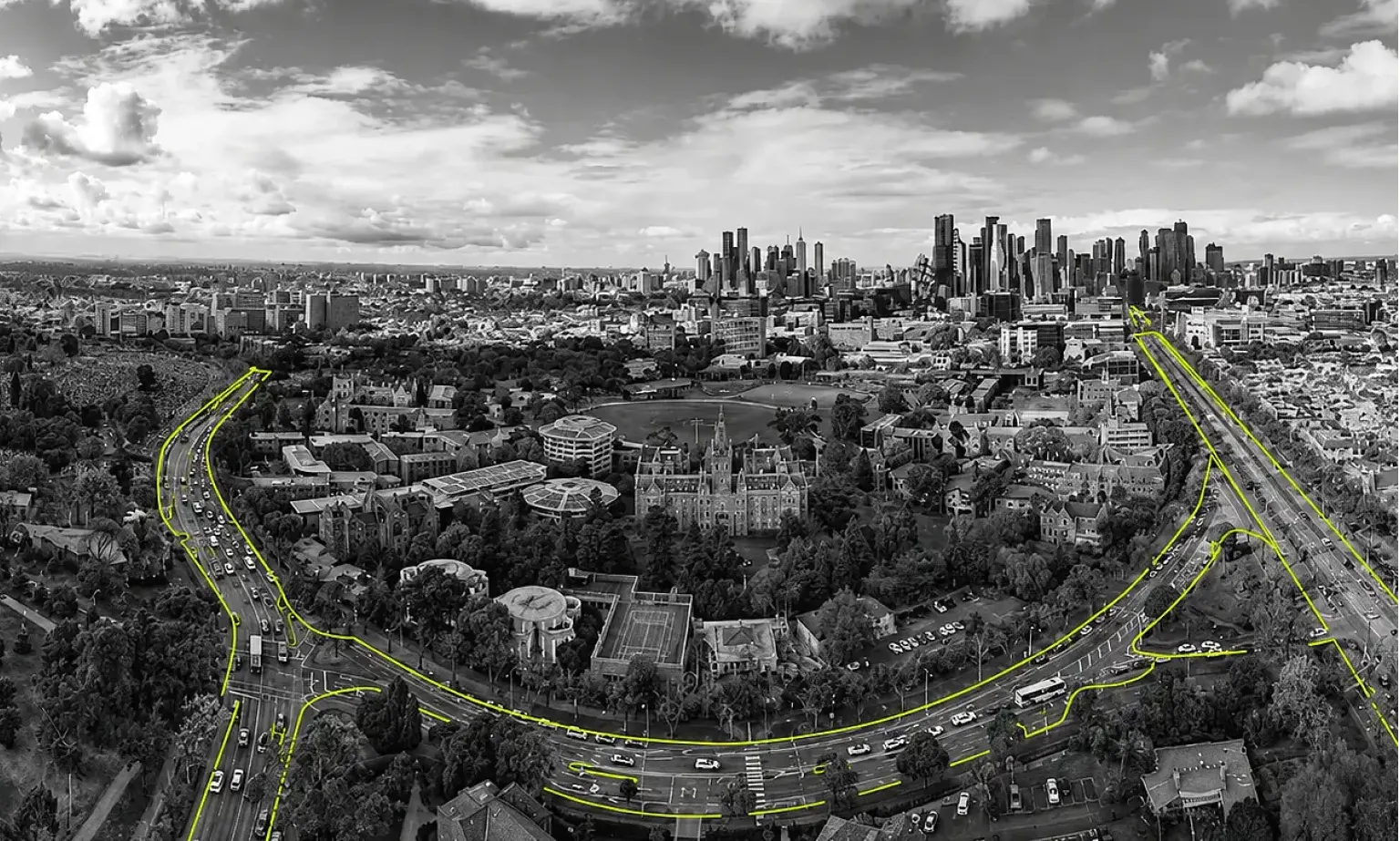
Melbourne could become a learning city that creates, questions, shares knowledge, and listens to its future leaders and innovators

Published 30 September 2026
As Melbourne becomes Australia’s largest city, how can we become Australia’s greatest learning city?
A city that is much more than a place of universities, schools, research institutes, culture, innovation and ideas, and more than simply the possession of knowledge.
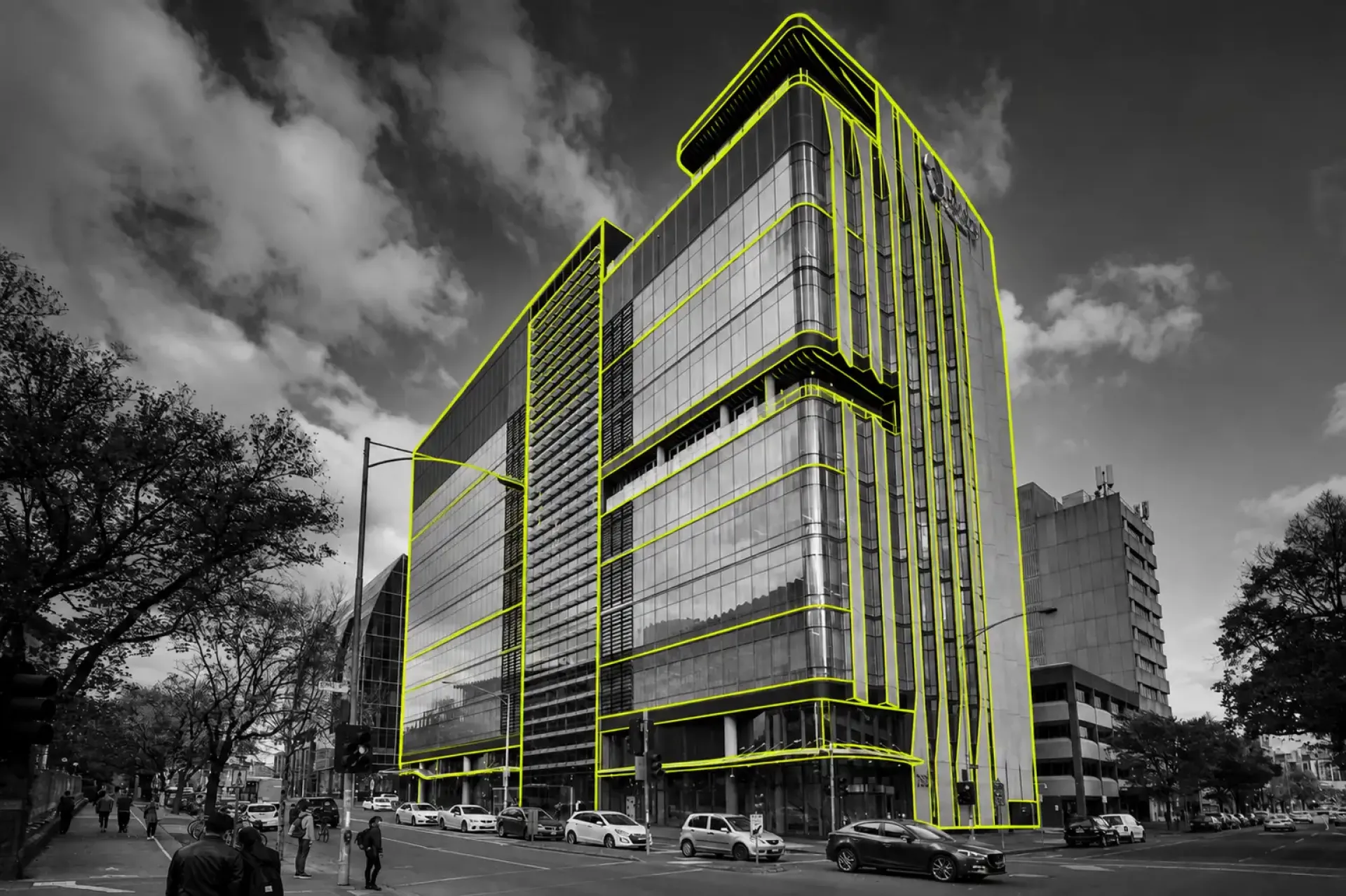
In a learning city, education is part of the infrastructure that connects everything.
Melbourne must become a place where every part of our city is a learning environment, because school is important, but it is not the only place where we learn.
Some cities around the world have become knowledge cities, but a learning city is much more.
While a knowledge city accumulates expertise and curates knowledge, a learning city can share, question and change itself in positive and productive ways, in response to what it learns.
Melbourne has great educational institutions, like the University of Melbourne and others, and it also has an extraordinary capacity and potential to learn.
Arts & Culture
How Melbourne grows as a cultural capital
It is curious, it understands the possibility of becoming different and the hope that comes with that. It understands that learning at a civic scale creates solidarity and is part of democracy and a shared world.
Melbourne has an exceptional concentration of schools, universities, research and cultural institutions, technology companies and diverse communities.
This diverse educational ecosystem supports learning from the pre-school years and compulsory schooling through higher education, workplaces and local communities.
Education is at its strongest when it becomes part of everything that happens around us.
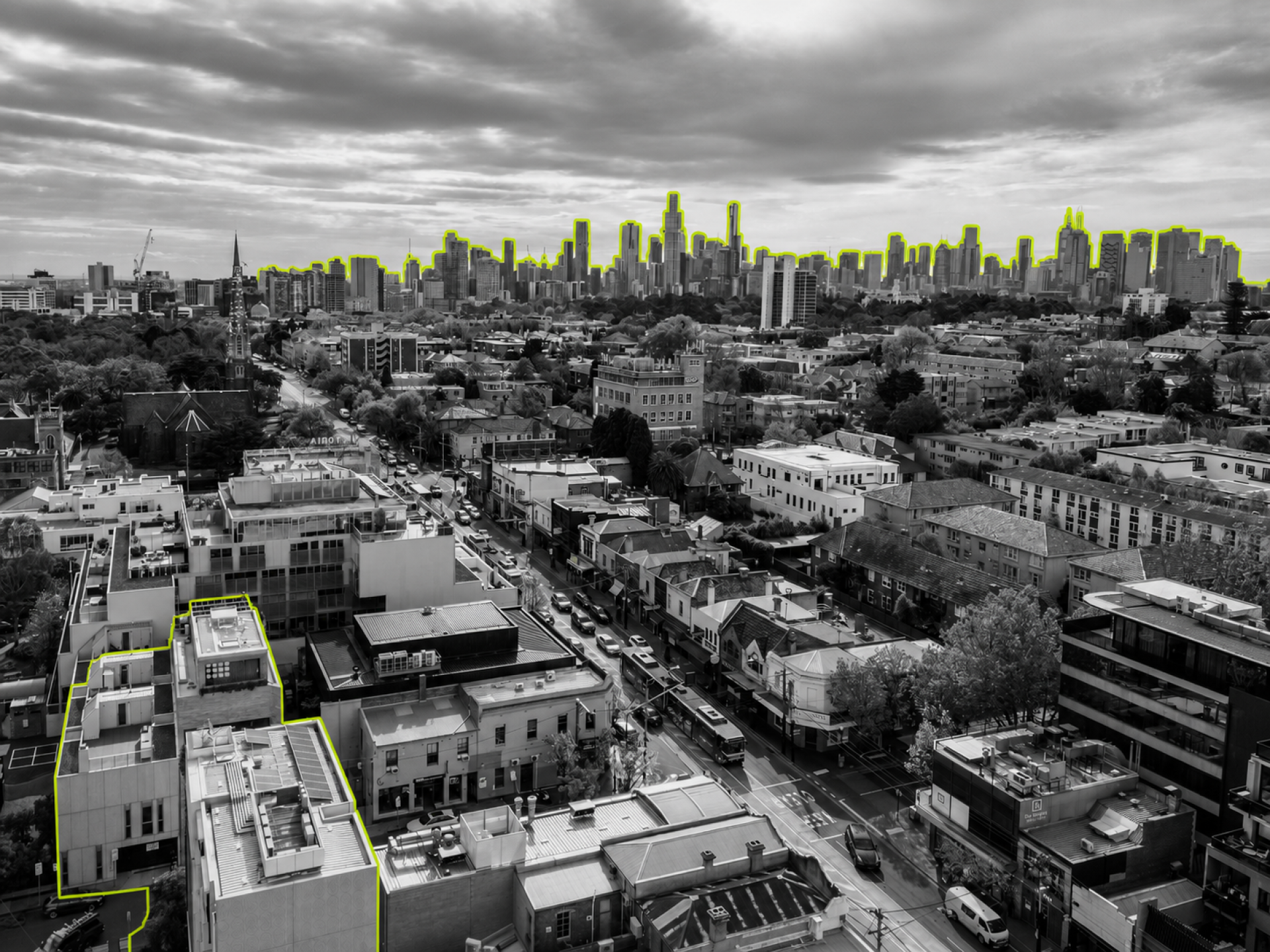
It is often associated with extraordinary universities, schools and elites, but the city itself can be an educational environment.
In those instances, when knowledge circulates beyond these traditional environments, it becomes real learning because everyone can receive and contribute to that knowledge, and that is powerful.
All too often, formal education is seen as something that happens before real life begins. As a child, you need to be educated to enter the world, so you need to learn something and then you can be a contributor.
But I’m fascinated with what we can learn from young children about life and the world.
Today’s pre-schoolers and primary school children are the future leaders and innovators.
Health & Medicine
The Melbourne that big ideas could shape
Already, we can see the youth of today pushing boundaries.
Four-year-olds can fix their parents’ mobile phones, teens are entrepreneurs, and my five-year-old is a master of remote controls.
Through children, we can see the city differently and we can learn from them about what the city should become.
We often ask leaders and intellectuals to debate Melbourne’s future, but future-facing cities should be thinking about how we can design the city with today’s children, not just for them.
The key is not to treat young people as if we are preparing them for the future, but to recognise that they are shaping our future city right now.
How can Melbourne encourage this?
We could create youth innovation hubs and incubators across the city, connected to schools, libraries, industries and cultural places.
These would be places where young people can experiment with fields like art, robotics and climate solutions. We need to give young people opportunities to work on real problems and contribute real ideas and solutions.
In schools, young children often work through structured exercises and problems. But there is enormous value in engaging them with the actual challenges facing their communities like housing, transport, loneliness, disability, biodiversity and misinformation.
Young people are interested in these issues, and many want more opportunities to contribute to them directly.
A learning city should create more spaces where academic learning meets real civic challenges.
Young people need opportunities to discover how they can contribute to a learning city so they feel valued.
We live in a city that already has so much to offer. And Melbourne could become a city where every young person can realise their potential – with access to a creative space, the choice to have a mentor and the ability to turn their ideas into something real.
Those opportunities need to start early because early childhood experiences define children for the rest of their lives.
Melbourne’s ambition should be to become a city where every neighbourhood is a place of learning and curiosity across each person’s lifetime, and a place where every child can flourish and imagine a future, regardless of their postcode.
Every time I step inside a kindergarten, school or university, I learn something new and am filled with optimism, because I believe in what today’s young people will create for our future city.
Professor Marek Tesar is speaking at the Melbourne Assembly, a three-day public forum on the future of the city hosted by The Age and the University of Melbourne at Fed Square, from 19 to 21 October 2026. For tickets, visit the Melbourne Assembly website.