Sciences & Technology
A vital native bee highway can start in your own backyard


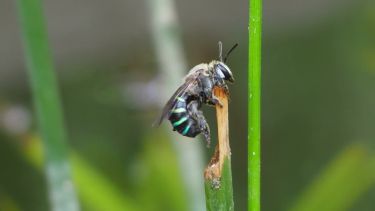
Our research transformed road verges in Melbourne from mown grass into native habitat and seven times more insect pollinators came to visit. It’s time to put the nature back into nature strips.


Published 29 September 2026
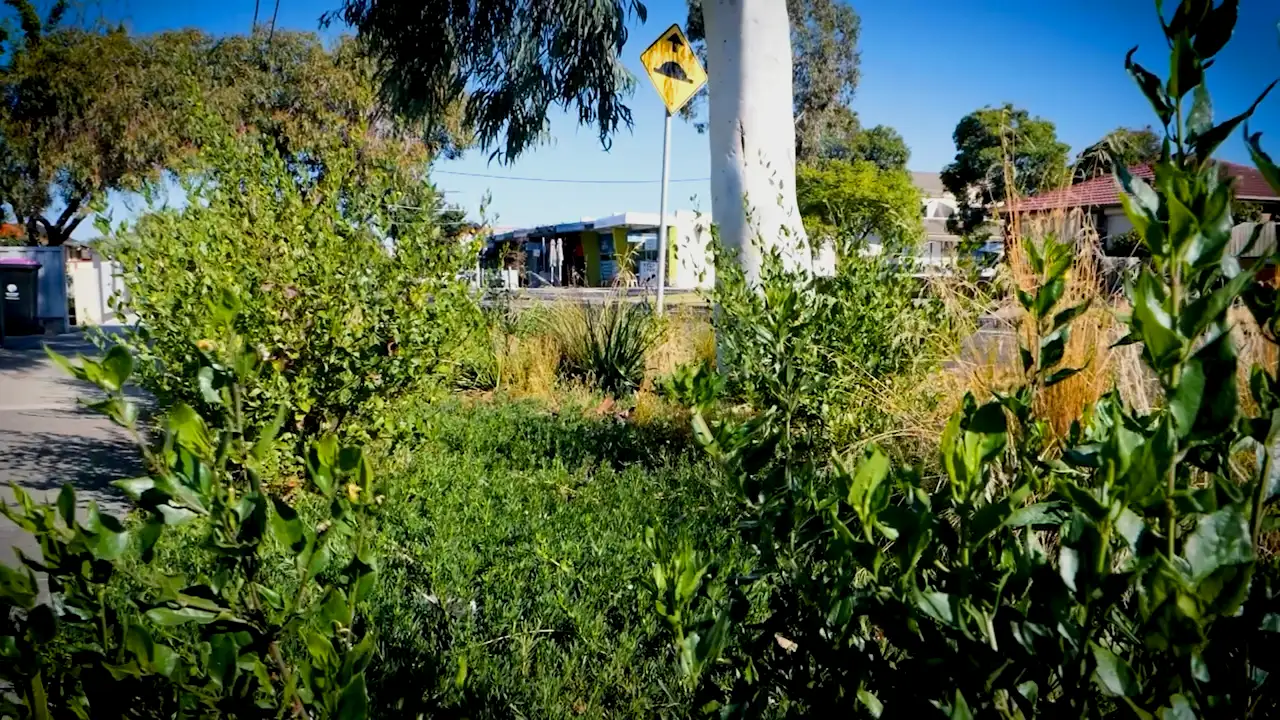
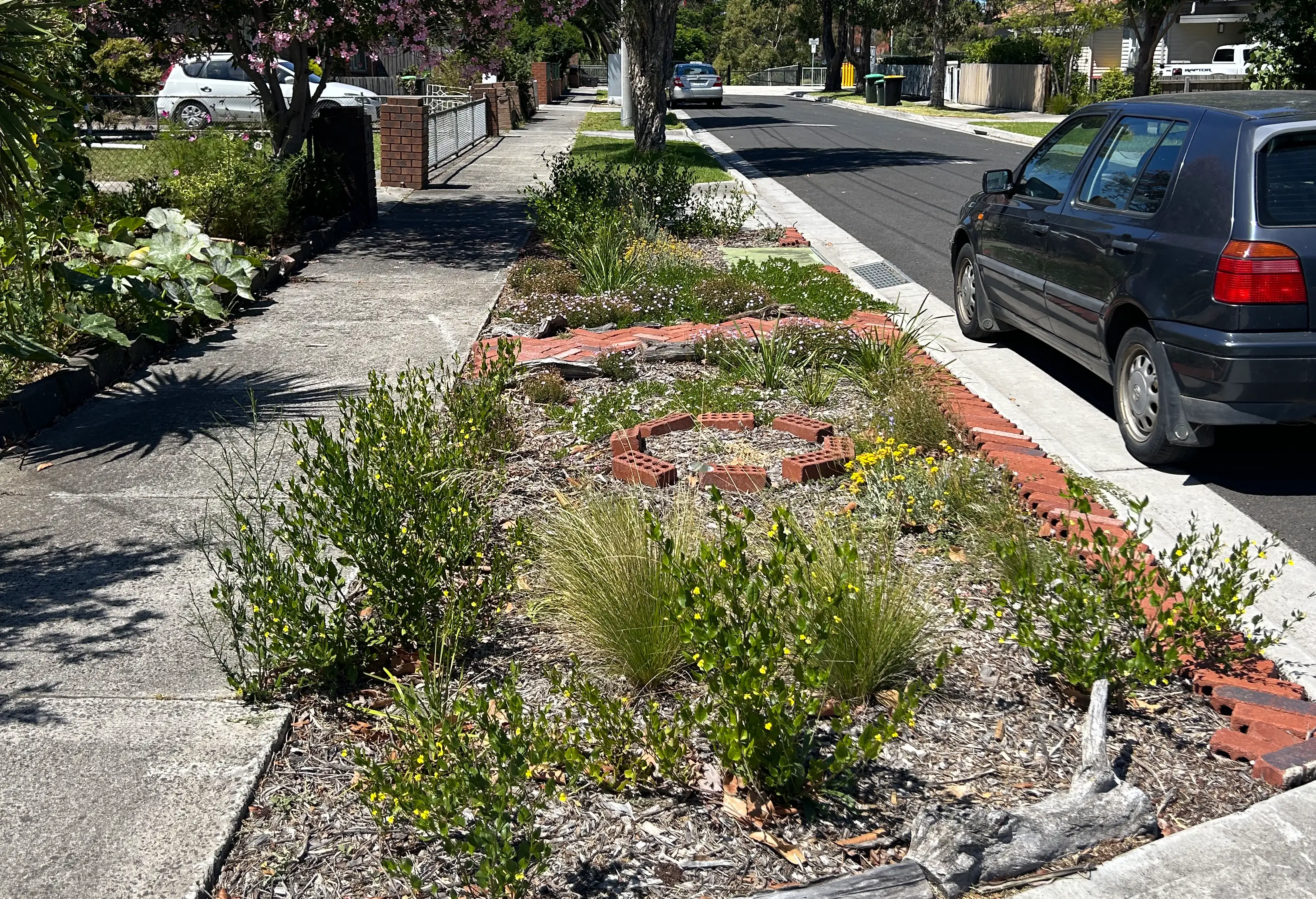
Out the front of most Australian houses, between the footpath and the road, runs a strip of land most people never really think about. In Australia it's called the nature strip, but it goes by other names in other regions, including a verge, parkway or tree lawn.
Usually it's mown grass with a lone tree stuck in the middle. This set up doesn’t provide many resources for urban animals that rely on complex vegetation for food, nesting and shelter.
But add up every one of these strips of land across a suburb, then a whole city, and you have hundreds of hectares of public land doing almost nothing.
Here in Melbourne, nature strips make up more than one third of public greenspace, representing a huge area of untapped potential for urban greening.
It’s time to put the nature back into nature strips.
Councils across Greater Melbourne already allow gardening on nature strips (some with permits), and many nudge residents toward low-growing natives to support biodiversity and soften the streetscape.
More plants and more variety should mean more animals, and more kinds of them. That's the theory, anyway. We wanted proof.
So, we set out to test whether nature-strip gardens could actually support Melbourne's insect pollinators.
Not just introduced honeybees, but also for the several thousand species of native bees, beetles and butterflies that do the quiet work of moving pollen around.
Partnering with the City of Merri-bek and 14 residents, we ran a gardening experiment across Brunswick, Coburg and Fawkner.
We used a before-after-control-impact design.
We recorded insect biodiversity before and after each garden was installed and compared two sets of nature strips: control nature strips left as they were and impact nature strips planted with a garden.
If the gardens made a difference, the comparison would show it.
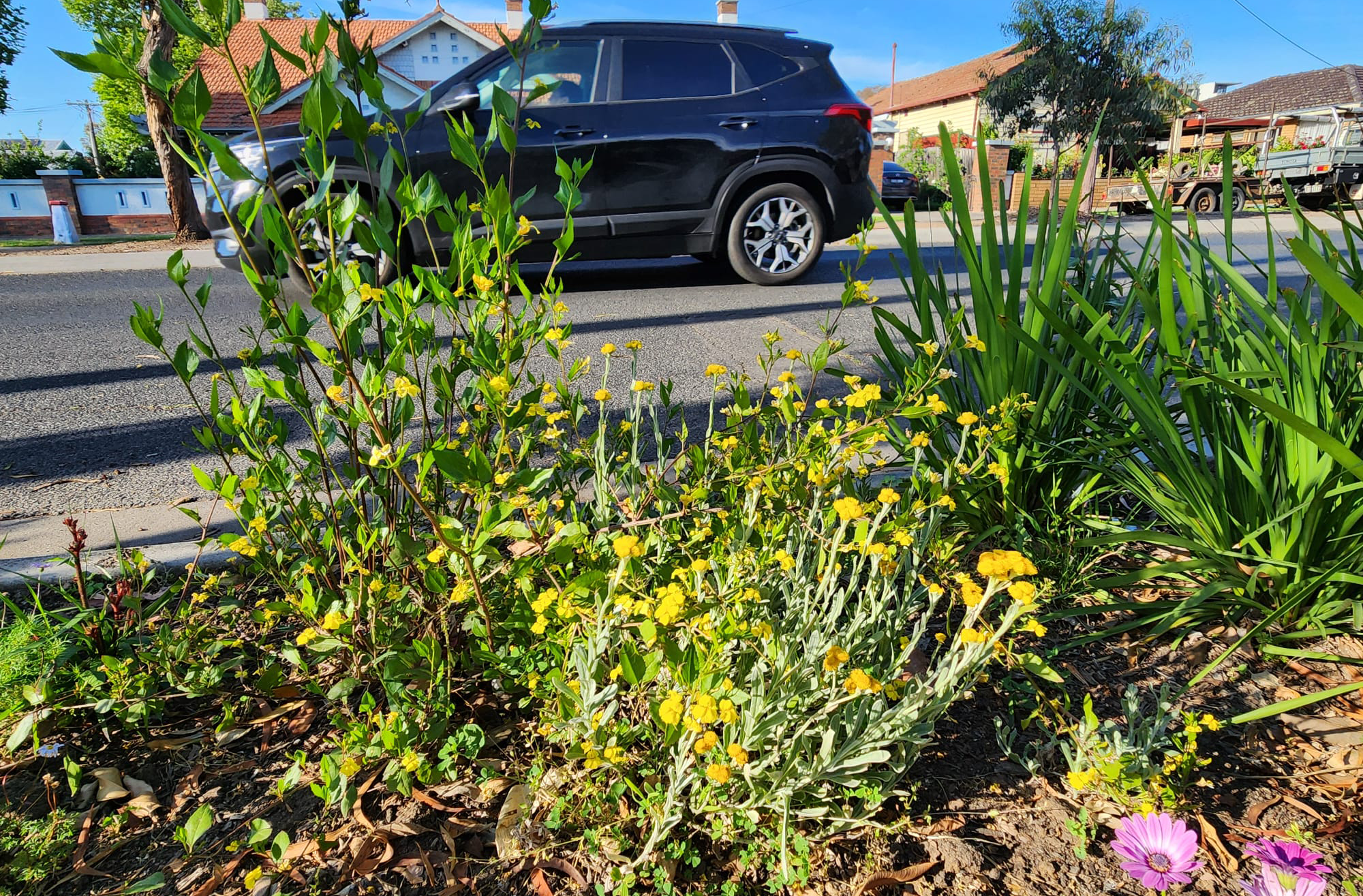
We planted each garden with the adjacent homeowner's help, following the council's nature-strip guidelines and using native plants known to feed or shelter local insects.
Those 14 nature-strip gardens attracted seven times more insect pollinators than the untouched nature strips, and twice the variety of species.
Sciences & Technology
A vital native bee highway can start in your own backyard
Insects are in decline worldwide. And their loss reaches far beyond the insects themselves.
They provide essential ecosystem functions that keep us healthy, often without us noticing. Pollination is the clearest example. Bees, beetles, and butterflies, along with many other insects, birds, and mammals, move the pollen that lets plants reproduce.
Roughly 87.5 per cent of all flowering plants rely on animal pollinators, and that includes many of the crops we depend on for food.
So when insect numbers fall, the effects ripple through our food supply and the health of whole ecosystems.
Where those insects live matters too.
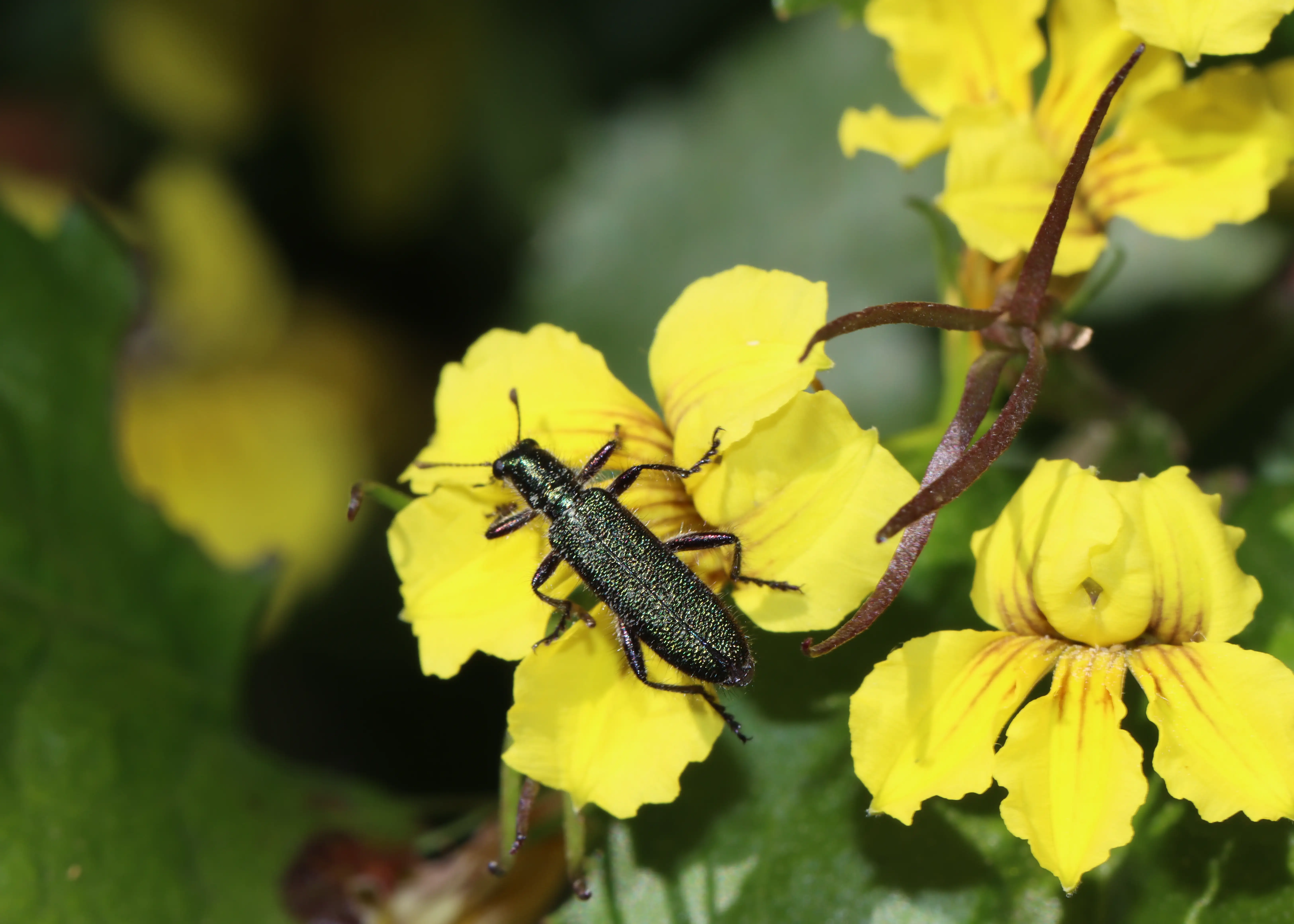 A metallic checkered beetle (Eleale sp.) on some bright hop goodenia (Goodenia ovata). Picture: Philippa Bell
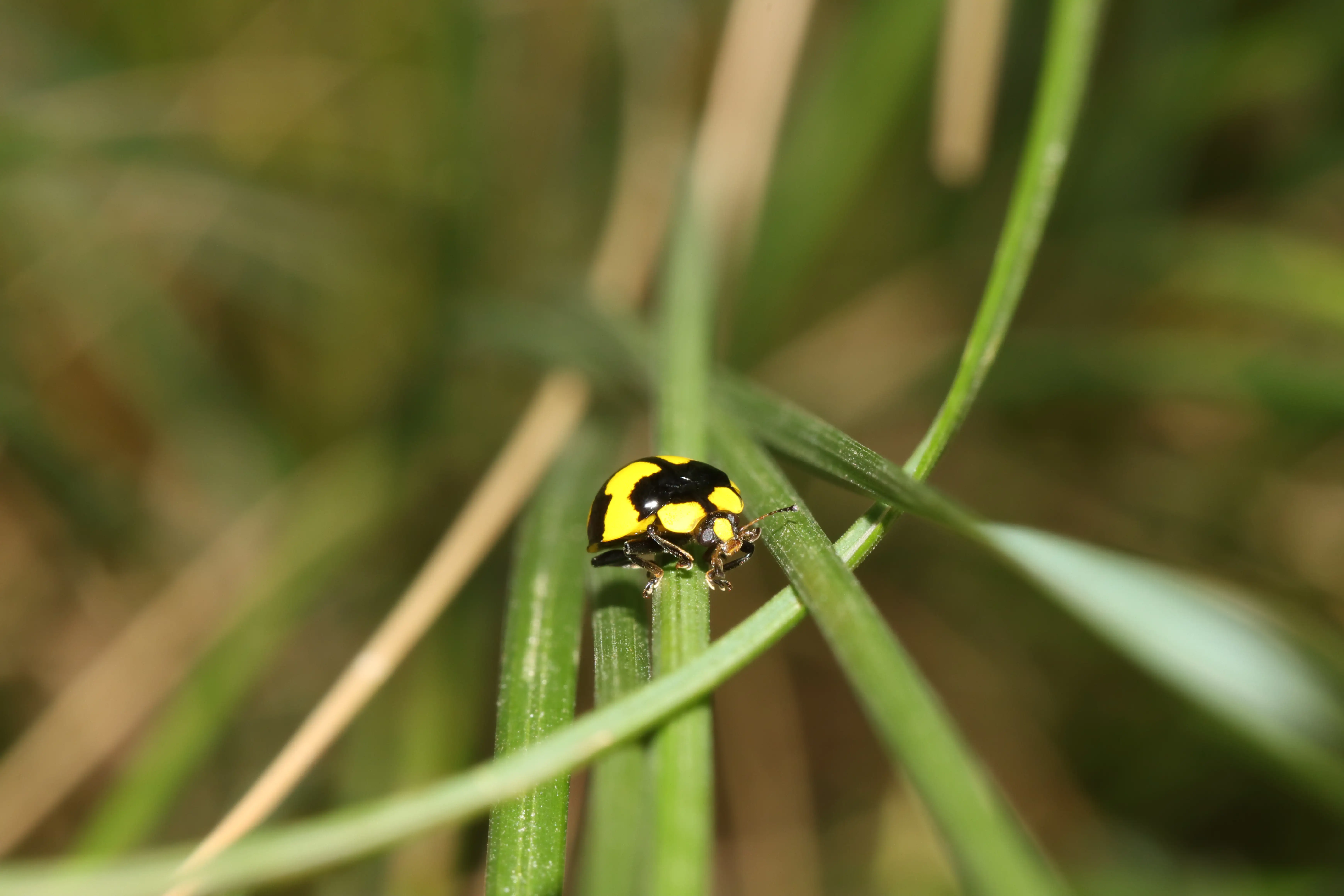 A tiny fungus-eating ladybird (Illeis galbula) exploring some native grass. Picture: Philippa Bell
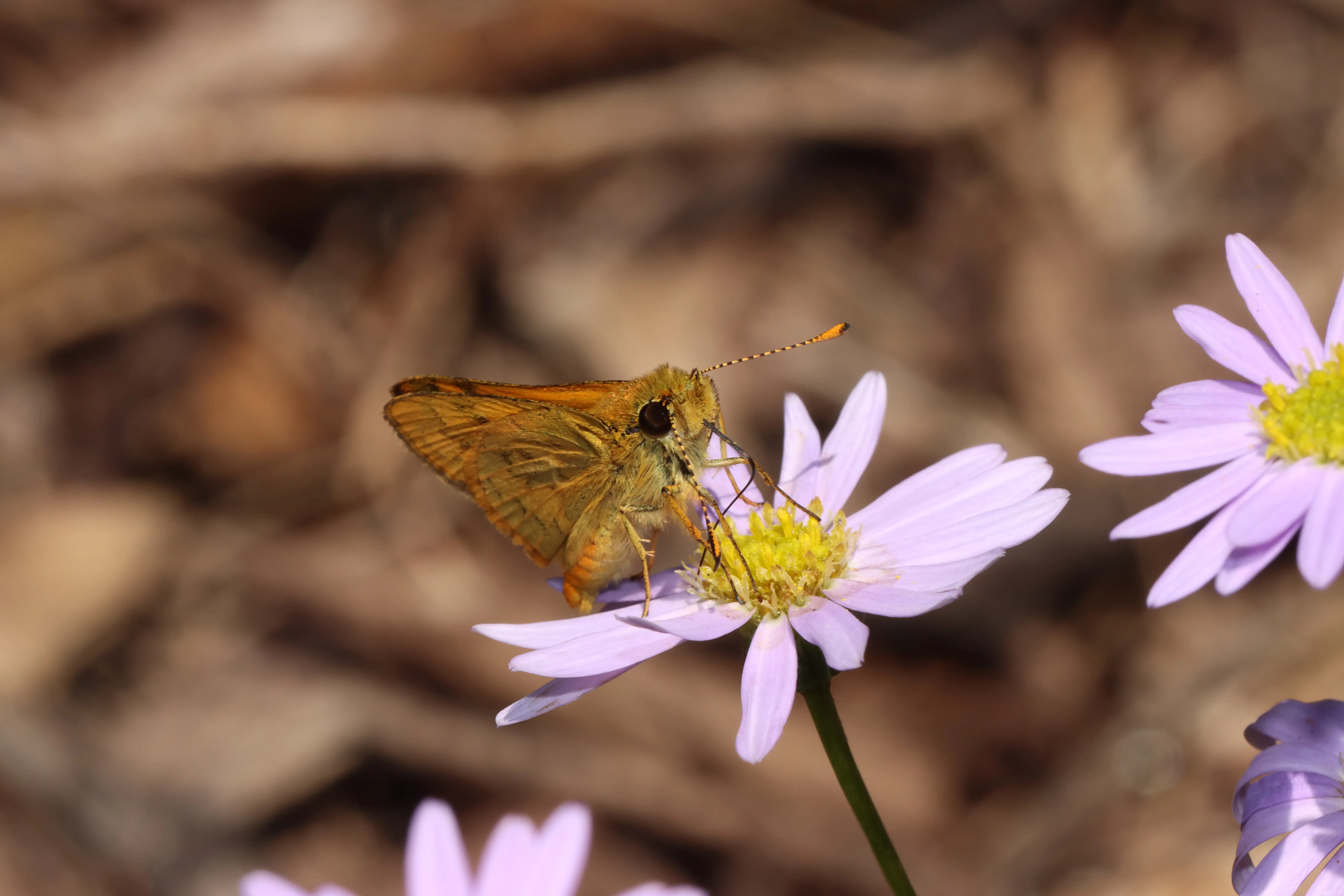 A greenish grass-dart (Ocybadistes walkeri) enjoying the nectar of a native cut-leaf daisy (Brachyscome multifida). Picture: Philippa BellA metallic checkered beetle (Eleale sp.) on some bright hop goodenia (Goodenia ovata). Picture: Philippa BellA tiny fungus-eating ladybird (Illeis galbula) exploring some native grass. Picture: Philippa BellA greenish grass-dart (Ocybadistes walkeri) enjoying the nectar of a native cut-leaf daisy (Brachyscome multifida). Picture: Philippa Bell
1 / 3
For a long time, cities were dismissed as having nothing to offer conservation – too concrete and built-up to count. But cities are biodiversity hotspots in their own right, home to threatened species and full of green spaces genuinely worth protecting.
While managed populations of European honeybees (Apis mellifera) are workhorse crop pollinators, they are far from the only species pulling their weight.
Australia is home to more than 1500 species of native bee, 20,000 butterflies and moths, and 30,000 beetles, according to the Australian Museum.
Each comes with its own set of tastes. Generalists forage and pollinate across a wide range of plants. Specialists stick close to just one or a few, sometimes bound to a single species.
Environment
Making cities work for every urban dweller
So, a healthy diversity of plants needs a healthy diversity of insects, and the reverse is just as true. Each depends on the other, and that mutual dependence is what keeps an ecosystem resilient.
None of it stops at the city limits. These relationships matter as much on a suburban street as they do in the bush.
Nature strips are just one of many urban green spaces where pollinator-friendly gardening could give city insects a lift.
Not everyone can take it on. You might be renting or restricted by a body corporate. But homeowners across greater Melbourne are allowed to garden their nature strip, and it's a good place to begin.
Start by searching '[my council] nature strip guidelines'.
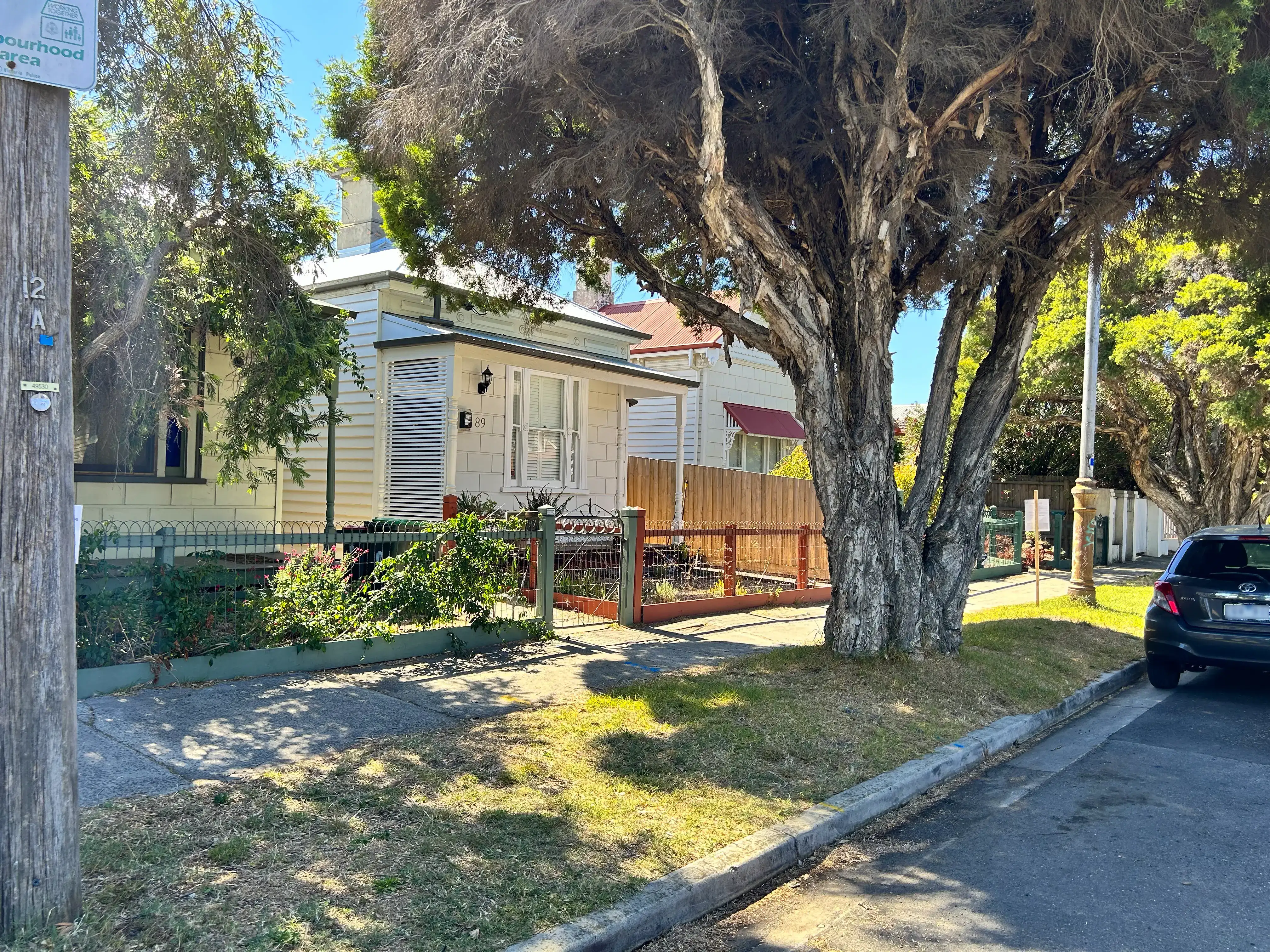
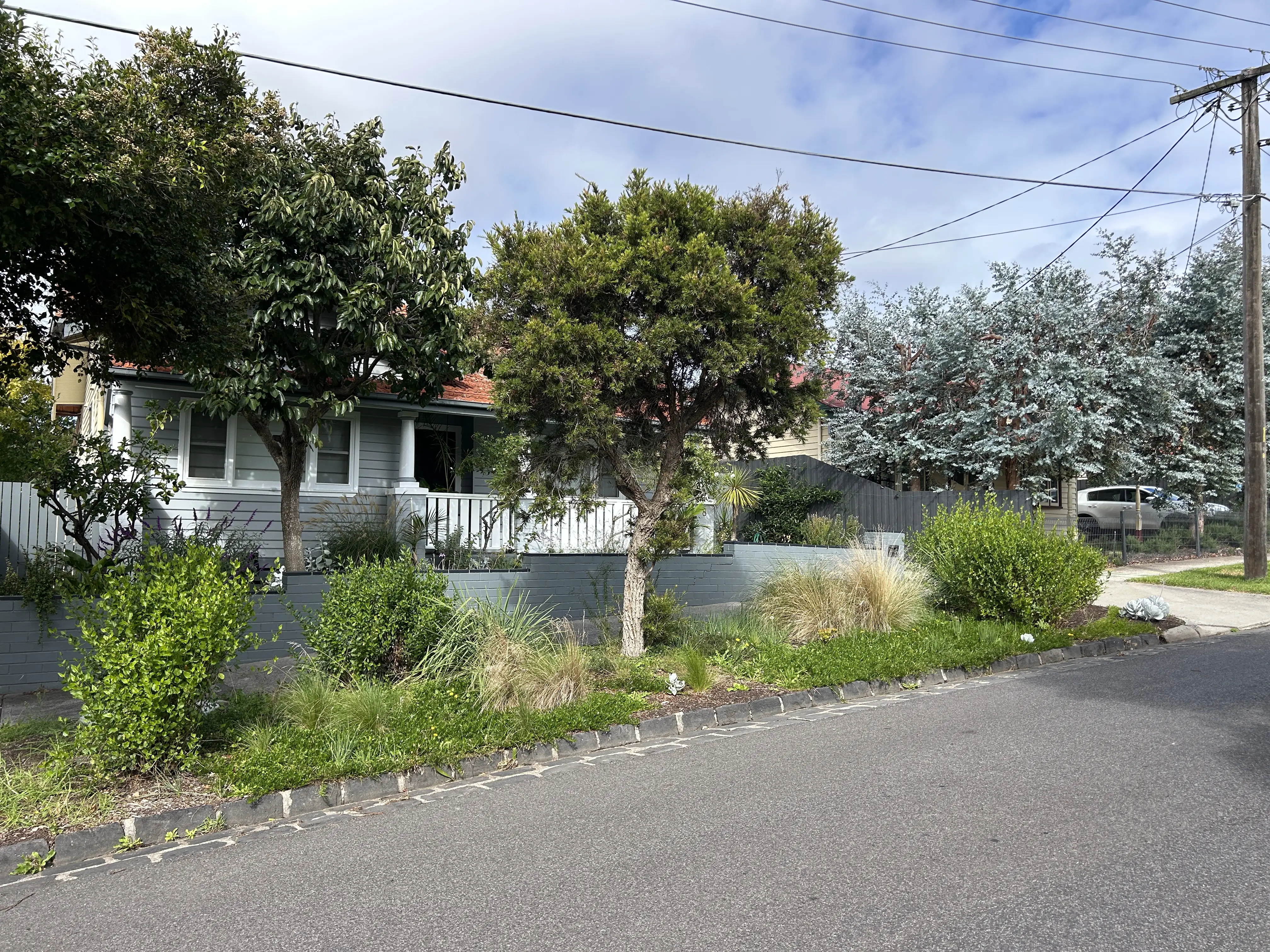 Plants need to be tough enough for streetside conditions. Picture: Philippa Bell
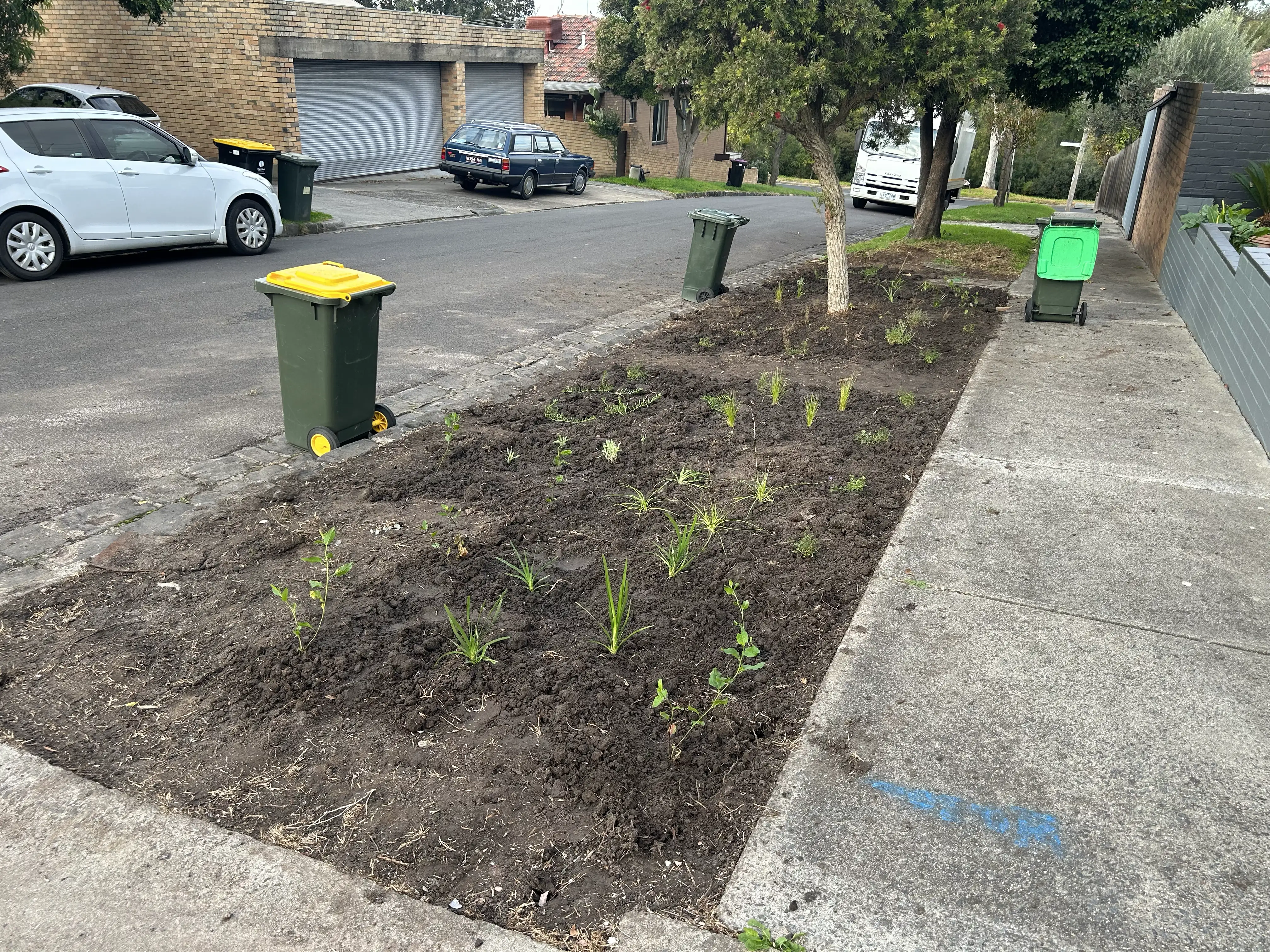
 Preparing your strip is the hard part, clearing it takes work. Picture: Philippa Bell
 Get the prep done over the summer and you'll be planting in autumn. Picture: Philippa Bell
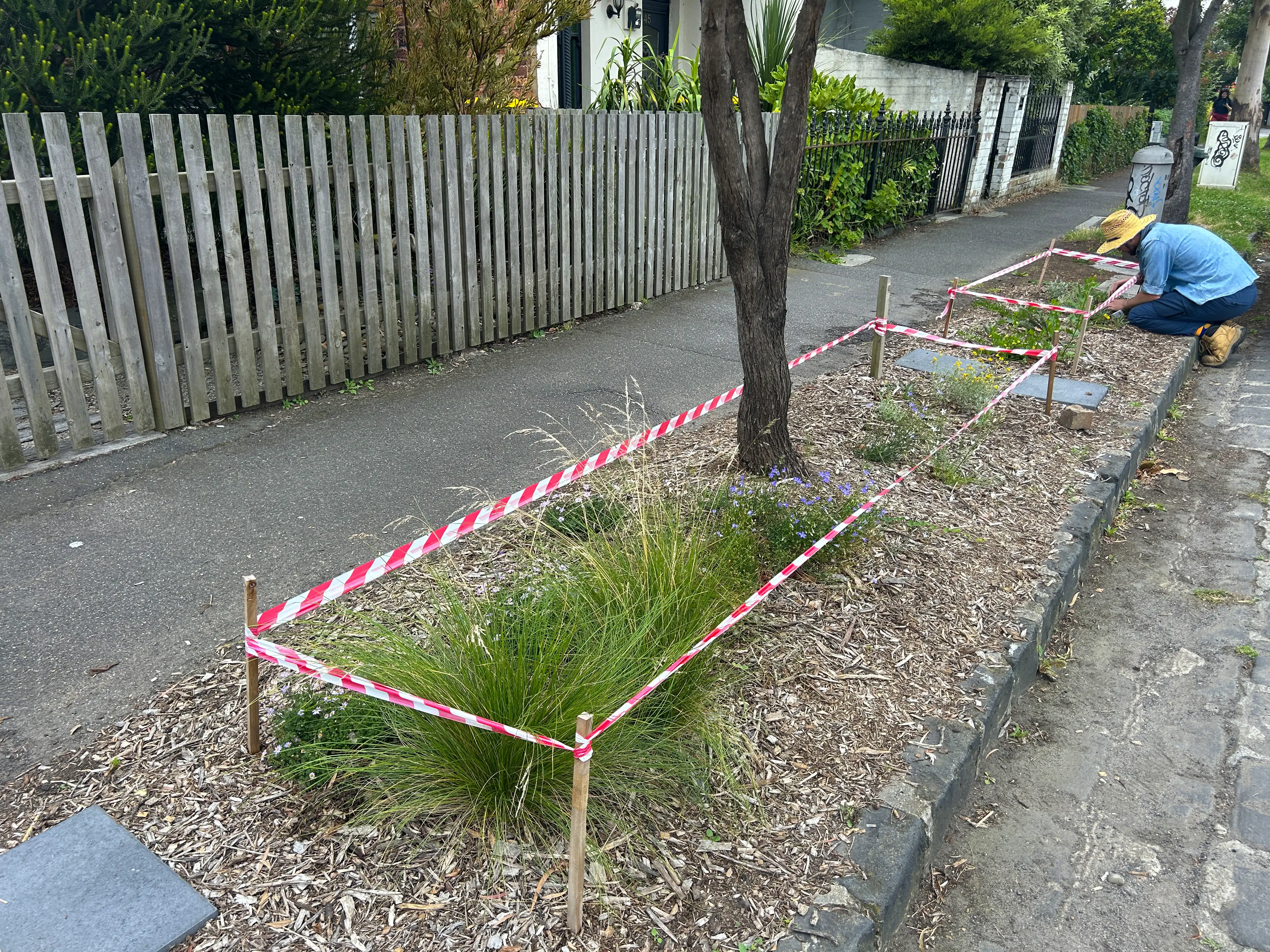 Choose plants of varying colour, shape, size and flowering time. Picture: Philippa Bell
1 / 4
From there, check in with council resources, Gardens for Wildlife and its affiliates, and local nurseries or community groups to learn what plants and animals your area can support.
Choose a palette that offers flowers of varying colour, shape, size and flowering time, since the more variety you plant, the more kinds of pollinators you'll draw.
Pick plants tough enough for streetside conditions – the City of Melbourne's Urban Nature Planting Guide is a solid starting point.
Preparing your strip is the hard part. Lawn grasses are designed to survive, so clearing them takes work. Be ready to solarise or sheet mulch, and be patient.
Get the prep done over summer and you'll be planting in autumn, letting your garden settle through the cooler, wetter months and come up looking its best by spring.
Map of the Month
These maps tell us we need to cool our sweltering streets
Then say hello to the new arrivals moving in. You could run your own mini pollinator survey, upload a photo to iNaturalist, and enjoy your turn as a citizen scientist.
As cities and human populations grow, more people end up living with less nature close by. Researchers call this the 'extinction of experience', and it costs us in two ways.
The first is personal.
We're wired to respond to the natural world, and being around it does us good. Bring nature back into the places people live, and it lifts their health and wellbeing.
The second is a slower problem.
People who never brush up against nature tend to do less to protect it. If a city is built so that residents meet greenery often, even by accident, that everyday contact is what keeps people caring, and caring is what drives them to act.
Replanting our streets pays off for both people and wildlife at the same time. A single nature strip is a good start.
But when councils and communities green their cities street by street, block by block, they can turn the whole place into a haven for the pollinators we can't afford to lose.
Banner: Darcy McDonald (@TheBackyardNaturalist)