



Health & Medicine
Stopping sexual assault means addressing violence in relationships


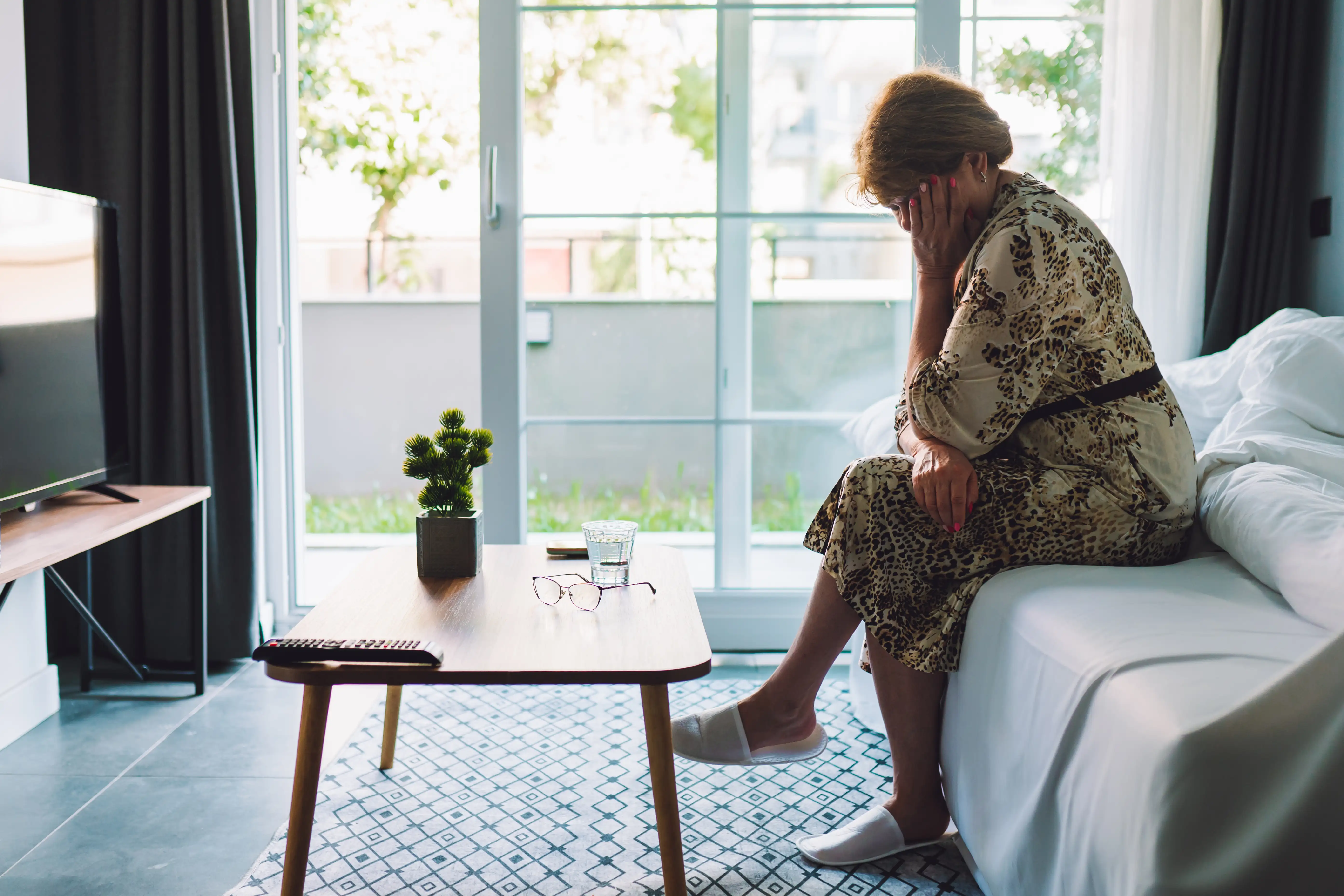
Sexual assault against older women happens at the hands of partners or carers, but Australian media barely reports it. Left invisible, these women may not recognise their own experience as abuse
Published 26 August 2026
The reality of sexual violence against older women is an issue that remains significantly underreported and misrepresented in Australia.
Almost 50 sexual assaults occur every week in aged care. Sexual assault against older women is commonly perpetrated by intimate partners or someone they know.
But these realities remain largely hidden from public view.
It means older women are often ignored as victim-survivors, with reporting on sexual violence focusing mostly on younger women. As a result, older women’s voices and experiences are usually absent from public discussions about sexual violence, including in the media.
This absence matters because media reporting plays a central role in shaping how people understand sexual violence and whose experiences are taken seriously.
Our research looked at how the Australian media covers the stories of older women, those aged 60 and over, who have experienced sexual violence, and whether that coverage matches their reality.
Too often, it doesn't.
Health & Medicine
Stopping sexual assault means addressing violence in relationships
When Australian news reports on sexual violence do mention older women, they tend to focus on graphic cases: home invasions or attacks by strangers in public.
The coverage often describes the assault and the women's injuries in detail.
It’s a narrow lens that can work to reinforce the myth that ‘real rape’ is physical violence by a stranger. Meanwhile, common forms of sexual violence against older women stay out of view, including violence by intimate partners, aged care staff or other residents.
Many reports also lean on stereotypes about ageing.
Older women are often seen as more credible victim-survivors the more frail and vulnerable they appear. They are cast as helpless 'victims' that need protection rather than as people with sexual rights and autonomy over their own bodies.
By fixing on graphic or shocking cases, media reporting can make sexual violence against older women look like the work of aberrant, 'monstrous' individuals.
Perpetrators are often called 'disgusting' and 'perverted', casting this violence as exceptional rather than part of a broader social problem.
That framing hides how widespread sexual violence is, and how often older people are the victims.
Media reports rarely blame older women for the sexual violence they experience, unlike coverage of younger women. Women from racial or ethnic minorities face victim-blaming narratives most sharply of all.
But this apparent sympathy for older women comes with conditions.

Health & Medicine
What drives Intimate Partner Sexual Violence?
They are recognised as victim-survivors most readily when they fit the stereotype of the frail, vulnerable 'ideal victim'. Those who fall outside that image risk being overlooked.
The underlying message is that some victim-survivors deserve more empathy than others, and that recognition of someone as a victim-survivor can hinge on whether they are seen to have 'contributed' to their own victimisation.
If older women who experience sexual violence never see themselves in the news, what is the cost?
It can mean they don’t recognise what happened to them as violence at all. An older woman assaulted by her husband, with no obvious physical injuries, may not name it even to herself.
Media coverage can also deepen the barriers older women already face in coming forward.

A woman over 60 may have begun her relationship when rape in marriage was not yet a crime. It’s a “cultural context” that can influence her understanding of what constitutes sexual violence.
And then there are the added difficulties that come with ageing.
For older women living with cognitive impairment, including dementia, their accounts are less likely to be believed, and the harm done to them is more easily brushed aside.
Their reports may be written off as 'confusion', or their impact diminished by the mistaken belief that she won't remember what happened.
Sexual violence against older women is neither rare nor exceptional. News coverage needs to reflect that reality, making room for older women's experiences and reporting them accurately.
More inclusive coverage could help older women name what has happened to them, and give them the confidence to speak up and seek support.
Our research found promising signs of change.
Catherine Barrett, an advocate and CEO of Celebrate Ageing, stresses the importance of recognising older people's sexual rights. In a one article, she says: "We are never going to be able to prevent sexual assault until we put down, in black and white, the sexual rights and responsibilities, but particularly the sexual rights of older people."
In another report, a victim-survivor was given space to tell her own story of sexual violence within her marriage, alongside educational material calling for "less stigma" around sexual violence against older people.
Even so, the piece still slipped into sensationalised description.
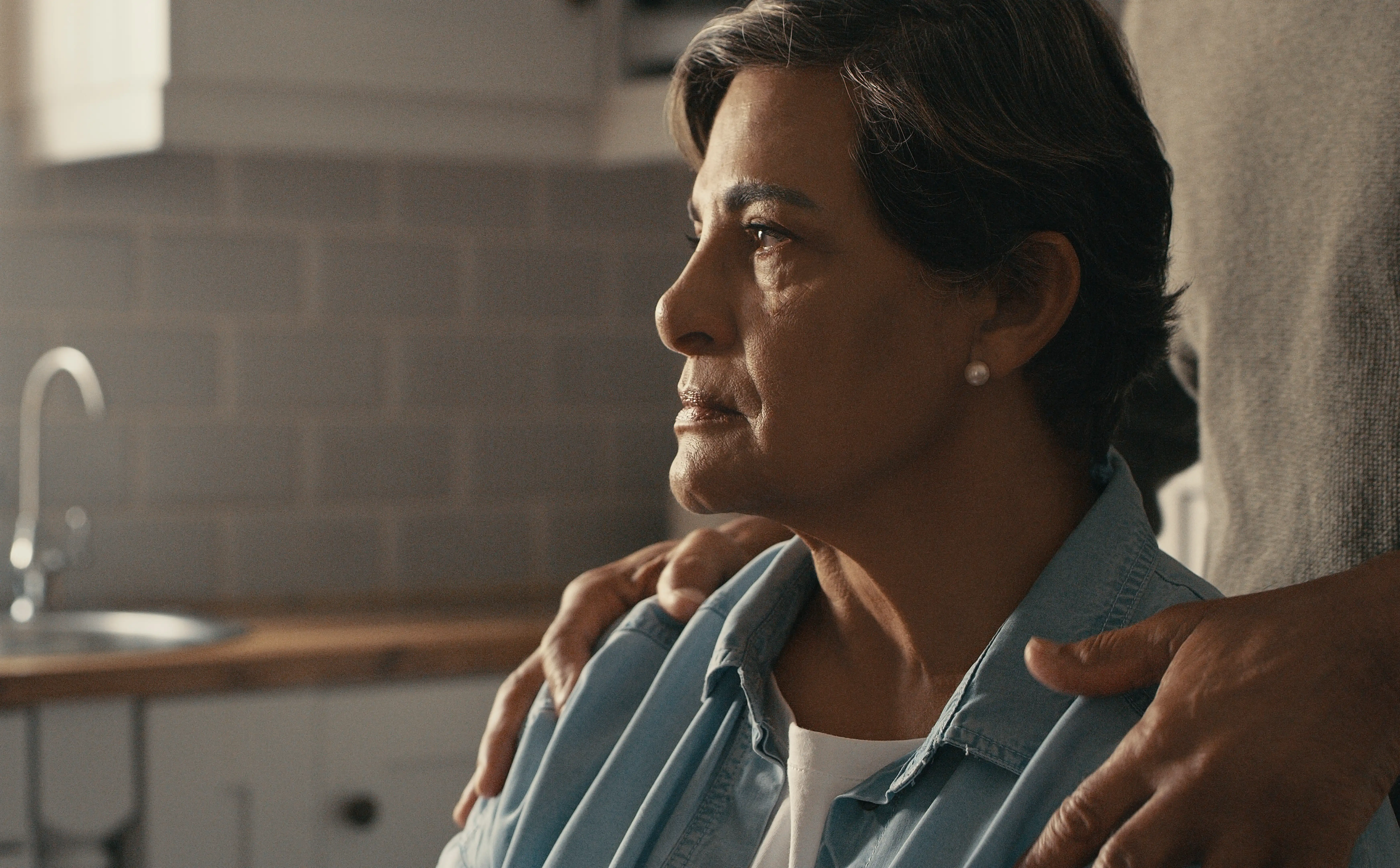
Examples like these show what a more inclusive approach, one that centres older women's rights, can look like.
Bringing older women, victim-survivors, advocates and experts into news coverage can help to challenge assumptions about ageing and sexuality and give older women more say in how their experiences are understood.
Better reporting is only the first step in a much larger task. But it can help build a culture that takes sexual violence against older women seriously and works to help prevent it.
If you or anyone you know needs help or support, you can contact:
1800RESPECT on 1800 737 732, text 0458 737 732 or online chat
Full Stop Australia on 1800 385 578