

Preserving and learning from a century of Castlemaine's 'Fire Books'
Handwritten records of central Victorian fires from 1875 are being digitised to preserve rare local knowledge and record how fire risk is changing over time

Published 15 January 2026
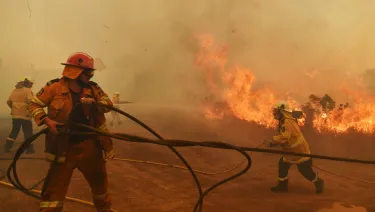
Catastrophic conditions on Friday 9 January sparked multiple fires across Victoria, including the Ravenswood fire that devastated Harcourt, north-east of Castlemaine.
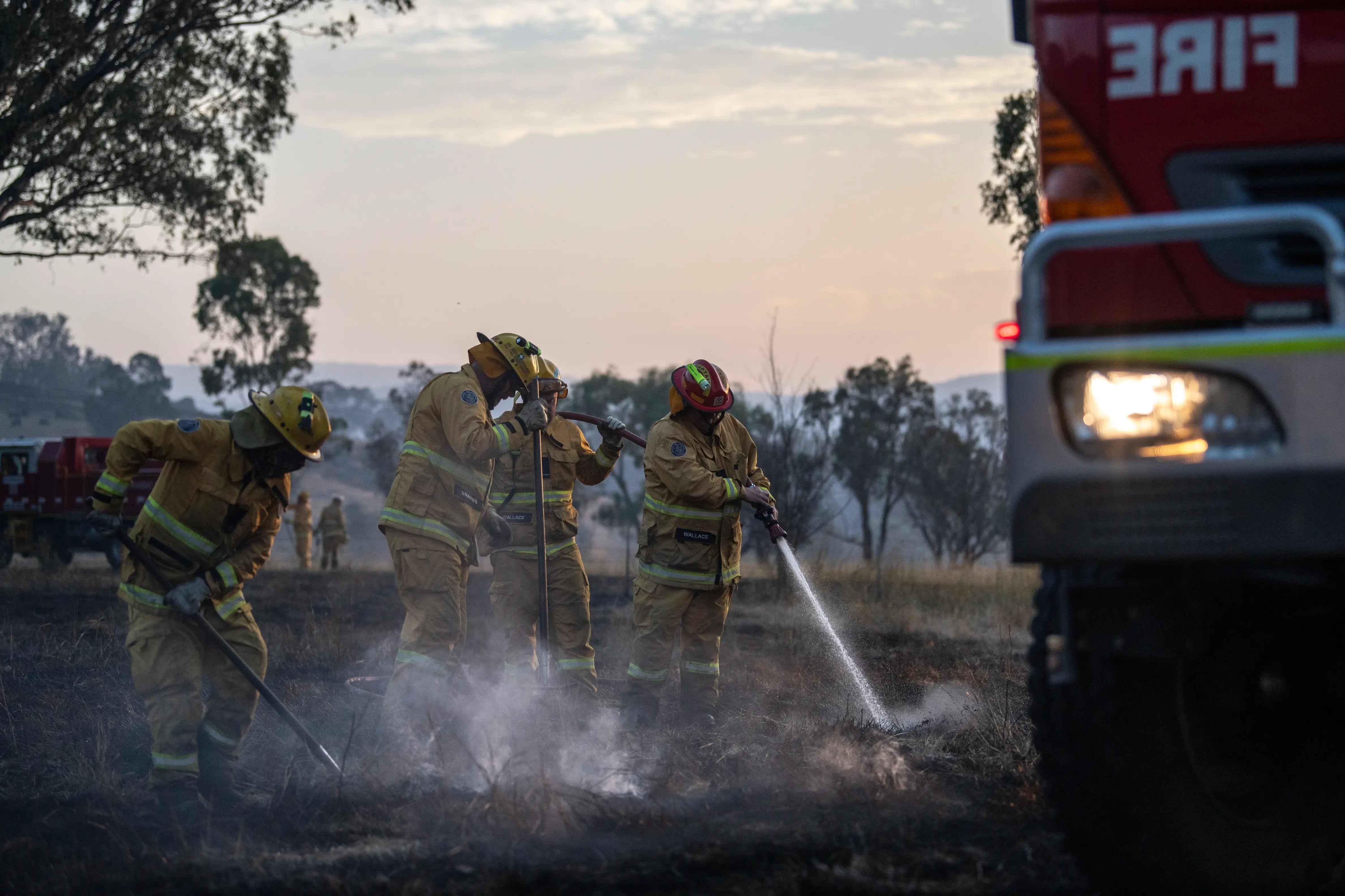
Local brigades, including those from Castlemaine and Harcourt, worked tirelessly alongside residents to defend the town. Communities remain indebted to Country Fire Authority (CFA) volunteers, who continue a long tradition of protecting lives and property.
Recognising this service is not only a matter of historical record, but an acknowledgement that their role in safeguarding communities remains as essential today as it has ever been.
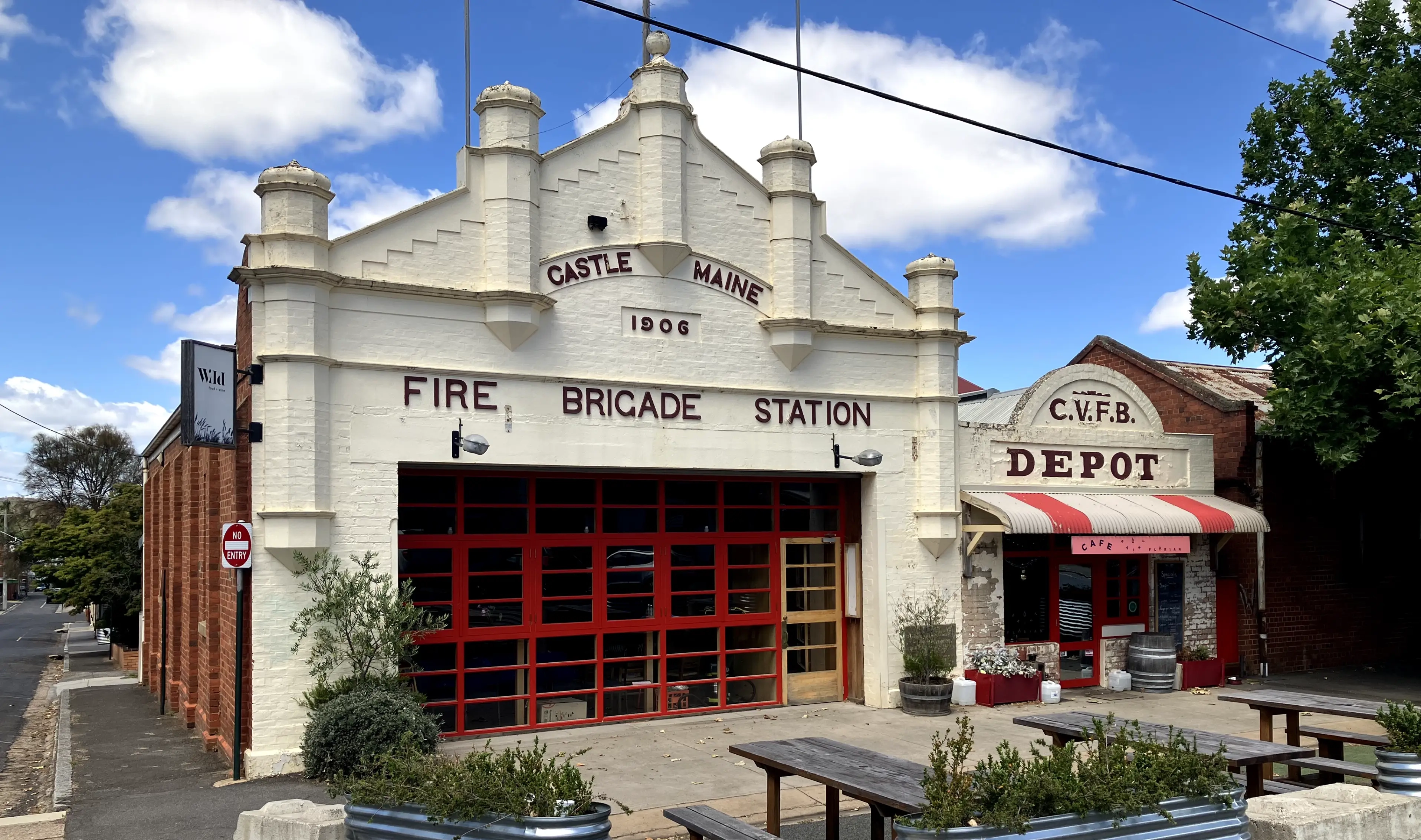
For over 170 years, volunteers at the Castlemaine Fire Brigade have quietly maintained meticulous handwritten records of the fires they attended across Victoria’s Central Goldfields.
These ‘Fire Books’, spanning from 1875 to the late 1980s, capture everything from the routine to the extraordinary. Small grass fires on the town fringe, blazes sparked by unattended campfires and major events that affected the entire community.
Thanks to the University of Melbourne Public Humanities Initiative, the oldest of Castlemaine’s century-long Fire Books are being digitised to preserve the valuable lessons and rich history captured within.
Knowledge lost is knowledge missed
Official records of Australian bushfire activity are sparse for the early twentieth century and largely non-existent for the nineteenth century. So the Castlemaine books constitute a rare record of national significance.
They are uncompromising in their detail, documenting the causes, locations, and scale of incidents, the duration of responses, coordination between brigades, and the financial cost of damage.
For fire scientists and climate researchers, long-term localised information of this kind is gold.
It can be used to refine models of fire behaviour, test assumptions about past fire regimes and land use, and deepen understanding of the ways changing vegetation and legislation have shaped risk over time.
Associate Professor Hamish Clarke, Senior Research Fellow in the FLARE Wildfire Research group, explains that the value of these books lies in their continuity.
“These records are absolutely priceless in helping us understand how risk has shifted over more than a century. It’s not just about the past – these insights could make all the difference in adapting to an increasingly fiery future.”
Victoria has entered its most severe fire season since the Black Summer. Long-term historical data is increasingly important for understanding how fire activity is changing over time.
A collective community memory
The project documents not only the fires recorded in the books but also the community and individuals who have safeguarded this collection over generations.
Politics & Society
What 174 years of bushfire records teach us about emergency management
Lifetime member William Chapman, known affectionately as Uncle Bill or Chappie, has been a long-standing advocate for the preservation of the Brigade’s heritage as a tribute to those who have served and a means of retaining local knowledge.
“We have saved a lot,” Chappie reflects, “but many brigades haven’t.”
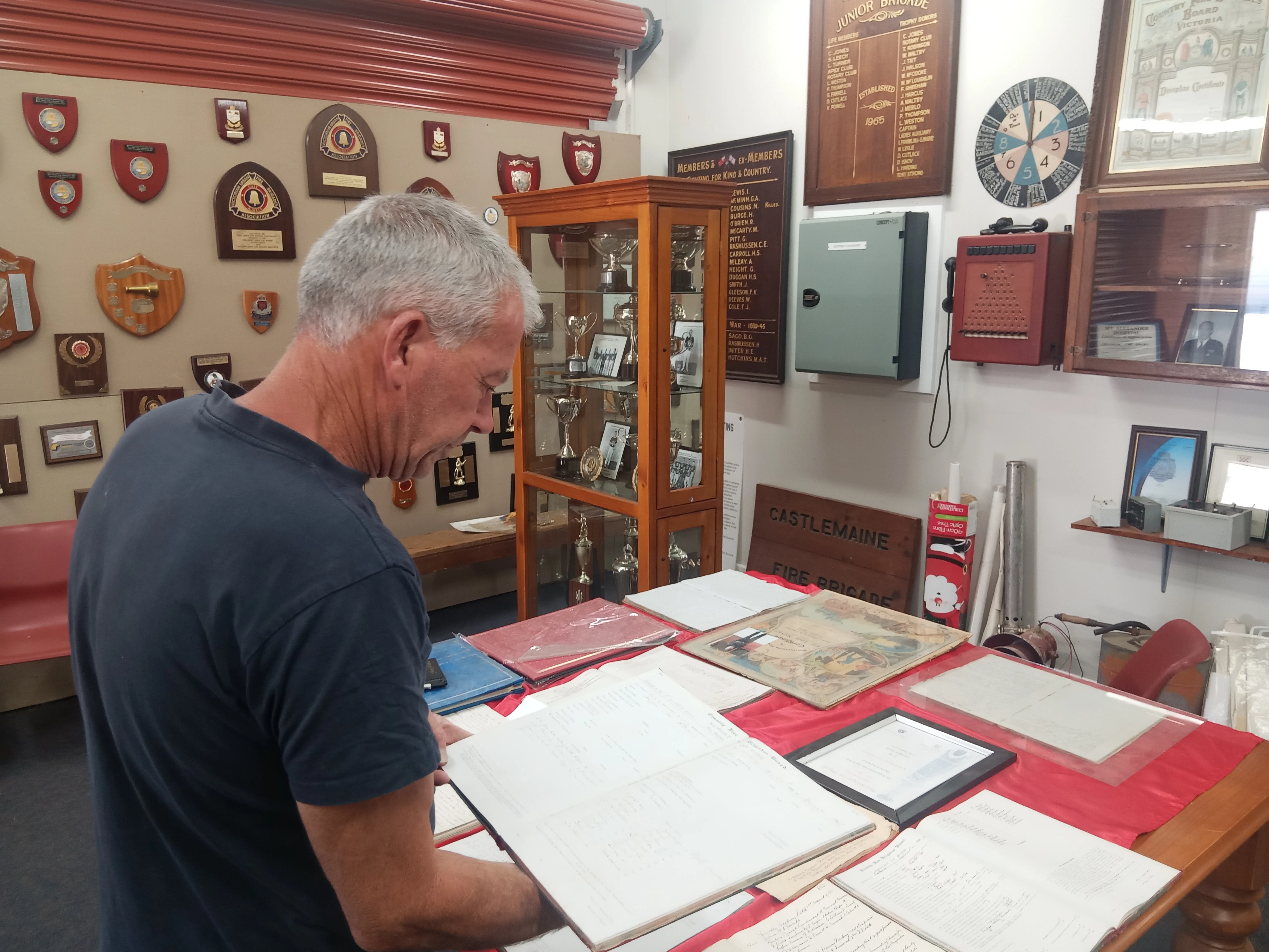
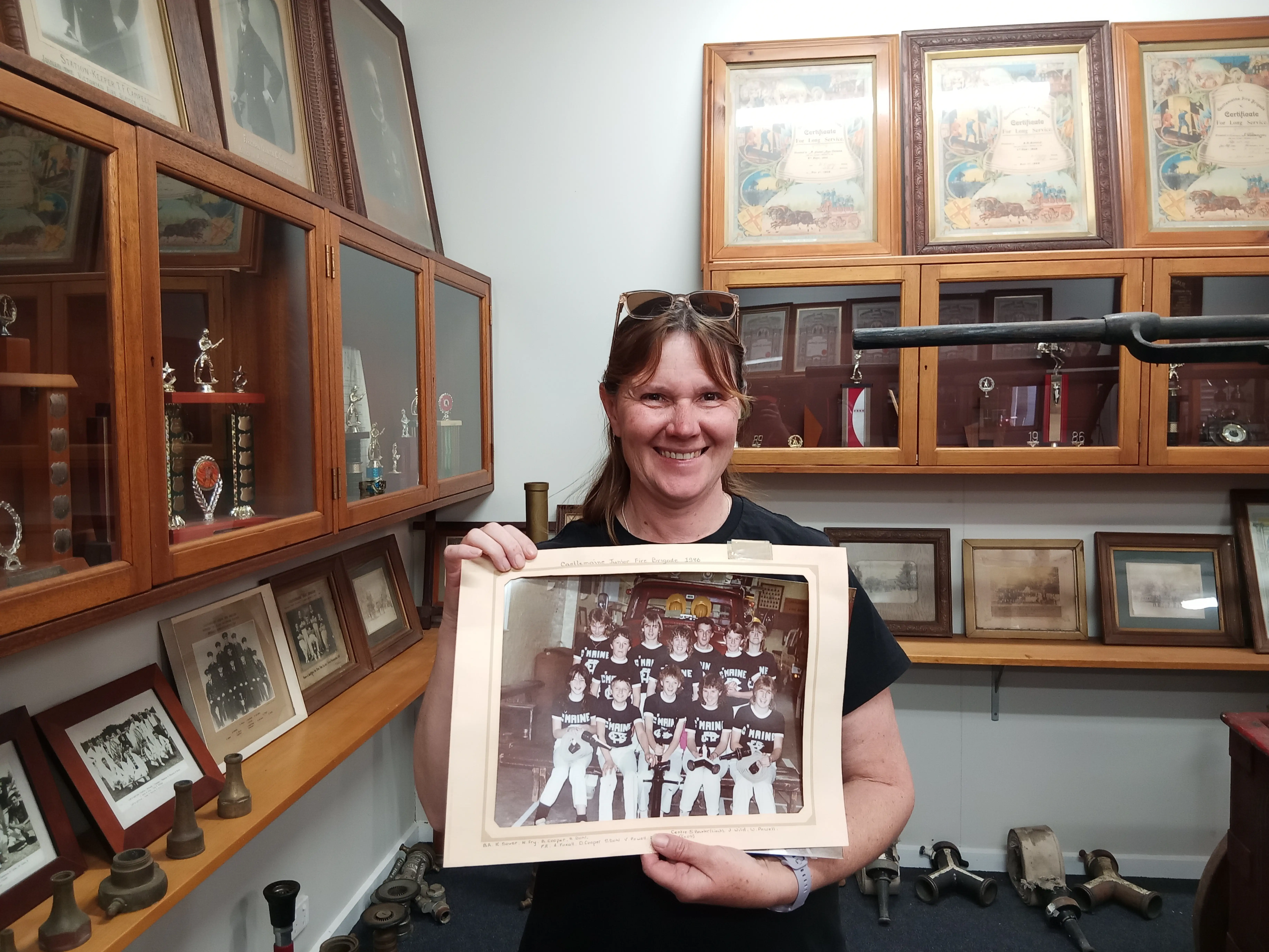
The museum located at the rear of the station, where the Fire Books are now housed, also contains a broader range of historic memorabilia.
There are early pumpers and fire bells, trophies from inter-brigade competitions and photographs of past members, alongside the books themselves. Together, these objects form a material record of the brigade’s role within the community.
For Chappie, a second-generation member of the Castlemaine Fire Brigade, the Fire Books are more than operational records.
 Despite the large amounts on display, there are still decades of records yet to be catalogued. Picture: Supplied
 Chappie sees the books as a rich intergenerational community archive. Picture: Supplied
 The Fire Books contain lengthy details including the causes of fires, duration of responses, the financial cost of damages and more. Picture: Supplied
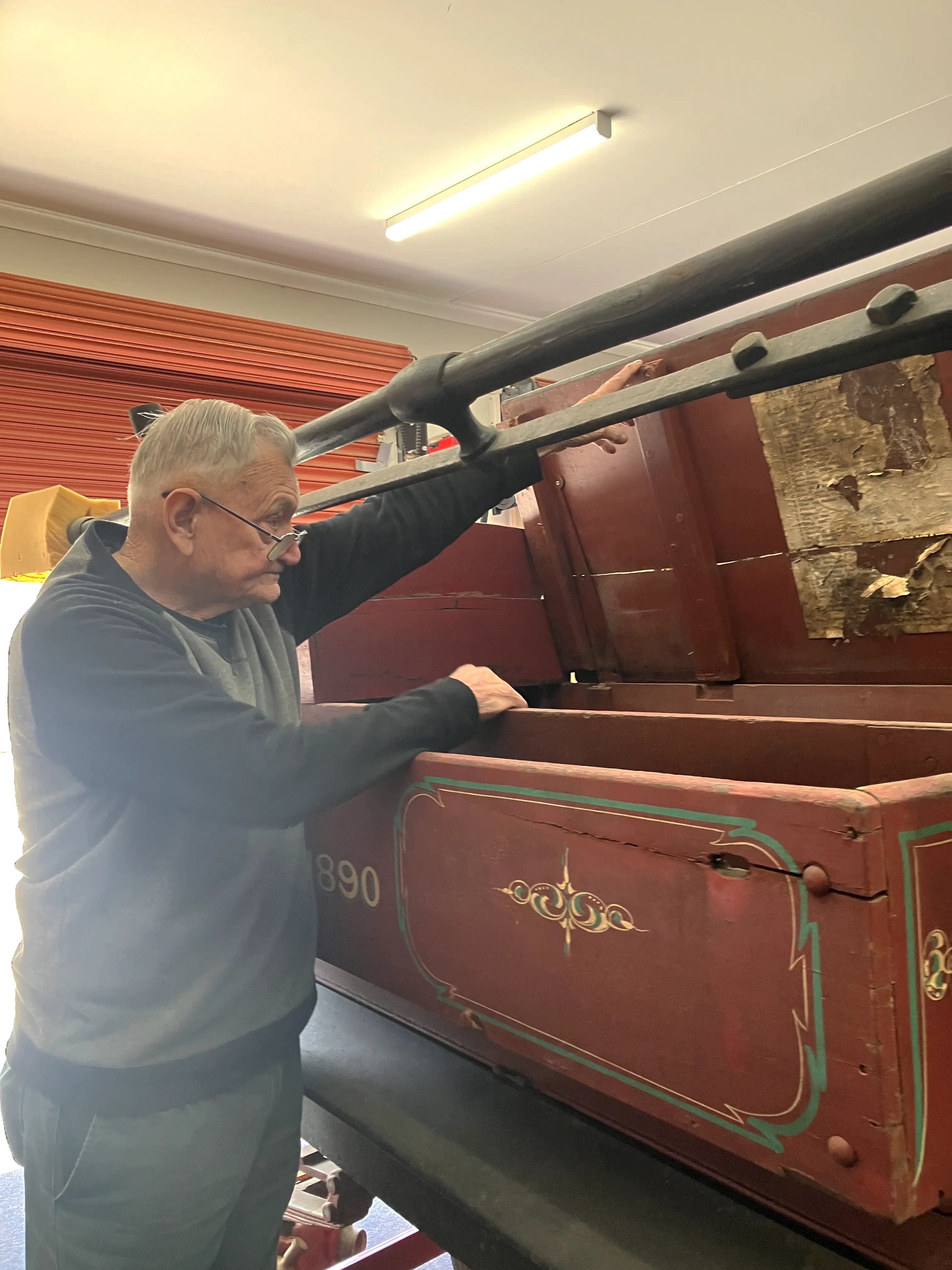 Historic memorabilia help tell the complete story of the Fire Brigade’s role in the community. Picture: Supplied
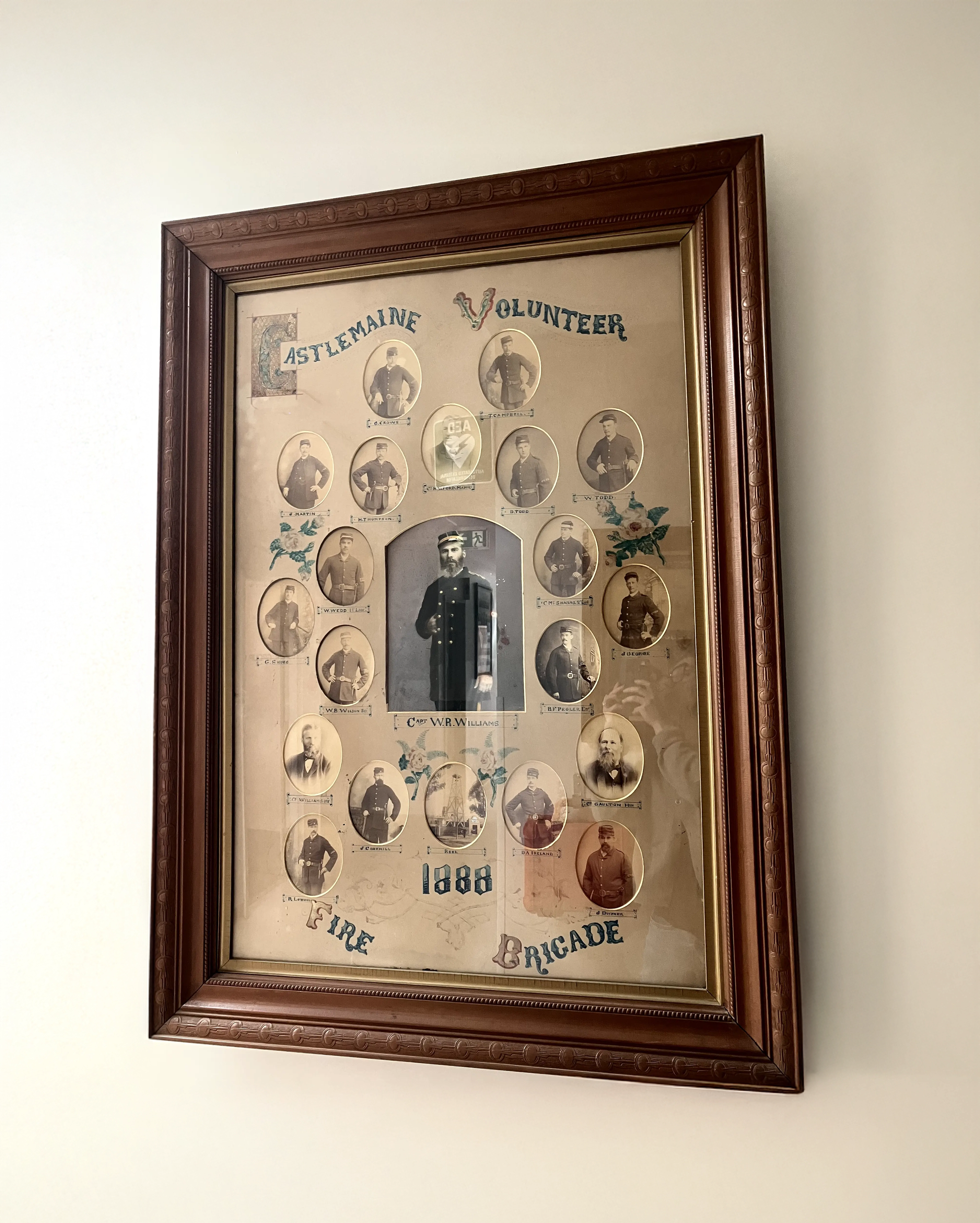 Records and memorabilia on show stretch back as far as the late 19th century. Picture: Supplied
1 / 5
They’re an intergenerational community archive, each containing lists of active members, minutes from monthly meetings – even expenditure and decision-making processes.
The collection also allows Chappie to trace his own family history within the Brigade, including the meeting at which his father was unanimously elected as a member in 1935.
Despite these achievements, Chappie acknowledges that much work remains.
The wooden chest where the records were stored for decades still contains hundreds of additional fire-related documents yet to be catalogued and preserved.
This is where we come in.
From paper to PDF – a new record of fire
Supported by funding from the Melbourne Public Humanities Initiative, the Castlemaine Brigade will work with the National Library of Australia to digitise the oldest surviving books (1875-1933) and make them available on Trove.
The process will digitally transcribe handwritten entries into fully searchable text, making the archive accessible to both researchers and the local community.
Once digitised, the archive becomes a significant new source for understanding Victoria’s fire history, revealing patterns and details that have long remained outside official records, which began to be compiled more comprehensively after 1939.
It also points to a broader possibility.
Across the state, hundreds of brigades, many established in the nineteenth century, may have preserved similar materials.
If comparable records survive elsewhere, a unified statewide dataset could offer an unprecedented view of how fire shaped Victorian communities and how those communities responded.
Such a resource could transform bushfire research by filling a major gap in the historical record with clear, standardised information about historic fires.
For the Castlemaine Fire Brigade, however, the project is equally about recognising the people behind the pages.
For more than a century, the Fire Books were diligently maintained by generations of volunteers as part of the Brigade’s everyday work. Digitising them marks an important step in bringing a long-held community archive into the digital age.
Arts & Culture
The hidden stories in Australia’s cultural data
Terry Franklin, who served as Captain of the Brigade from 2013 to 2025, emphasises the importance of safeguarding the archive.
“This Brigade has been part of Castlemaine for generations,” Terry said.
“Digitising these records ensures that everyone who has served is recognised, and that their contribution remains accessible to the community long into the future.”
This project forms part of Fiannuala’s broader research reconstructing historical Australian bushfire records for the nineteenth and early twentieth centuries.