


Reading how to be male
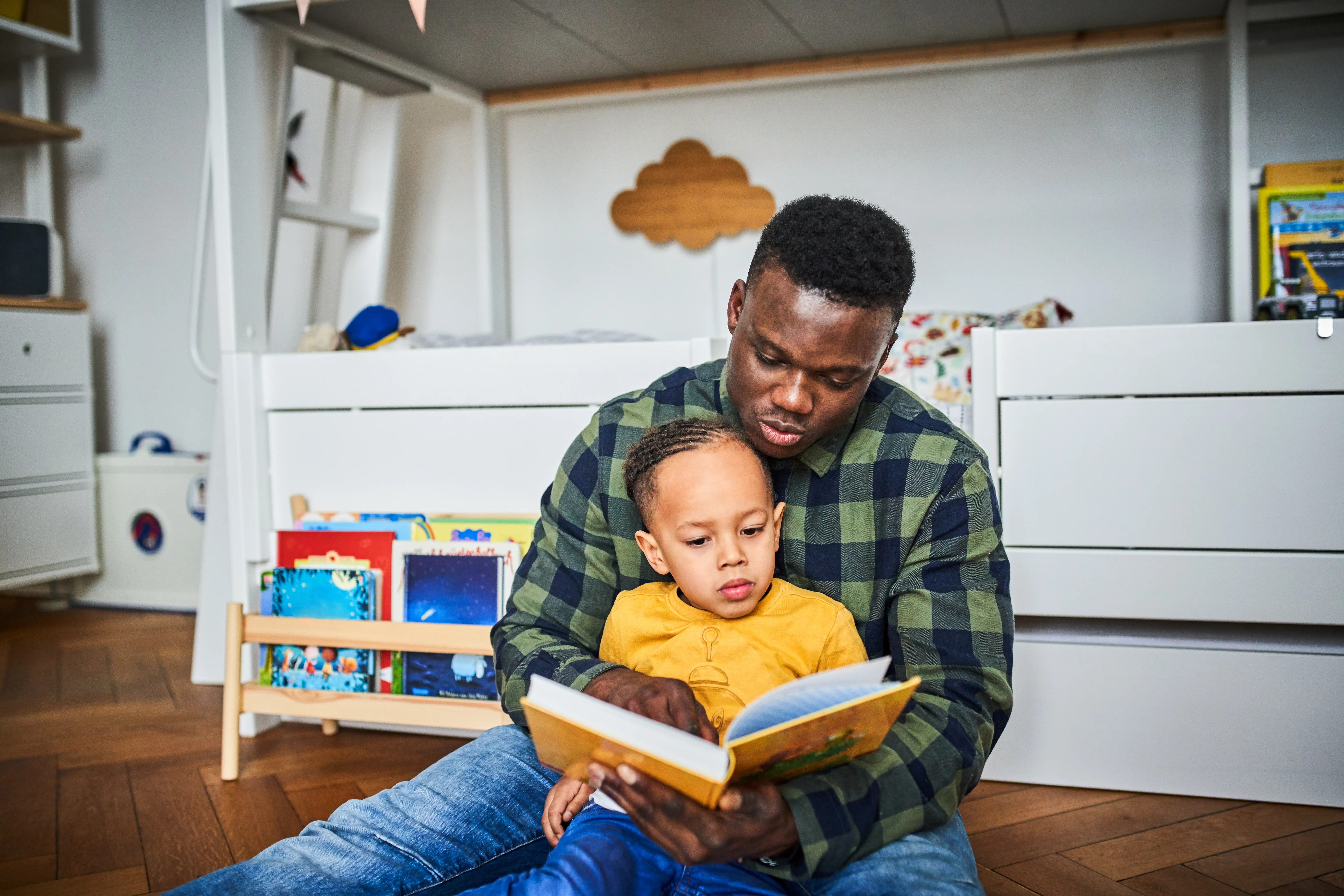
The rise of aggressive masculinity isn’t only online – it’s in the books boys love. But those same texts can lead to meaningful conversations about gender and identity

Published 23 January 2026
There’s growing concern about the rise of harmful and aggressive forms of masculinity, whether at home, in schools or in public spaces.
Parents, educators and researchers are increasingly interested in how and where boys are learning these behaviours. The texts boys encounter – from picture books to social media – all play a role in shaping their understanding of what it means to be male.
The influence of media on masculine identity
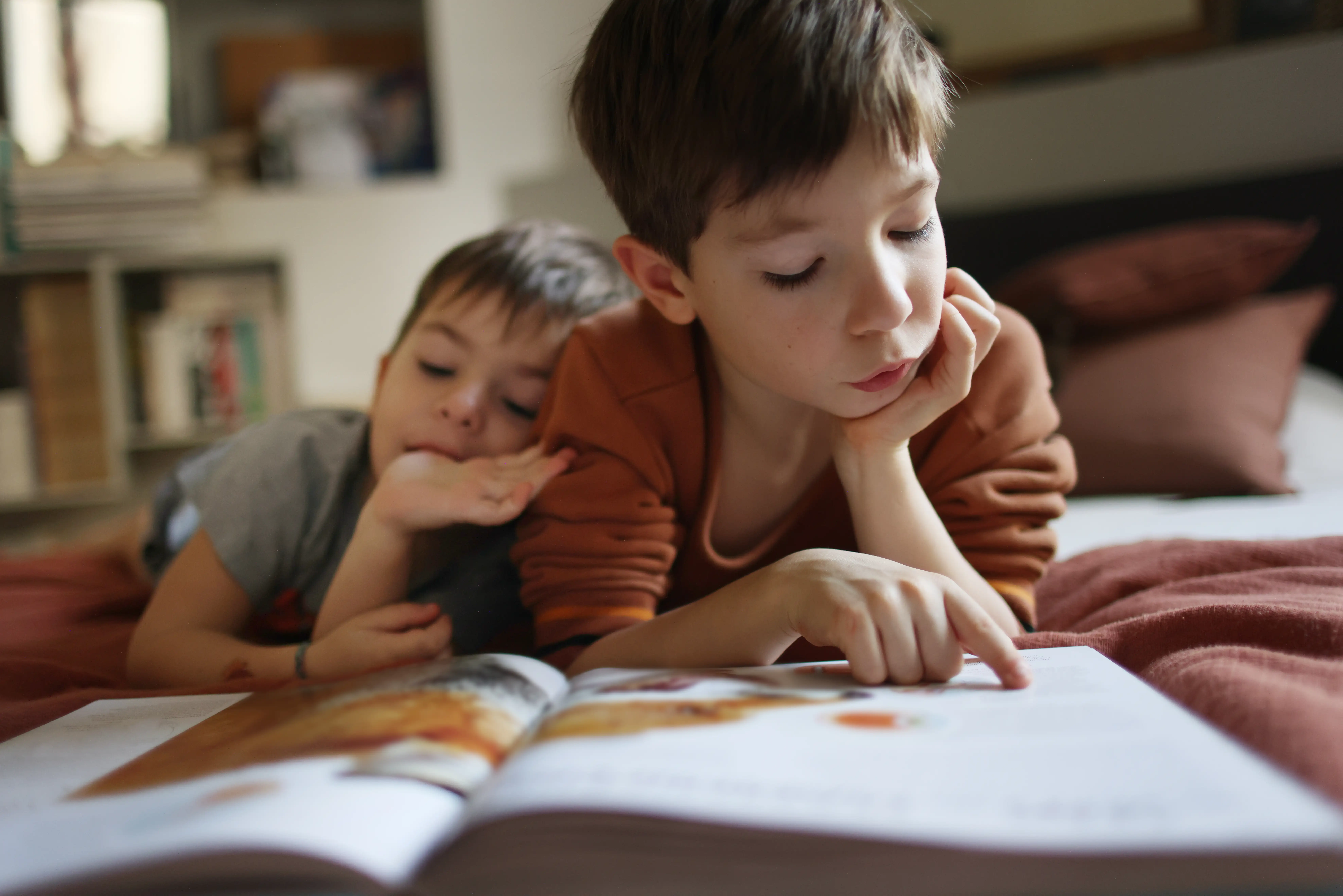
Boys and young men learn about masculinity in various ways, including watching other males, like their father or peers.
Representations of men in media and other texts boys read and view – whether factual or fictional – can also influence their understanding of masculinity.
The recent Netflix series, Adolescence, sparked widespread public conversations about masculinity, specifically in relation to the role online platforms might play in the rise of violent and misogynistic behaviour.
The series, though, also highlighted two key issues.
Firstly, parents and carers may be unaware of what exactly young people are encountering.
And secondly, young people may not be comfortable discussing the things they read or view.
A young person’s discomfort could be for a whole range of reasons – things like content sensitivity, lacking language or emotional skills to talk about what they have seen, unwillingness or inability to voice their uncertainties, feeling unsupported or afraid to speak up, or a combination of all of these factors.
Using books to connect with boys
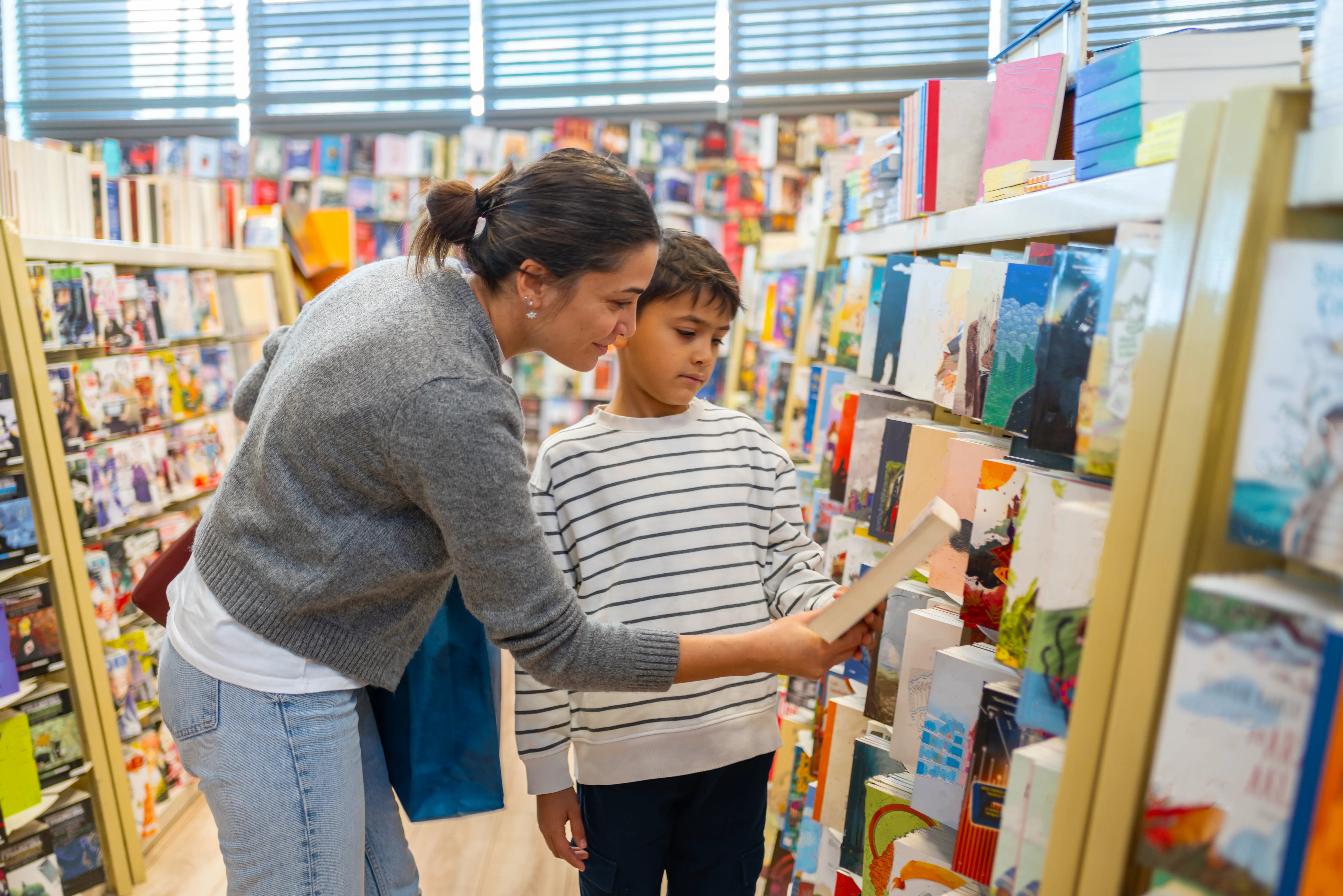
In our increasingly digital world, where online connections can seem more significant than real-world interactions, discussing the books you see boys reading is one way to connect with them.
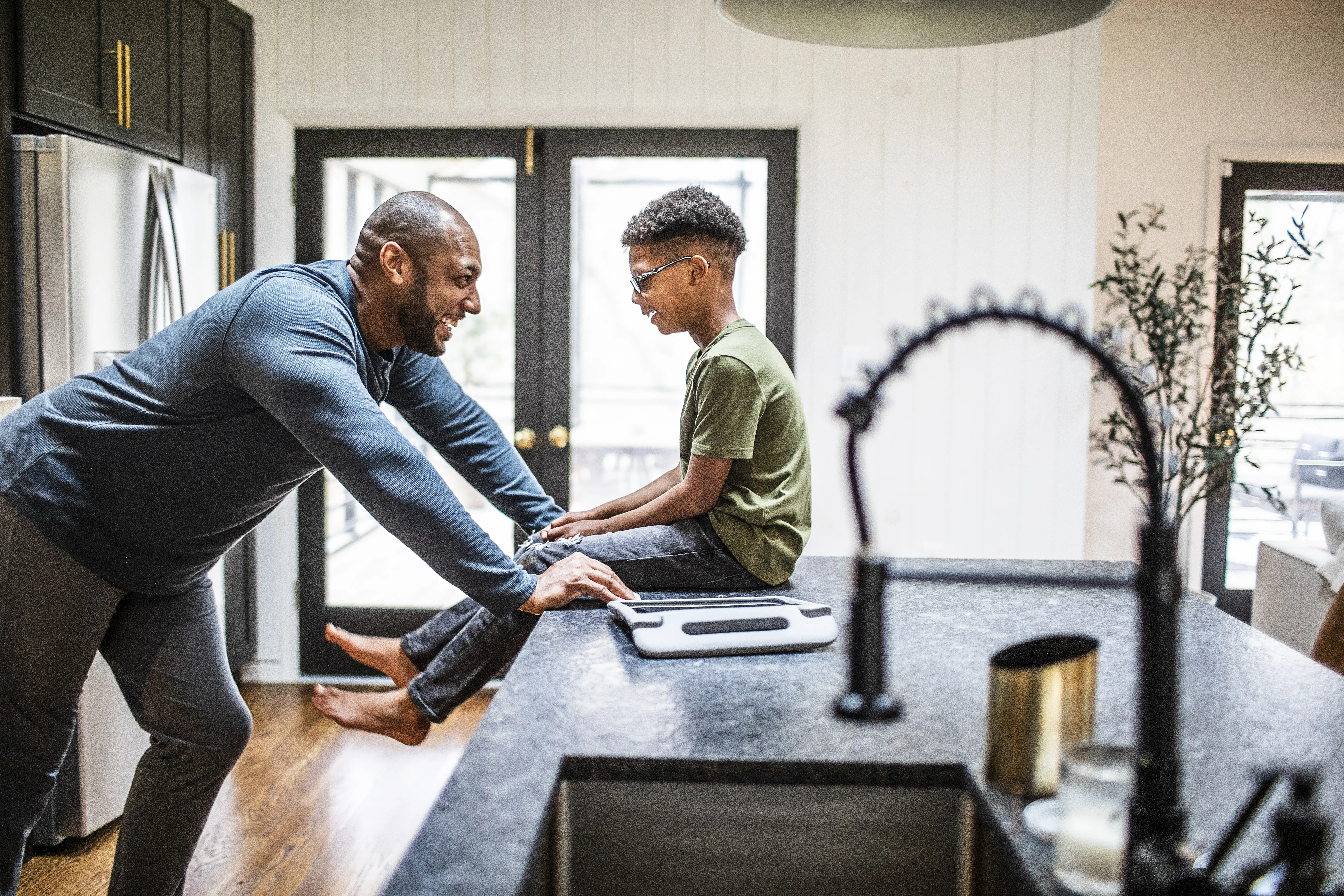
Talking to boys about what they are reading can help to uncover the messages they are receiving about masculinity and gender relations.
And it’s discussions like these that can provide opportunities for boys to ask questions to help them make sense of their gendered experiences and lives, and to guide them towards healthier ways to be male.
Starting with popular book series can be helpful.
While they can foster a love of reading among boys, they can also reinforce restrictive, aggressive and harmful forms of masculinity.
The very popular Treehouse series, by Andy Griffiths and Terry Denton, is one example.

Health & Medicine
How challenging masculine stereotypes is good for men
While there’s no doubt that these books have positively impacted boys’ reading habits, the treehouse is an exclusively masculine space inside which the male characters use ridicule – a form of bullying – in a constant one-upmanship to establish superiority.
While the nonsense and farce are humorous, the series nevertheless promotes violence, comedic as it may be, as a central characteristic of being male.
This isn’t to suggest that the Treehouse series should be censored in any way. Far from it. Rather, the series provides a window into boys’ thinking and feeling.
As does the similarly popular The Bad Guys series, by Aaron Blabey.
While much of the humour is also largely physical and absurd, the male characters – all animal predators – set out to become model citizens by repressing their innate violent urges to perform good deeds.
The later books in this series actually begin to address the way in which violent masculinity reproduces violence and harms everyone – both men and women.
Research has shown that boys and young men are critical consumers of online content, and the same skills we encourage in reading books can be applied to other media they read and view.
Asking boys to reflect on the characters’ behaviours and relationships, and whether these are ways of being male they want in their own lives, is one way to begin understanding how they are forming their understanding of masculinity.
Discussing the texts boys encounter also offers an opportunity to directly challenge aggressive or harmful forms of masculinity.
It can also provide a space for young men to voice any concerns, anxieties and insecurities they may have.

Politics & Society
How the toxic went mainstream
Shifting perspectives on masculinity
While some say that gender is biological, gender norms are not fixed, but change between places and over time: men kissing and holding hands is acceptable in some cultures, and pink used to be for boys.
The Men’s Project’s recent report on the Adolescent Man Box found there are some positive shifts in boys’ views about masculinity. But challenges still remain.
Boys still feel pressure to appear strong and confident. Some express homophobic or transphobic views. Access to harmful pornography remains a concern.
Supporting boys to critically think about what they’re reading, observing and absorbing can contribute to positive changes in boys’ understanding of masculinity.
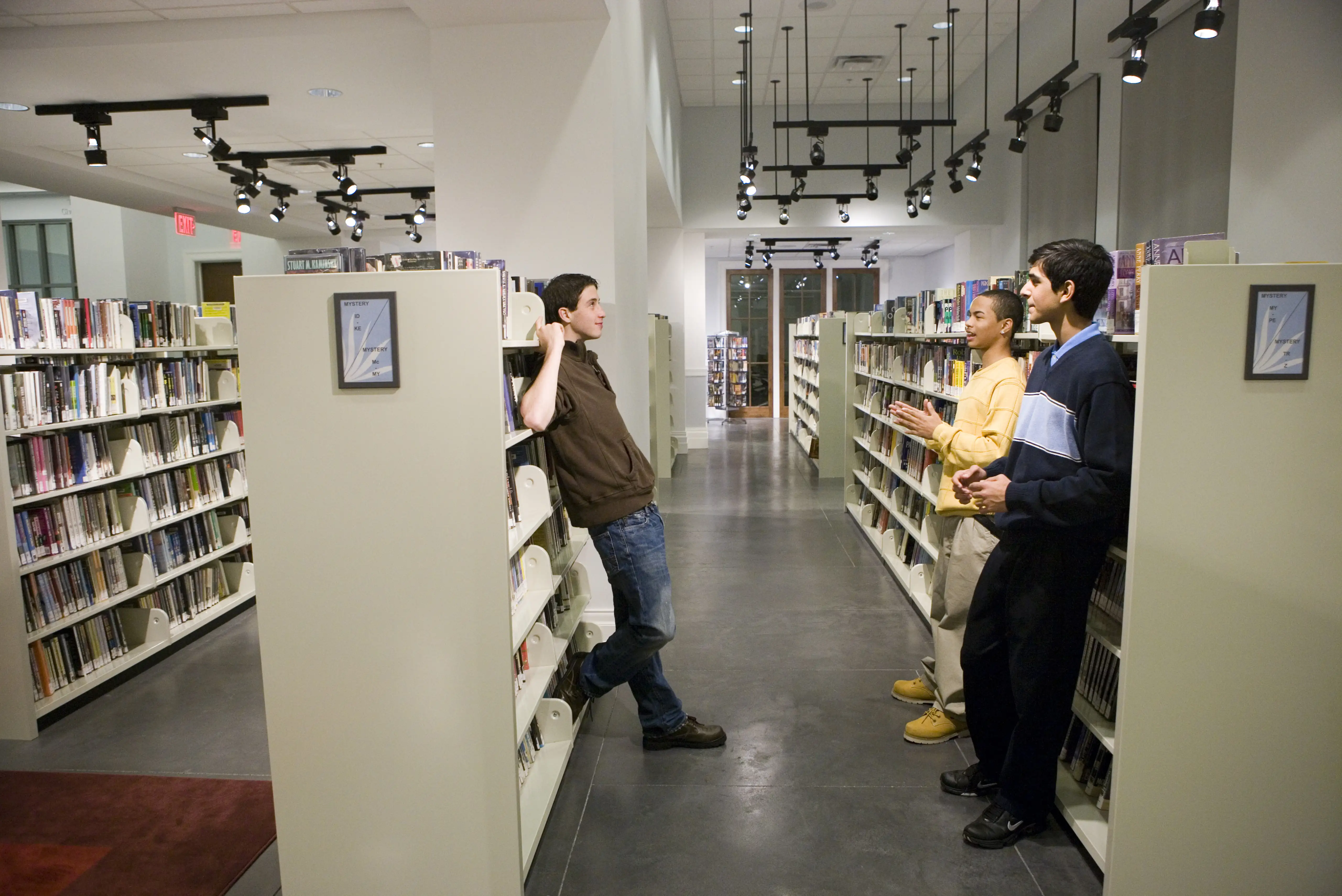
There are some helpful steps we can all take to help foster meaningful discussions about masculinity with boys:
Start early: Engage boys in conversations about gender from a young age.
Use relatable examples: Draw parallels between characters’ experiences and real-life situations.
Encourage questioning: Prompt boys to challenge stereotypes they encounter in texts.
Provide diverse reading materials: Expose boys to a wide range of literature that depicts different ways to be male.
Create safe spaces: Ensure boys feel comfortable expressing their thoughts and feelings without judgement.

Rather than banning boys (and young people) from reading and viewing texts, we should empower them to critically engage with media, question harmful stereotypes and construct their own positive versions of masculinity.
By actively participating in boys’ media consumption and fostering open dialogue, parents, carers and educators can help to shape more positive and inclusive understandings of masculinity for everyone.