


Research has found genes behind the insecticide-resistant aphids damaging Australia’s crops

Livestock feed crops are under threat from aphids that evolved resistance up to 35 times stronger than normal. Now scientists are looking into the genes behind these terrors to pasture


Published 9 December 2025
For keen veggie growers and rose enthusiasts, aphids can be a real bane to your gardening dreams.
These little insects are not only sap suckers – literally sucking the life out of plants – but they can also transmit toxins and diseases into plants that make them sick.
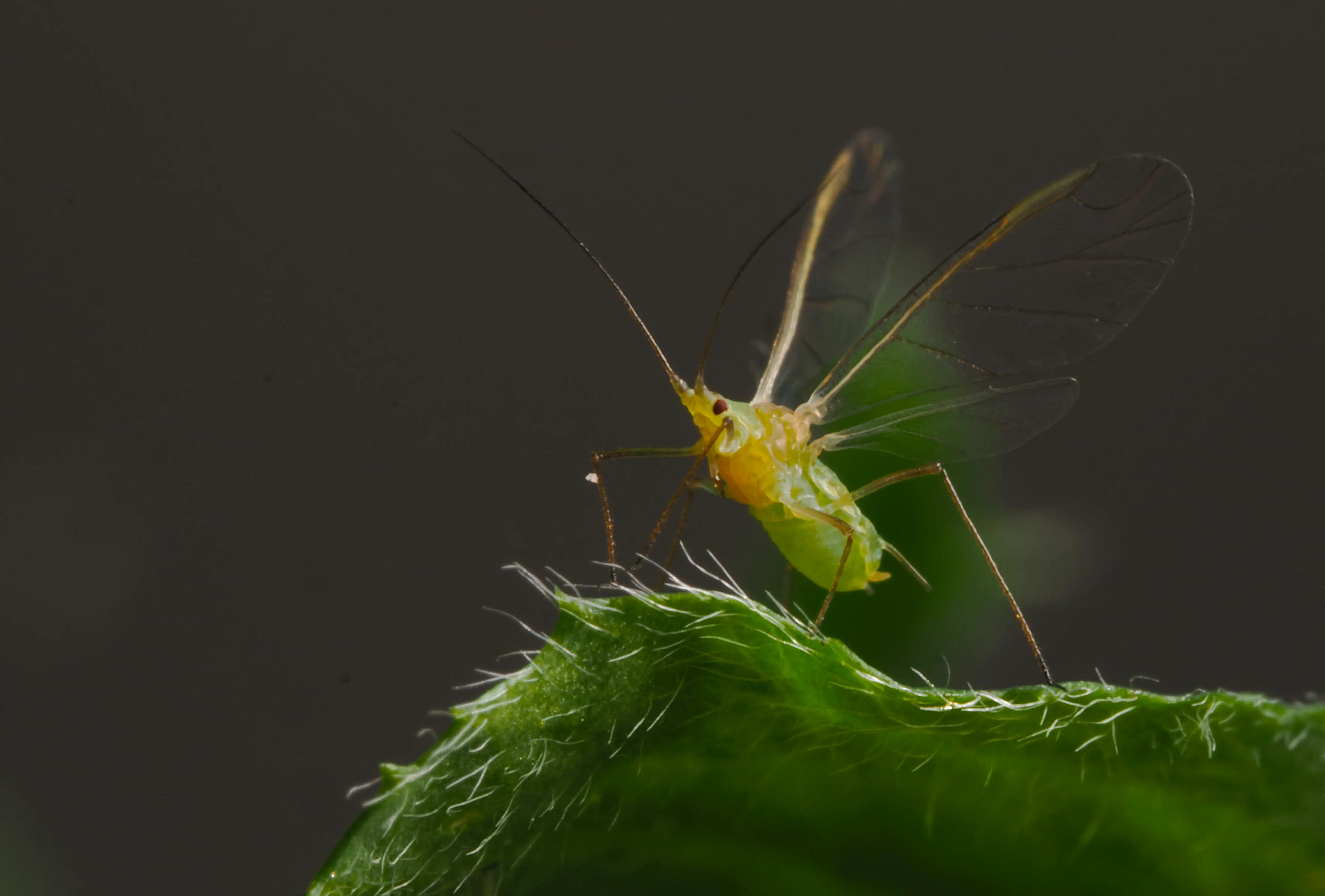
Controlling aphids in both the home garden and in agriculture often involves using chemical insecticides.
These chemicals can be highly effective at suppressing aphid numbers – that is, until aphids evolve resistance.
In agriculture, resistance to insecticides can cause millions of dollars of economic damage, and in severe cases, may threaten food security.
Resistance to insecticides occurs through the process of genetic mutation. Randomly, a single individual might acquire a new mutation that allows them to survive contact with insecticide.
While other aphids may perish, the insecticide-resistant ones will survive, reproduce and pass on their resistance mutation to the next generation.
The spread of resistance in aphids can be particularly rapid in Australia because our pest aphid populations reproduce by cloning.
Like something out of a sci-fi movie, aphids can make exact genetic copies of themselves. This allows resistant mother aphids to pass resistance mutations directly to their clonal daughters.
A major aphid pest of Australia’s pasture industry is the bluegreen aphid, Acyrthoisphon kondoi.
This aphid primarily feeds on lucerne, a crop grown as feed for livestock. Pastures that suffer significant lucerne damage produce poorer quality feed and yield fewer seeds to sow pasture in the future.
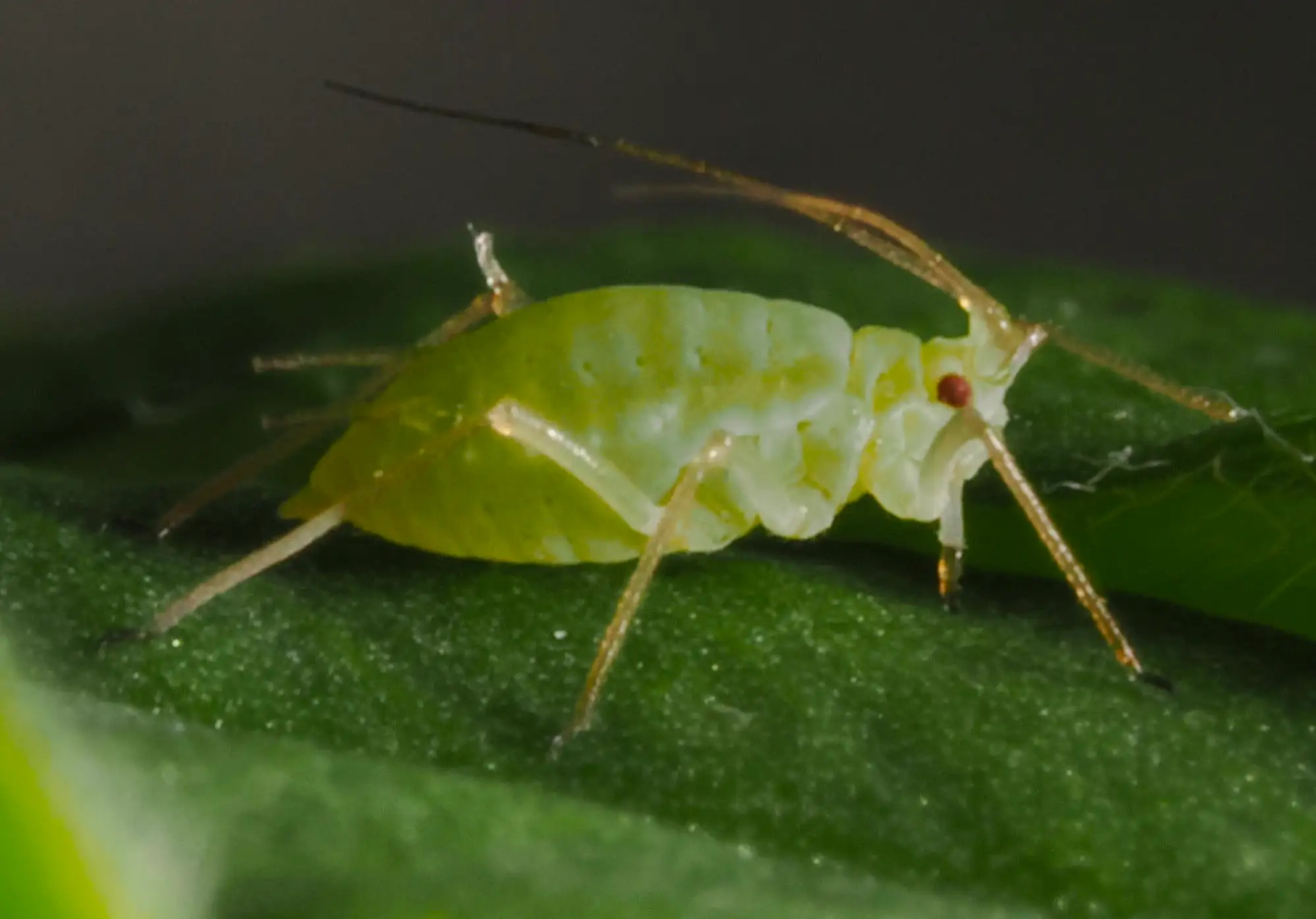
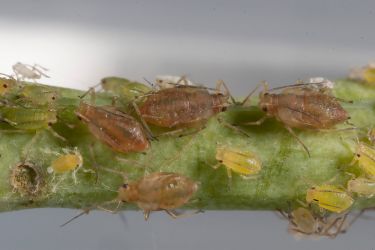
In 2019 and early 2020s, lucerne growers reported failures of insecticide control of bluegreen aphid.
Then follow-up research revealed the unwanted truth: bluegreen aphid had evolved resistance to multiple insecticides.
This was particularly striking because no other country has officially reported levels of resistance like those observed in Australia.
Our work in the Pest and Environmental Adaptation Research Group (PEARG), recently published in Molecular Biology and Evolution, aims to understand the genetic basis of resistance in the bluegreen aphid.
By understanding the genes controlling resistance, we can better understand how resistance evolves and then track its spread across populations.
Sciences & Technology
Targeting the bacteria inside insects for improved pest management
Identifying the genes of insecticide resistance began with the assembly of the first reference genome for the bluegreen aphid. This reference genome is like a ‘genetic map’ that describes the composition and arrangement of all the genes found in the bluegreen aphid.
We then used this reference genome to analyse patterns of gene expression in resistant and susceptible bluegreen aphid strains.
This led us to identify a candidate gene that we believed to be a major culprit of insecticide resistance. This candidate – known as the E4-like esterase – belongs to a family of genes that is involved in the detoxification of chemicals.
Our research found that resistant bluegreen aphids could express this gene more than 200-times greater than susceptible bluegreen aphids.
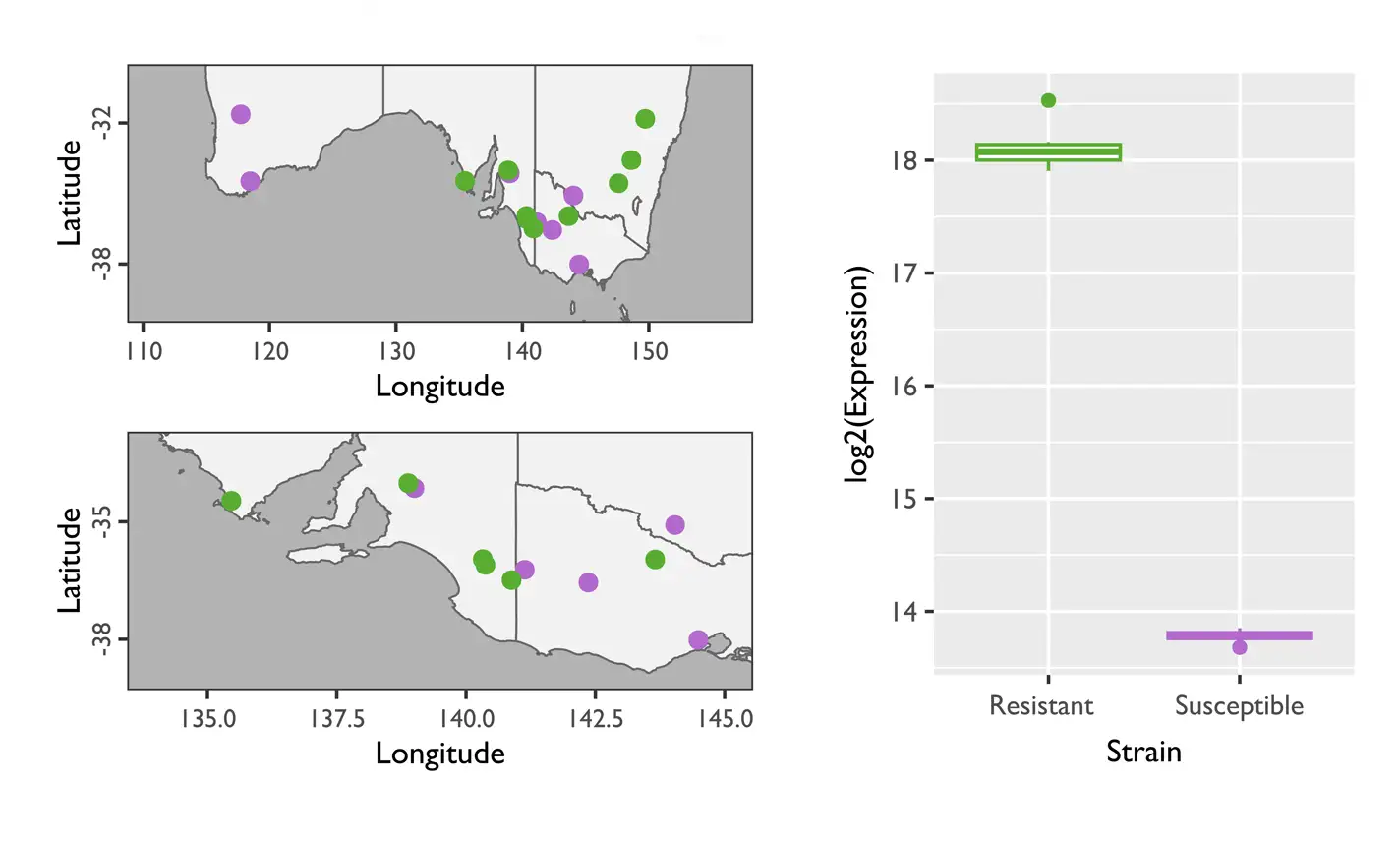
This overexpression meant that resistant aphids produced more E4-like esterase proteins, which helped eliminate insecticides that entered their bodies.
We confirmed the role of this E4-like esterase by performing a nifty experiment using fruit flies, with the help of our collaborators at the University of Exeter in the UK.
They were able to express our bluegreen aphid E4-like esterase gene in fruit flies. Flies expressing this gene became less sensitive to several insecticides – providing strong evidence that this was a key insecticide resistance gene in bluegreen aphids.
To understand the spread of this resistance gene in the wild, we screened samples of field-collected bluegreen aphid provided by scientists at Cesar Australia.
Our genetic screening results indicate that the resistant E4-like esterase has spread into populations in South Australia, Victoria and New South Wales.
Sciences & Technology
Have resistance, will travel
This considerable area covers a large swath of the country where lucerne is grown.
Our research identifies key strategies for future bluegreen aphid management.
The broad area where resistance is found tells us resistance is an area-wide problem, requiring lucerne growers to work together.
The E4-like esterase we identified provides resistance to multiple chemicals currently registered for bluegreen aphid control.
While bringing any new chemicals into the mix would, at least in the short term, provide farms with alternative chemical options – we don't know how extensively, or how quickly, bluegreen aphids might develop resistance to them.

As the world seeks cleaner and greener agriculture, a possible solution is for growers to shift their reliance toward biological control options.
This could include using fungi, bacteria and predatory insects to suppress aphid populations more naturally.
These biological control options could help reduce selection pressures from insecticides, slow the rate of resistance evolution and, ultimately, provide growers with more pest management options.