

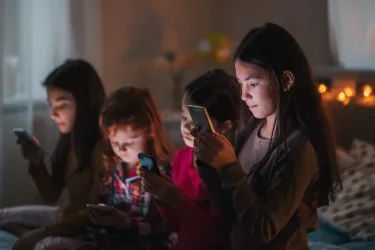
Supporting kids’ social lives, without social media
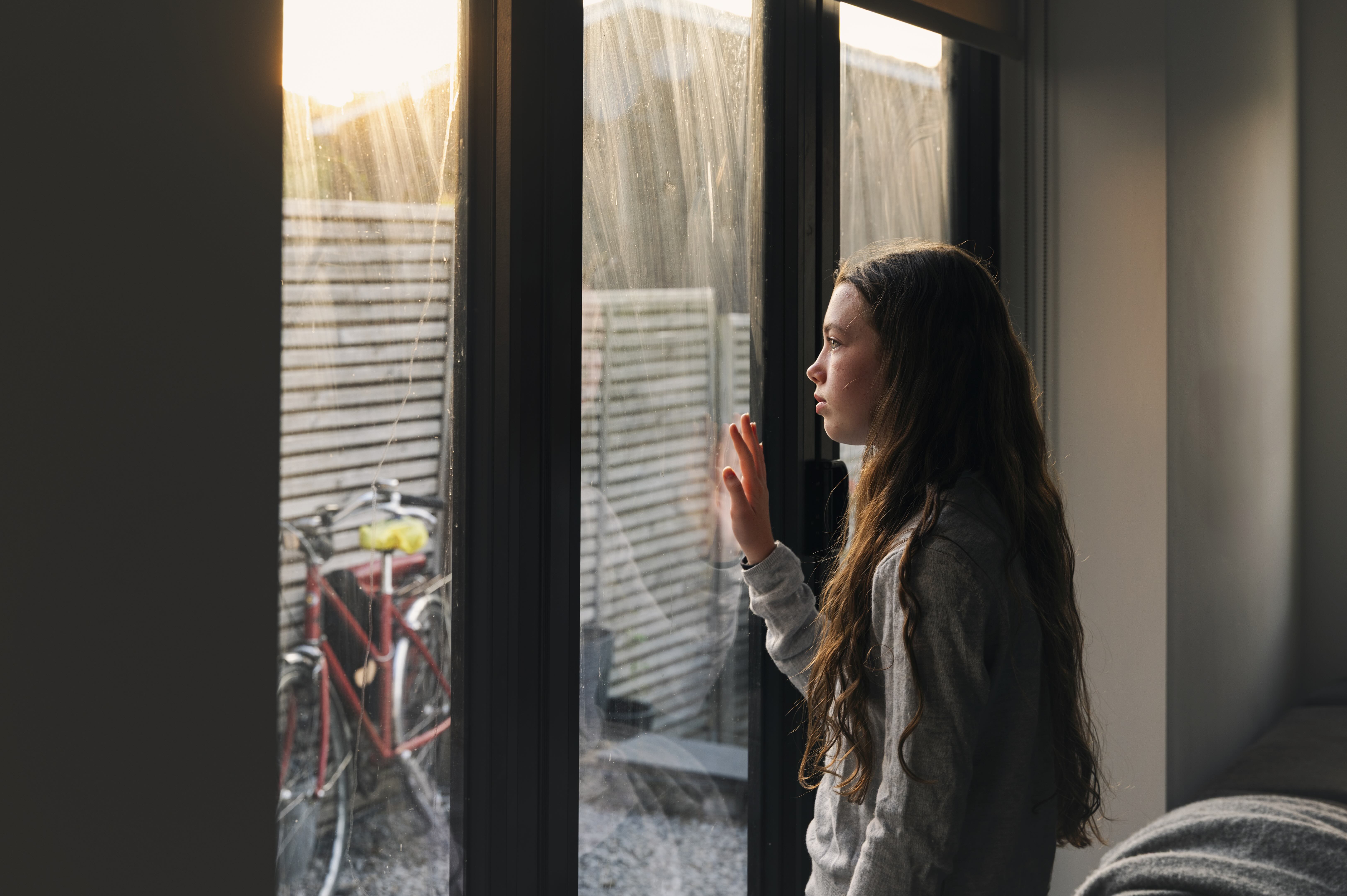
For many young people, social media brought belonging and friendship. As both the ban and summer holidays get underway, we look at how to support them and find new, meaningful connections


Published 23 December 2025
As this school year ended, kids under 16 also lost access to social media. Some are relieved. Some are furious. Many are quietly wondering: what now?
From a digital wellbeing perspective, there’s no single 'right' way to respond. How kids handle this depends on their personality, offline opportunities and family support.

While social media companies hold legal responsibility, day-to-day support now falls to parents, carers, teachers and youth workers.
That shift matters - it changes who helps kids stay connected and safe. In some ways, this is a big social experiment playing out, and we won't have clear outcomes for years.
Who to keep an eye on this summer
For some, social media wasn’t a hostile environment; it was safety, security, belonging and connection. We want to keep a closer eye on:
Socially anxious and lonely young people, where online interactions compensate for the lack of in-person support. Being told to “go outside and play” can feel like being sent back into the same dynamics, without the online buffers they’ve relied on.
Young people whose friendships are mostly online often include neurodivergent and LGBTIQA+ kids, teens in out-of-home care, Indigenous kids living away from Country and those in remote communities.
Online friendships during COVID that never transitioned offline.
Kids who are neurodivergent or have a disability, as gaming and streaming communities can be where the rules of connection finally make sense and boundaries are more controllable. Research shows 70 per cent of young people with disability feel it is easier to be themselves online, compared with 59 per cent of their peers.
Signs we should be watching for
Remember, not every grumpy teenager is in crisis - some level of frustration is completely normal here.
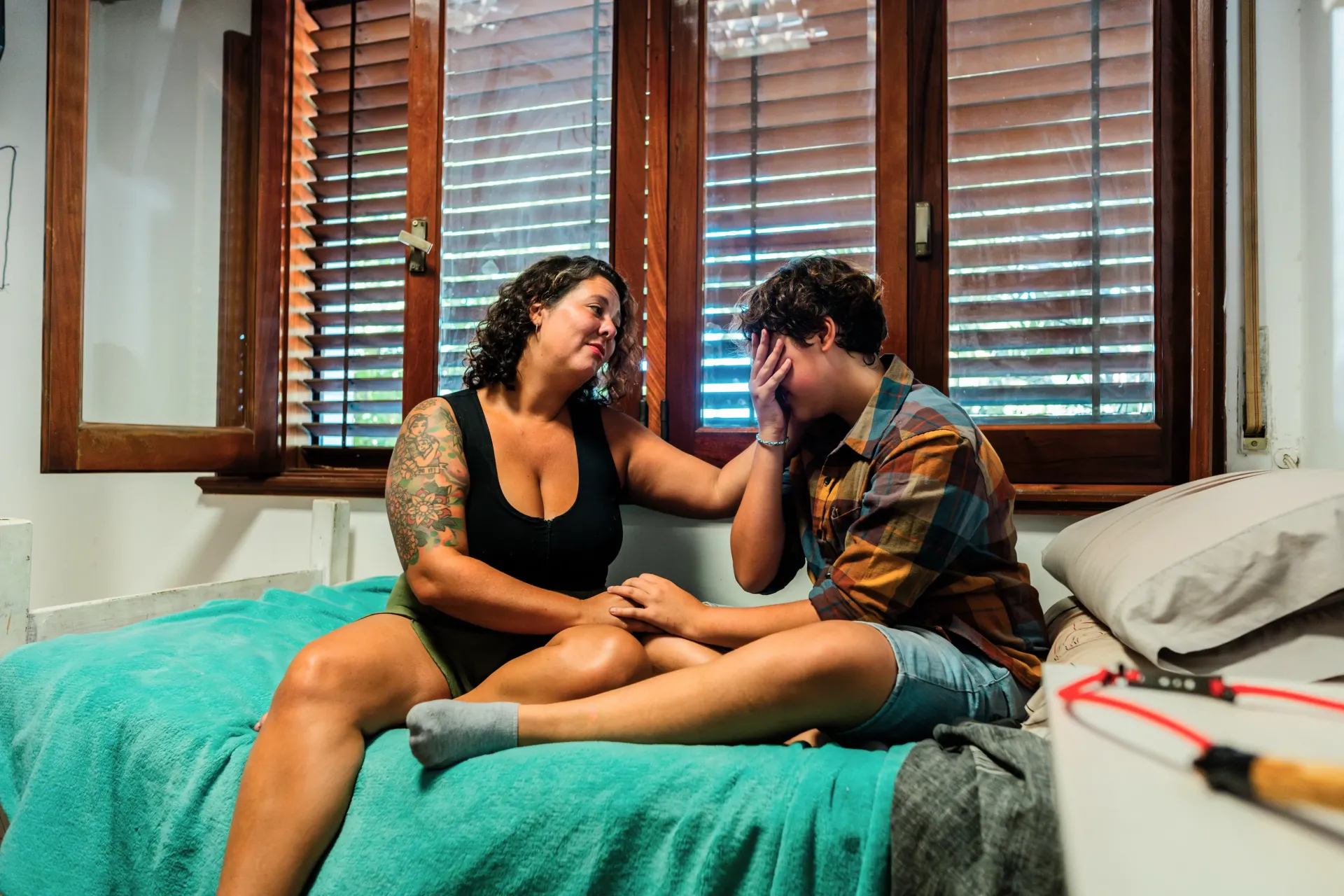
Look out for ongoing emotional changes such as flatness, irritability, shutdown, or big mood swings linked to technology.
Other signs include behavioural shifts like disrupted sleep, loss of interest in previously enjoyed activities, or increased secrecy around devices.
Social withdrawal is another key sign and might include pulling away from offline friends or expressing fears of being left out or having no one.

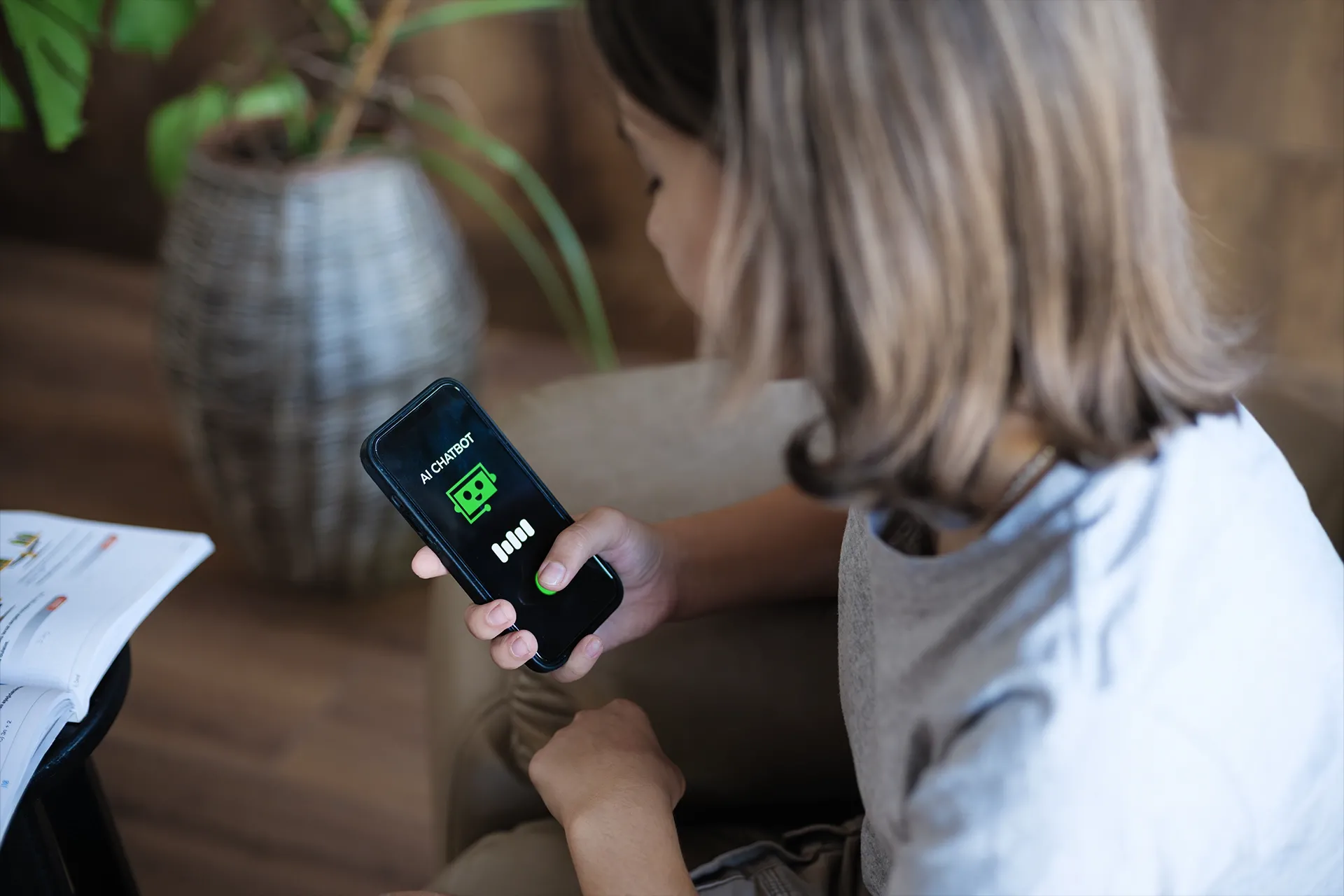
Suddenly spending long hours on new or unfamiliar apps, or talking about “AI friends”, chatbots or anonymous forums as their main source of support might also be cause for concern.
If a few of these stack up together, it’s a cue to create a time and place for conversation.
How to start conversations
The goal isn’t to catch them out; it’s to keep the bridge between you open. It is important how we talk, not just what we say.
Research on “media parenting” shows that being curious and having collaborative conversations may promote emotional, psychological, and social well-being than strict surveillance or banning alone.
Effective conversations start with listening more than talking, allowing your child to finish, share their ideas and resisting the urge to fix things immediately.
In our areas of expertise, these include hallmarks of motivational interviewing techniques and authoritative parenting.
Leading with accusations about rule-breaking often shuts down honesty, especially about online experiences.
Instead, position yourself as an ally helping them navigate the situation, rather than as an enforcer of rules, to keep trust and communication open. Always anchor in care and remember to be gentle.

Some openings that can help:
“This ban’s been a big change. How’s it feeling for you?”
“What do you miss most about being online?”
“Are your friends doing anything different to stay in touch?”
“I’ve noticed you’ve been quieter and sleeping later since your accounts changed. I care about how this feels for you. Can we talk about it?”
If they are using workarounds, the most protective stance is often to ally with them against the problem, not enlist yourself as the law’s enforcer.
“We’ll figure this out together” lands very differently than “too bad, it’s the law.”
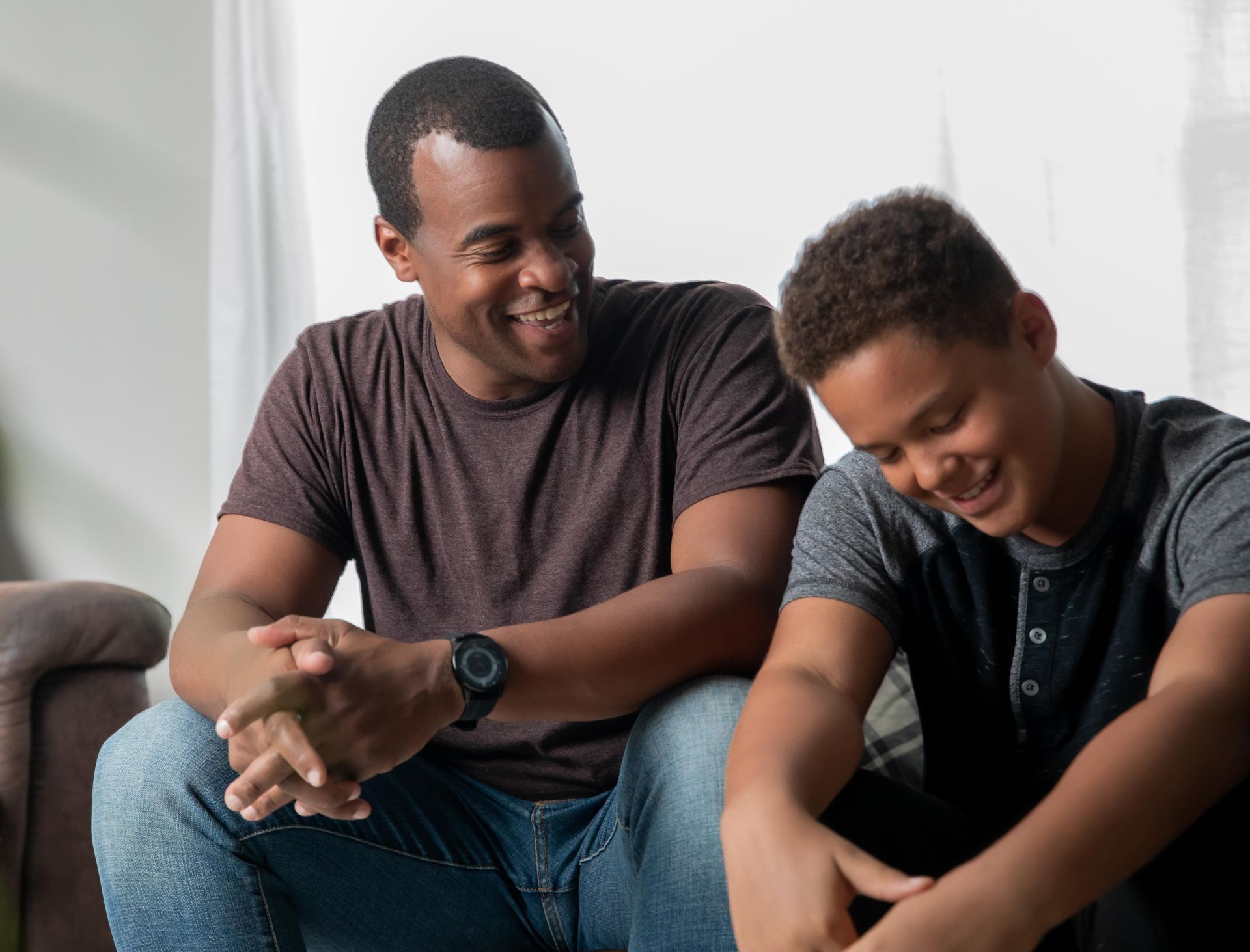
Finding alternatives for keeping connection
The law applies to age-restricted social media platforms with public feeds and algorithmic scrolling (such as TikTok, Instagram and YouTube), while messaging services, SMS and phone calls are not included.
You’re modelling two things at once - respect for the law and a commitment to keeping real friendships alive.
If kids can’t as easily socialise on mainstream platforms, connecting in person means more planning, more supervision and more judgement calls about safety.

Health & Medicine
The importance of your child’s middle years
The challenge is to create physical social spaces where young people can feel independent without being abandoned.
Which, understandably, is not easy for people who juggle work and other responsibilities.
Structured independence can help young people stay connected while feeling safe by setting clear plans, arranging transport, establishing shared expectations for staying together, checking in and providing tools like a “safe word” text for quick exits.
Decisions about things like live location tracking work best when made together to avoid feeling like a leash.
Making these decisions together can offer an opportunity to discuss what works for your situation. Talk through possible scenarios in advance to build confidence, judgment and trust with your teen, before problems arise.

These scenarios may include unwanted attention, conflict in the group, a friend not wanting to go home and asking how they would respond builds confidence, judgement and trust before challenges arise.
Old‑school + new energy
Nostalgic “just ride bikes all day” approaches are lovely but also unrealistic for some. Many kids will need transitional support to rebuild offline social confidence.
Small things count, like postcards and letters, printing photos, making zines to connect over similar interests. It sounds quaint until a hand‑written note arrives with a doodle that makes them snort‑laugh.
Shared rituals like a weekly walk; creative projects (short films, fundraising, murals) that turn online collaboration skills into real-world pride.
You could watch a series together or share a game. Co‑viewing turns screen time into connection time, and you can learn a lot about each other.
Young people who love TV and film, or gaming have great skills and often don’t get the same kudos as peers who excel academically or in sports or music.
Showing an interest in what they love can boost their confidence – and connection with you.
What’s the “right amount” of screen time these holidays?
The research doesn’t support a single magic number. What matters more is what activities screens are replacing and whether use feels driven by compulsion and conflict.
A useful holiday check is - are they sleeping, moving, connecting and having some fun? Let screen time sit inside of that and not on top of it. Some days will be heavier than you’d like.
Look at the week-to-week pattern, there’s no perfection.

A final reminder on help
If you’re worried about your child’s safety, don’t do this alone. In Australia, you can seek help from youth mental health supports like headspace, Kids Helpline and 13YARN.
This is a new kind of summer. The most protective thing you can offer is a steady relationship, curiosity, care and support as children and young people make this transition.