Sciences & Technology
Space research helps find targets for early Alzheimer’s test


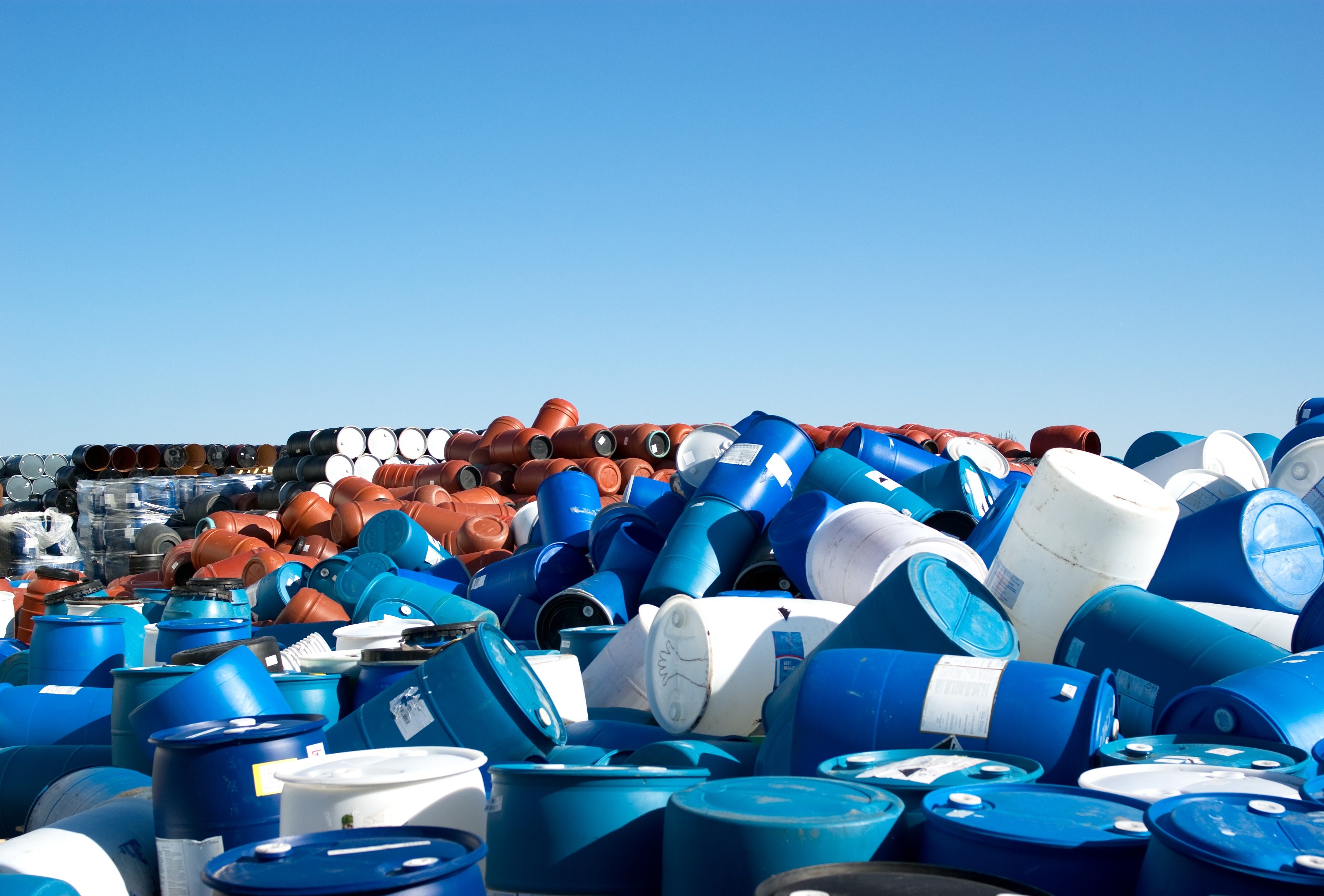
Ozempic and other peptide-based drugs create 56 million kilograms of hazardous waste each year. Now, a new water-based method aims to change that

Published 3 February 2026
The world is in the middle of a peptide drug revolution.
These short chains of amino acids – the building blocks of proteins – sit at the heart of some of the most successful medicines ever created, from weight-loss injections to advanced cancer therapies.
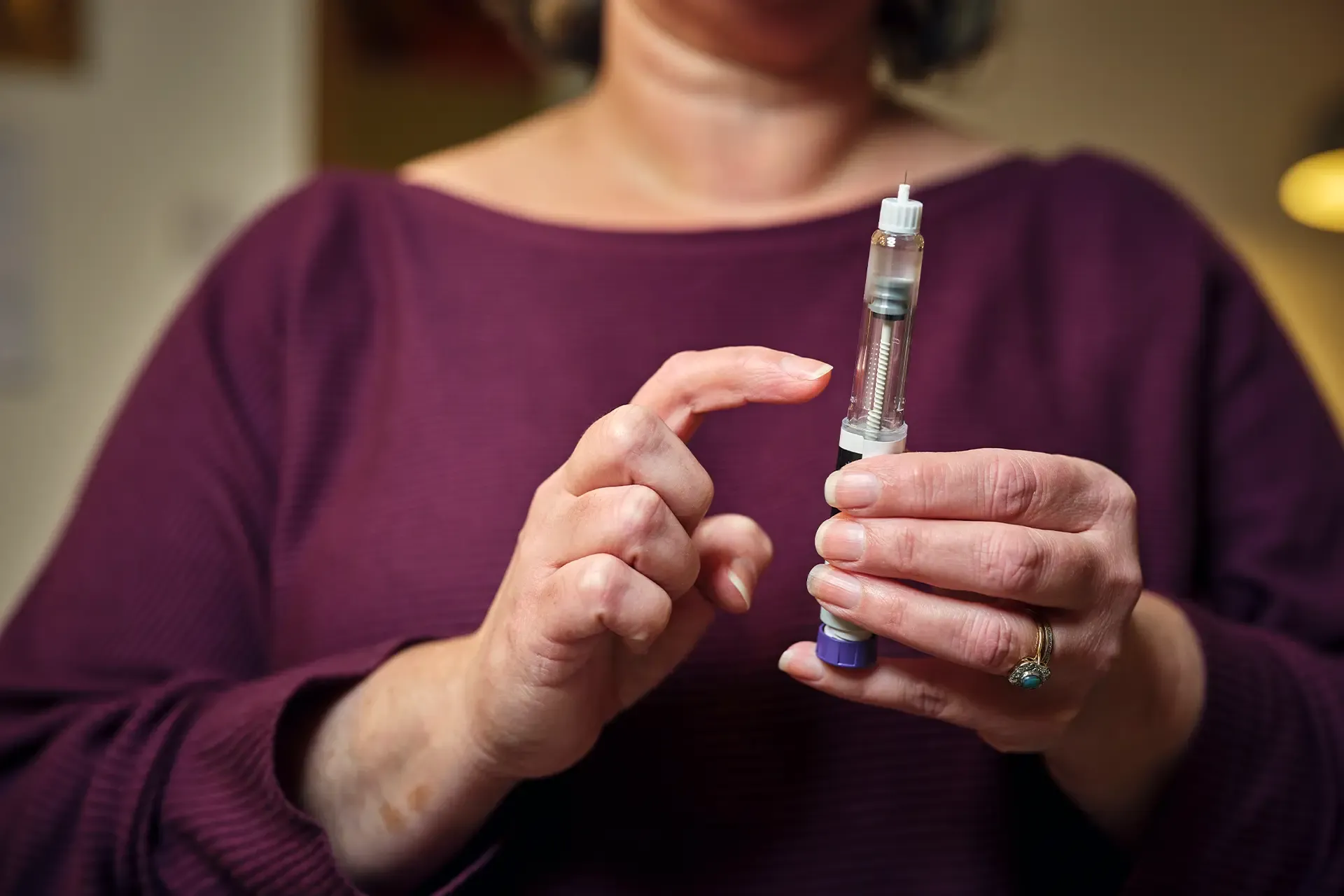
Peptides are also used as crop treatments, veterinary drugs and even some cosmetic ingredients.
In 2023, the global peptide therapeutics market was valued at more than USD $50 billion. By 2030, it is expected to exceed USD $70 billion, growing at around nine per cent each year.
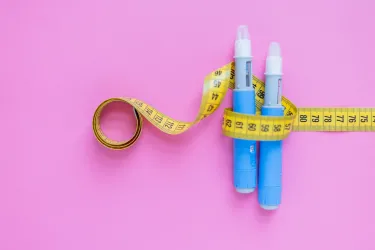
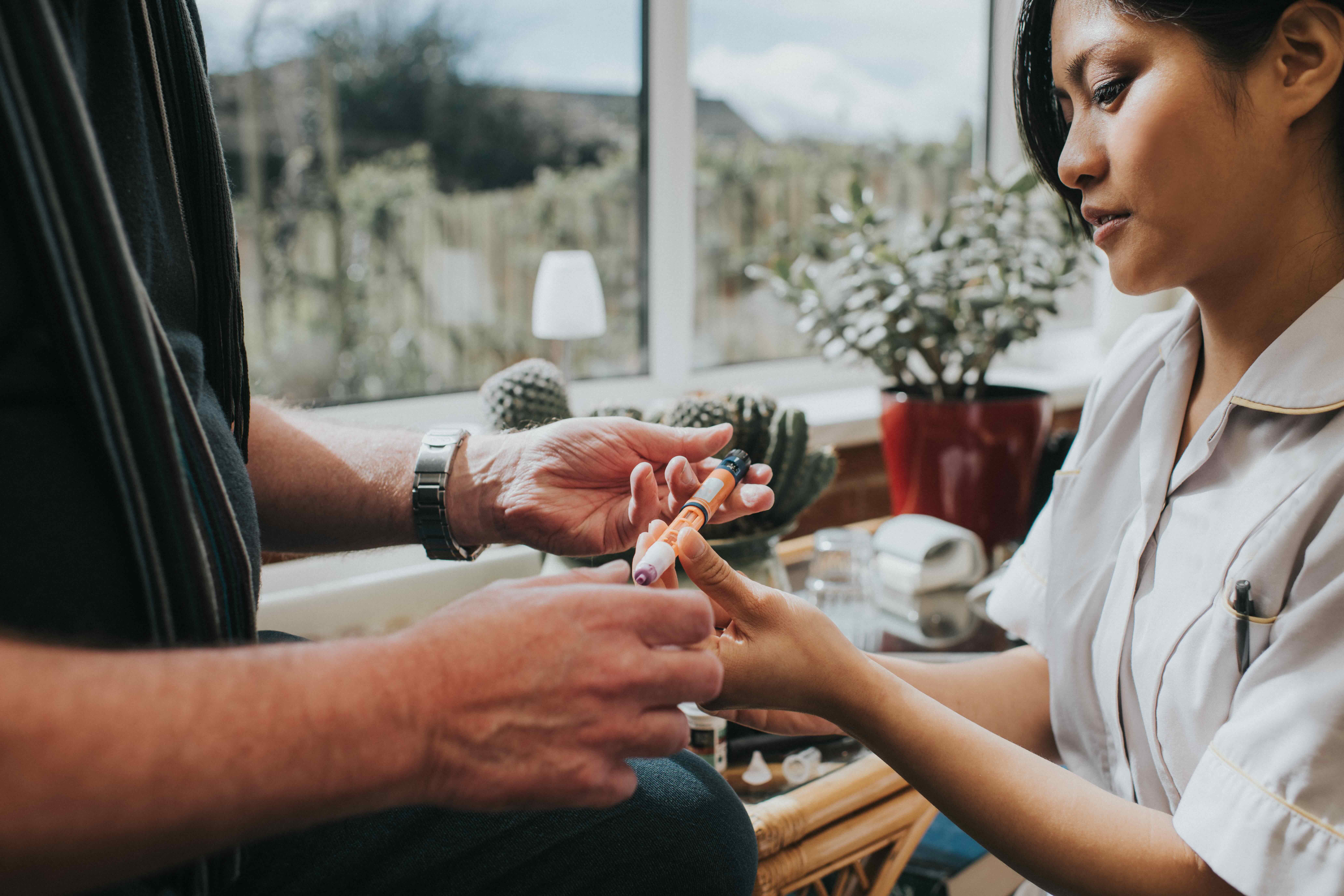
Blockbuster drugs, including GLP-1 receptor agonists like Ozempic and related medicines, have fuelled much of this growth.
Pharmaceutical companies are investing billions to expand production and develop new peptide-based treatments across oncology, metabolic disease and rare disorders.
Sciences & Technology
Space research helps find targets for early Alzheimer’s test
But behind this success story lies a largely invisible problem: peptide manufacturing is extraordinarily dirty.
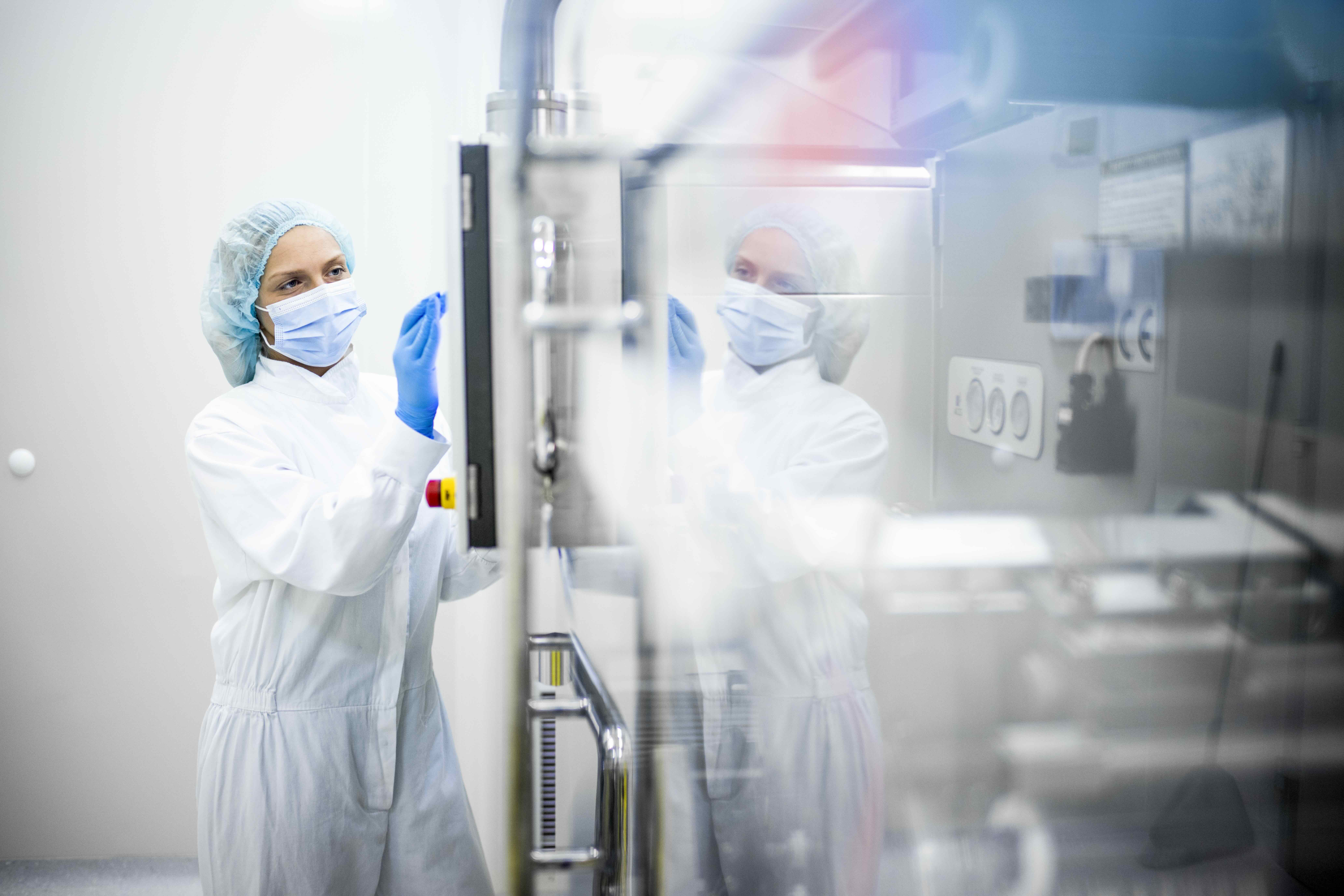
For decades, scientists and industry have relied on a technique called solid phase peptide synthesis (SPPS). It is fast, reliable and scalable, but also creates serious environmental problems.
Our international research collaboration has now demonstrated a way to change that – by replacing toxic organic solvents with water, without sacrificing quality or scalability.
The idea for this new technique grew from frustration.
Peptide synthesis is essential, but it depends heavily on organic solvents and plastic supports that do not break down.
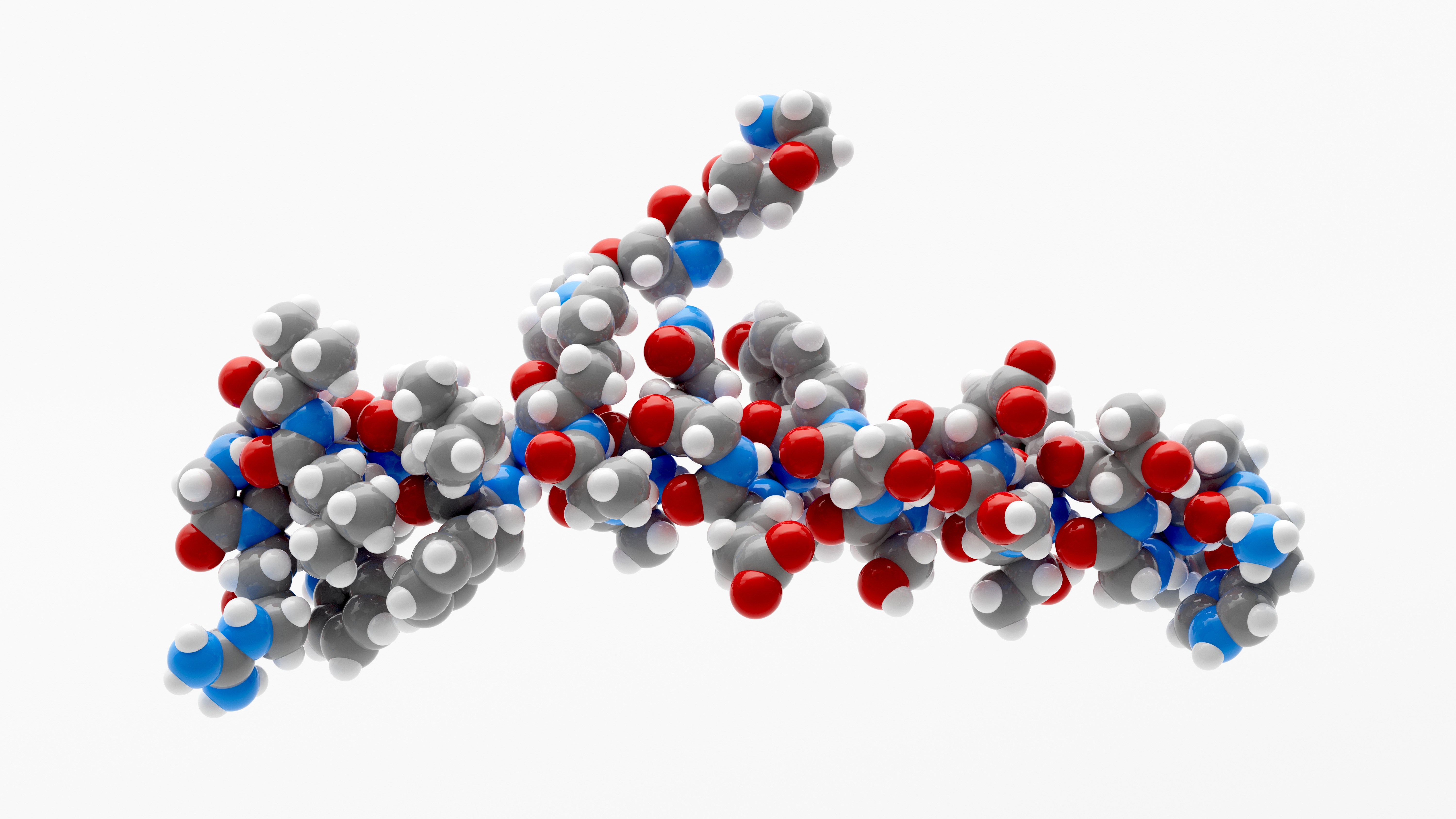
SPPS works by anchoring the first amino acid building block to a resin, often polystyrene beads.
The following amino acids are then added in sequence with the chemical steps requiring copious organic solvents for both the amino acid coupling and intermediate washings.
These materials are costly to dispose of and increasingly restricted by environmental regulations. At the same time, many industries are under pressure to substantially reduce their environmental footprint.
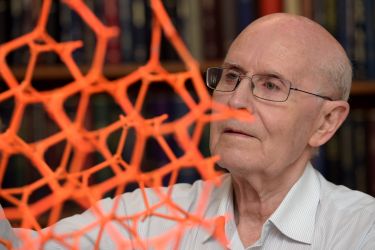
Our water-based method breakthrough grew out of a long-standing collaboration between my team at the University of Melbourne and the team of Dr Don Wellings, an eminent peptide and polymer chemist and founder of the UK-based enterprise, SpheriTech Ltd.
Health & Medicine
There are pros and cons for weight loss medications like Ozempic
Over decades of research, it became clear: peptides were becoming central to modern medicine, but the chemistry used to make them remained highly unsustainable.
It prompted a key question.
Why are we still making life-saving medicines using chemical processes that produce mountains of toxic waste, and could water – the cleanest and most familiar solvent of all – offer a way out?
Water is a demanding environment for chemistry.
Chemists have tried using water-based synthesis before, but the obstacle was well known and deeply entrenched.
The core building blocks of peptide synthesis, called Fmoc-protected amino acids, simply do not dissolve in water.
Without dissolving, they cannot react.
This single limitation has locked peptide synthesis into heavy reliance on toxic organic solvents – principally dimethylformamide (DMF) - for decades.
Our breakthrough came when we discovered that these amino acids can be made water-soluble by pairing them with specific salts.
This simple but previously unexplored step completely changes their behaviour, allowing them to dissolve in water at high concentrations while remaining fully functional.
To complete the system, we developed a compatible, water-soluble activating agent and combined it with a new solid support made from hydrophilic (water-attracting) and biodegradable material.
This replaced conventional non-degradable supports and enabled clean, efficient peptide synthesis entirely in water, without the unwanted side reactions that have long discouraged chemists from pursuing water-based methods.
As the chemistry began to develop, the team was joined by Professor Morten Meldal from the University of Copenhagen, who was co-awarded the Nobel Prize in Chemistry in 2022.
Professor Meldal and his team contributed extensive expertise in organic chemistry, helping refine the reactions, ensure robustness, and position the technology for realistic industrial-scale up.
Ultimately, we were able to synthesise three challenging peptides as proof of principle, each with yields and purities equal to or superior to those achieved by traditional SPPS.
Remarkably, the amount of DMF used was reduced to zero, highlighting the enormous sustainability potential that industry could adopt.
The timing could not be more critical.
The explosive success of GLP-1 drugs like Ozempic, Wegovy and Rybelsus has laid bare the environmental cost of peptide manufacturing.

Depending on peptide length, producing just one kilogram of a GLP-1 receptor agonist can require up to 14,000 kilograms of toxic organic solvent, most commonly DMF.
By comparison, producing a typical small-molecule drug uses roughly 300 kilograms of solvent per kilogram of product.
With an annual production of semaglutide alone approaching 4,000 kilograms, this single class of medicines is estimated to generate at least 56 million kilograms of toxic solvent waste every year.
And this is just one of more than 80 peptide therapeutics currently on the market.
As environmental regulations tighten and solvent use comes under increasing scrutiny worldwide, the pharmaceutical industry is facing mounting pressure to change how these medicines are made.
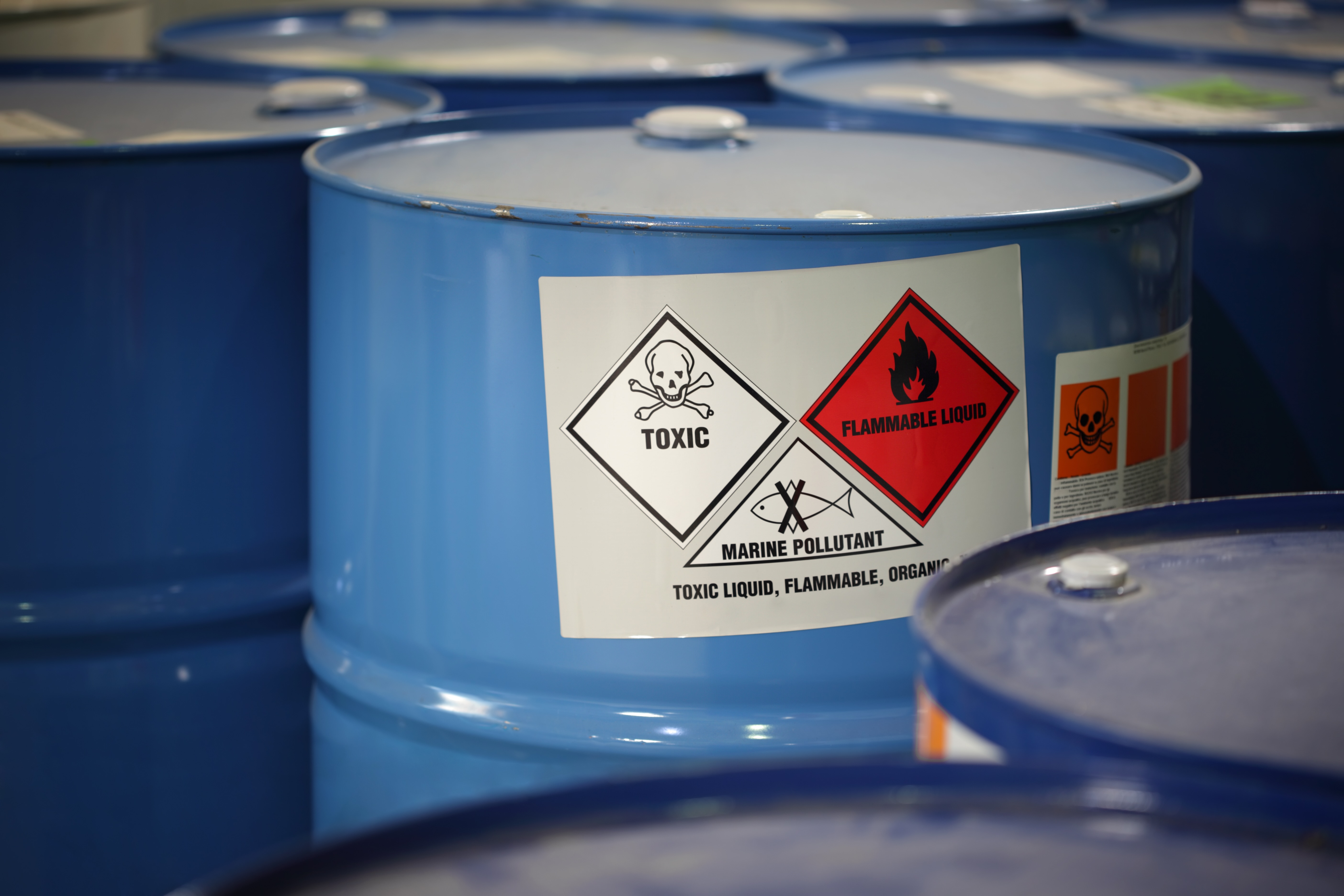
The implications of this new method are enormous, offering a direct pathway to replacing toxic organic solvents with water in peptide manufacturing.
This could dramatically reduce chemical waste, lower disposal and compliance costs, and make production more resilient to regulatory change.
Pharmaceutical companies gain cleaner, more future-proof manufacturing processes. Researchers gain safer, simpler tools for peptide synthesis. Patients benefit from more sustainable production of life-changing medicines.
And the environment benefits from a dramatic reduction in toxic waste.
Sciences & Technology
The Nobel Prize winner who built a whole new field of chemistry
Next, our team will focus on extending the method to automation and to longer and more complex peptides, working closely with industry partners to validate it at full manufacturing scale.
What began as a shared concern among three long-time international collaborators has become an exciting technology with the potential to reshape how some of the most important medicines of our time are made: cleanly, responsibly and ready for the future.

