Arts & Culture
The painting that changed how we study witch hunts


Written in fury after a failed trial in 1485, the Malleus Maleficarum fuelled 150 years of witch hunts that shaped how Europe imagined, hunted and executed women


Published 6 July 2026
If asked to picture a witch, many of us would imagine the same thing: an old, withered woman, ugly and decrepit. But why do we all seem to understand that witches are women?
For the answer, we need to turn to one of the most important books of the fifteenth century, a book that has just been acquired by the University’s Archives and Special Collections: the Malleus Maleficarum, also known as The Hammer of Witches.
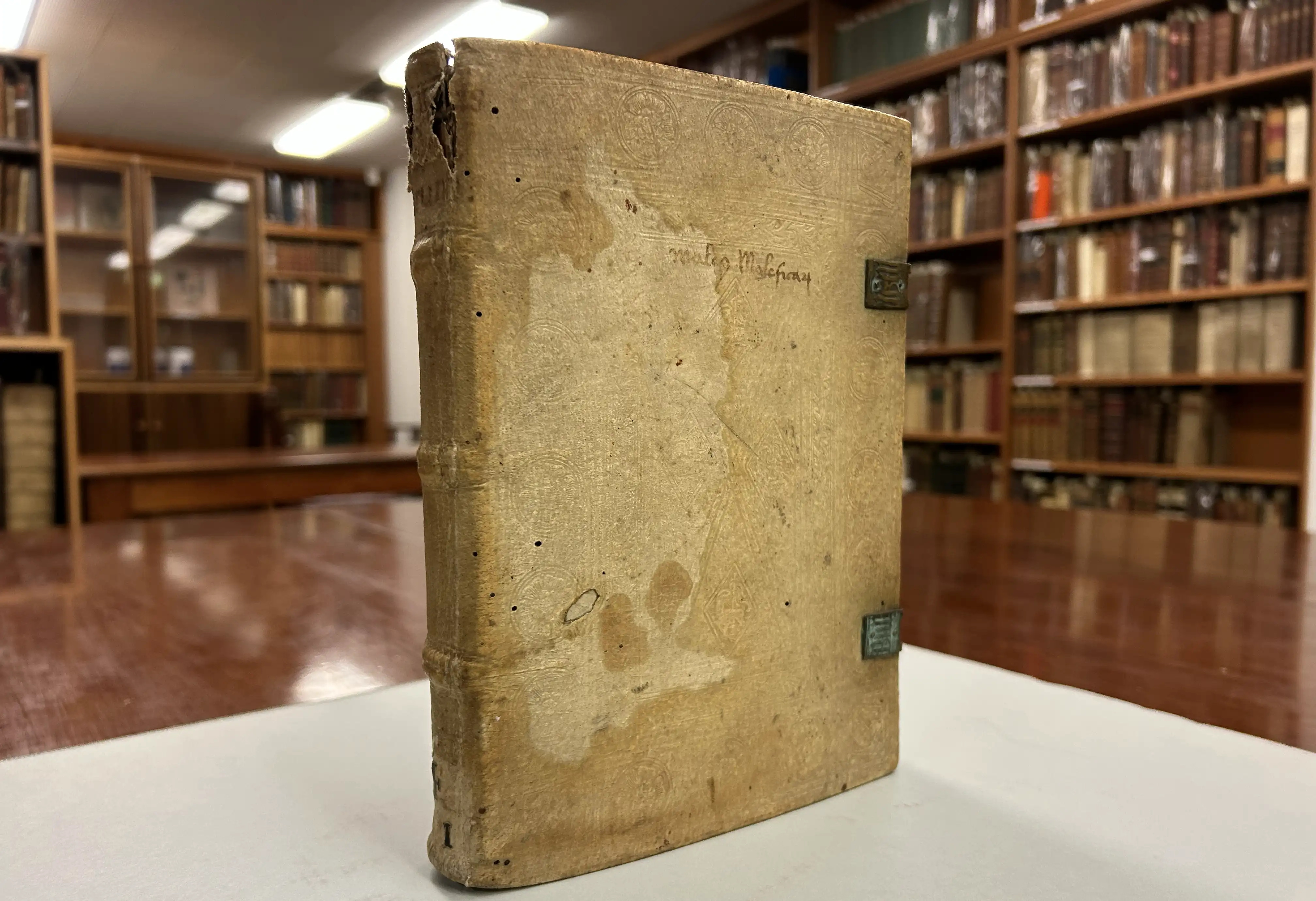
This book, written by the fanatical Dominican Inquisitor Heinrich Kramer in 1486, ignited the witch hunts that eventually led to the execution of almost 50,000 people.
And in Europe, up to 90 per cent of those executed were women.
In 1486 Kramer was one of many inquisitors running heresy trials for the Catholic Church in Europe. This followed a bitter failure the previous year in Innsbruck, where he had been made a fool of after accusing a woman named Helena Scheuberin of witchcraft.
Scheuberin, the wife of a prosperous citizen, had openly mocked Kramer and refused to attend his sermons.
Angered by her defiance, Kramer accused her of malicious witchcraft, claiming she used dark magic to curse local townspeople.
Arts & Culture
The painting that changed how we study witch hunts
As part of his interrogation, Kramer attempted to ask detailed questions about Scheuberin’s sexual history – but a senior official stopped him, saying this was distasteful and irrelevant.
The trial broke down and Kramer was forced to leave the city.
Furious and humiliated, Kramer retreated to write the Malleus Maleficarum, a book-length treatise arguing that witches were a real threat to society and that witches were more likely to be women.
Why? Because Kramer believed women were more credulous, more likely to be seduced by demonic temptations and because he also believed many women to be inherently evil.
He saw women as deeply lustful beings and thought that sexual immorality was key to succumbing to witchcraft.
So that’s Kramer, but we need to back up here. What was a witch? What were they believed to do? How does the devil come into this? And why does lust matter?
Five hundred years ago, witchcraft was a crime. Witches were believed to make pacts with the devil to access malefic magic and use this magic to hurt (or even kill) their neighbours.
They supposedly had the power to damage crops, cause storms, disrupt marital harmony and fertility and even kill babies.
They were thought to attend sabbaths where they worshipped the Devil.
None of this was actually true but the frequent use of torture – strongly endorsed by Kramer – ensured that tens of thousands of women (and some men) confessed to these alleged crimes.
Kramer was determined to prove that: witches existed, they were a credible threat to society and torture was necessary to elicit confessions to this evil crime.
Arts & Culture
The poem behind the Green Knight
His views on women were misogynistic even in the context of his time.
To quote Kramer: "What else is woman but a foe to friendship, an inescapable punishment, a necessary evil, a natural temptation, a desirable calamity, a domestic danger, a delectable detriment, an evil of nature, painted with fair colours!"
Not long after the Malleus Maleficarum started circulating around Europe, artists began to depict witches with a new focus on their gender and sexuality.
The images of Albrecht Dürer, the most famous artist of the German Renaissance, are some of the best known.
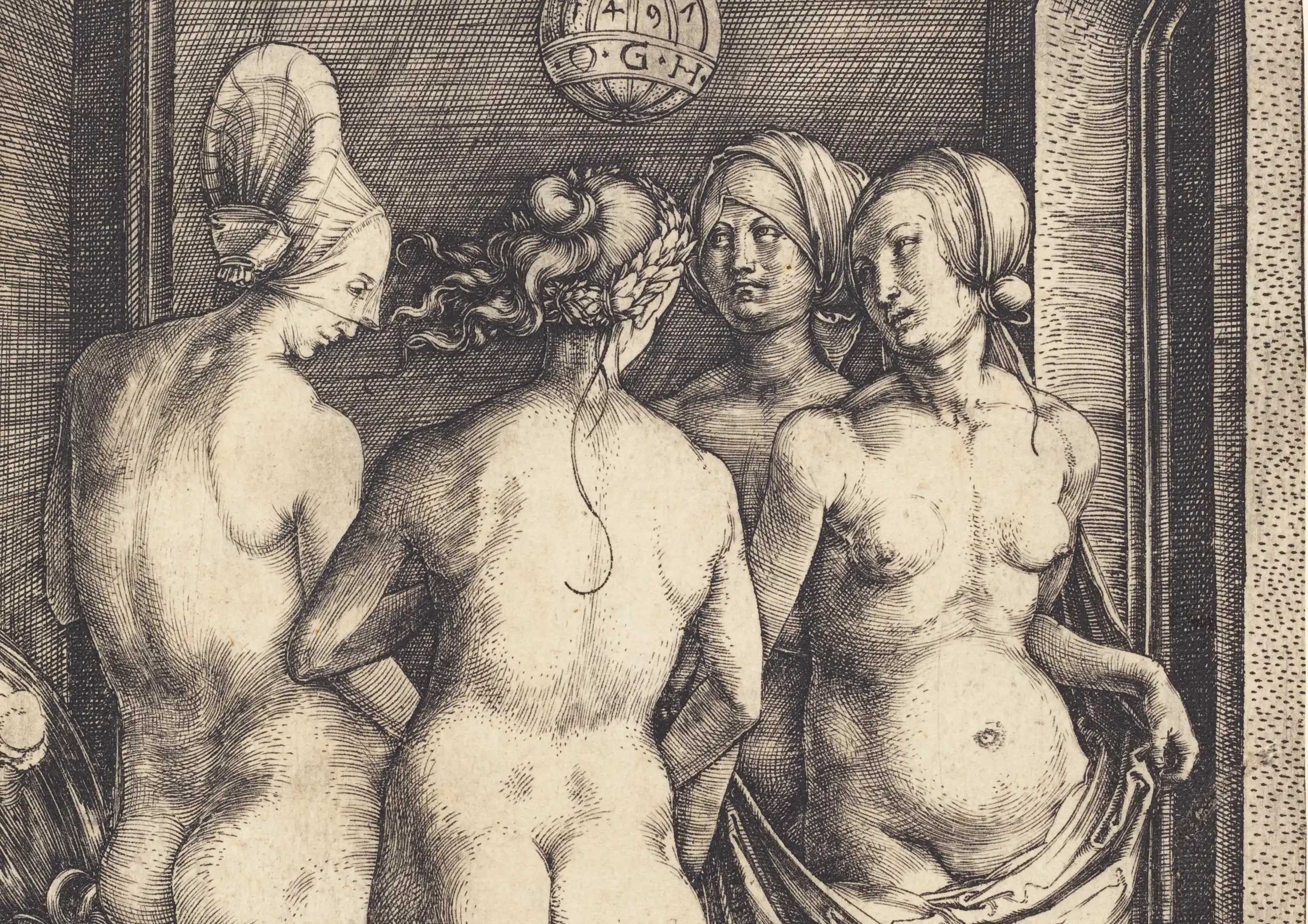
In his Four Naked Women (1497), Dürer shows us a mysterious gathering of women huddled together in a circle over a skull, watched over by a devil – a scene often thought to depict witches conspiring.
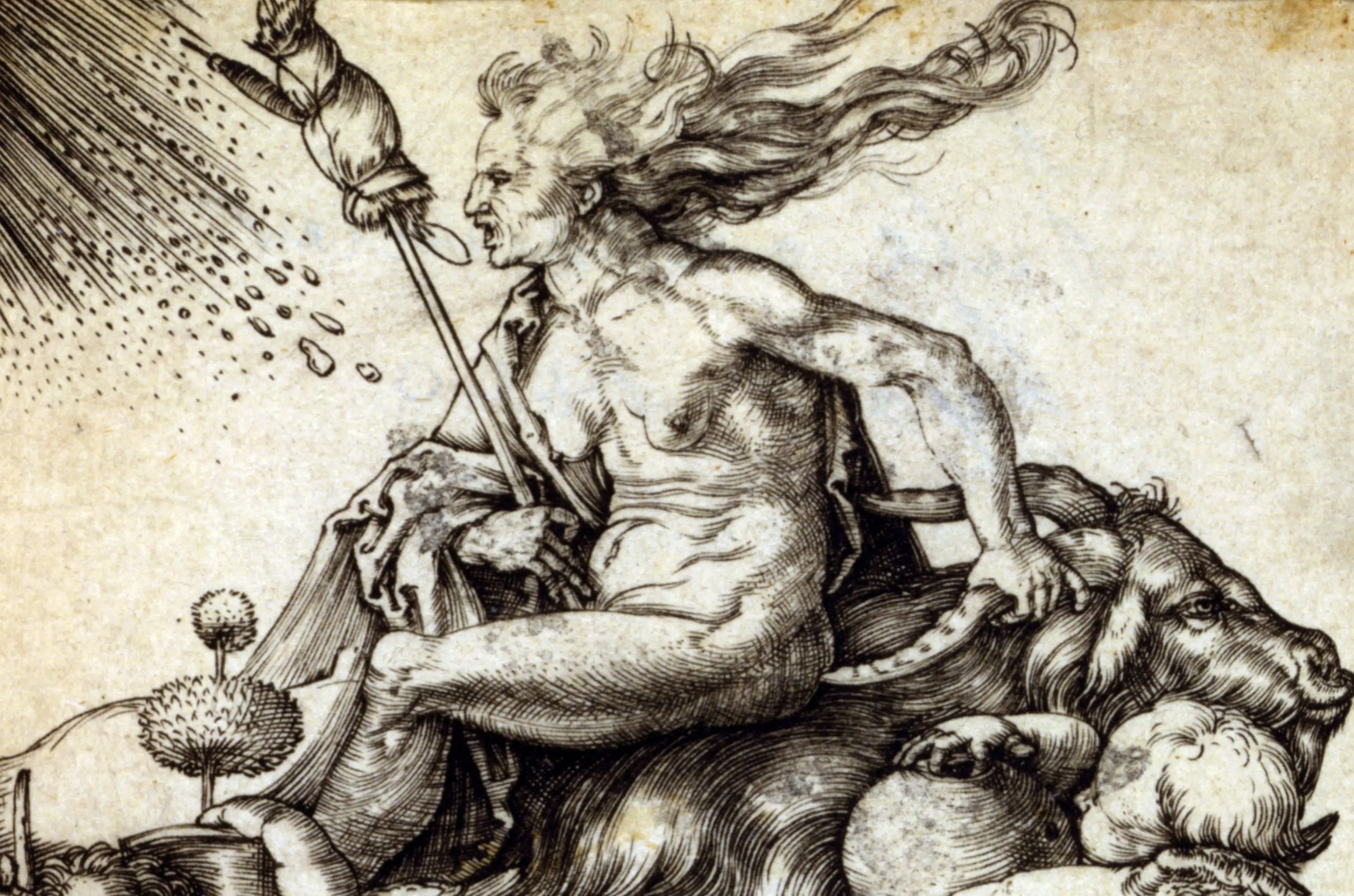
While Four Naked Women shows young and voluptuous figures, Dürer’s iconic Witch Riding Backwards on a Goat (c.1500) portrays a haggard, old and masculine woman.
The naked witch mounts a goat backwards, her powerful hands grasp the goat’s horn suggestively and her hair flows in the wrong direction, evoking her unnatural nature.
For people of the time – and even for some people now – the goat was commonly a symbol of the Devil.
But there’s a deeper connection between these sexualised images and the Malleus Maleficarum.
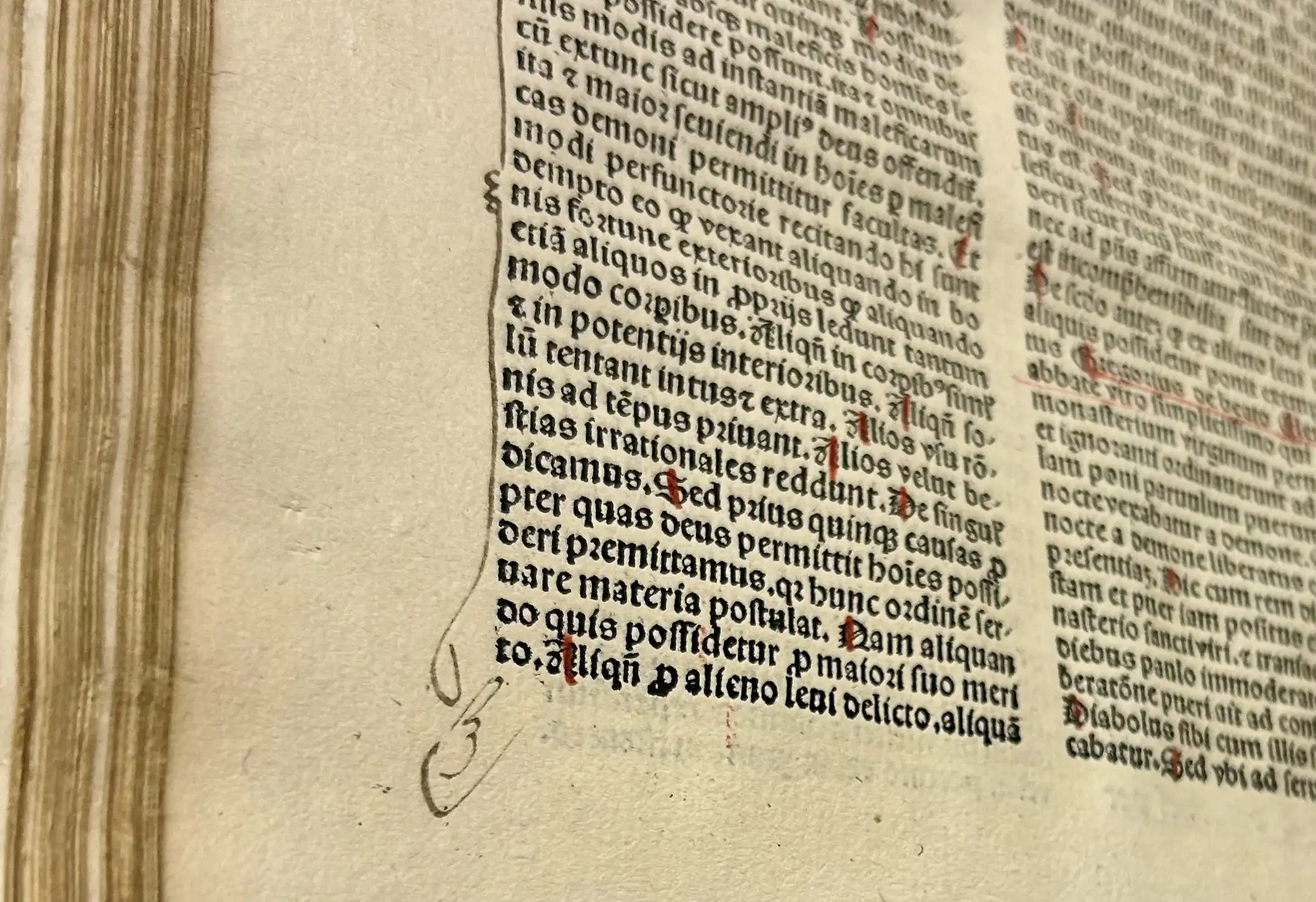
The copy that Archives and Special Collections has just acquired was published in 1494 in the German city of Nuremberg by Anton Koberger, Dürer’s godfather.
As the most important printer in Northern Europe, Koberger’s decision to publish the Malleus is a testimony to its widespread appeal and circulation.
Multiple editions followed and the book had a profound influence on shaping the witch hunts of the next 150 years.
By the time the trials finally faded in the eighteenth century, the damage was done. The witch figure Kramer had conjured out of his own contempt for women had hardened into something that felt like fact.
That’s why, more than five centuries later, the witch of our imagination is still a woman: old, dangerous and alone.
The 1494 Nuremberg copy now held in the Baillieu Library is more than a rare object, it is the book that taught Europe to picture witches this way.
Holding onto it is a chance to confront that legacy rather than just inherit it.
Want to know more? Join Dr Charlotte Millar and Hansen Associate Professor Jenny Spinks on Thursday the 10th of September at 12.30pm for a closer look at this astonishing book and some of Dürer’s most iconic images.