

The lessons learned from Black Saturday are saving lives today
Seventeen years after Black Saturday, Victoria's overhaul of fire management reshaped how Australia (and the world) prepare for an increasingly dangerous climate future

Published 6 February 2026
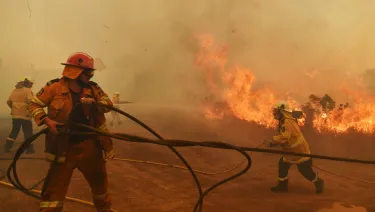
Seventeen years ago, on 7 February 2009, Victoria experienced Australia’s worst fire disaster on record – Black Saturday.
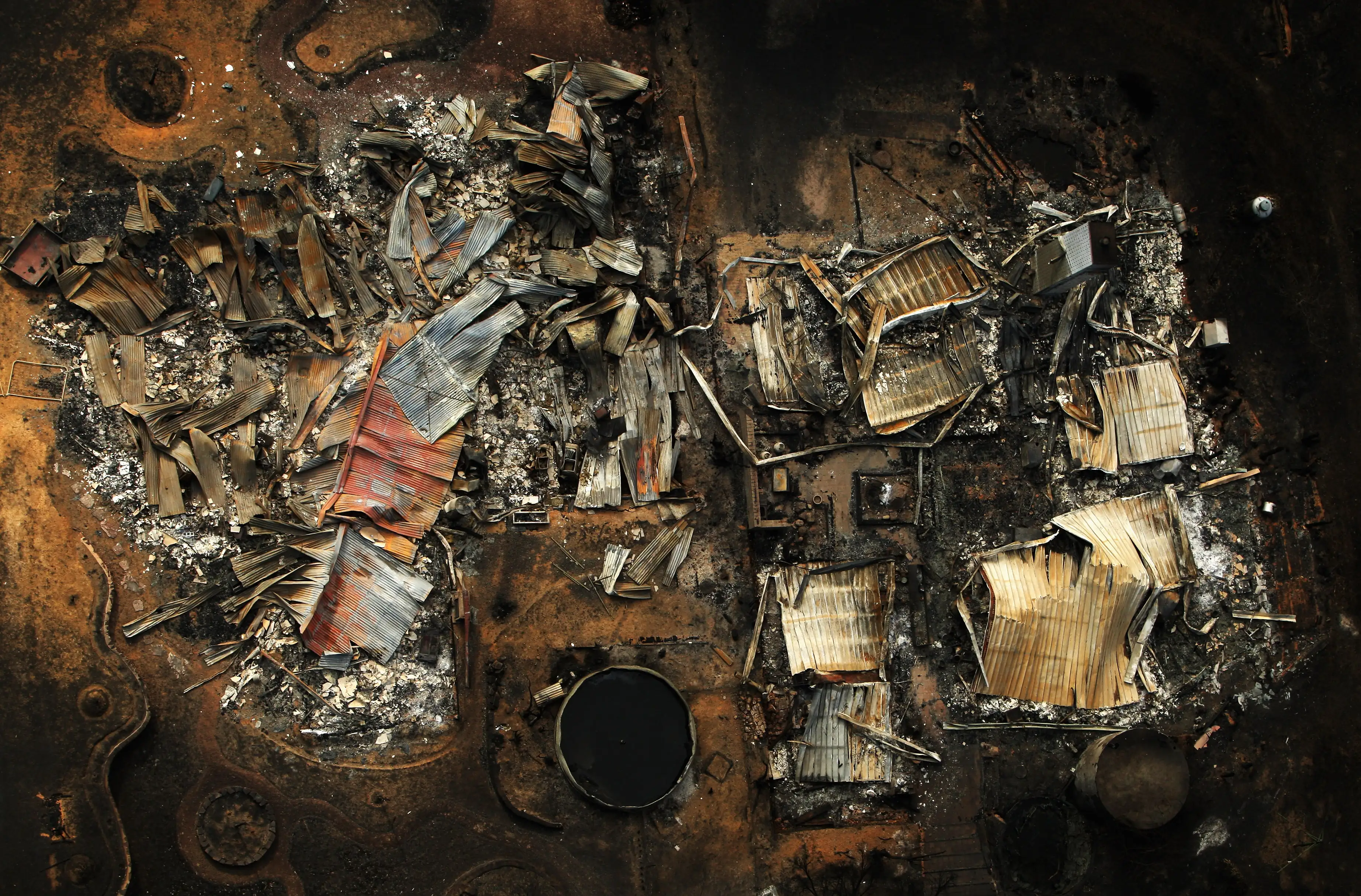
As around 400 fires burned across the state, a total of 173 lives were lost, more than 3500 buildings and homes were destroyed – causing millions of dollars of damage to agriculture, ecology and infrastructure.
A Royal Commission was held after the fires, with a record number of submissions from government and the public.
The resulting four weighty volumes and a summary report contained a total of 67 recommendations that have since led to key changes to fire management throughout the state – and country.
As we approach the anniversary of the 2009 tragedy, and live through a challenging 2026 fire season, we can look back at some of the lessons learned since 2009.
More investment, more research
There’s been a significant increase in investment in fire research since Black Saturday that’s led to more people working on and around fire-related issues. A new generation of fire scientists are bringing new ideas and approaches to fire and fire management.
Research data has helped move fire management from a heuristic (or ‘rule-of-thumb’ approach) to a more evidence-based one.
The number one priority of fire management remains the protection of human life – both public and the fire fighters. However, Victoria has become one of the first places in the world to explicitly order other priorities – like infrastructure, economy, environment and social services.
And fire agencies in Victoria now use a risk-based approach to ensure their investment can be justified across economic, social and environmental values.
To our knowledge, Victoria was the first jurisdiction to globally and publicly set risk reduction targets using the residual risk concept.
Residual risk uses modelling to determine the level of risk left in the landscape after fire management actions. So, for example, an 80 per cent residual risk means that 20 per cent of risk was removed by management.
Once the method was established, Victoria set a statewide, long-term bushfire risk target to reduce residual, fuel-driven risk to 70 per cent through a combined approach.
This includes planned burning, mechanical treatments (slashing or mulching) and strategic fuel breaks.
Although there are criticisms of the residual risk approach, even imperfect tools are useful for informing policy development.
Agencies and researchers continue to work together to improve and refine the approach. Not all research will make the final cut, but there is now a line in the sand from which to work.
Risk targets help to increase the transparency and accountability of a fire agency.
In my opinion, this was a bold move.
The agency took the time to understand the environments in which they work, the capability of the workforce in reducing risk and methodologies for calculating risk reductions.
So, the targets were based on hard data rather than arbitrary figures. And the government has stood by this decision.
A changing understanding
A key area of concern after the Black Saturday fires was the environmental response.
Agency-led work has improved our understanding of the landscape patterns of fire (both wildfire and prescribed fire) that create more resilient ecosystems over the medium to long term.
Seventeen years later, these patterns are being tested and challenged by climate-driven changes in fire regimes that resulted in the larger fires of 2019-2020 Black Summer.
Although awful, these disasters allow us to test and refine these tools.
Victoria’s Department of Energy, Environment and Climate Action established a large-scale monitoring project to inform biodiversity fire management. In fact, it’s the largest monitoring program in the world not associated with extractive industry licenses.
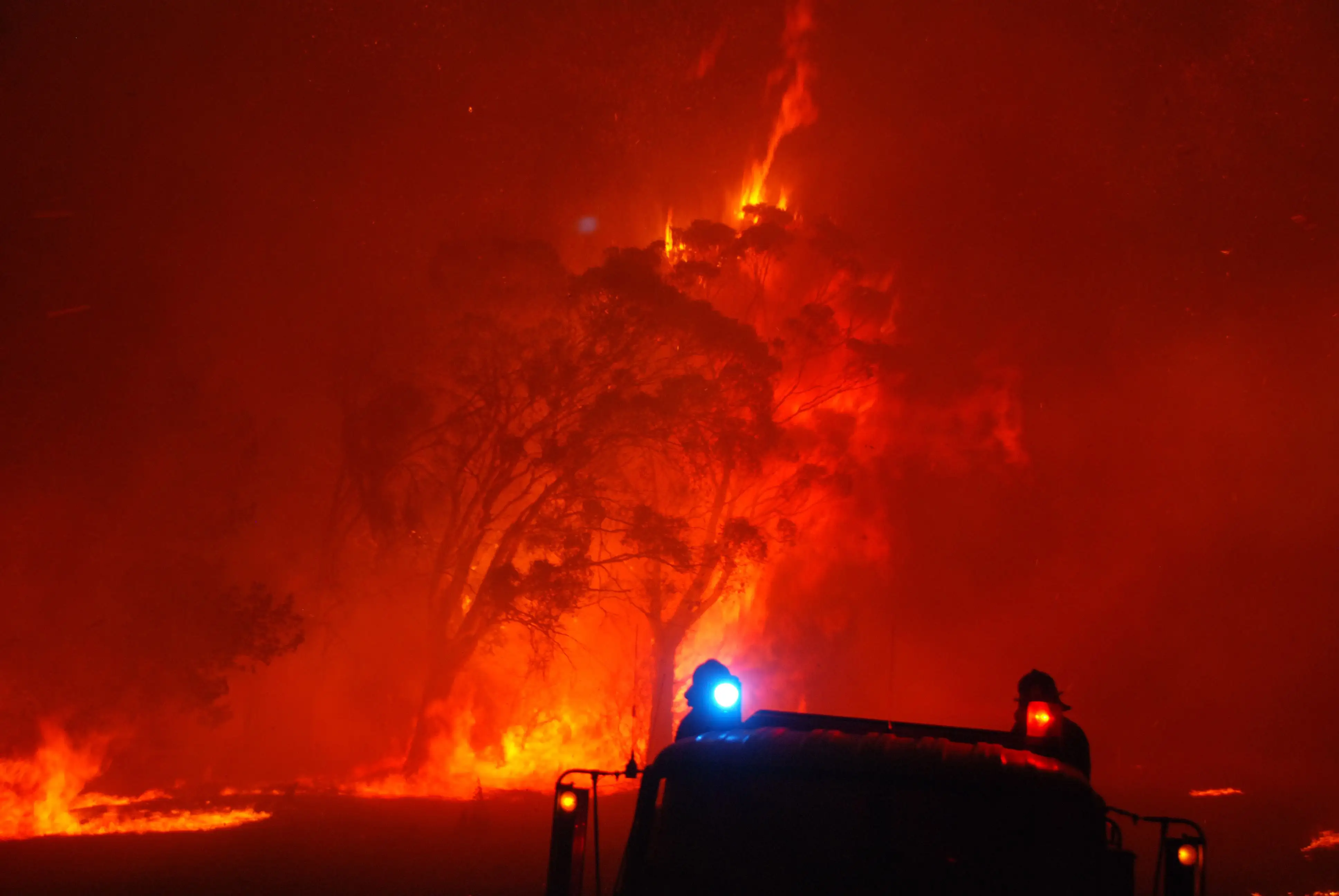
There are now thousands of ecological monitoring sites across the state aimed at understanding species, populations and community responses to fire.
The data is then being analysed by staff and students from La Trobe University, Museums Victoria and the University of Melbourne – with the results feeding directly into fire management decision making.
Communication and planning
Another significant institutional change made after Black Saturday was the 2014 formation of Emergency Management Victoria (EMV).
Bringing together 60 organisations that work around the state, EMV helps to build “safer and more resilient communities”.
EMV aims to prepare and respond to all emergencies, improving communication and operation between all agencies involved.
Sciences & Technology
Climate change is turning global wildfires into monsters
Most Victorians only interact with EMV through the Vic Emergency app – which can alert you to a shark sighting at your local beach, provide fire weather predictions or detail a hazardous spill.
This has resulted in people and communities becoming more aware of the frequency and extent of incidents and getting access to detailed information when emergencies occur, which allows for better planning.
Black Saturday broke the records of the old fire danger scale used back in 2009.
After much development, an entirely new Australian Fire Danger Rating System was released in 2022 which created a new category of ‘catastrophic’ or ‘code red’.
Reducing the impact of fire
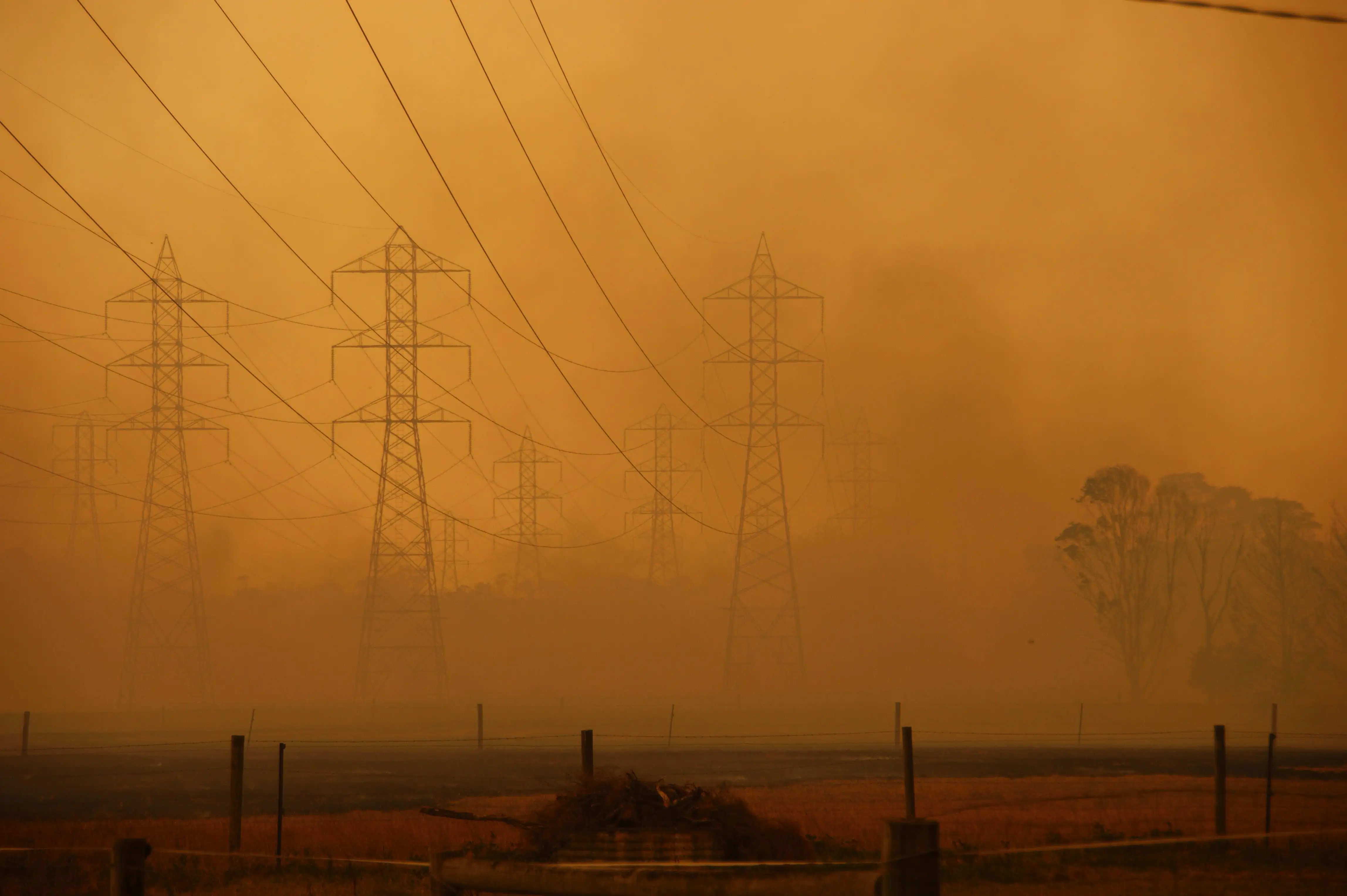
On a catastrophic fire weather day in early 2026, Victoria’s chief fire officer in Victoria warned that any fires would be “unsuppressible” – a message that would have been unthinkable 20 years ago.
Fire fighters have long been considered heroes, but everybody has their limit. Our fire-fighters are people with family to return to at the end of the shift.
We should never be expecting them to be placed in danger or to fight a losing battle.
We often get asked whether all of these changes will prevent events like Black Saturday from happening again. The short answer is no.
We will continue to have fires associated with extreme weather days. The number of these days are likely to increase with global climate change.
What we hope to reduce is the impact on people and the environment.
Preparation and preparedness before the fire season has improved significantly. New information systems warn of fire weather up to four days in advance, and fire movement is reported in real time.
Environment
Facing the flames of complacency
The response to fires is now more coordinated with increased investment in aircraft and trucks to fight fires when they occur and it is safe to do so.
We also now have a much better understanding of the physical and mental impacts of fire on people and their communities, with agencies putting in place better evidence-based preparedness and recovery strategies.
Overall, Australia has learned lessons from the brutal reality of Black Saturday – in fact, they are lessons we’re sharing with the international community as fire seasons in countries like the US, Greece and South Korea become increasingly deadly.
But as climate change increases the frequency and ferocity of bushfires, there will be yet more lessons to learn as we adapt to a new fire future.
Video of planned burning undertaken by the CFA courtesy of the CFA Digital Library.