


The Melbourne that big ideas could shape

For decades, Melbourne's universities and research institutes have turned curious questions into discoveries that improve lives. The city's future lies in fostering innovation, collaboration and education

Published 4 September 2026
Universities around the world play an essential role in advancing the technologies and discoveries that improve our lives.
We've seen life expectancy across the world increase because of childhood vaccines.
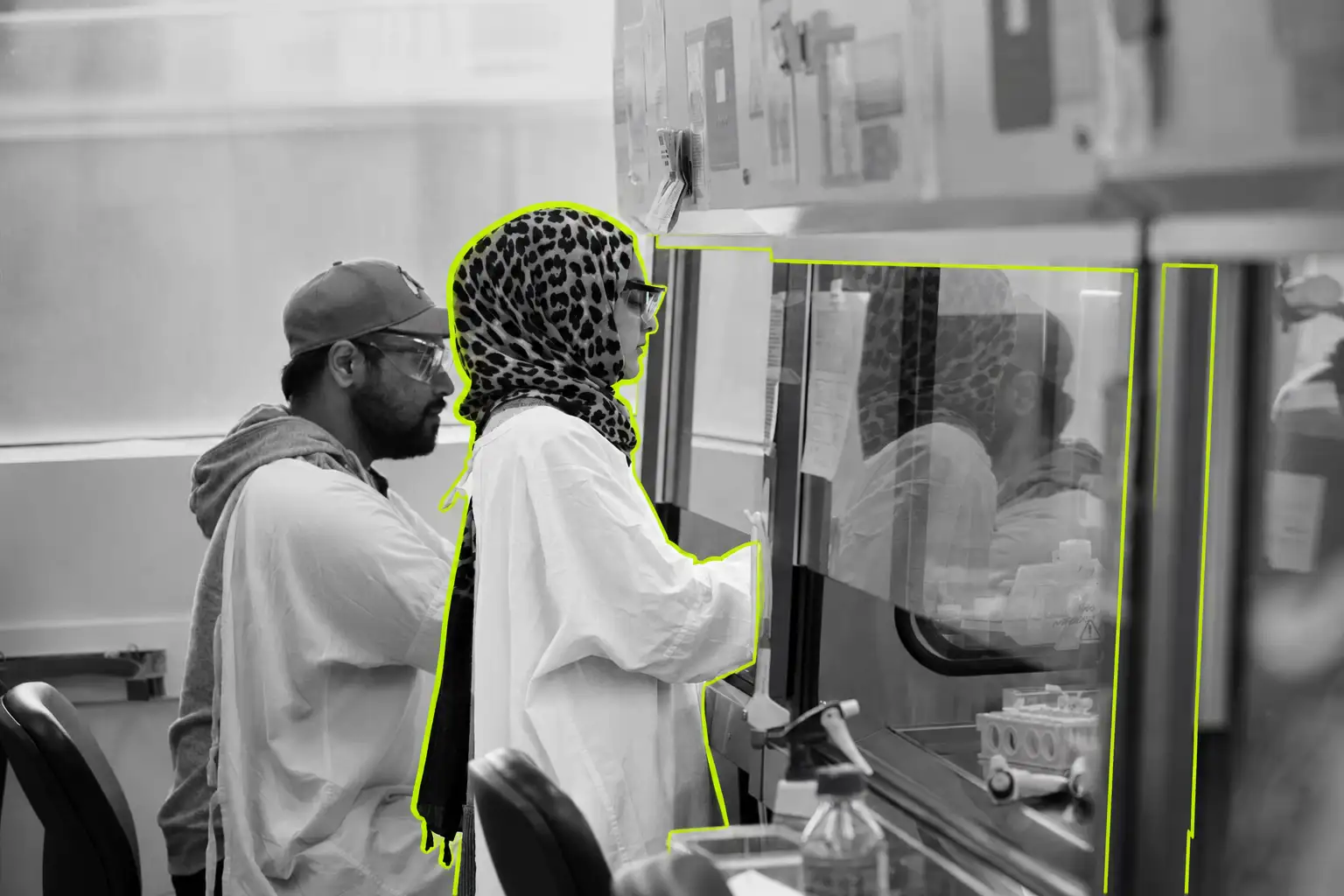
Technologies that have delivered clean water, robotic surgery, and more precise diagnostic testing also help save lives, while advances in artificial intelligence (AI) will allow us to learn from increasingly vast datasets, with widespread health impacts.
Advances with practical outcomes often begin with blue-sky research from universities, where a bright idea built on curiosity can be developed.
Curiosity-driven research
One powerful example of how an idea based on curiosity can save lives is Venetoclax, a lifesaving leukaemia drug developed at Melbourne’s Walter and Eliza Hall Institute of Medical Research (WEHI).
Cancers occur because the usual ways cells die are disrupted. By understanding the signals that allow a cell to die or survive, researchers discovered a new protein which ultimately led to the design of a life-saving drug.
It began in the mid-1970s with Professors Suzanne Cory and Jerry Adams at WEHI asking why cancer cells outlive healthy ones.
Their work uncovered a protein, BCL2, that keeps cells alive when they should die. The researchers then designed a drug to block it, triggering the death of the cancer cells.
Trialled at The Royal Melbourne Hospital and the Peter MacCallum Cancer Centre, Venetoclax is now one of the most important medicines for treating blood cancer worldwide.
In Melbourne, researchers at the WEHI and the Doherty Institute are now exploring whether this drug might also work against HIV, hepatitis B and tuberculosis.
Where disciplines meet
Ideas like Venetoclax only come to life when they have the space and support to grow.

In Melbourne, this comes from co-locating universities, hospitals, medical research institutes and the private sector.
This allows for intentional and accidental collaboration across different sectors – doctors, scientists, engineers, chemists and IT specialists who carry the work forward.
The University of Melbourne and its research partners draw leading minds from across Australia and around the world.
Increasingly, breakthroughs come from where disciplines meet, like AI and health. Researchers can now collate and analyse vast amounts of data to glean valuable insights and predict outcomes that would once have been impossible.
Melbourne is home to two of the world's top 100 universities, the University of Melbourne and Monash University.

Arts & Culture
How Melbourne grows as a cultural capital
The University of Melbourne sits at the centre of the Melbourne Biomedical Precinct, Australia’s leading health, biomedical and research hub.
The Precinct employs 73,000 people across research, clinical care and education, houses more than 40 biomedical organisations, and produces one in five of Australia's health-related patents.
From discovery to use
That meeting of minds is already changing how we treat and diagnose disease.
Engineering has delivered better implantable devices and 3D-printed parts for orthopaedic surgery.
Next, it promises to move from slower, laboratory-based diagnostic testing into the home or the clinic, where results arrive in minutes, which we hope will dramatically increase testing among people at risk of disease and ensure those results reach them quickly.
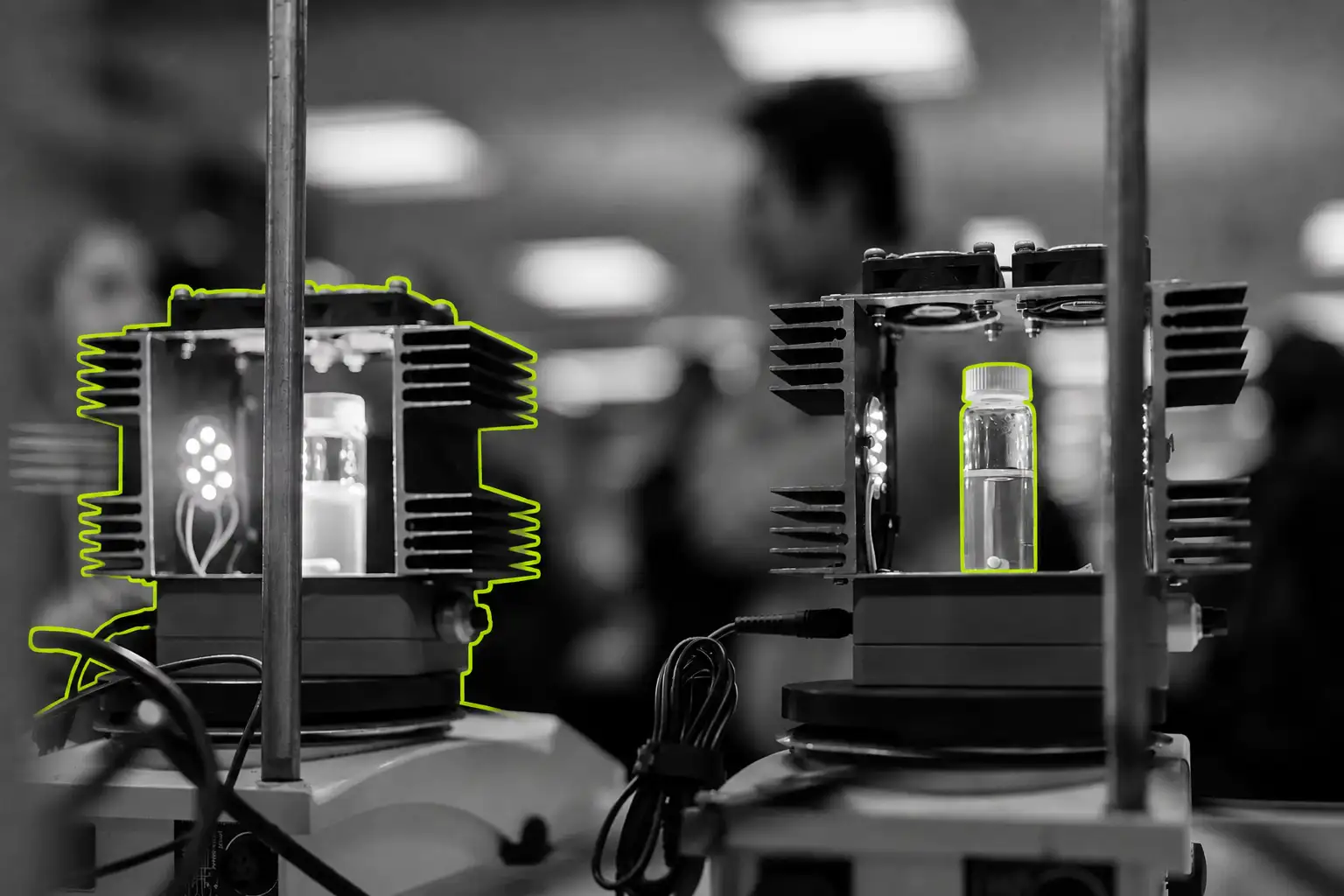
At the Doherty Institute, researchers are using CRISPR, a gene-editing tool often likened to molecular scissors, to build diagnostics that can one day be used at home.
One test they've developed can identify a virus like mpox (monkeypox) in 45 minutes, rather than taking several days.
This is important because mpox is highly infectious, and by knowing the diagnosis, changes in behaviour can be rapidly implemented.
The test isn't commercialised yet, but we're now working towards a portable version that lets more people be tested quickly and accurately, slowing the spread when an outbreak occurs.
That gap, between a discovery and something people can actually use, is one we’re working hard to close.

Sciences & Technology
Australia's elusive rakali is hiding and thriving in Melbourne's waterways
For Melbourne's research to pay off, people with brilliant ideas need to partner with people who know how to advance and commercialise a discovery.
Researchers love the thrill of discovery, and this is what they are trained to do, and to do it super well. But they are less likely to have the skills to advance their discoveries to the next steps for impact.
This is why multi-disciplinary partnerships across the development pipeline are so important.
That means new start-ups and affordable lab space, and Melbourne is responding.
The Jumar Bioincubator, set up by global biotech enterprise CSL, WEHI and the University of Melbourne, gives young biotech companies room to grow by putting local talent and commercial know-how under one roof to solve real-world problems.
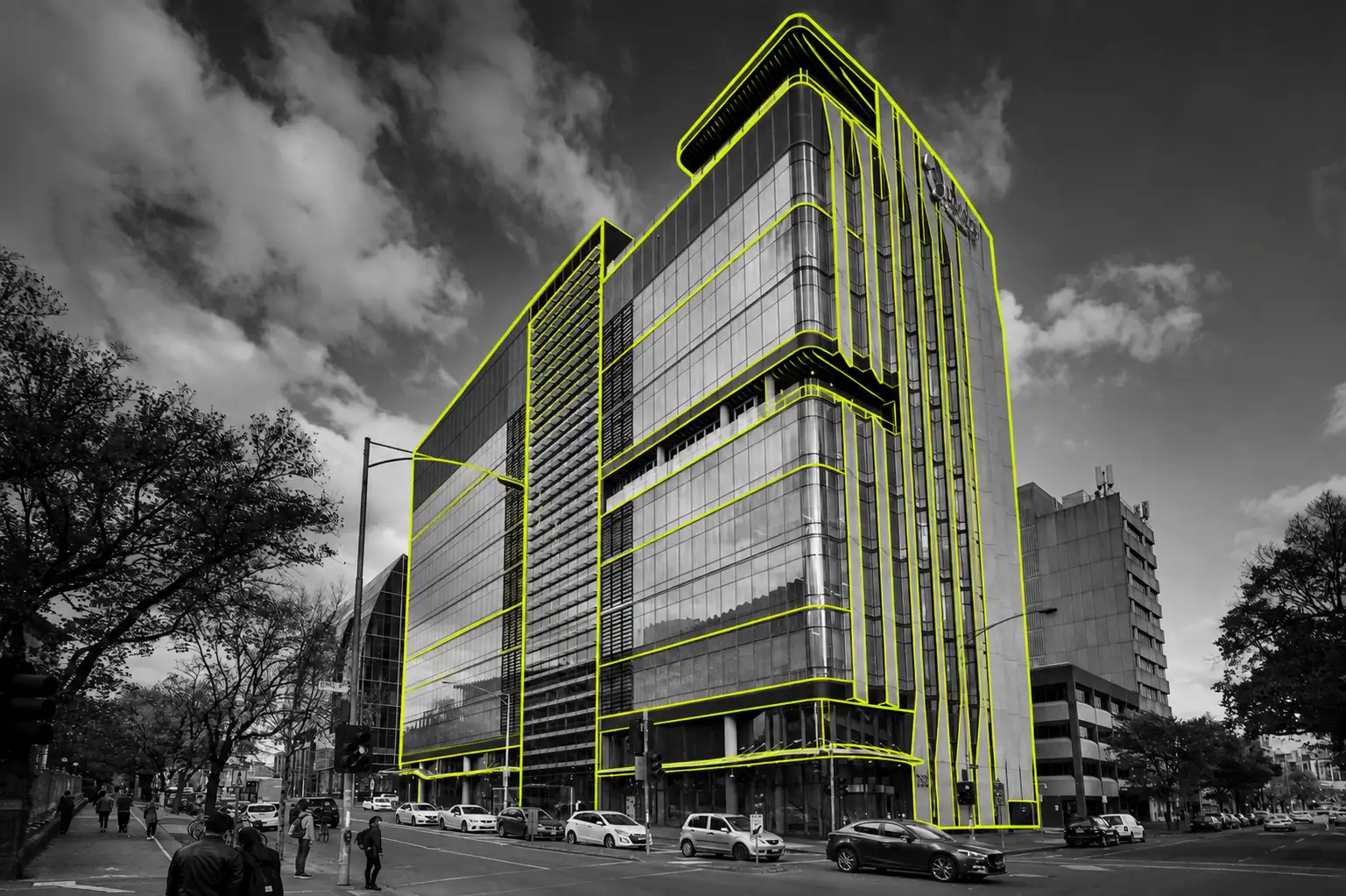
The University of Melbourne runs an entrepreneurship program to support scientists after the discovery, and investment funds like Genesis Pre-Seed Fund, Tin Alley Ventures and Uniseed back new technologies.
But we need more of them.
A city that backs big ideas
As science grows more sophisticated and more expensive, research needs money from more than government and industry alone.
Philanthropy fills part of that gap, backing bold, ambitious work that might be too risky to fund any other way. Melbourne has drawn that kind of giving for decades.
The Cumming Global Centre for Pandemic Therapeutics was established at the Doherty Institute after a AU$250 million donation, spread over 20 years, from Canadian philanthropist, Geoffrey Cumming.
Cumming decided to invest in Melbourne, because of the quality of the people and the work done here, the infrastructure backed by the Victorian Government, and the sense of shared purpose among Melbourne's researchers.
The Snow Centre for Immune Health at WEHI and the Paula Fox Melanoma and Cancer Centre at the Alfred Hospital tell the same story: philanthropists putting their trust, and their money, into what Melbourne can do.
Education and innovation are ingrained in Melbourne’s universities and innovation clusters.
We have the knowledge, determination and capabilities to cement Melbourne’s place as a city that ignites big ideas, encourages collaboration, rewards rigour and resilience, and translates research into real outcomes that help people around the world.
Professor Sharon Lewin is speaking at the Melbourne Assembly, a three-day public forum on the future of the city hosted by The Age and the University of Melbourne at Fed Square, from 19 to 21 October 2026. For tickets, visit the Melbourne Assembly website.