Arts & Culture
Art can be anywhere


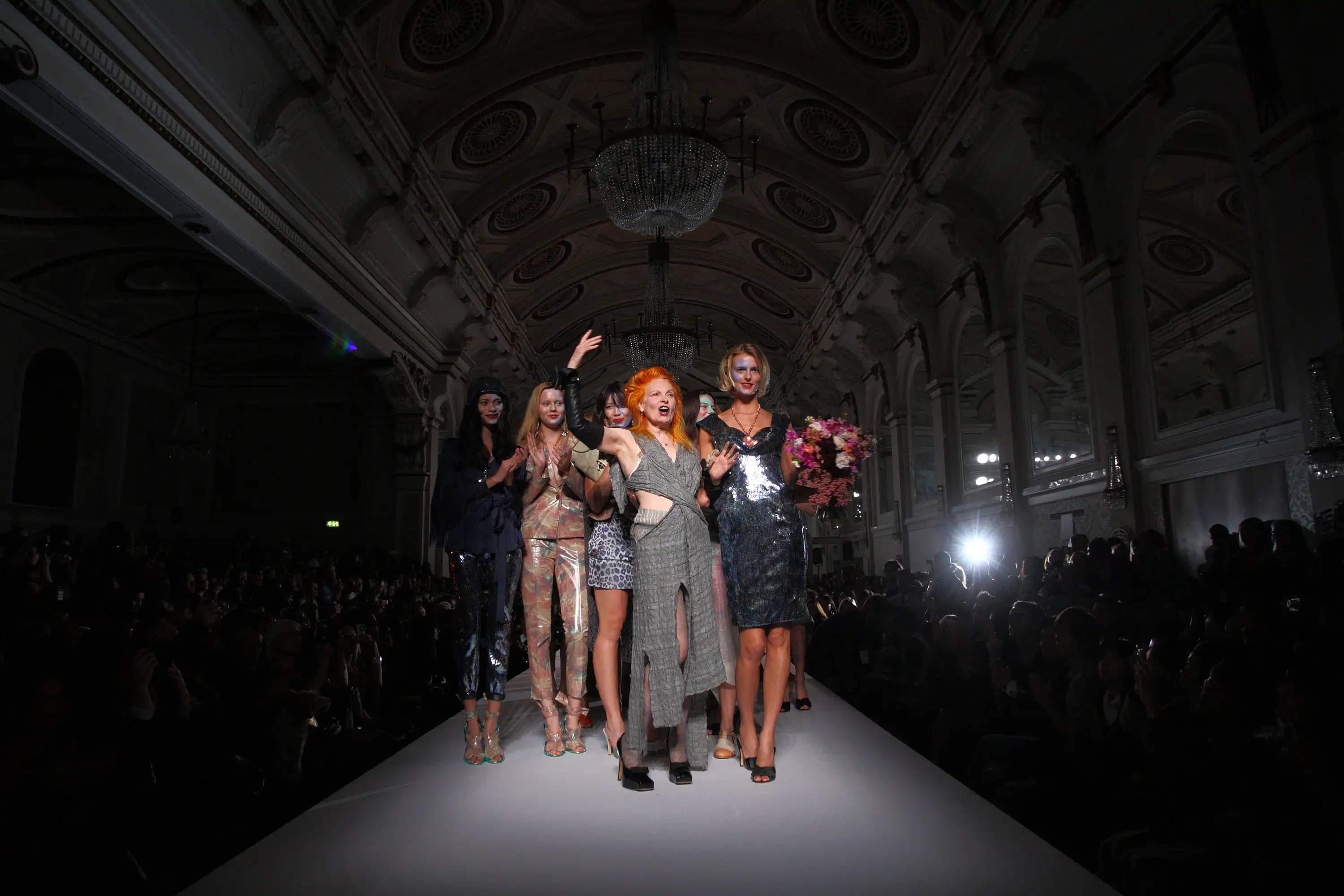
The fashion designs of Vivienne Westwood and Rei Kawakubo show that being punk is about more than just style – it’s an approach to freedom, politics and society

Published 24 February 2026
The term ‘punk’ carries rich connotations and an immediately recognisable image – rebellious youth, anarchic music, mohawks, combat boots and piercings.
Originally a slang term used to disparage delinquent youth and prison culture, the punk subculture movement was forged amid the political and economic upheavals of the 1970s in the US and the UK.

At its core, punk is an attitude of nihilism and a defiant rejection of the establishment.
It is in this context that fashion designer Vivienne Westwood emerged as a defining figure.
Westwood’s early designs relied on shock and disruption, mounting a direct refusal of traditional British standards of etiquette and propriety.
By helping to establish punk’s visual vocabulary of torn fabrics, safety pins, confrontational slogans and fetish wear, Westwood mobilised fashion as an overtly political act.
During the 1970s, Westwood’s store on King’s Road in London was a crucible for the punk movement.
Arts & Culture
Art can be anywhere
The store’s name, which frequently changed to reflect her evolving aesthetic, was always telling: Let it Rock (1971), Too Fast to Live, Too Young to Die (1973), SEX (1974), Seditionaries (1976) and finally, World’s End (1980).
Each iteration marked a shift in how the punk movement viewed the political, cultural and social mores of the time.
From dandy-style garments for Teddy Boys, to slogan t-shirts and rock ’n’ roll biker clothing, bondage and fetish wear, and later, the emergence of New Romanticism.
Regardless of these stylistic shifts, transgression – this sense of defiance and refusal of conformity – remained the overriding impulse.
Some of Westwood’s more notorious examples of provocation include designs produced with Malcolm McLaren, like the infamous Two Naked Cowboys T-shirt, which led to charges of indecent exhibition, and the Destroy T-shirt.
And then there’s Rei Kawakubo.
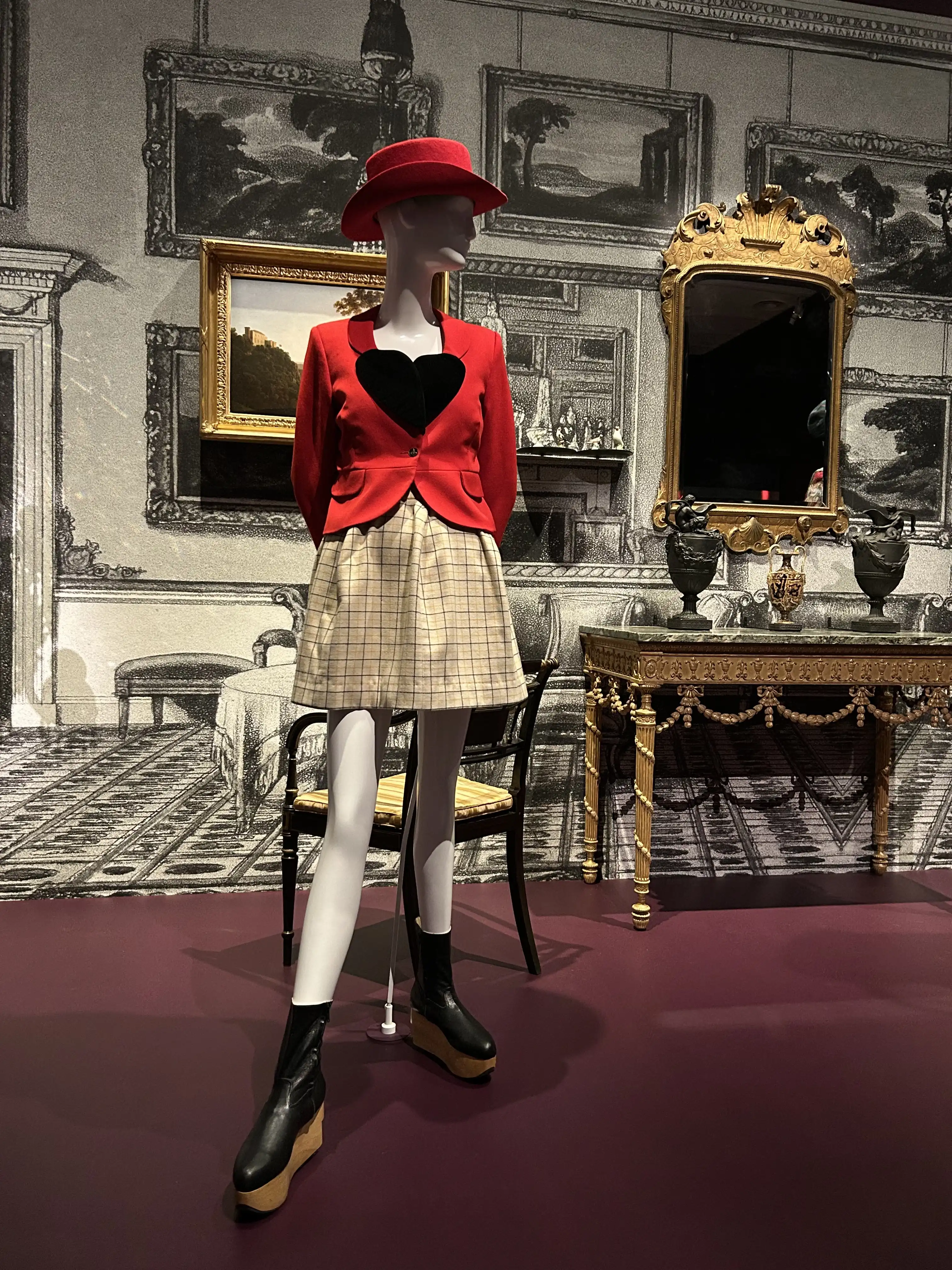 Westwood liked to use tweed in her designs to invert its association with British royalty. Picture: Supplied
 Kawakubo is known to radically rework the body’s shape. Picture: Supplied
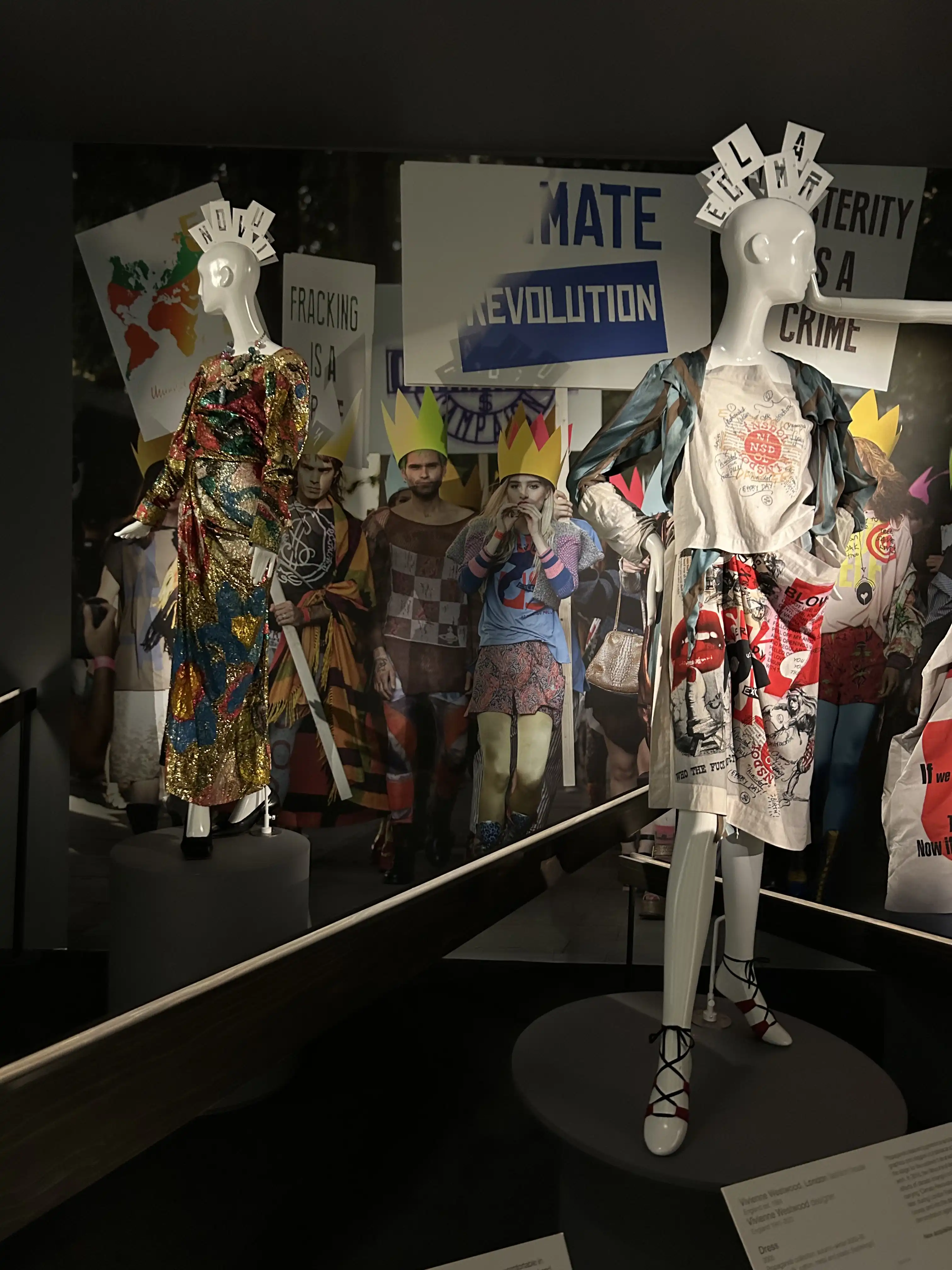 Westwood’s approach to punk was political and loud. Picture: Supplied
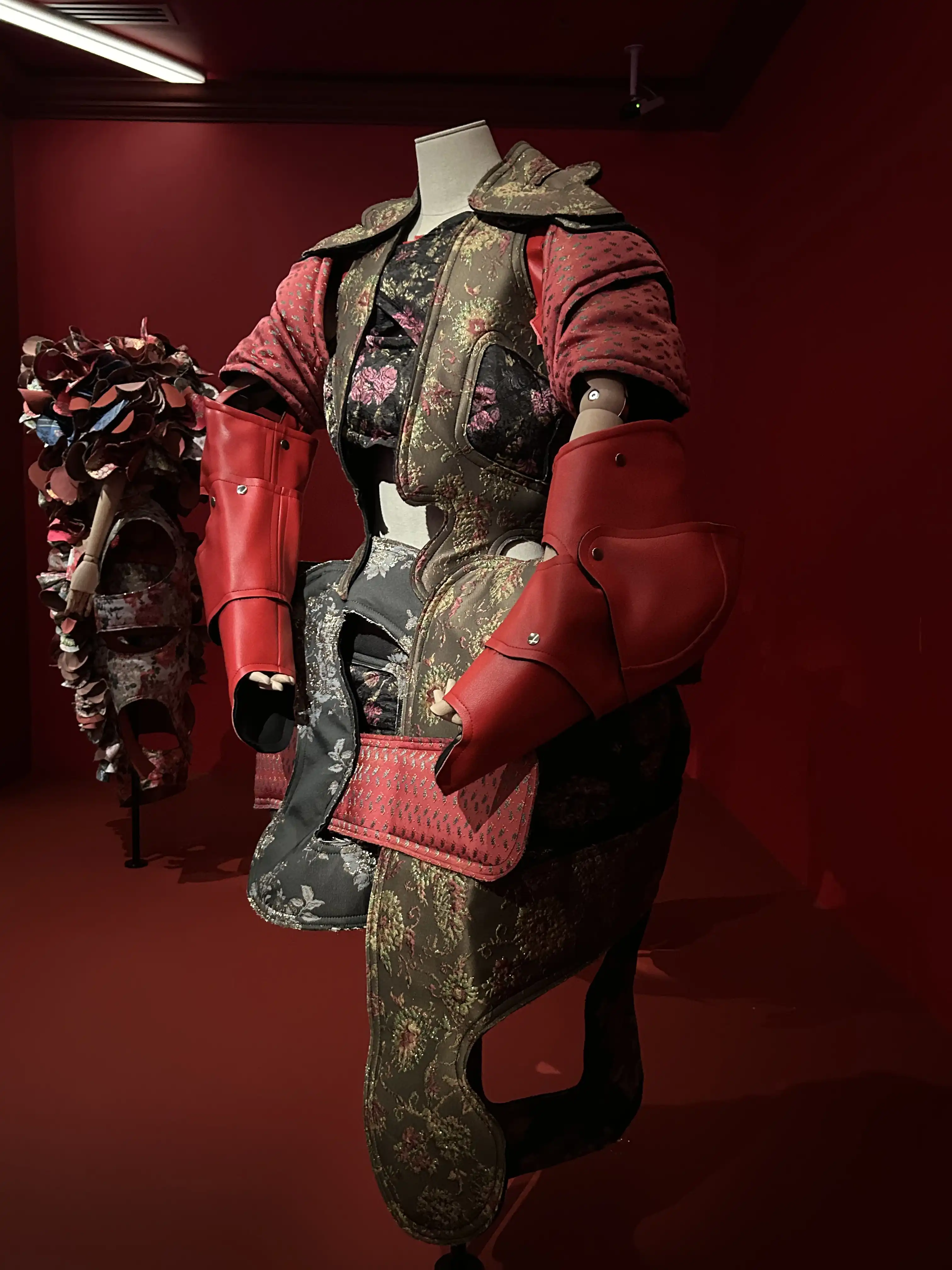 Only in her later career did Kawakubo embrace the visual syntax of punk. Picture: Supplied
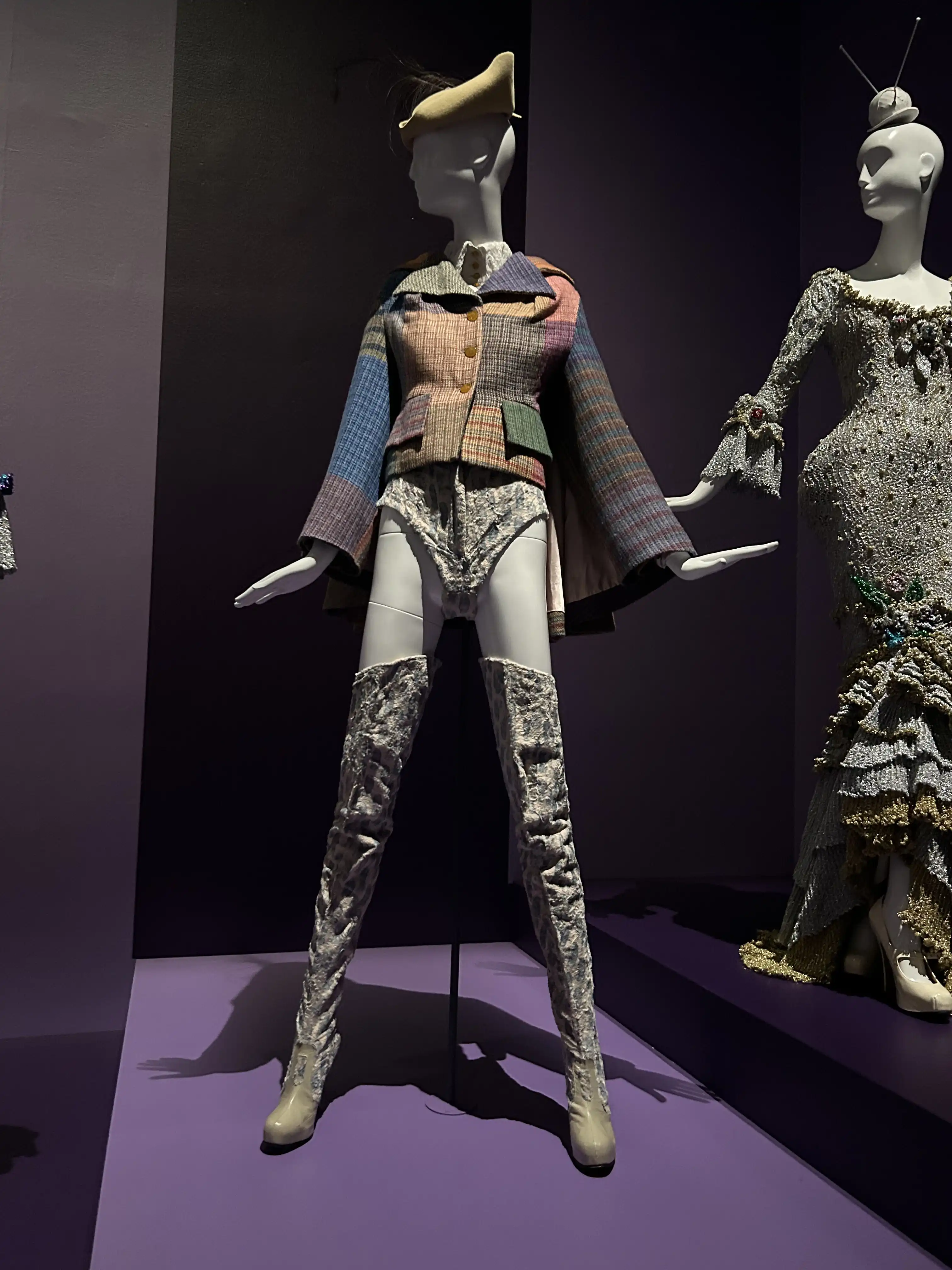 Westwood helped to establish the punk movement's visual vocabulary. Picture: Supplied
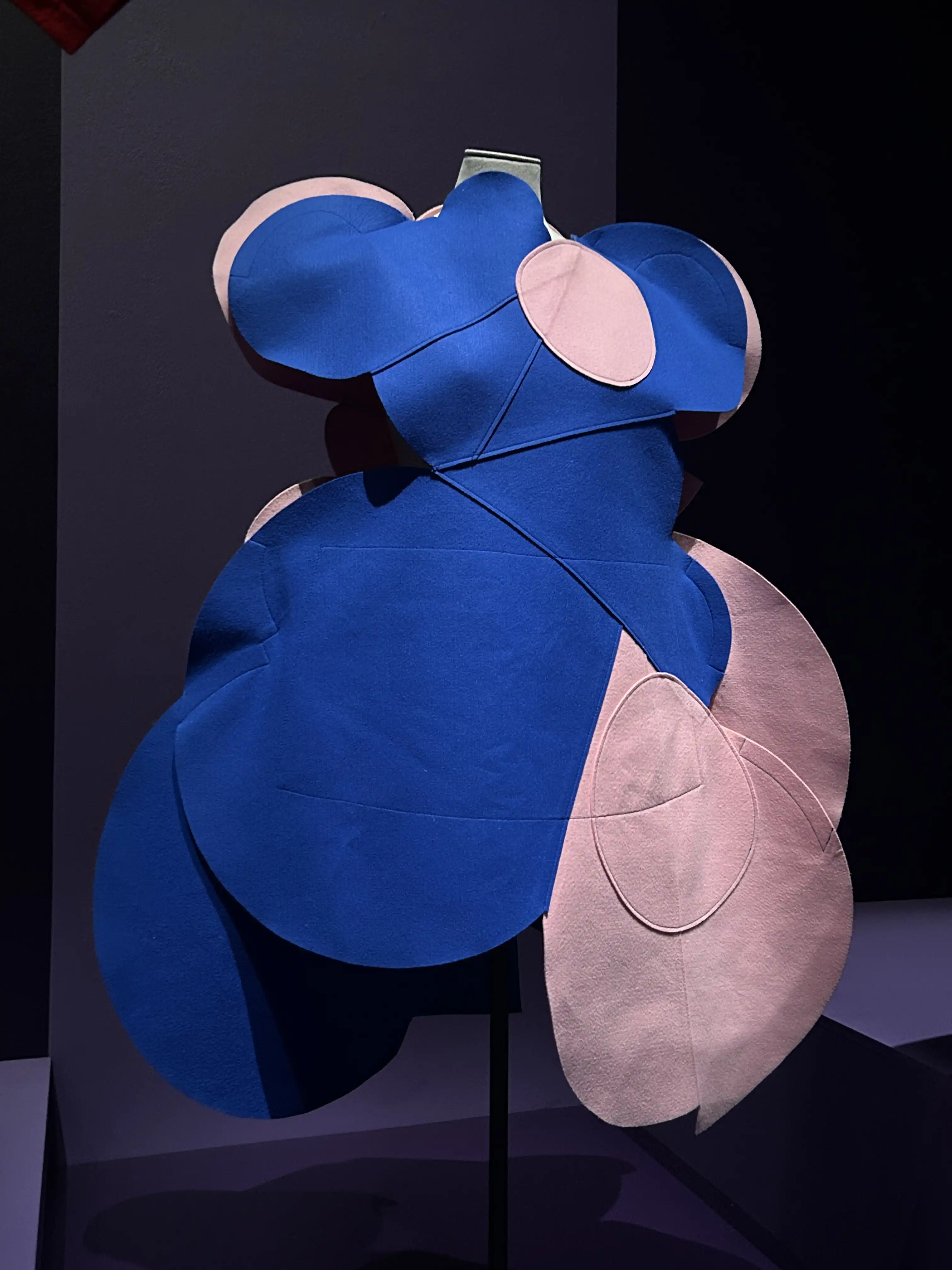 Kawakubo has been known to completely swallow the body in her designs. Picture: Supplied
1 / 6
Against this backdrop of explicit confrontation, Kawakubo’s engagement with punk appears markedly different.
Arriving in Paris from Japan in the early 1980s, she entered a fashion culture defined by bold colour, glamour and exaggerated power dressing.
In contrast, her monochrome, asymmetrical and deliberately distressed garments were not only out of step with prevailing trends but were derided as “bag-lady looks” that reflected an “aesthetic of poverty”.
Her first collection which, uncannily, shared the same title as Westwood’s 1981 Pirates collection, was largely ridiculed by reviewers, yet her aesthetic of “deconstruction” would later go on to influence generations of designers.
Arts & Culture
Friendship as a radical act
While it wasn’t until later in her career that Kawakubo began to draw upon the visual syntax of punk in collections like Bad Taste and 18th Century Punk, she is, as Westwood describes, a “punk at heart”.
Kawakubo visited the SEX boutique in London, but her self-declared “affinity with the punk spirit” lies more in its attitude, or what she describes as a determination to “avoid flattery”.
In this sense, punk emerges not only as a style or subculture, but also as an attitude or critical method – a refusal to please, a rejection of societal standards, and, overall, a battle cry for freedom.
What both designers share is a rejection of traditional standards of beauty.

Punk, at its core, is what Dick Hebdige, a prominent British media theorist and sociologist, describes as “revolting style”. A politics articulated not only through explicit dissent, but through the deliberate embrace of so-called bad taste.
Westwood’s designs have consistently relied on bricolage and do-it-yourself techniques, repurposing materials and wilfully misusing historical codes.
In Westwood’s hands, symbols of heritage and power – like Harris Tweed, a fabric closely associated with British royalty – are completely recontextualised.
Kawakubo, too, has drawn (though less explicitly) on historical precedents, while remaining equally determined to challenge conventional ideas of beauty and taste.
Never interested in the mainstream, her work has attracted a devoted, deeply loyal following of wearers and collectors drawn to her radical silhouettes and rethinking of what beauty can be.

Arts & Culture
How green is sustainable fashion really?
“I would never be content making garments everyone else finds beautiful,” Kawakubo has said, and it is precisely this refusal to conform to popular expectations that embodies the punk attitude.
Of course, as fashion designers, both Westwood and Kawakubo begin with the body.
Punk culture is known for its transgressive approach to embodiment – from tattoos and piercings to exaggerated makeup and fetish wear – strategies that Westwood has repeatedly echoed in her designs.
Their shared challenge to fashion, however, goes beyond surface decoration. Both designers radically rework the body’s shape and silhouette, using clothing to question inherited ideas of proportion, desirability and beauty itself.
Westwood has frequently used padding, corsetry and historical silhouettes like bustles to emphasise hips and buttocks, producing bodies that are deliberately excessive and confrontational.
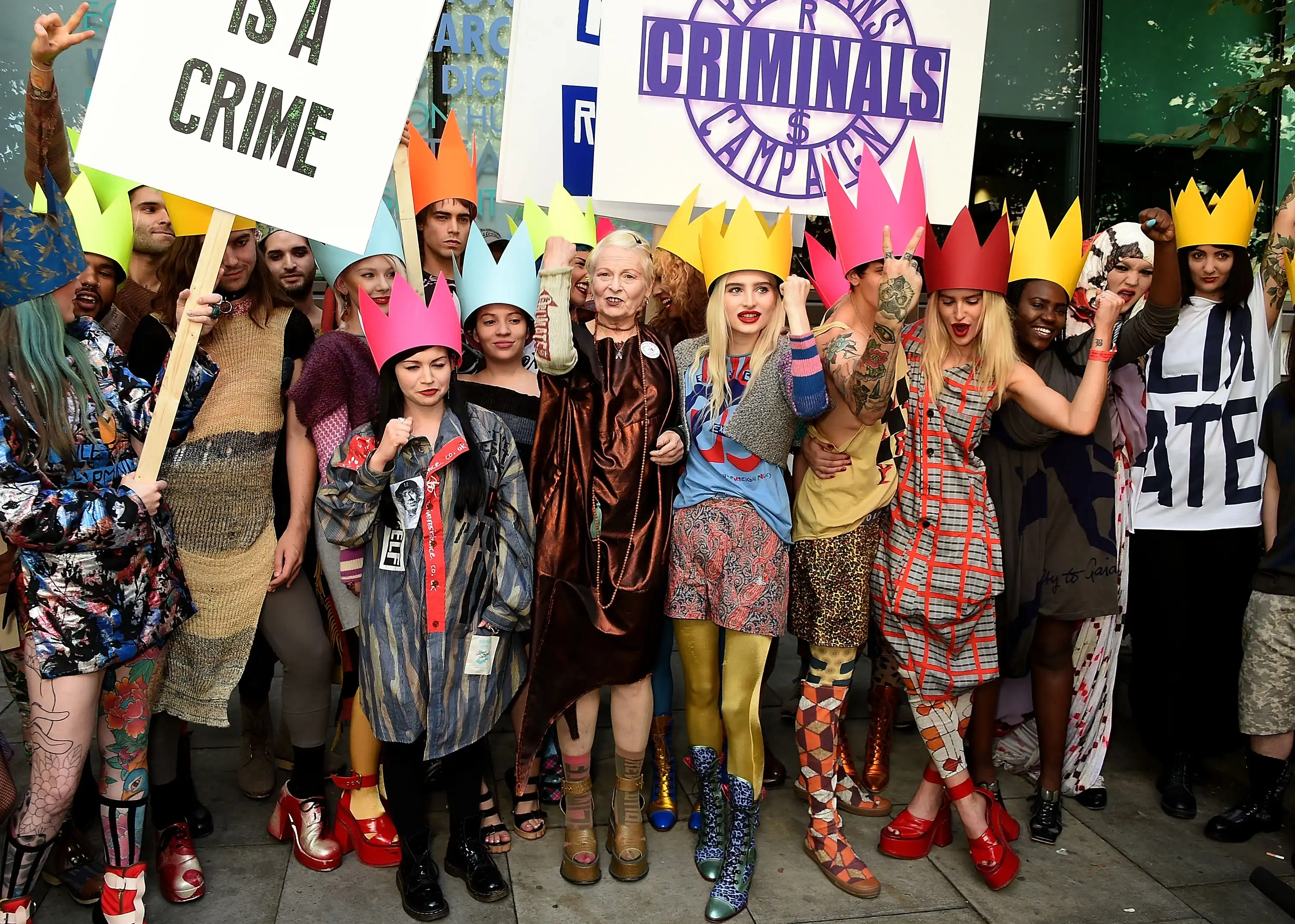
In an era defined by the waif aesthetic, these proportions were widely dismissed as ugly.
Kawakubo is also known for her exaggerated proportions – most famously in her 1997 Body Meets Dress, Dress Meets Body collection – which introduced padding across unexpected parts of the body.
In later collections, some of Kawakubo’s designs almost swallow the body altogether, offering a radical reimagining of fashion not as a means of flattering the figure, but as a sculptural challenge to common ideas of beauty.
Taken together, Westwood and Kawakubo show that punk is not simply a visual style, but an approach to freedom from social expectations.
Arts & Culture
Making sense of war through art
For Westwood, punk is political and loud – a direct assault on authority and good taste.
For Kawakubo, who has long resisted framing fashion as social commentary, punk resides instead in her deliberate rejection of fashion’s orthodoxies and its demand for commercial success.
In different registers, both designers are committed to a freedom that is aesthetic, creative and bodily. And nothing could be more punk than that.
The Westwood | Kawakubo exhibition is running at the National Gallery of Victoria until 17 April 2026.