
Politics & Society
Sports can show Australia’s better face


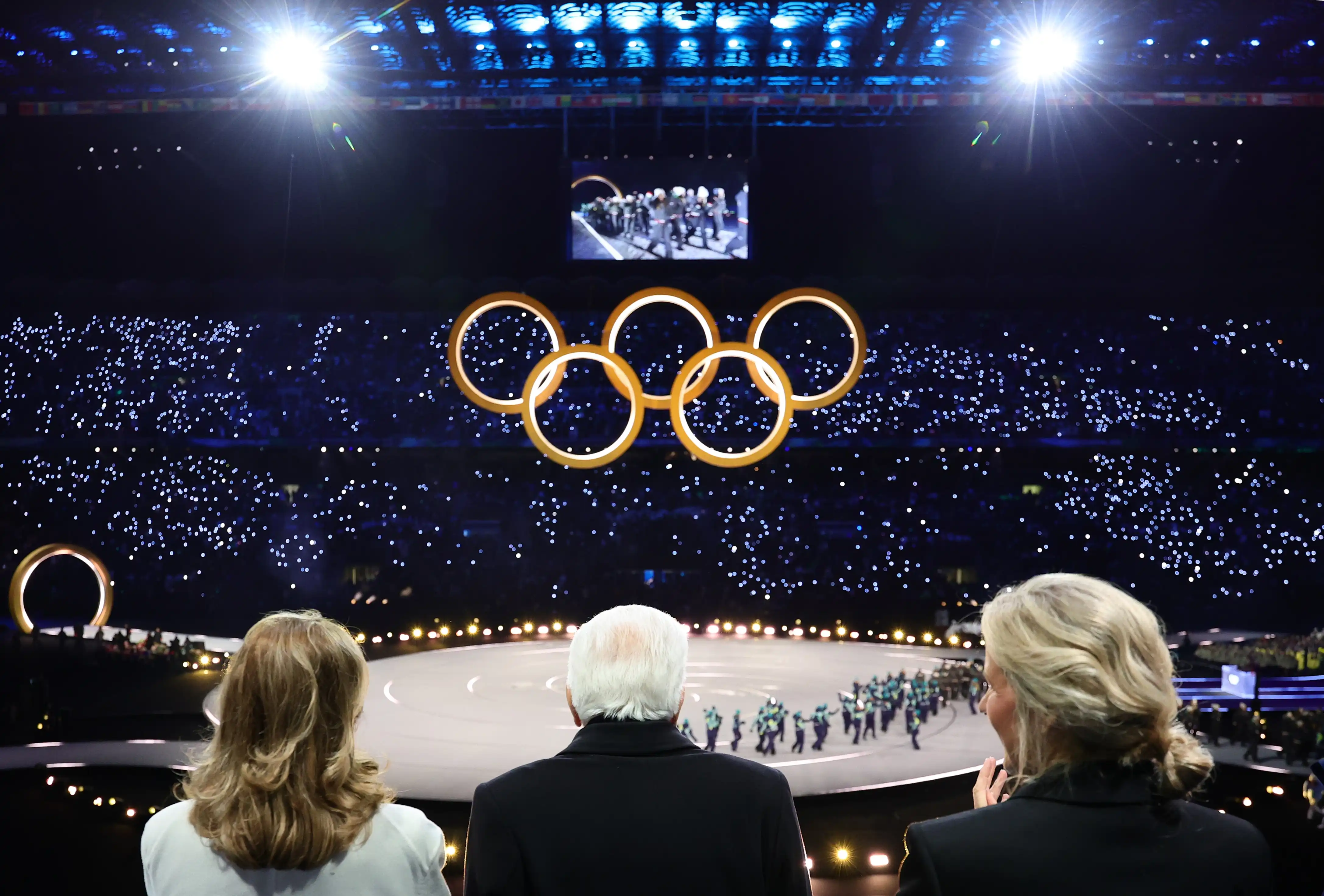
For decades, the media has told the wrong story about Paralympic athletes. The 2026 Winter Olympic Games is a chance to ask how we can do better

Published 3 March 2026
Australia is a country that has used sport to create a national image.
For many of us, sport is more than a simple pastime – it is a way of life.

After the First World War, for example, the Queensland state government connected Australia’s beach landscapes with swimming as a sport accessible to all to promote healthy living, contributing to this idea of sport as integral to the Australian way of life.
Having become integral to our success in the pool, Olympic swimming champions like Dawn Fraser, Ian Thorpe and Ariarne Titmus are admired by successive generations of Australians.
Despite the centrality of sport to Australian identity, the Paralympics have not always been considered part of this ideal image of Australian athleticism.
While recent media has developed a more strength-based approach, we still have a ways to go.
In 2026, will the story remain the same for the Paralympics or have things genuinely changed for the better?
Politics & Society
Sports can show Australia’s better face
The Paralympics emerged in 1960 as the brainchild of Dr Ludwig Guttmann, a German-Jewish doctor who fled Nazi Germany for Britain and would go on to revolutionise spinal cord recovery through his connection to sport.
What began as the Stoke Mandeville Games, originally intended to incorporate movement to aid spinal patients in their recovery, the Paralympics have steadily advanced in prominence, growing into an increasingly high-profile international competition.
More than 60 years later, the Milano Cortina 2026 Paralympics are being heavily advertised on mainstream media in Australia, and recent Paralympics have seen increasing coverage.
But the Paralympics have not always enjoyed such public prominence.
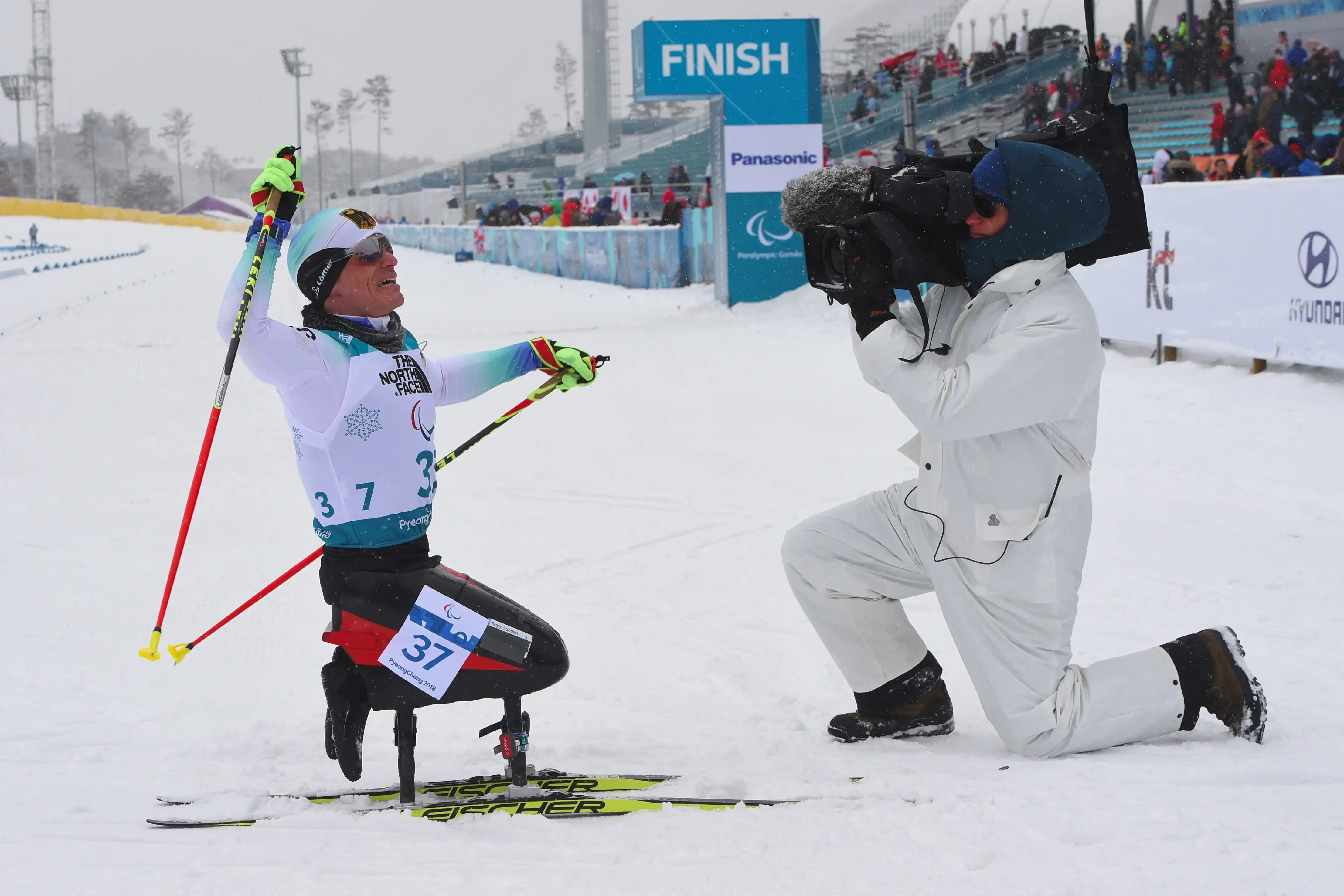
When athletes from Australia competed at the first official Paralympics in Rome, disability was framed in terms of victimhood.
Since then, reporting of the achievements of Paralympic athletes has been most often sidelined, with emphasis instead placed on their ‘suffering’ because of their disabilities.
Athletes like swimmer Elizabeth Edmondson, who won three gold medals at the 1964 Tokyo Games, found their sporting achievements overshadowed by a focus on their disabilities as ‘tragedy’.
This framing of disability aligns with the medical model, which sees a person as ‘impaired’ by their disability and perpetuates a dominant norm where disabilities are viewed in negative terms.
Compounding this image was a tendency to portray athletes with disabilities as ‘having a go’ rather than competing to win.

Politics & Society
Race, sport and media: Questioning the status quo
Reports on the Paralympics were often buried deep in the middle of newspapers and limited to a few sentences. This is in stark contrast to their Olympic counterparts, who were most often given detailed full-page coverage.
This framing reinforced the message that the achievements of these athletes were not of the same order.
In more recent years, media reporting has moved from pity to adoration of Paralympians as superhuman – but is this still harmful?
In the wake of the success of the Sydney 2000 Games, the Paralympics began to make their way into mainstream Australian media, with sponsorships coming on board to support athletes and sporting codes.

However, this increased interest was accompanied by the rise of a new set of tropes depicting the achievements of Paralympians as ‘unbelievable’.
We can see this exemplified today in the International Paralympic Committee’s 2026 slogan, which frames the games as a chance to ‘Witness the Extraordinary’.
Often, the media tell stories of how athletes have ‘overcome’ their disabilities to achieve their success.
This creates a sense that Paralympic stories are primarily about the triumph of the human spirit in the face of adversity, rather than purely stories about sporting achievement and athleticism.
While historically, athletes with disabilities were viewed with pity, athletes in the 2010s are seen as exceptional for their achievements despite their disabilities.
This reflects a failure to recognise that disability does not have to be overcome for a person’s achievements to be worthy of recognition.
Alongside this rhetorical shift came the prominence of technology.
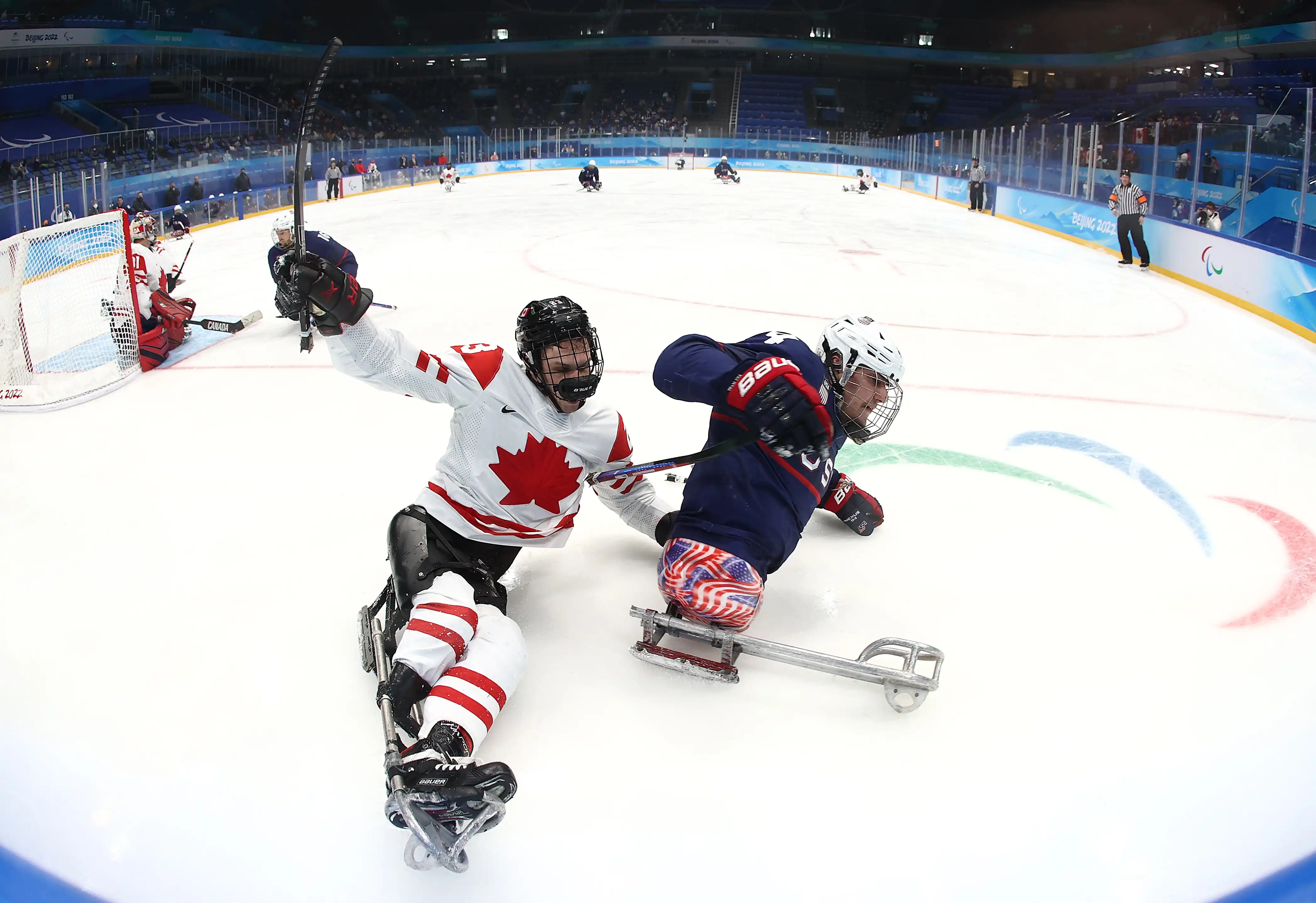
Paralympic sports that tend to gain the most media attention are those that utilise high tech in competition – like blade prosthetics and adaptive sports wheelchairs.
The use of technology in combination with Paralympians ‘overcoming’ their disabilities has led to the trope of the Paralympian as ‘superhuman’.
Think of Oscar Pistorius and his nickname, ‘Blade Runner’, coined by the media.
There are some positive elements to this approach which are important to note.
This type of media coverage focuses on strengths rather than 'weaknesses' and reflects an increasing public adoption of this strength-based thinking. It's definitely a step in the right direction.
But on closer examination, we find that the 'cyborgisation' of Paralympians only extends to those who represent the hyper-masculine ideals of sport, which tends to be wheelchair and prosthesis users.
This excludes the diverse range of disabilities within parasport and society more broadly – including invisible disabilities – and reinforces ideas of disabled bodies as ‘other’, deviating from the social norm.
The media focus on these highly specific forms of disability reinforces outdated categorisations by reinforcing the binaries placed upon disabled bodies.

Sciences & Technology
Giving people the chance to reclaim their independence after an amputation
This is mirrored through the media’s focus, which spotlights those athletes who fit the mould of ‘proper’ or ‘real’ disability.
As the 2026 Paralympics kick off this week, it’s worth asking ourselves: how does this media coverage perpetuate stereotypes, and how can we do better?
Are we on the precipice of a more positive shift, or will these tropes continue to define how disability is thought of in our society?
During the Milano Cortina Games, keep an eye out for these tropes and be wary of what image of disability this may be creating. Keep these questions in mind:
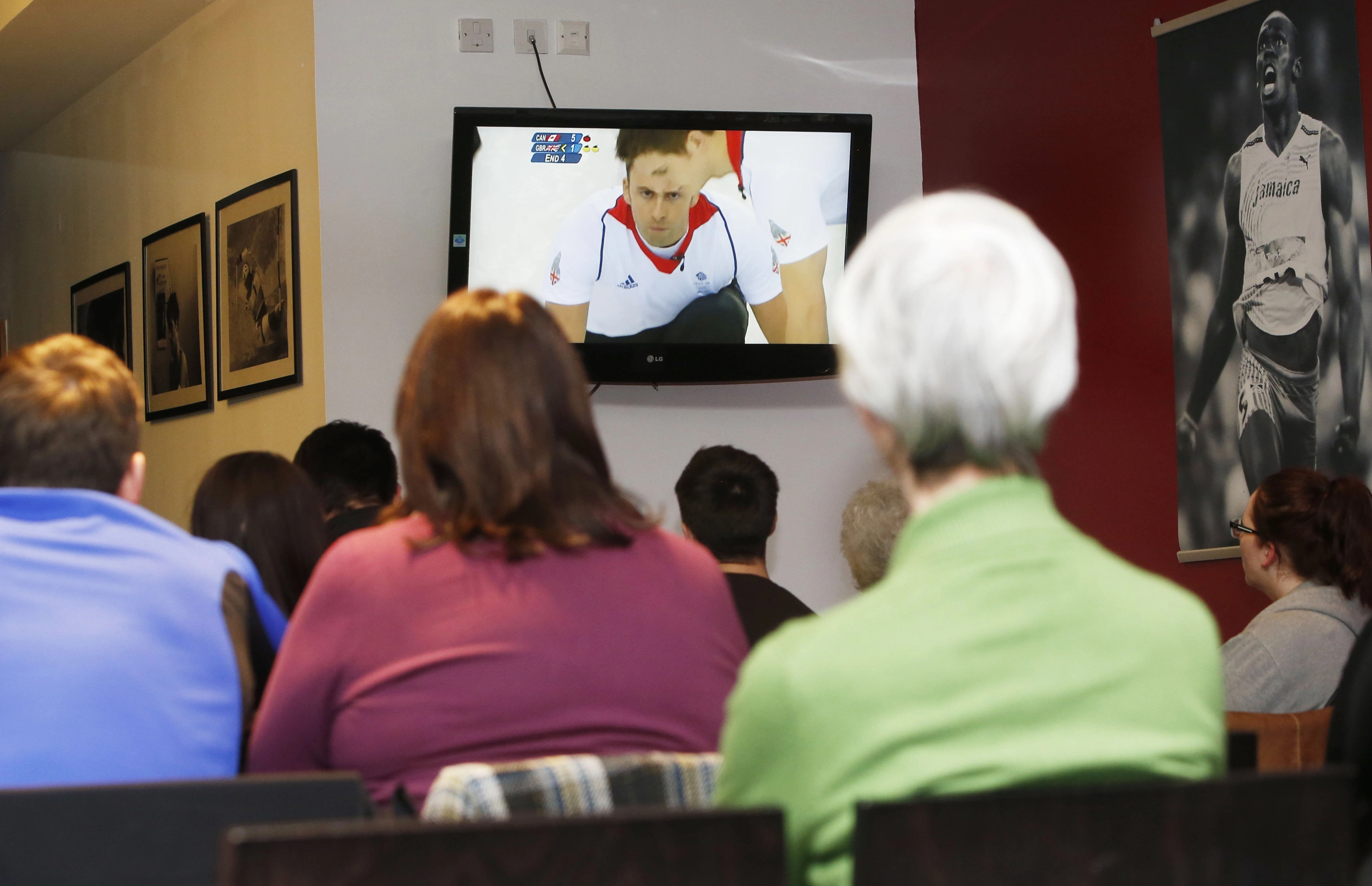
What sports am I seeing reported on the most? Are they heavily reliant on technology?
How are the athletes described? Are they constantly framed as tough and strong 'despite their disability'?
Are athletes’ disabilities positioned as central to their achievements? Are they described as extraordinary because they have overcome their disabilities?
You can also stay up to date with athletes using social media. This is a great way for athletes to bypass these stereotypes and take more control over the narrative of disability.
This research was generously supported by a Hansen Little Public Humanities Grant and arose out of a project produced as part of the undergraduate History capstone, supervised by Dr James Keating.