


‘The real ‘magic’ of biology happens at invisible, chemical scales’
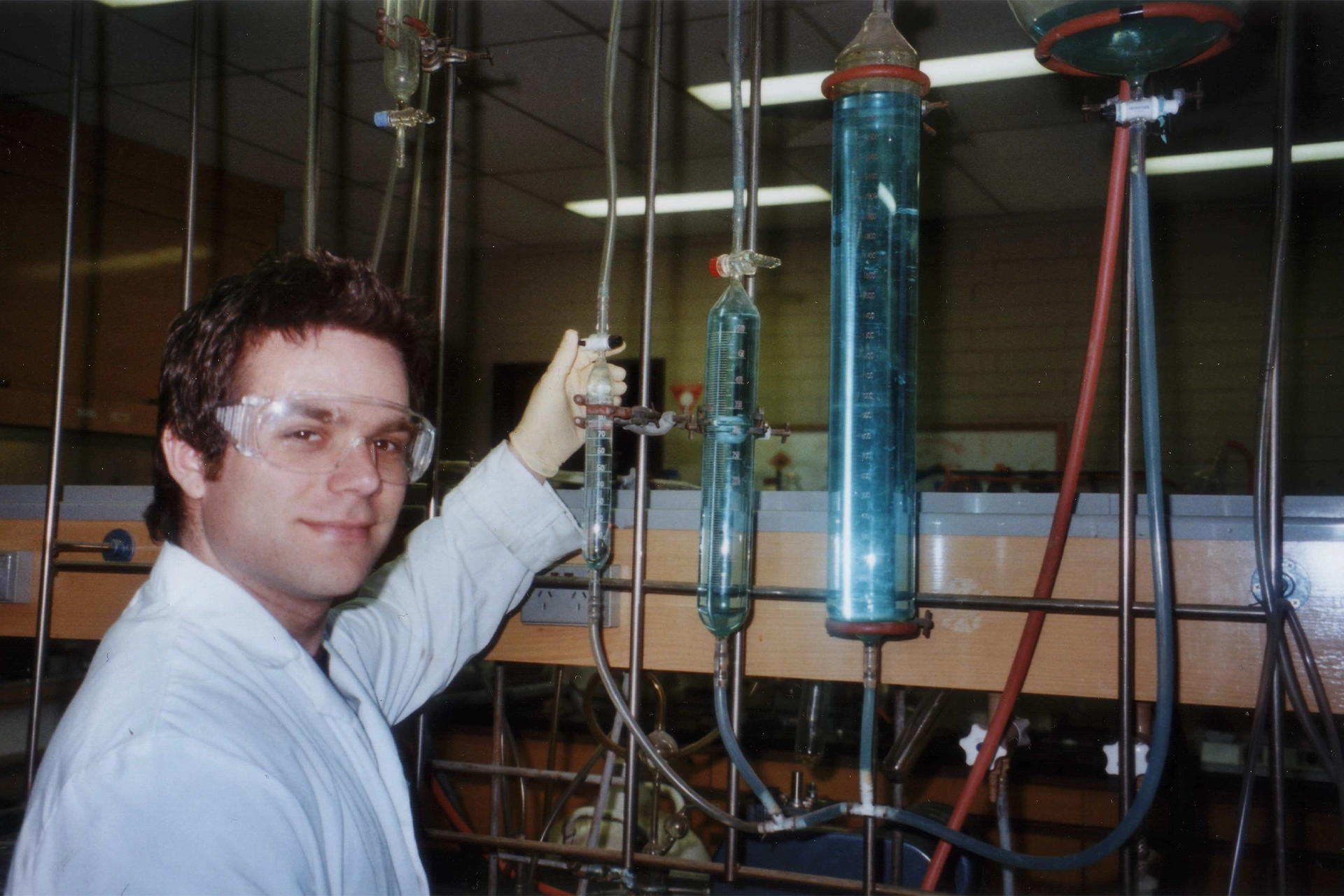
Anastasios (Tash) Polyzos grew up in regional restaurants and rock bands, but it was his fascination with chemical reactions that birthed an entrepreneur

Published 24 October 2025
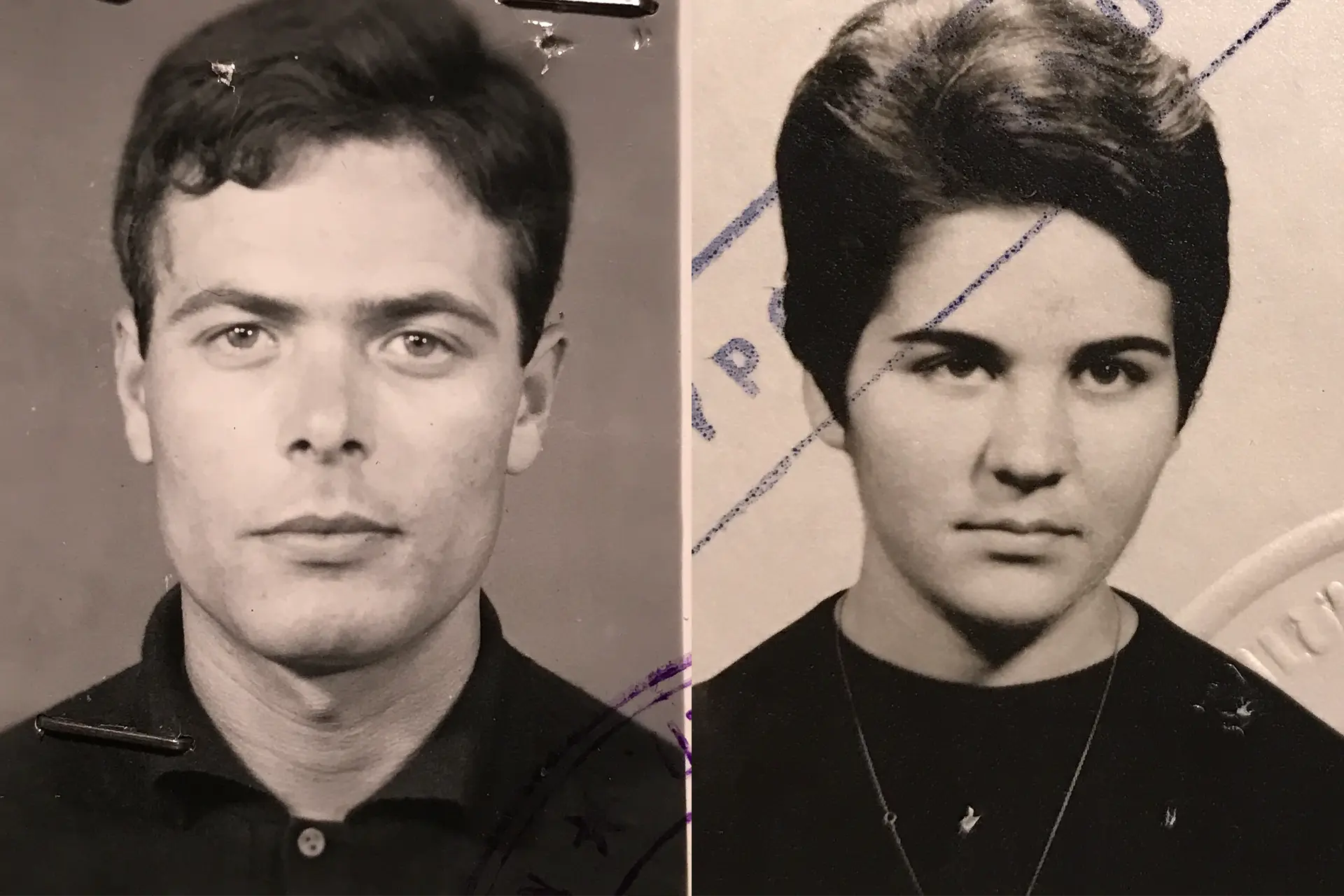
My dad immigrated to Australia from Greece in the mid-sixties and Mum followed a bit later. They worked on farms, then established a series of cafés and restaurants in Shepparton, northern Victoria.
I didn’t like working in the family business, but I learnt to roll up my sleeves and commit to it. My parents taught me to seize opportunities and demonstrated the value of perseverance, gratitude and resilience.
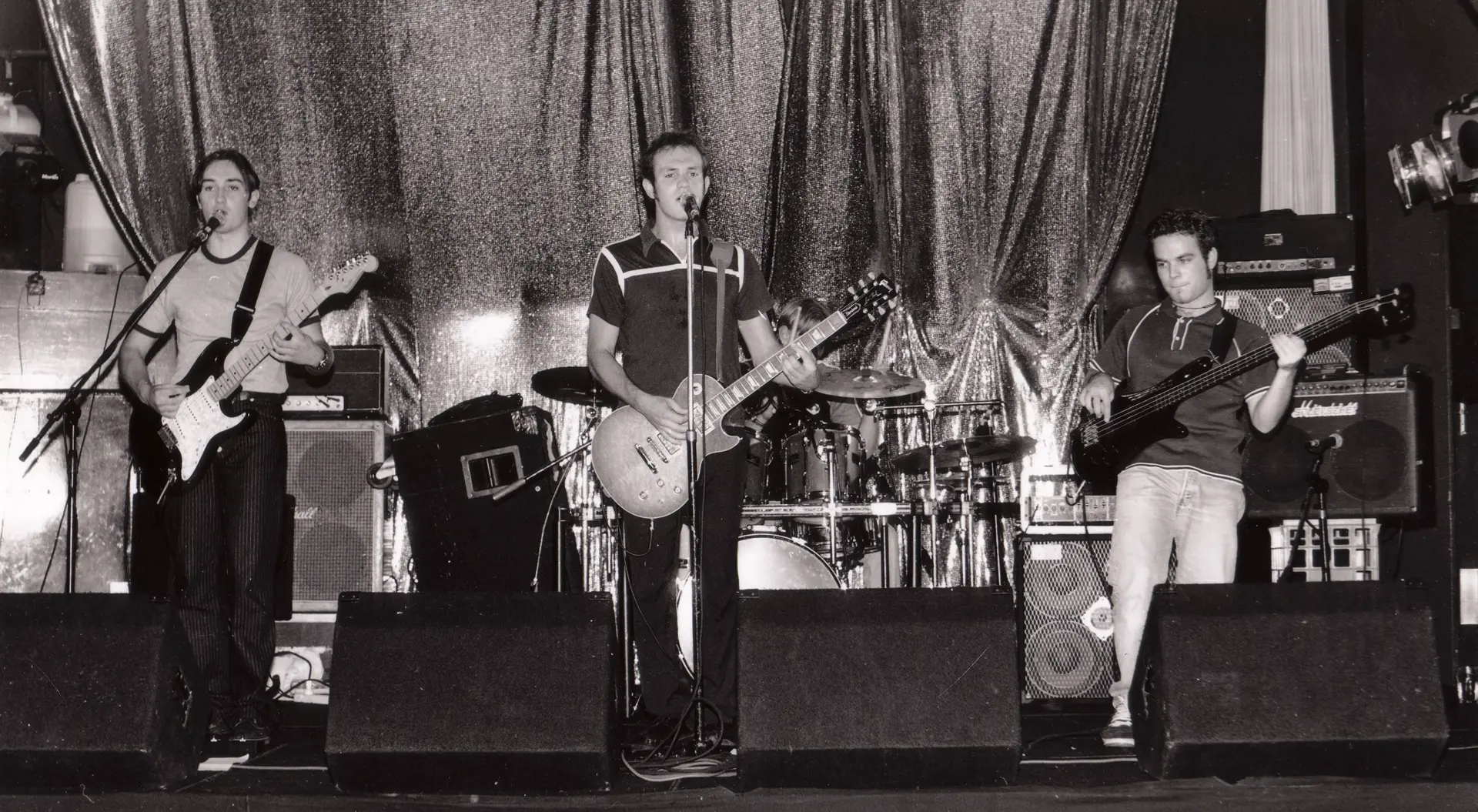
Growing up in a country town, there wasn’t much to do, so I taught myself to play the bass guitar, formed bands with friends and played some local gigs.
The band Kiss was a big influence – I adored their theatrics and great rock ’n’ roll. Later, I became interested in jazz music because of incredible bass players like Charles Mingus.
I had some good science and maths teachers at school, who profoundly influenced my trajectory. I was attracted to applied chemistry because of its high potential for impact and my curiosity about the molecular basis of biology.
I distinctly remember looking at my teenage skin and thinking about how it’s made of cells, which are made of membranes and tiny ‘machinery’, which are made of lipids and proteins and DNA, which are made of atoms, which are made of subatomic particles.
I found it fascinating that we see only a fraction of the full story and the real ‘magic’ of biology happens at invisible, chemical scales.
While undertaking my PhD, I played in a band called Fifth Avenue. One of Channel Ten’s Big Brother housemates talked about us on television and our music went viral – all the radio stations started playing it.
We also played on TV – on Good Morning Australia with Bert Newton – and supported some touring acts, including Grinspoon, Something for Kate and The Living End, so I felt like a rockstar, but I still had to go into the lab every day and wrestle with chemical reactions.
I found the music industry too unstable, but it enhanced my creativity, communication and collaboration. I still love music, play occasional gigs with old band mates, and collect guitars – an expensive habit.
In the final year of my PhD at La Trobe University, I founded a startup company that focused on synthesising amino acids – the building blocks of proteins. We created novel amino acids that don’t occur naturally and connected them to build modified peptides, proteins and ultimately, new drugs, including an enhanced form of insulin to improve diabetes treatment.
Being the company’s CEO and science officer was a huge and fascinating challenge. I developed skills in problem-solving, strategic business development, leadership and management, and pitching to investors, partners and customers.
Though we had initial success, like most biotech start-ups, we ran out of money. But I realised failure is not the end; failure is information. This positive attitude – derived from my upbringing and my scientific training – carried me forward.
In 2005, I joined the Commonwealth Scientific and Industrial Research Organisation (CSIRO). I learnt how to do ‘big science’ – to think big and ask bold scientific questions – and had some extraordinary experiences using major research infrastructure for impactful research, including the huge synchrotron at the Argonne National Laboratory in Chicago, USA.
From 2008, at the University of Cambridge and ETH in Zurich, I was fortunate to work with some exceptional research mentors. They revealed that it wasn’t only my scientific skills that won my positions in their lab groups, it was also the capabilities that I had developed as a musician and entrepreneur.
I returned to the CSIRO in 2011 to establish a flow chemistry laboratory. Traditionally, chemistry has involved mixing reactants and reagents in a single batch of a fixed volume – you ‘cook’ in one pot.
But what works at small scale doesn't always work when you increase the volume. A solution for scaling up is to pump chemicals through small tubes into a microreactor, where they mix and react in a continuous flow under highly controlled conditions.
Sciences & Technology
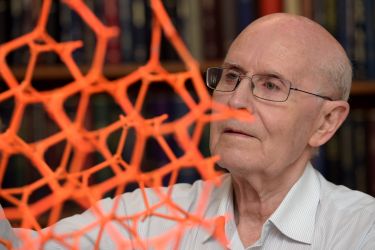
The Nobel Prize winner who built a whole new field of chemistry
This technique also keeps hazardous chemicals safely contained.
In 2015, I founded my current laboratory in the School of Chemistry at the University of Melbourne, with brilliant graduate students and researchers. We collaborate with other research organisations and companies to advance flow chemistry, electrochemistry and photochemistry, fostering new knowledge, processes and applications.
For example, we’ve devised a means of turning carbon dioxide exhaled by astronauts into pharmaceuticals, which could be vital on a deep space mission.
Meanwhile, I’ve established another start-up company called Flow AI, using optimised algorithms for flow chemistry to speed development of critical drugs, which one of our partners could manufacture in Australia.
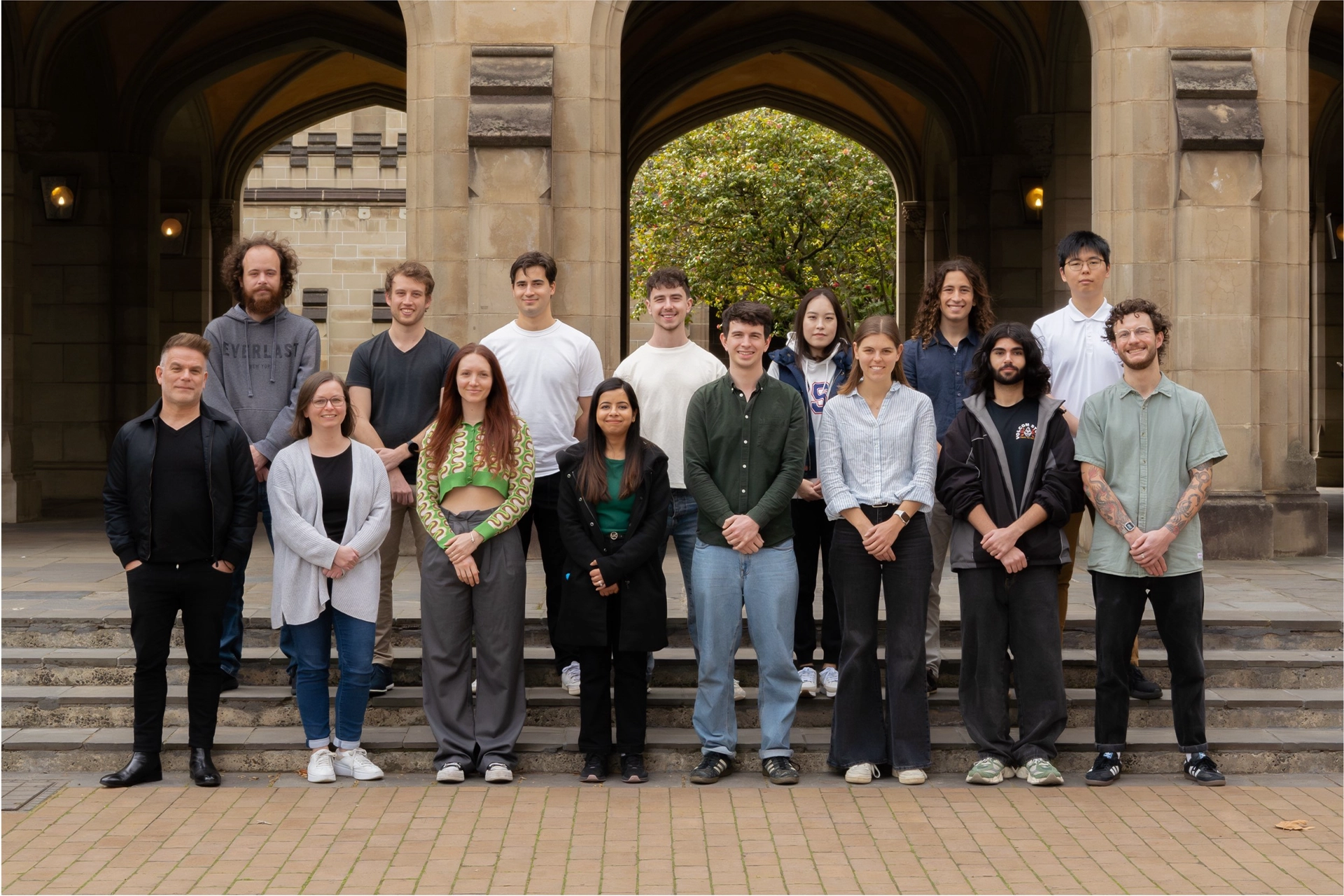
I’d love to see Melbourne and Victoria become a hub not only for pharmaceutical discovery, but also translation, and I think this company can play a key role in that. I don’t see myself moving away from academia, but I aim to be more involved in research commercialisation.
Science is not just about understanding the world; it should improve it. I’ve had the honour of working with inspiring scientists around the globe and meeting with Nobel Prize winners, including Professor Barry Sharpless, who has transformed organic chemistry.
He said that he knew about my research and admired my hair style – it was a good day for this old rocker.
– As told to Rebecca Colless