Sciences & Technology
Australia's elusive rakali is hiding and thriving in Melbourne's waterways


Urban sprawl and climate change mean ‘snake season’ isn't as simple as a date on the calendar. Our new Map of the Month tells you what you need to know to shed your snake bias

Published 30 September 2026
As an urban biodiversity expert, I'm someone who wants to get people excited about the wonderful animals that share our neighbourhoods. But there’s one question I always dread: 'What about snakes?'
Twenty one of the world’s 25 most venomous snakes are found in Australia. Everyone loves to quote this fact, but if we leave it that, of course we're going to be afraid.
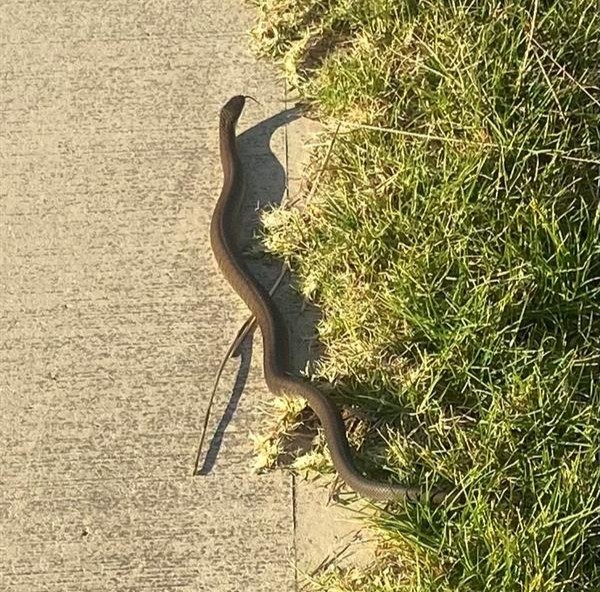 As climate change alters weather patterns, our chances of encountering a snake are never zero. Picture: Hobsons Bay City Council's Conservation Team
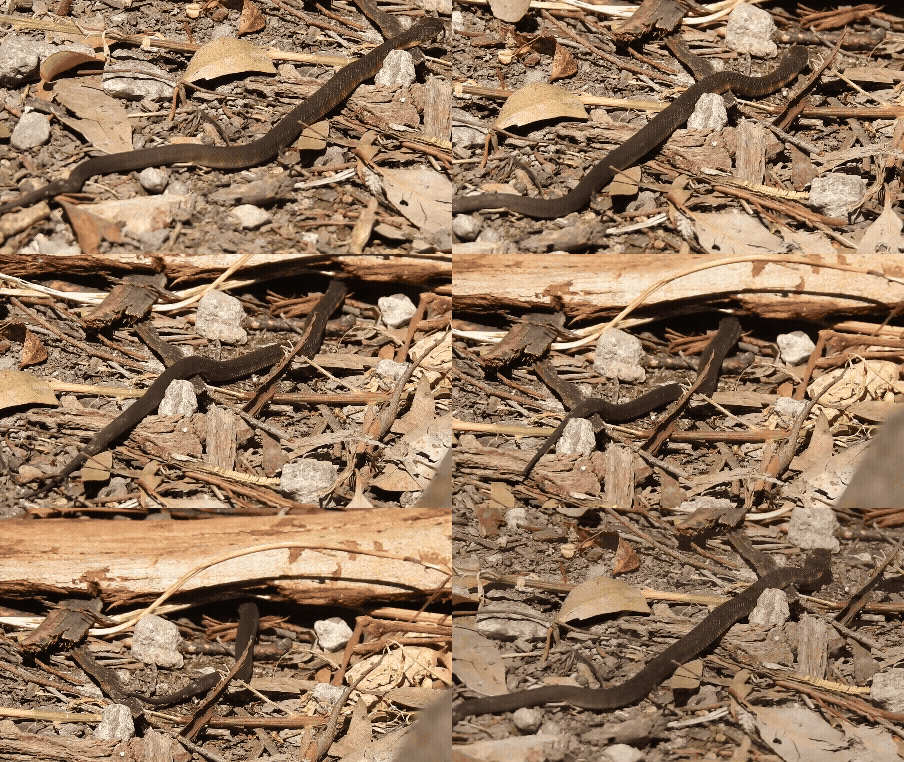
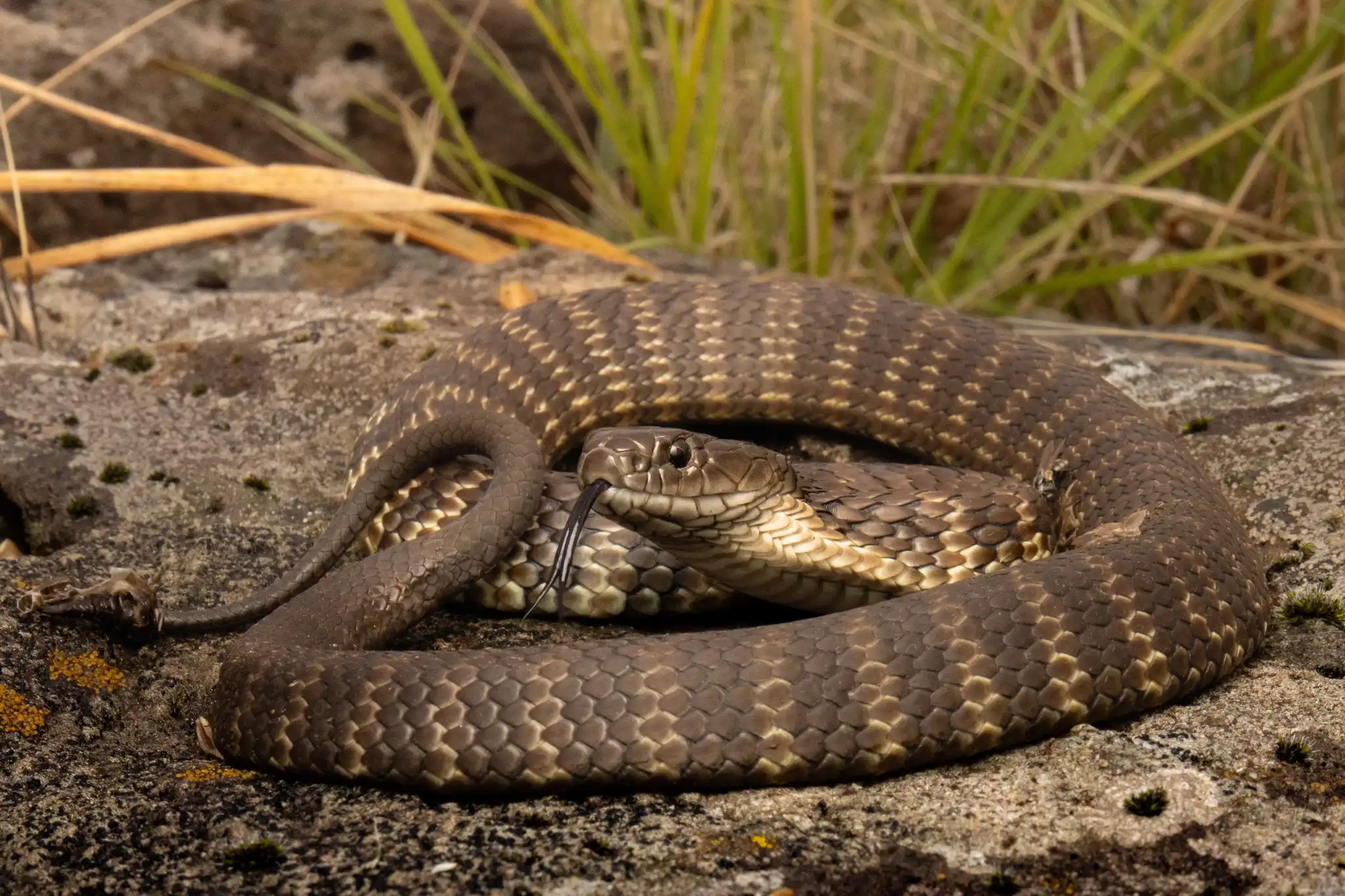 Tiger snakes can reach up to two meters long. Picture: iNaturalist/varanibae
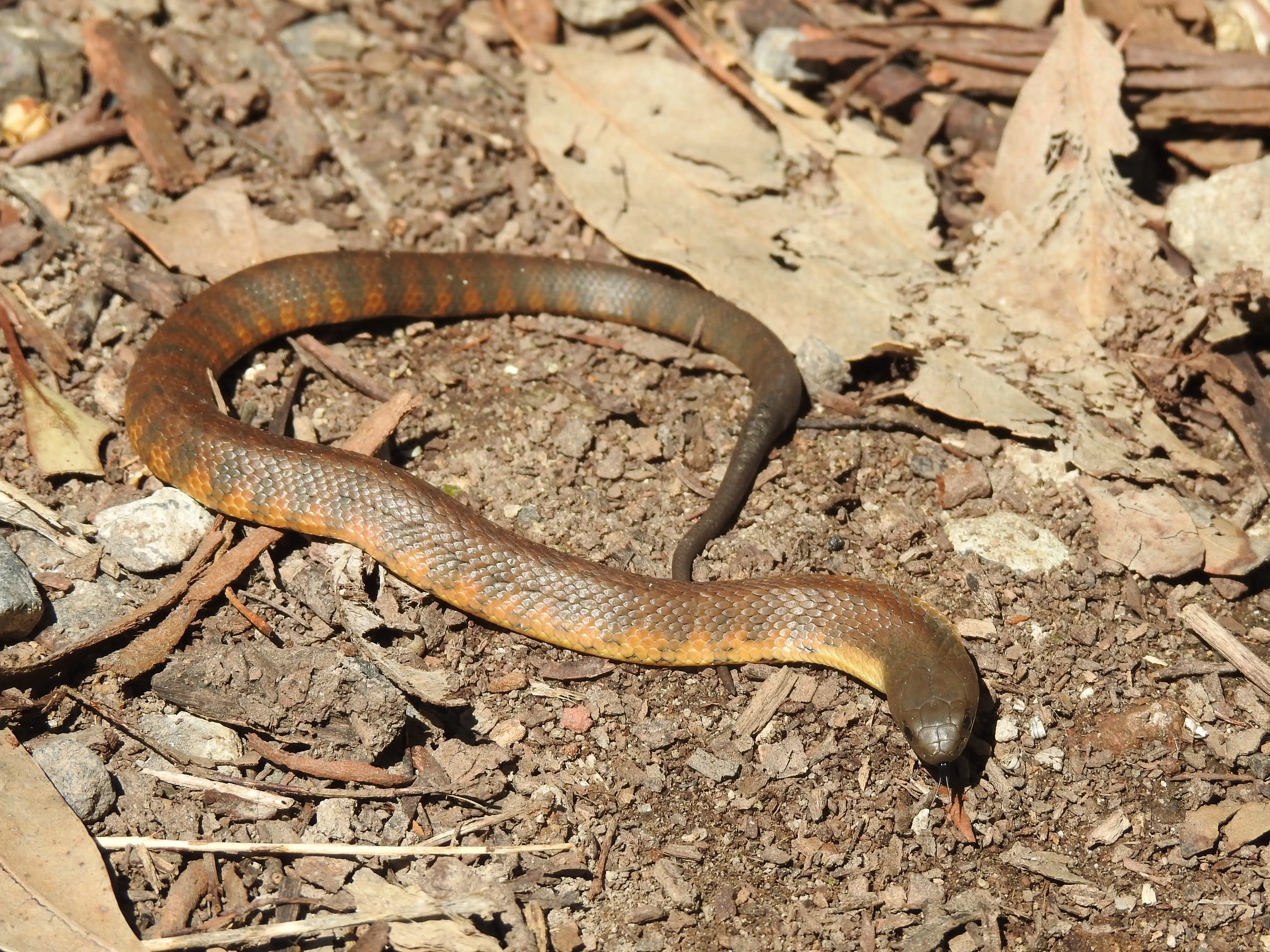 Unless you weigh less than 300 grams, you're not on a tiger snake's menu. Picture: Hobsons Bay City Council's Conservation TeamAs climate change alters weather patterns, our chances of encountering a snake are never zero. Picture: Hobsons Bay City Council's Conservation TeamTiger snakes can reach up to two meters long. Picture: iNaturalist/varanibaeUnless you weigh less than 300 grams, you're not on a tiger snake's menu. Picture: Hobsons Bay City Council's Conservation Team
1 / 3
While I prefer to focus on the more traditionally delightful elements of biodiversity (a Superb Fairy-wren, anyone? A sweet-faced Sugar Glider?), the topic of snakes is one I can’t dodge any longer.
Snakes occupy a curious place in Australian life – frightening and fascinating in equal measure. Alongside the koala and kangaroo, they’re probably the wildlife we’re most internationally renowned for.
But as our suburbs expand, bringing homes closer to habitat, and climate change alters traditional weather patterns, ‘snake season’ isn’t as tidy as we’d like to imagine.
So, let's go beyond the hype and take a closer look at the data to figure out what it really means to live alongside these ancient and sometimes deadly creatures.
Sciences & Technology
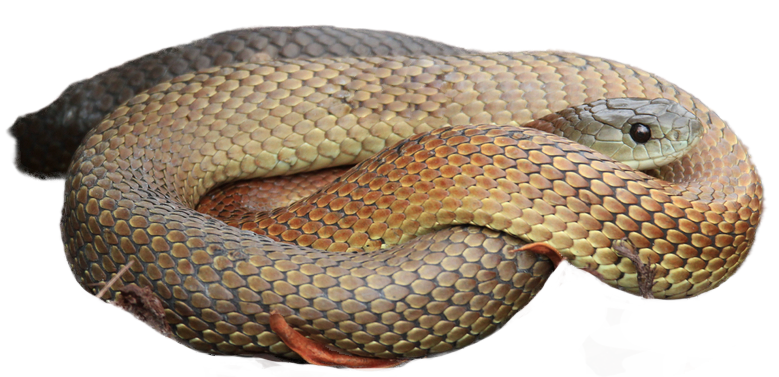
Australia's elusive rakali is hiding and thriving in Melbourne's waterways
Australia's tiger snake (notechis scutatus) is one of the most likely to be found in our urban environments, so they seem like a natural place to start.
These banded beauties sport stripes that run the gamut of bronze to charcoal, can reach up to two meters long and are one of our most venomous snakes.
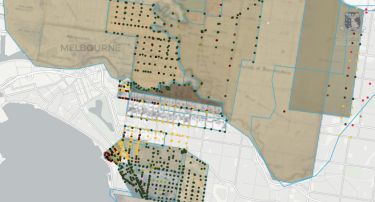
Our first map zooms in to take a look at tiger snake sightings from iNaturalist and some of their local prey – like frogs and rodents – in Melbourne’s western suburbs on Bunurong Country.
More than 100 sightings of tiger snakes have been reported on the platform in this area since 2000, from the coastal wetlands through to residential parklands and urban areas.
Paying attention to both prey and habitat can help make snakes feel easier to predict and this can help to shift us from fearful to curious.
You can see the clusters of snakes and frogs – on the eastern side in Jawbone Marine Sanctuary, around Cherry Lake in Altona and further south to Truganina Park.
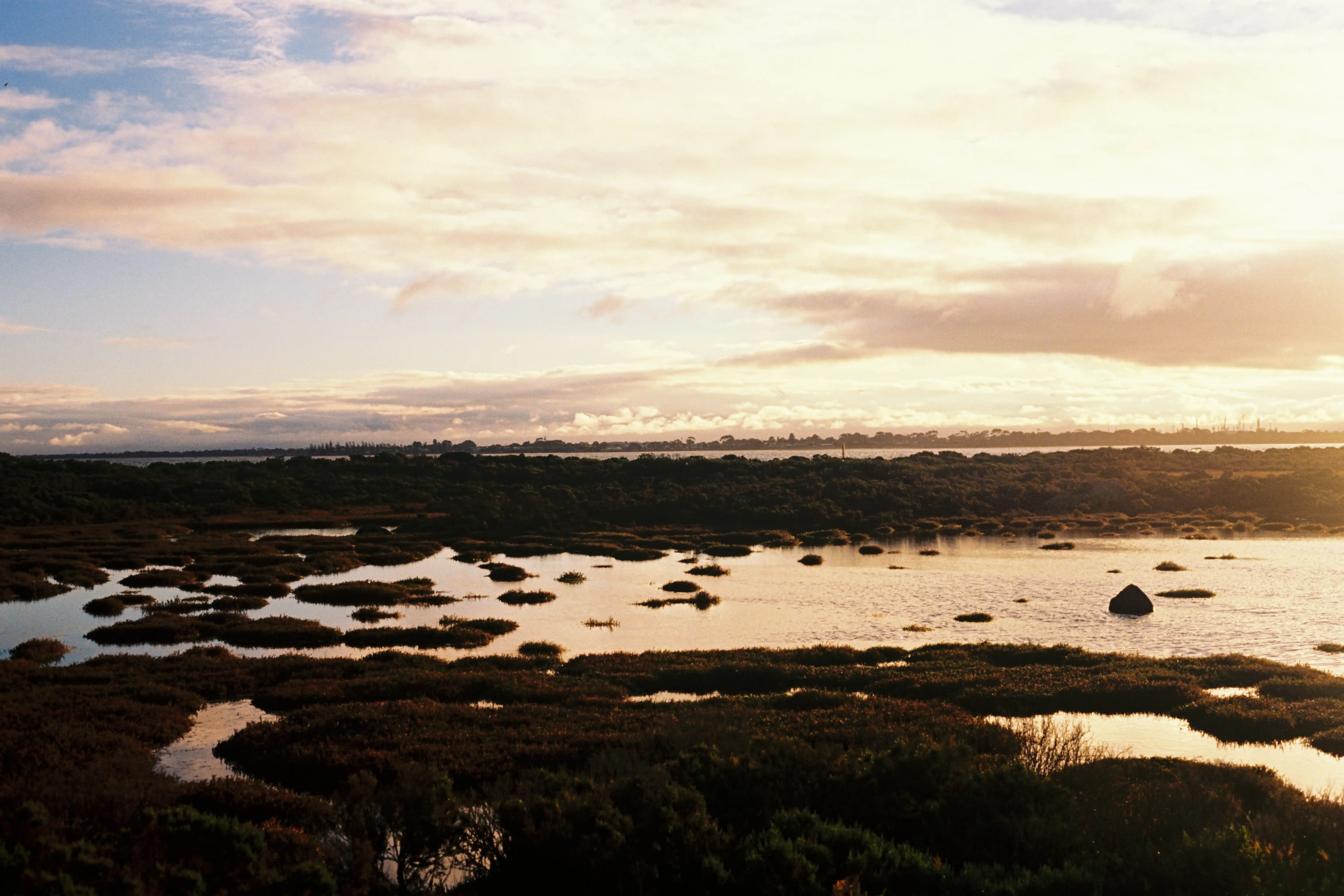
These coastal wetlands are prime snake habitat. Rich with dense grasses, reeds and rocks, they’re perfect spaces for snakes to hide and hunt.
Given snakes are often hard to spot, we can use our other senses.
A chorus of frogs or sightings of scampering rats is probably a good sign that we’re in snake territory.
But don’t worry, unless you weigh less than 300 grams, you’re not on the menu.
Most Australians are familiar with snake season warnings as the warmer weather arrives.
This bears out in our data too.
Tiger snake sightings peak in spring, with more than half the total sightings occurring at this time of year. Still, 35 were logged in winter and autumn – a reminder that every season is ‘snake season’ if you’re a snake.
Snakes are always there, but our chances of encountering them change over the seasons.
Through winter, cooler conditions and a reduced appetite mean snakes spend long periods sheltering.
The warmth of spring brings more movement, while summer is a time for mating.
And in autumn, females give birth to live young.
At the same time, we humans also tend to be less active outdoors during the colder months, while spring and summer are peak seasons for parks, beaches and walking tracks.
As climate change alters familiar patterns of temperature and rainfall, it’s important to remember that our chances of a snake encounter are never zero.
Both humans and snakes won’t shy away from the sun on a warm winter’s day.
There’s no sugar coating it – a tiger snakebite is a medical emergency for people and pets that requires immediate action.
But how likely is a snakebite?
Our second map shows veterinary snakebite data to explore where and when these typically occur.
Between 2014 and 2019, the broader Hobsons Bay area saw a total of 28 pets bitten by snakes, with only one recorded outside of spring or summer, and most occurring in coastal suburbs.
When we look at Ambulance Victoria (AV) over a more recent five year period, human snakebite is similarly rare, with only one postcode recording more than five snakebite attendances by AV paramedics.
The missing part of the conversation here is what frightened people can do to snakes.
Research in rural south-eastern Australia found people were far more likely to start trouble than snakes were.
They were at least 20 times more likely to move towards a snake than a snake was to move towards them, and 100 times more likely to attack.
Our fear of snakes may be far more dangerous for the snake.
Sciences & Technology
A vital native bee highway can start in your own backyard
People hold some understandable biases when it comes to having nature in our cities.
Research on urban greening in Melbourne’s west found residents were happy to be neighbours with frogs, lizards and birds – but snakes were a 'big no'.
It seems snakes are the dividing line when it comes to our biophilia (our affinity with other living things) and our biophobia (our fear or aversion of them).
We can admire a snake but we want it further away. We might understand its ecological importance, but we're still tense when one appears.
However, if we value biodiversity, we cannot only value the lives of animals we find easiest to live beside.
Data from Hobsons Bay City Council shows that 145 of 170 snake enquiries over a two-year period involved private yards.
As our cities continue to expand closer to snake habitat, instances like this may be a natural fact of urban growth.
It’s a common argument among biodiversity enthusiasts that snakes are a sign of a very healthy ecosystem.
Their presence means both an abundance of life and a thriving natural environment. Snakes can also help control rodent populations and disease they carry.
Perhaps it’s just about increasing our awareness rather than eliminating our fear. After all, it’s better the devil you know.

Map of the Month
We checked if Melbourne really is a dog-friendly city
So, snake season is not as simple as the start of spring.
Snakes haven’t suddenly returned. The conditions around them have changed – and so have our chances of encountering one.
Looking into all this data is a reminder to me that snakes don’t follow our calendars or borders as neatly as we might like.
It’s also taught me that coexistence doesn’t require fearlessness, nor does it mean knowing where every snake is.
As conditions shift with our changing climate, perhaps noticing what is around us matters more than knowing what season it is.
Because ‘snake season’ was never as simple as a date on the calendar.
Map of the Month is a project from the University of Melbourne (Melbourne Centre for Cities, Melbourne Data Analytics Platform and Pursuit) using maps to spark important policy conversations across metropolitan Melbourne. Academics, community leaders and government representatives from across Melbourne contribute to the maps and accompanying stories.
The maps were produced by Dr Noel Faux using data from Atlas of Living Australia and SnakeMap research published in the Australian Veterinary Journal.
Special thanks to Hobsons Bay City Council and their Conservation Team for their support in supplying data and imagery in support of this project, and to Ambulance Victoria for their contributions.