Arts & Culture
Ancient teens were full of existential angst too


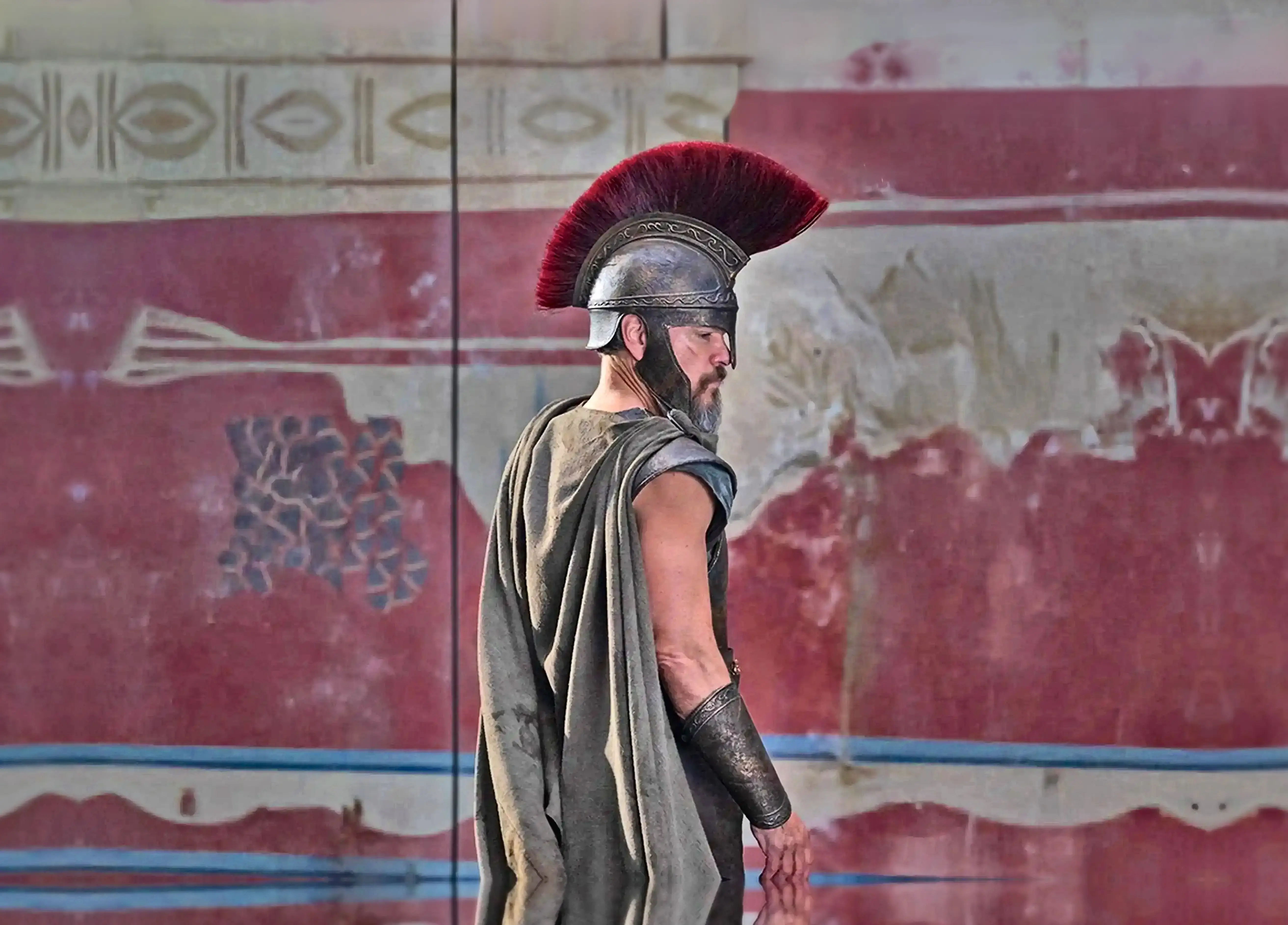
Christopher Nolan's film is the latest of countless retellings – in opera, poetry, comics and video games. And the epic's own history is as complicated as its hero's voyage

Published 17 July 2026
Christopher Nolan’s new film The Odyssey retells one of the most iconic stories in the history of literature.
The Odyssey tells the story of Odysseus (or Ulysses if you prefer the Roman), a Greek king making his long way home from the Trojan War.
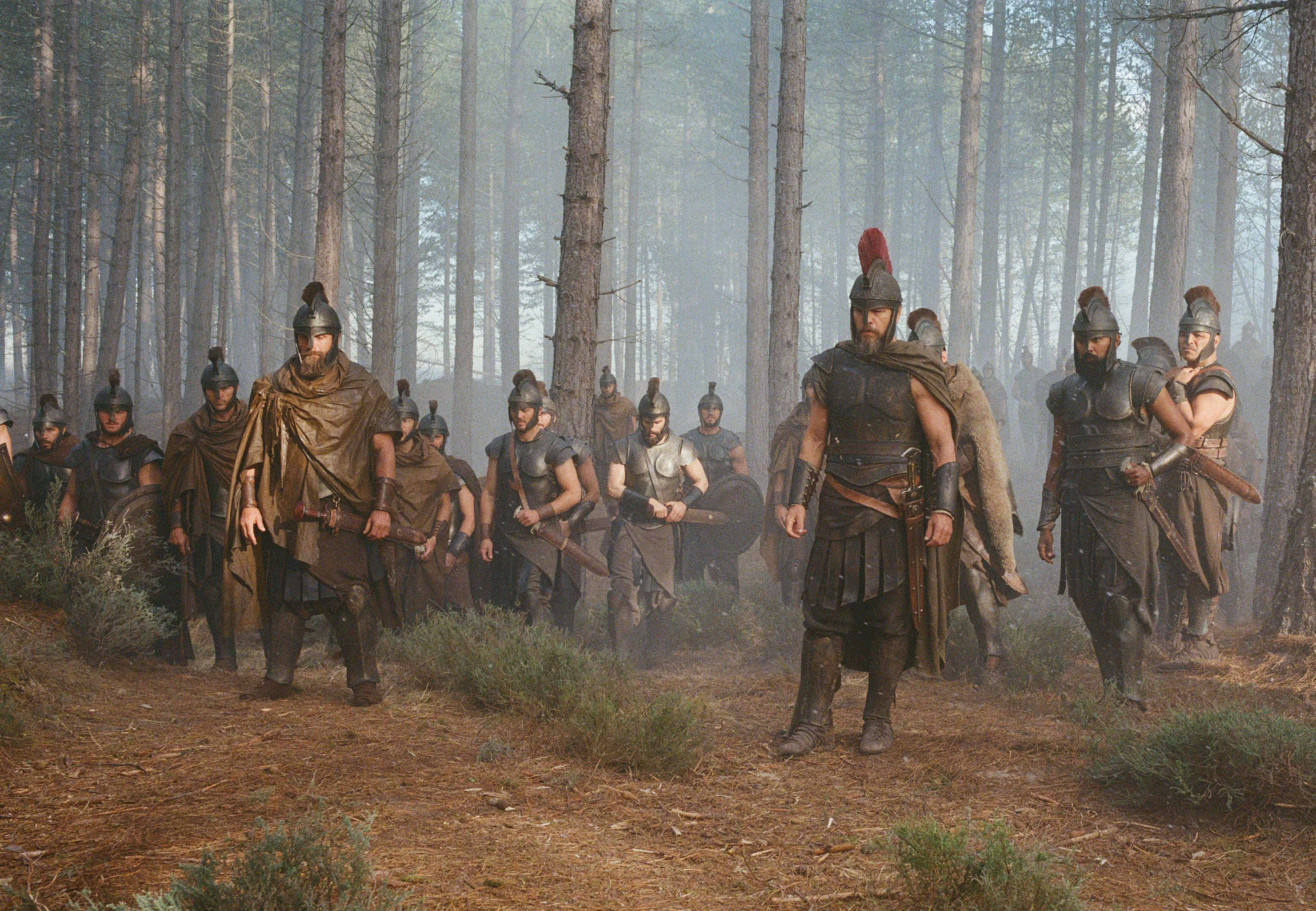
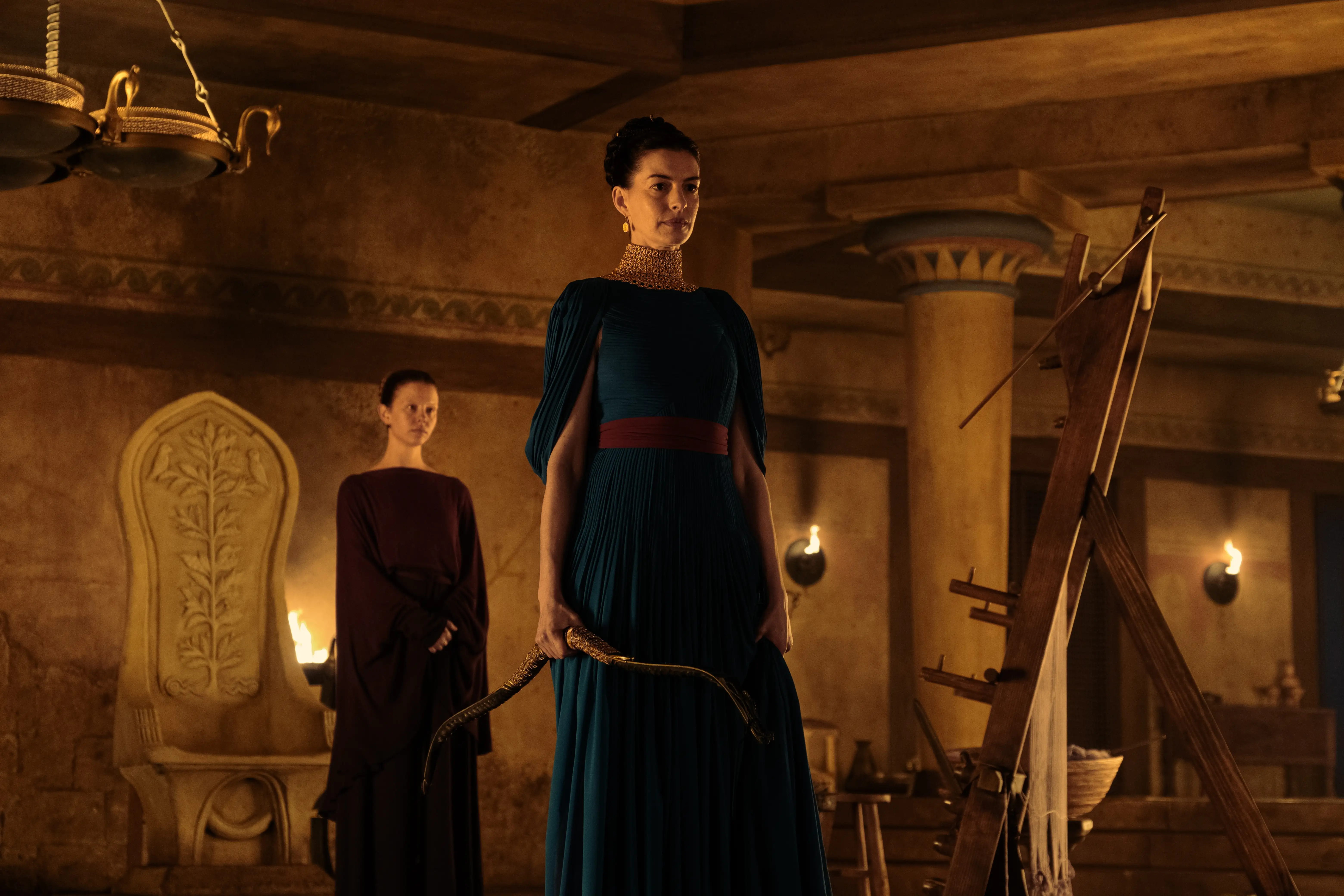
The journey takes ten years, and on the way he faces monsters, witches, vengeful gods and temptations, while back on the island of Ithaca his wife Penelope holds off a houseful of suitors who insist he must be dead.
Nolan’s new version will be compared not only to Homer’s epic text, but to other versions and adaptations of the story.
There’s been Wolfgang Petersen’s blockbuster Troy (2004), the Coen Brothers’ O Brother Where Art Thou (2000), the lesser-known but excellent Australian-Croatian production, Penelope, by Ben Ferris (2009).
And these are just three recent versions of the tale of Odysseus.
But Nolan's film is part of a history stretching back three millennia: a web of texts and images and artworks and myths and memes that span the globe.
Arts & Culture
Ancient teens were full of existential angst too
The influence of the Odyssey is so ubiquitous that it’s impossible even to identify all the traces it leaves in post-Homeric art and culture: all the retellings and references scattered through children’s books, operas, ballets, paintings, sculptures, novels, stage plays, poems, albums, comics and even video games.
There is no single point of origin, no first seed that created this wild and abundant flowering. There is no original Odyssey against which we might measure Nolan’s version (or any other).
We actually know nothing about 'Homer'. We don’t even know whether he existed. Most scholars do not believe that a single author wrote the whole of the Odyssey.
Instead the epic was composed over centuries, absorbing influences from Sanskrit and the later Mesopotamian Iron Age.
The Odyssey was never singular, even at its start. It’s an assemblage out of time, made by many hands, many mouths, and many listening ears. It’s everywhere and everywhen.
Its heroes and monsters, its images and stories, are gathered from many sources. They come together for a moment in the version we call Homer’s and are then scattered again throughout the Western tradition, and far beyond it.
No version of the Odyssey is the ‘real thing’ any more than a photograph is a real person.
Each is just a snapshot, a single moment in the life of a phenomenon that unfolds in time, changing as it travels, making new friends (and new enemies) in each new encounter and bringing the memory of its travels with it.
Every version has something to say to us, and about the story it tells.
Arts & Culture
The book that taught us to think of witches as women
Nolan’s film is an action-adventure story about a man fighting his way home to his wife and son. That’s one version of the Odyssey.
The Victorian poet Alfred Tennyson had another. In his 1842 version, the return to Ithaca is just a detour – Odysseus sets out again, restless, the archetype of the imperial explorer-coloniser, while Penelope is an “aged wife”, easily left behind again for the “work of noble note” that is foreign conquest.
The Māori poet Robert Sullivan sees the same figure from the other shore. Captain Cook, he wrote, was “the Ulysses of our times”.
Others see the Odyssey as a story about a marriage between two intelligent, brave and much-enduring people, with Penelope as an equal protagonist.
Ben Ferris’s film Penelope, Margaret Atwood’s novel The Penelopiad and Dorothy Parker’s poem Penelope all read this way.
None of these readings is wrong, because asking what it’s 'really about' is the wrong question.
The German literary theorist Hans-Georg Gadamer tells us why no reading of the past can ever be final.
“Every age has to understand a transmitted text in its own way”, he writes, and so “the real meaning of a text... is always co-determined... by the historical situation of the interpreter”.
Gadamer goes further.
If we try to see the past purely on its own terms, disregarding ourselves, we only “think we understand”, when we've actually given up the claim to find in the past any truth that still speaks to us.
Arts & Culture
Narcissus and the drawbacks of being a hot teenage boy
Every version of the Odyssey is a dialogue between past and present, whether it owns up to this explicitly or not.
The British-American classicist Emily Wilson, whose recent translation Nolan used in preparing his film, explains it well.
“I have taken very seriously the task of understanding… what Homer may have meant in archaic and classical Greece.
"I have also taken seriously the task of creating a new and coherent English text, which conveys something of that understanding but operates within an entirely different cultural context.”
Like its hero, the poem is at home in many languages and many places.
It is polytropos, the Greek word to describe Odysseus in the poem's very first line, variously rendered as “of many twists and turns”, “various-minded” and, most recently, by Wilson, as simply “complicated”.
No word could better describe the poem's own three-thousand-year voyage. It is much-travelled, never the same on any two shores and never yet home.