
Politics & Society
Historical accuracy matters more than ever in our polarised world


A new book recovers a forgotten history – one in which pregnant women were desirable and their sexuality celebrated. So how did we end up so squeamish?

Published 6 March 2026
International Women’s Day celebrates women’s achievements and advocates for greater advancements in gender equality.
And one area in the fight for gender equality that’s getting more attention is sexual pleasure.
Mainstream Australia is starting to learn more about the orgasm gap between heterosexual men and women, for example.
But what’s still less spoken about is sex during pregnancy.
Research suggests that for straight couples, pregnant women often avoid sex for numerous reasons ranging from concerns about body image and hormonal shifts, to physical discomfort and even fears of endangering the pregnancy.
But were historical attitudes to sex during pregnancy similar to our modern outlook? Specifically, what did the people of the 16th to 18th centuries in England think of pregnancy and sex?
My new book uncovers a largely forgotten history – when sex during pregnancy was widely discussed and far from taboo. Although, some of our modern-day myths have their origins in this time period.
Let’s take a look at a couple of them.
Politics & Society
Historical accuracy matters more than ever in our polarised world
Societal ideas and opinions about how pregnant people should act, dress and behave have long shaped our attitudes towards pregnancy and sexuality.
Some research has found that attraction to pregnant women is often represented as surprising, or the result of fetishes.
It shouldn’t surprise us that pregnant women can be, and are, sexy. But pregnant bodies are often viewed with ‘uneasiness’.
You might remember actress Demi Moore’s infamous 1991 Vogue magazine cover where she was photographed nude with her baby bump.
It caused such controversy in the US that some stores refused to stock it, while others sold it in brown paper packaging, like pornography.
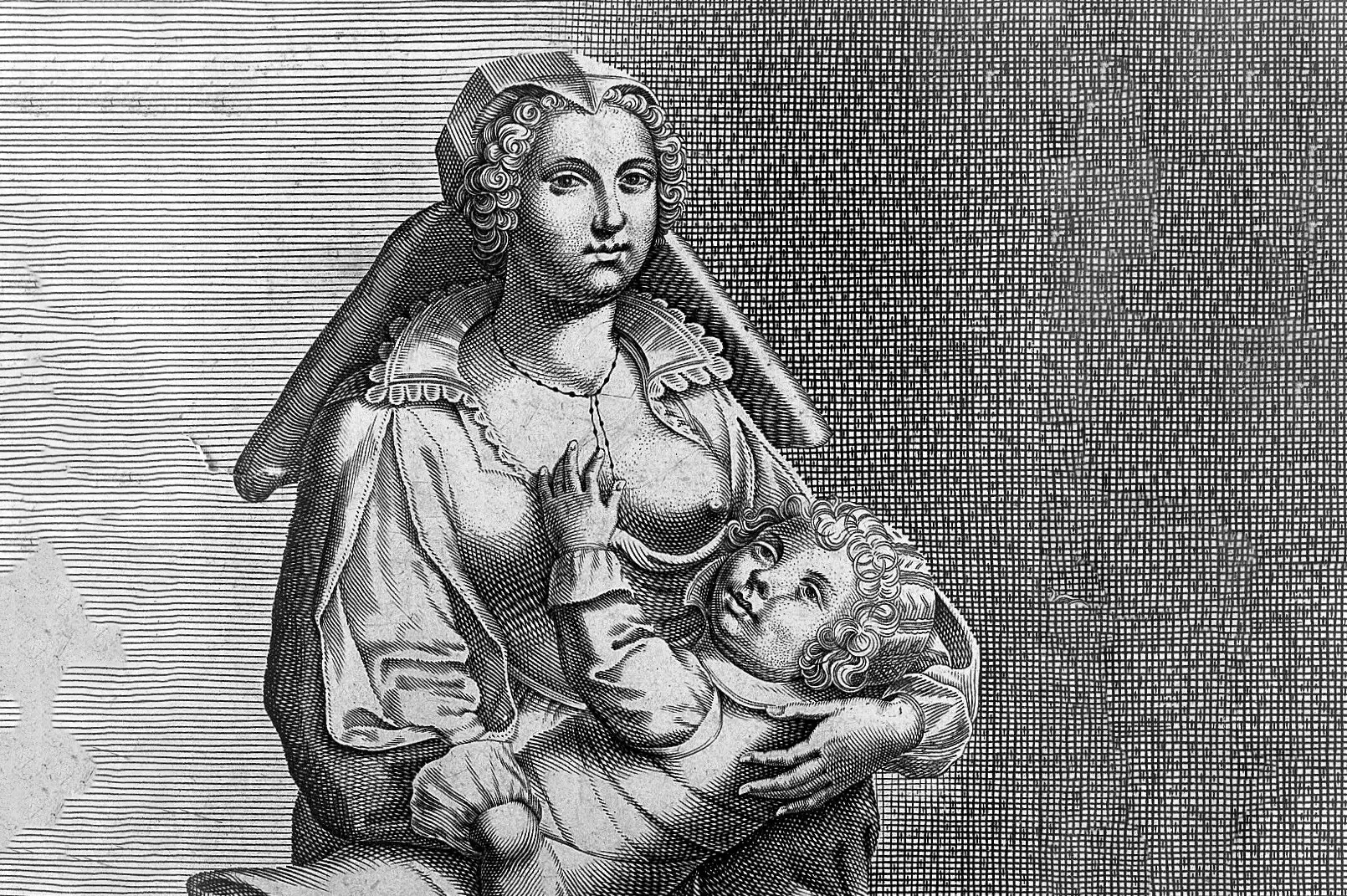
Hundreds of years before Moore’s shoot, in early modern England – the period between 1500 and 1800 – the idea that pregnant women could be sexual was not controversial.
A key reason for this is that women were frequently pregnant.
Living in a Christian, patriarchal society, women were expected to marry and have children with a man by their early twenties. The lack of reliable contraception and access to abortion meant multiple pregnancies and large families.
This meant that pregnant women were highly visible in the streets, marketplaces and culture. They were by no means posing naked for portraits, but they were heavily sexualised across various forms of early modern media.
From plays, ballads, pornography and erotic literature, even medical writing, pregnant women were portrayed as the pinnacle of attractive women.
The connections between fertility, sex and conception made pregnant women particularly attractive in men’s eyes.
In fact, there was so much interest that doctors even debated whether pregnant women experienced ‘more pleasure’ because of their expanding bodies.
So how did women feel about pregnancy sex?
At a time when women’s bodies and sexuality were tightly controlled – for instance, marital rape was legal – pregnant women were sexually objectified.
Paradoxically, Christian morality taught women to be chaste and modest, which was enshrined in law. Women could not express sexual thoughts or desires without serious consequences.
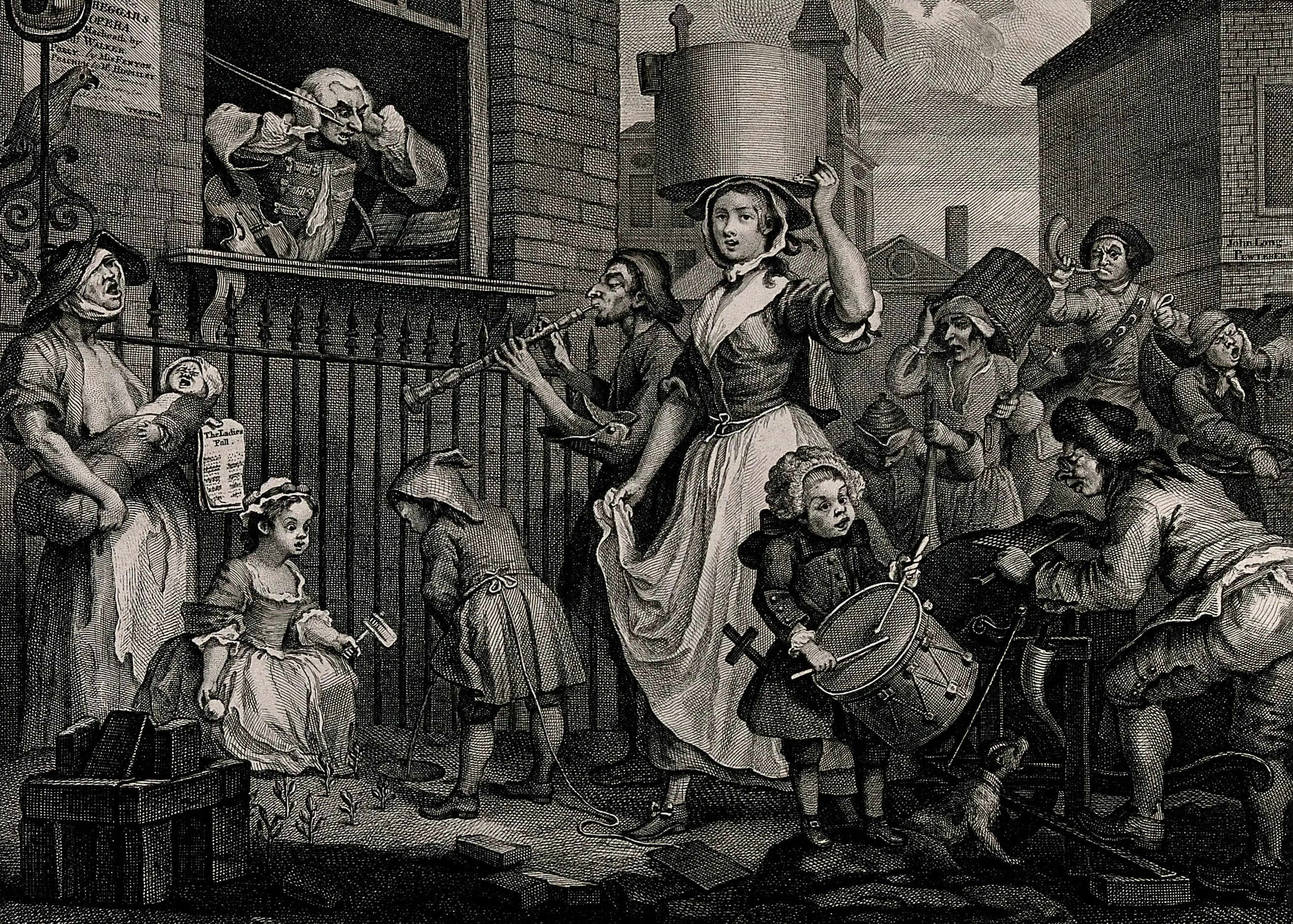
The early modern past is complicated by the control and regulation of female sexuality, as well as the fact that women left behind much less writing than men.
But we can glimpse women exercising agency over their sexuality during pregnancy.
For one, pregnancy meant that women did not have to worry about getting pregnant, and this might have offered them more freedom, in a sense.
One midwifery book from 1632 referenced a supposed quote from ancient Greek noblewoman, Julia the Elder, who reportedly had many affairs.
She apparently used to tell her friends, that:
“…when her ship was laden with wares, then she could take in passengers.”
Arts & Culture
The Queen who defied the Holy Roman Emperor
Put another way, pregnancy meant that women had done their ‘duty’ and could enjoy themselves sexually.
Evidence also survives that indicates pregnant women’s ‘longings’ – something we call pregnancy cravings today – were sexual in nature.
Stories of pregnant women longing for men’s flesh – including biting men’s muscly arms – abounded in early modern England.
A popular midwifery guide by Jane Sharp, published in 1671, explained how women might long for things that were not ‘natural’:
“…some women with child have longed to bite off a piece of their husband’s buttocks.”

Similarly, some women’s recipe books at the time tell us that they sometimes tried to avoid their cravings, treating themselves with herbs or other medicines. This might suggest that cravings were seen as sexual – something to hide or avoid, out of shame and modesty.
Despite what we might assume today, most people in the past didn’t avoid sex during pregnancy because they thought that it was ‘bad’ for mother or child.
Concerns that pregnancy sex is harmful remains prevalent today: one of the most common Google results for ‘sex during pregnancy’ is whether it is safe or dangerous. (For clarity: having sex while pregnant is perfectly safe unless doctors have advised avoiding it for specific medical reasons).
In early modern England, this belief was not widespread until later in the 1700s.

Arts & Culture
What history can really teach us
Before then, some medical guides suggested avoiding sex early in pregnancy, but many were more worried about horse-riding or dancing.
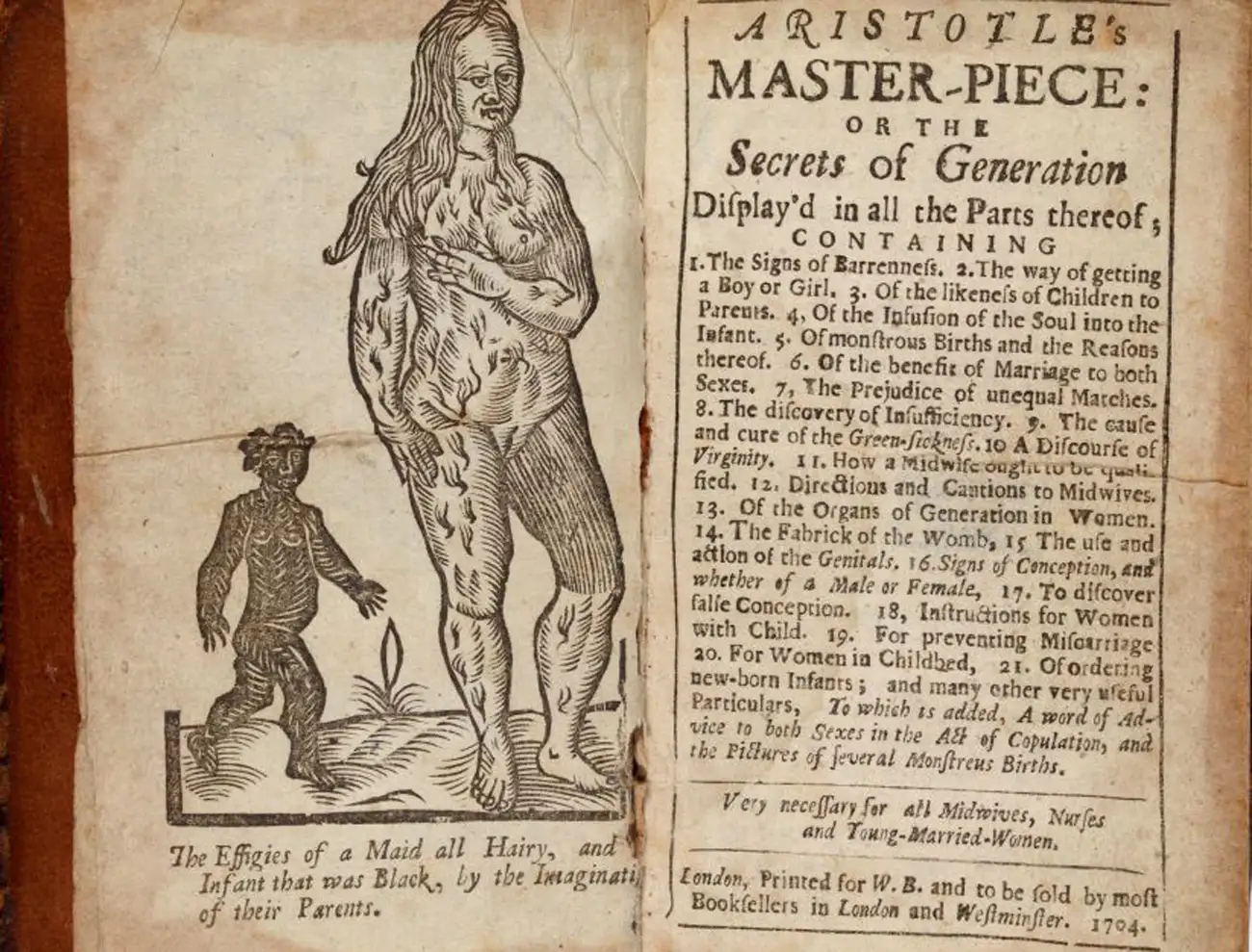
One of the most popular marriage and sex guides, Aristotle’s Master-piece, (not, in fact, written by the Ancient Greek philosopher, Aristotle, and only published in 1684) encouraged couples to have sex to help with women’s labour:
“…[it] opens the passages and thereby facilitates the birth.”
Although some earlier Catholic authorities did believe that pregnancy sex was harmful, based on the notion that it might cause miscarriage, by the 1600s, with the Protestant Reformation in full swing, ministers and theologians were arguing that sex during pregnancy was fine.
Popular Puritan marital guide, Domesticall Duties (1622), suggested that men having sex with their pregnant wives wasn’t a sin because it was not “condemned in God’s word” (in other words, it wasn’t in scripture).
So, when did society start to see sex as bad or harmful?
My research suggests that this idea emerged in European medicine as concerns about sexually transmitted diseases (STDs) reached an all-time high.
By the early decades of the 1700s, syphilis was an epidemic in England, alongside other rampant STDs like gonorrhea.
Around this time, medical guides stressed that pregnant women needed to avoid sexual intercourse, lest their husbands infect them and their foetuses.
While infections themselves could cause miscarriage or congenital abnormalities, so too could the major cure for syphilis: mercury.
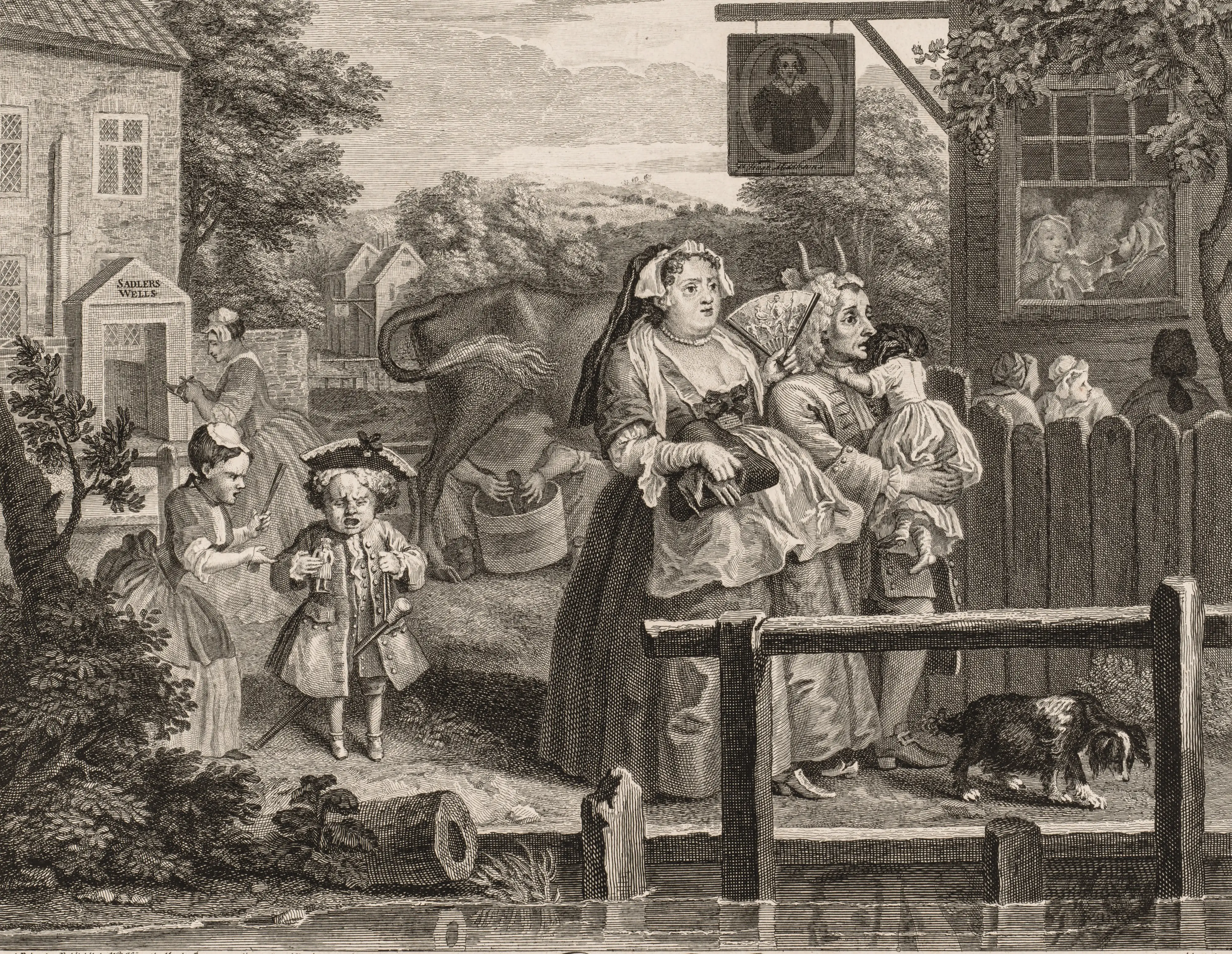
While venereal diseases were wreaking havoc across England’s population, new ideas about gender and sexuality were appearing as part of a growing moral reform movement.

Politics & Society
When kissing was a crime
In the centuries before, women were understood to be sexually unrestrained or insatiable, owing to Eve’s sin in the Garden.
It was only in the 1700s that men gradually became viewed as the overly sexual gender.
Religious and moral writers began to argue that women needed protection from this male sexual aggression, as the naturally ‘weaker’ sex.
This also applied to sex during pregnancy: one author wrote that it was “morally criminal” and an “unnatural violence” for husbands to seek sex from pregnant wives.
Gradually, over the century, pregnant women’s sexuality became a taboo topic.
On International Women’s Day, we should reflect on how sexual taboos and myths form – and how they continue to negatively impact women’s lives.
Sex during pregnancy is often still surrounded by misinformation. And some of these myths have historical roots.
But by recovering this history, we can challenge contemporary discomfort around pregnant women’s sexuality – highlighting just how deeply cultural ideas have shaped what we believe about pregnancy, sexuality and women’s bodies.
Dr Donaghy’s book, Pregnant Women’s Sexuality in Early Modern England, is available online.