


Why does it feel like dangerous ocean creatures are ruining our summer?
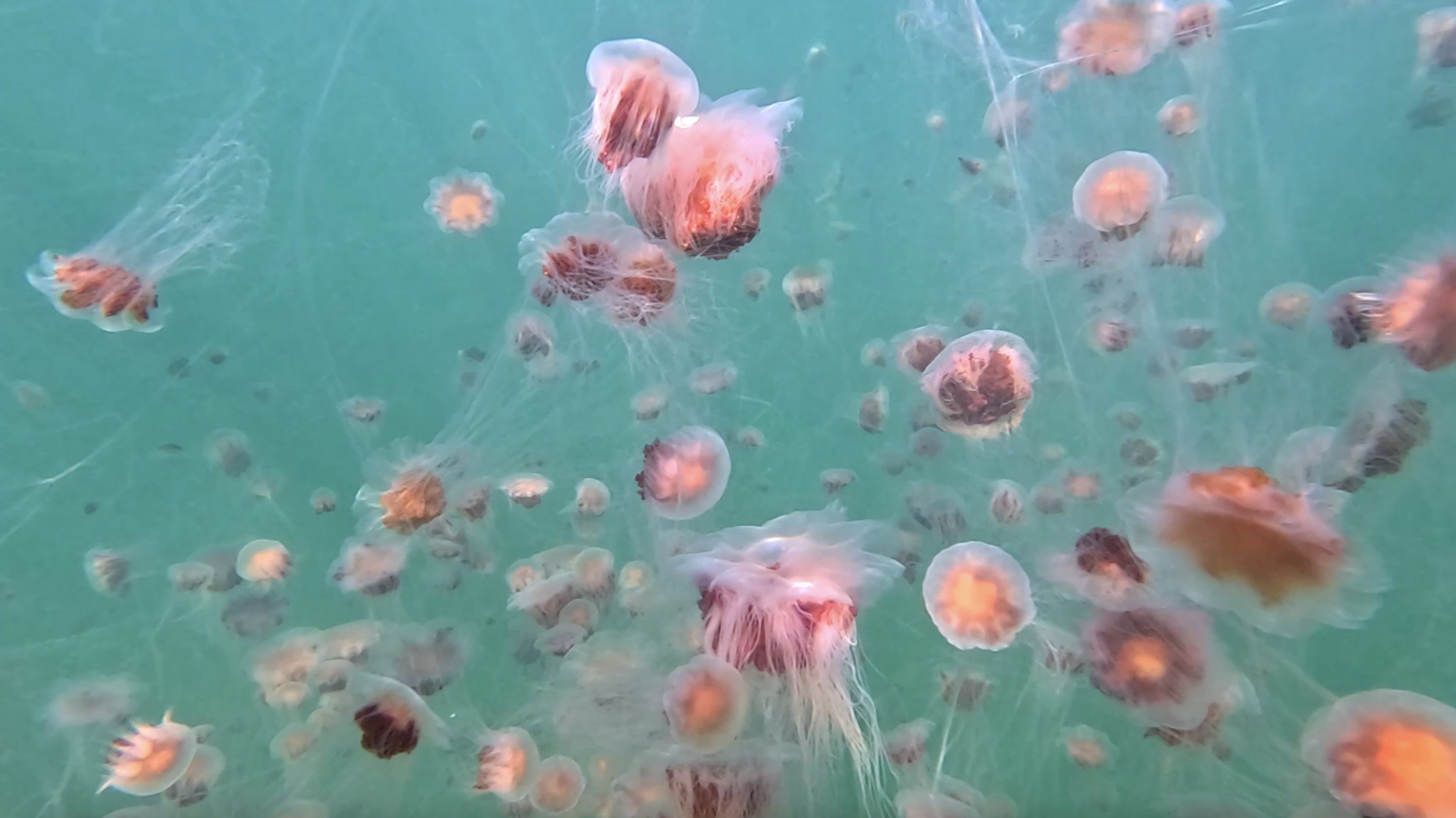
First it was sharks in Sydney, and now jellyfish are shutting beaches in Melbourne. But are jellyfish blooms becoming more frequent or is it just a natural cycle?

Published 23 January 2026
In the same week that New South Wales experienced four shark attacks, Victorian beachgoers were warned about stinging jellyfish.
The headlines can make it feel like Australian beaches are becoming increasingly dangerous places to swim. So what is causing these events? Are they becoming more frequent, or are they part of our ecosystem's natural cycles?
Experts analysing the NSW shark attacks suggest intense rainfall caused murky water in some areas, attracting fish and sharks to feed. Apps like SharkSmart can help beachgoers stay alert to changing conditions.
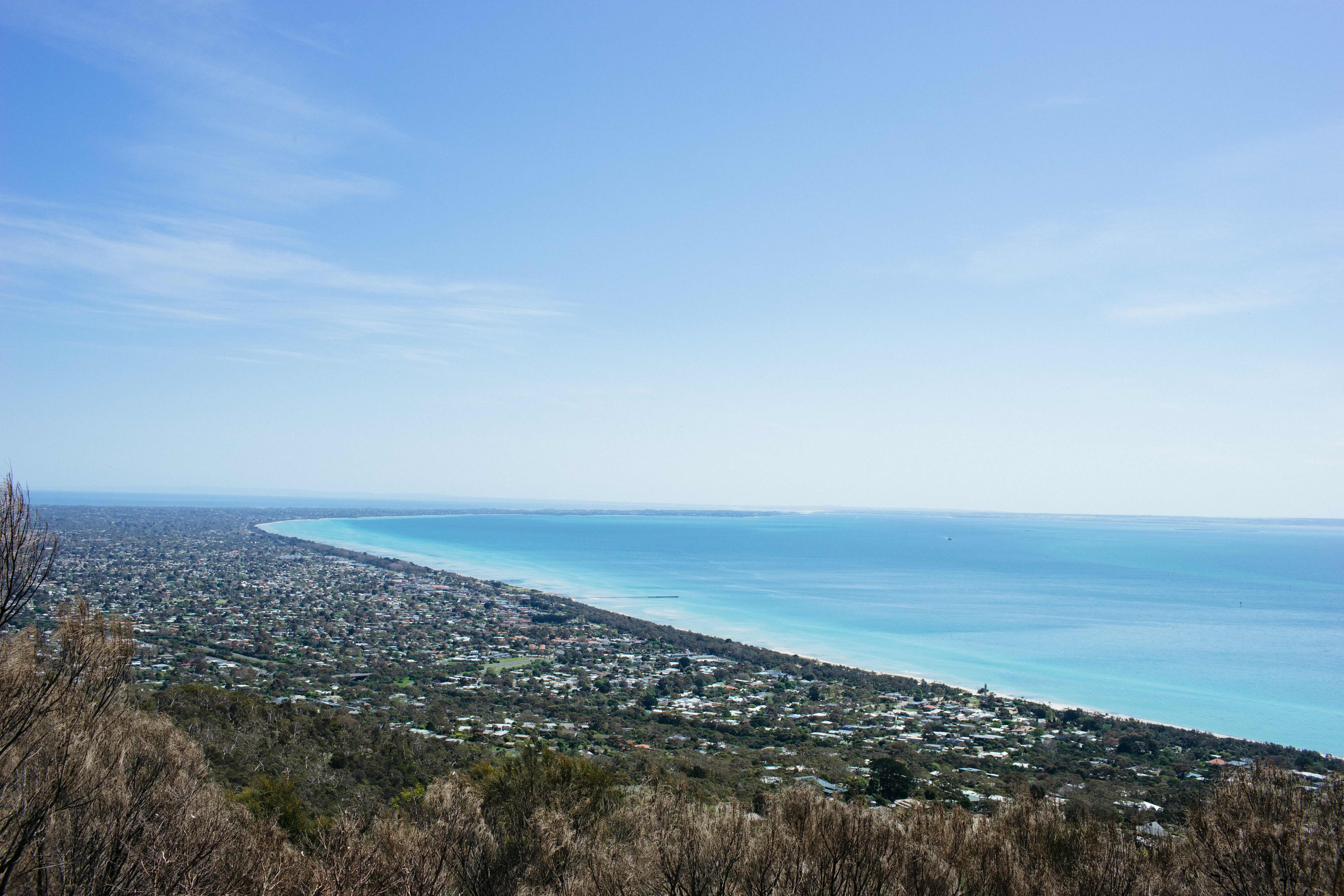
Heading south to Victoria, January has seen high numbers of Lion’s Mane jellyfish (Cyanea annaskala) reported in the northern waters of Port Phillip Bay.
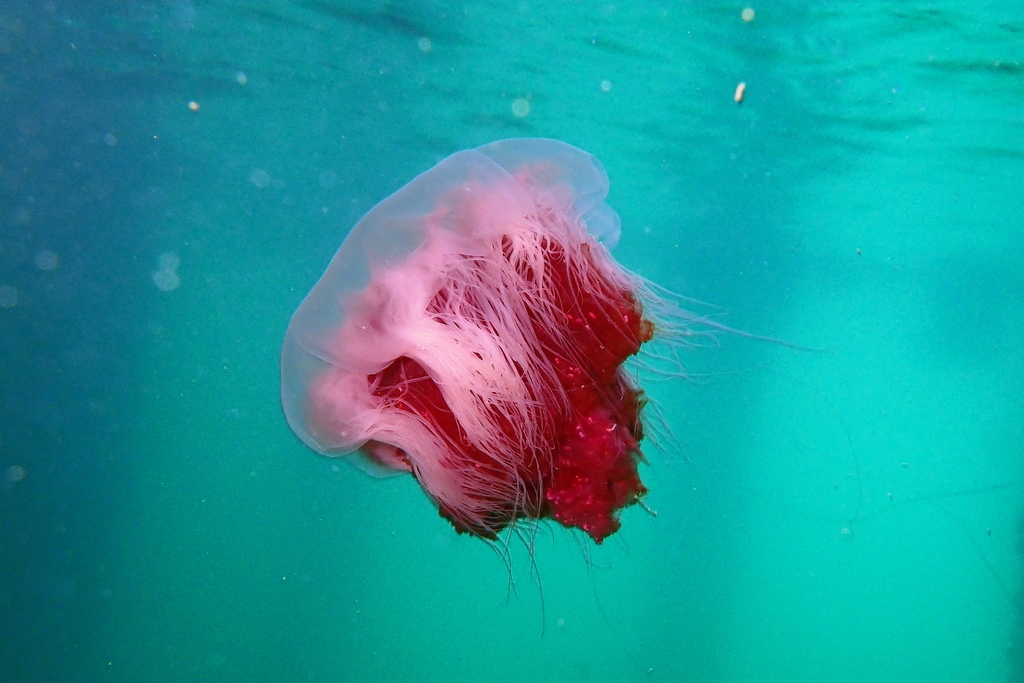
Lion’s Mane jellyfish
This jellyfish species has a distinctive dark red-brown body that is around 25 cm in diameter with fine tentacles, many times longer than the body, trailing beneath it. Its tentacles mean it is sometimes known as ‘Hairy Stingers’.
If you swim past a Lion’s Mane, it will likely sting you, which can be painful, but it is not considered venomous like the blue-bottle jellyfish (Physalia physalis).
Lion’s Mane jellyfish have special stinging cells called nematocysts. The venom is a neurotoxin that kills their small prey, which is not usually enough to be harmful to humans unless they have an allergy, but it can harm dogs.
First aid for these non-tropical jellyfish involves rinsing with seawater and removing any remaining stingers. It's also recommended to immerse the sting site in hot water (45ºC) or, if not available, apply a cold pack.
The Lion’s Mane jellyfish is native to Victorian and Tasmanian waters and is typically found in the mid-sections of the water column, making it difficult to detect.
They can quickly form dense populations, suddenly bringing large numbers close to shore. So, these jellyfish inundations are uncommon, but they are not unprecedented.
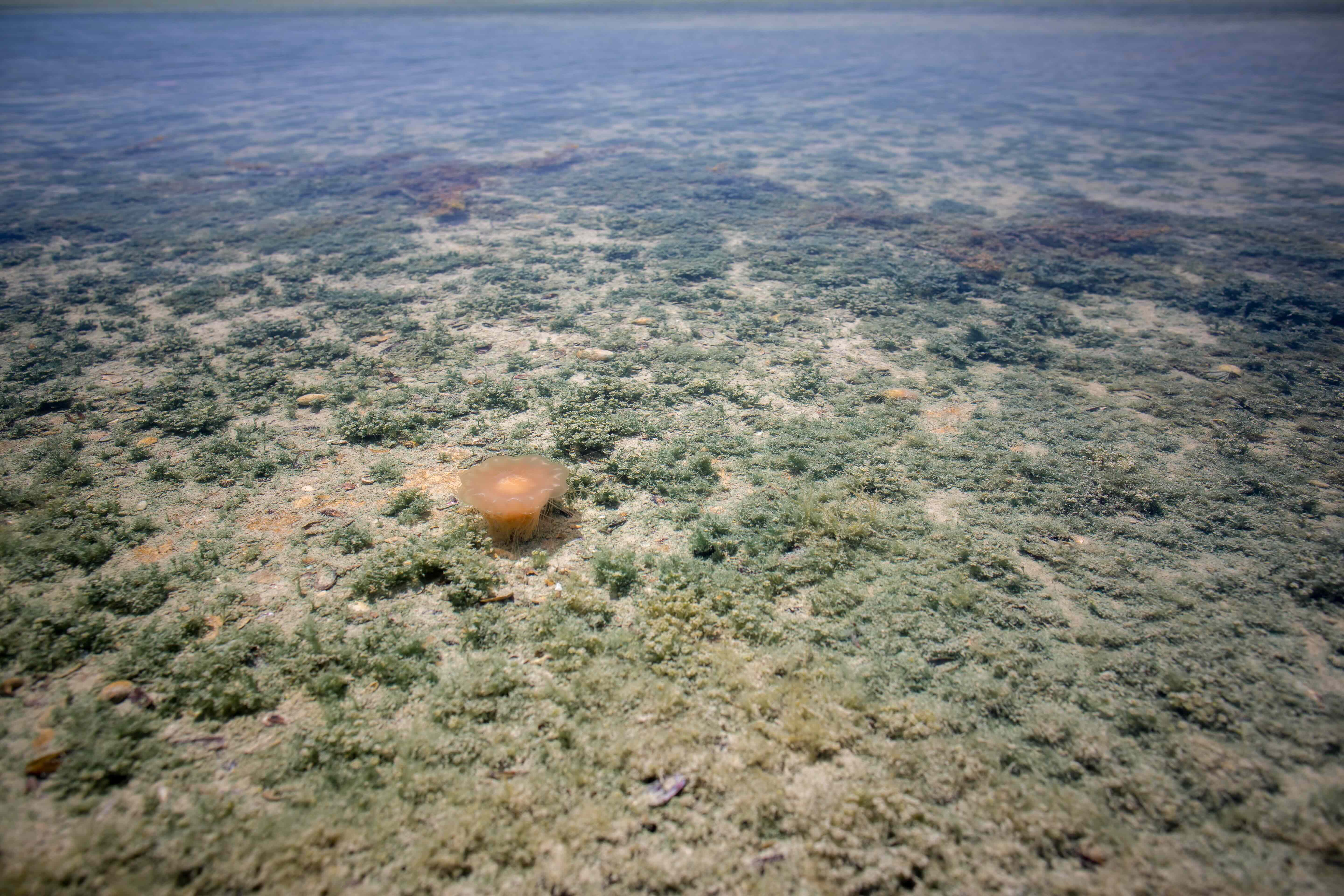
When they do occur, they tend to happen during warmer summer months and often follow heavy rainfall events. The last similar bloom in Port Phillip Bay was recorded in the summer of 2022.
What causes a jellyfish 'smack'?
Lion’s Mane jellyfish feed on zooplankton – tiny drifting animals including copepods, water fleas, fish eggs and larvae.
While food availability can influence jellyfish populations, it seems more likely that the recent influx – known as a 'smack' or 'bloom' – in Port Philip Bay was driven by environmental conditions rather than a sudden increase in prey.
A combination of higher water temperatures over summer, salinity fluctuations and wind-driven currents are likely to have pushed jellyfish into the northern parts of the bay and nearby beaches.
Sciences & Technology
Whale migration in our noisy oceans
While a few long-term monitoring programs can definitely demonstrate this relationship between population size and environmental conditions, none monitor Australian waters.
We have some clues about this relationship from a jellyfish monitoring program on the coast of southern Brazil, based on data collected over 10 years.
This study investigated the relationship between incidents of swimmers stung by jellyfish and environmental conditions (temperature, salinity and wind direction).
The researchers found that in years with high jellyfish density, salinity levels were slightly lower – sometimes by just one or two parts per thousand – compared to low-jellyfish density years.
Wind direction also played a critical role, influencing whether jellyfish were pushed toward beaches or kept offshore. A similar pattern may occur in the coastal waters of Port Phillip Bay.
Will jellyfish 'smacks' become more frequent?
The best way to answer the question of whether these events will become more frequent is to collect data across seasons and multiple years.
In Australia, the best long-term data set is collected by the Integrated Marine Observing System (IMOS), which records information on ocean conditions and marine life.
Data from fixed monitoring sites along south-eastern Australia – including the Bonney Coast in western Victoria, Maria Island in Tasmania and Kangaroo Island in South Australia – show clear peaks in abundances of zooplankton during summer (December to February), which drop during winter.
Environment
Protecting our coasts naturally
This strong seasonal pattern aligns with what we're seeing in Port Phillip Bay. However, the data doesn’t show any evidence of more frequent peaks in zooplankton numbers over time.
How can we be confident swimming with jellyfish around?
Climate change is expected to increase the frequency and intensity of storms and alter rainfall patterns.
That means sudden fluctuations in salinity and strong, shifting winds may become more common – potentially increasing the likelihood of jellyfish being driven into coastal swimming areas.
Marine heatwaves (MHWs) are becoming increasingly more common, but the effect on jellyfish is not straightforward. If conditions become too hot, their food sources could decrease, reducing their chances of survival.
The answer to predicting jellyfish numbers and locations likely lies in improving monitoring and understanding the specific environmental ‘trigger levels’ that cause jellyfish to move shoreward.
This information would help forecast when conditions are favourable for jellyfish, and therefore less favourable for swimmers.
Banner: Lion's Mane jellyfish/ Rodney Dekker/Aspire Pictures