Health & Medicine
We now know a lot more about thunderstorm asthma


We've never known exactly which grass pollens trigger hay fever or thunderstorm asthma in Melbourne's spring. Now DNA is revealing which grasses are to blame


Published 16 September 2026
When most Australians say ‘spring is in the air’, they’re speaking metaphorically, as the days become longer and warmer.
But in Melbourne, the meaning is a touch more literal.
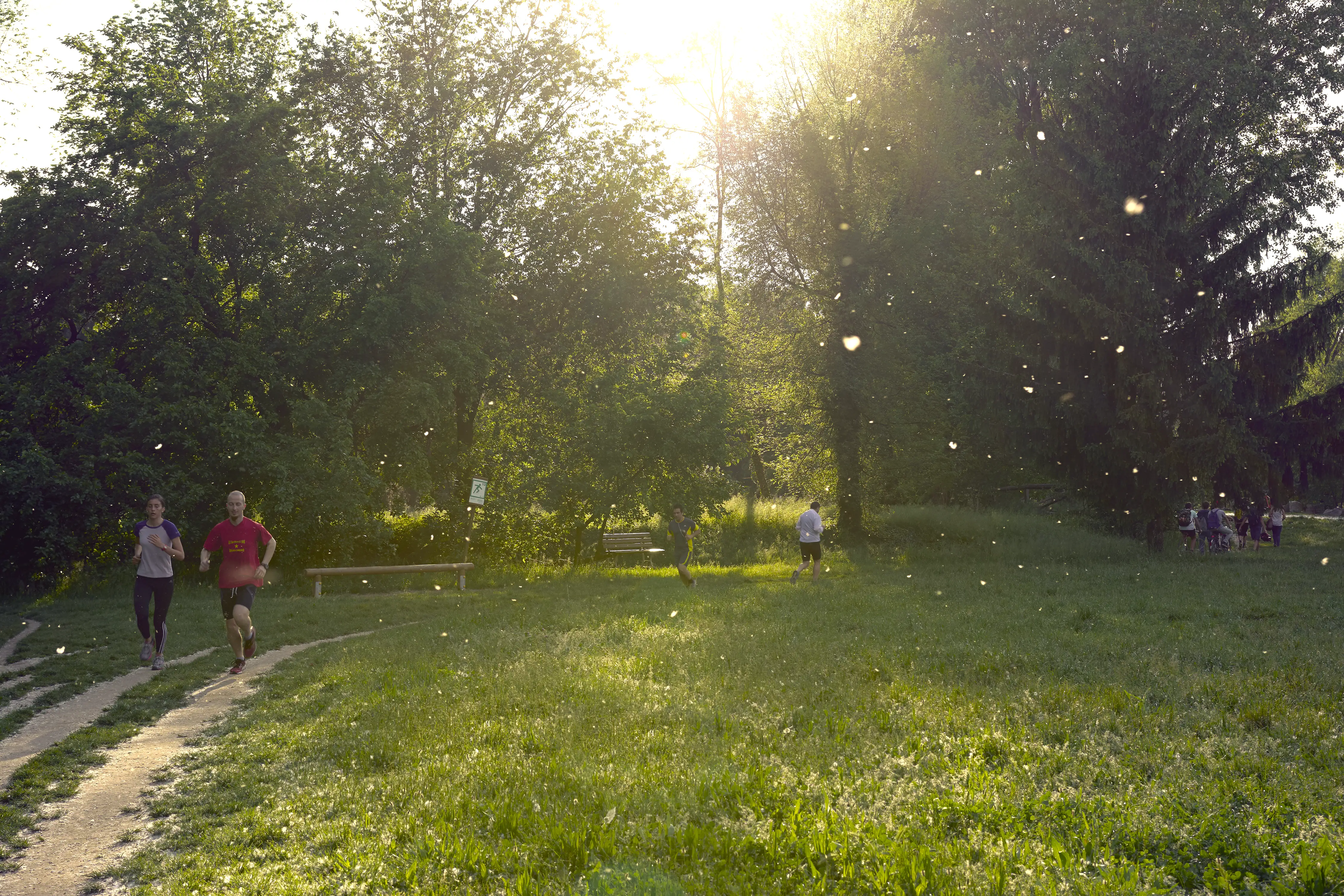
Spring is the time of year when Melbourne’s air becomes laden with pollen from plants beginning to flower.
And while those budding blooms bring joy to many people, for about one in five Melburnians, springtime means an uptick in respiratory conditions like hay fever and seasonal asthma.
The main culprits are allergens in grass pollen.
Every day from October to December, Melbourne's pollen count is measured and published, so hay fever sufferers know exactly what they're breathing.
While current air monitoring can distinguish grass pollen from other types, it can't identify which grass is producing it. This is because all grass pollen can look fairly similar under the microscope.
Health & Medicine
We now know a lot more about thunderstorm asthma
So in Melbourne, we don't know whether grass pollen comes from a single type of grass or many. We also don't know how that mix changes across the season, or from one year to the next.
But why does it matter so much to know exactly which grass is producing which pollen?
Because some grasses are far more allergenic than others and knowing someone’s pollen exposure can help allergists choose the best treatment.
On top of this, severe spring storms can trigger thunderstorm asthma events, which hit Melbourne on average once every seven years. Because these events are linked to ryegrass pollen, tracking when ryegrass is in the air helps flag the periods of highest risk.
And thunderstorm asthma can be deadly.
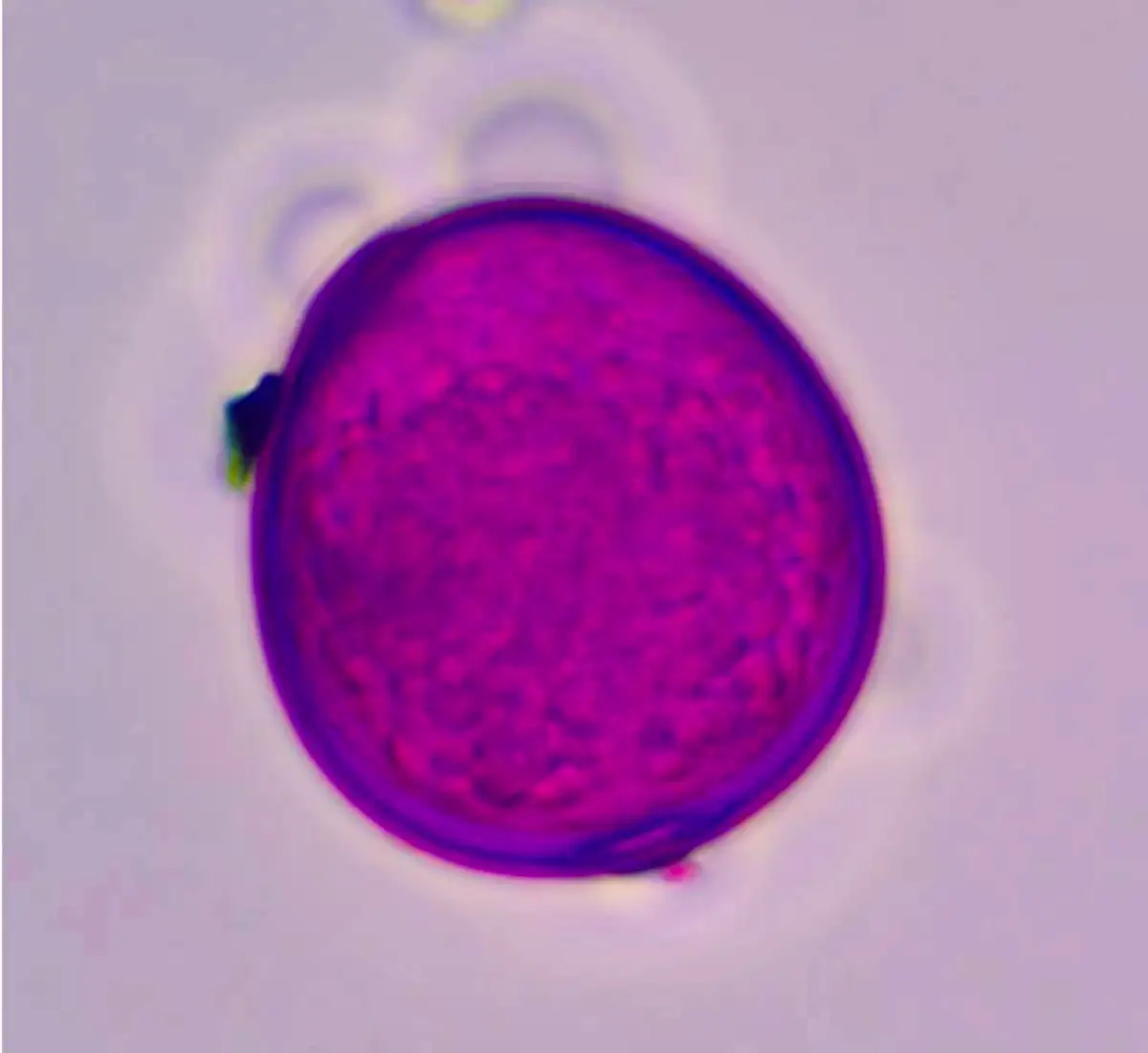 The shape of grass pollen can look very different. Picture: Supplied
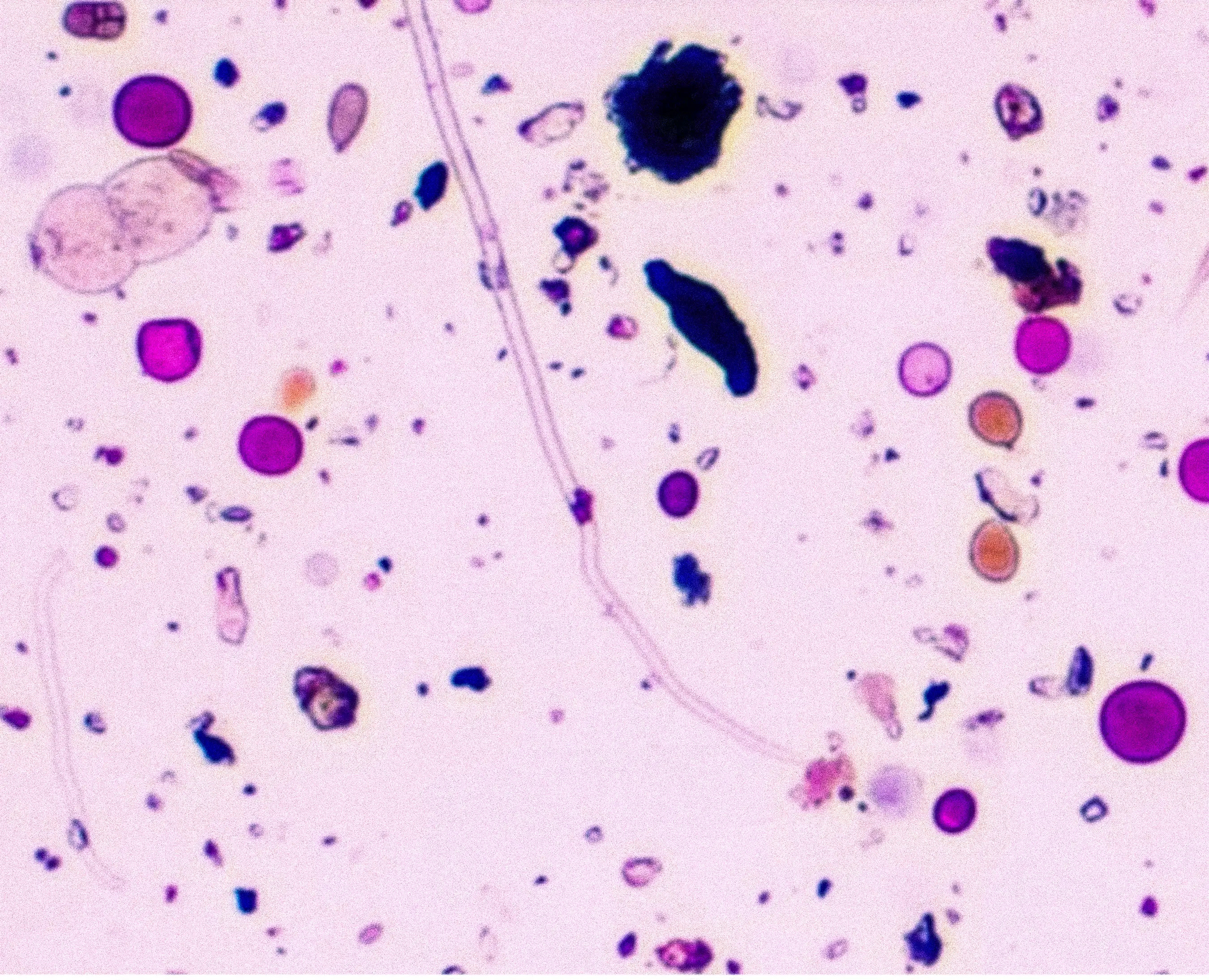 Typical daily air sample viewed under the microscope showing pollen in pink and a variety of airborne debris . Picture: Supplied
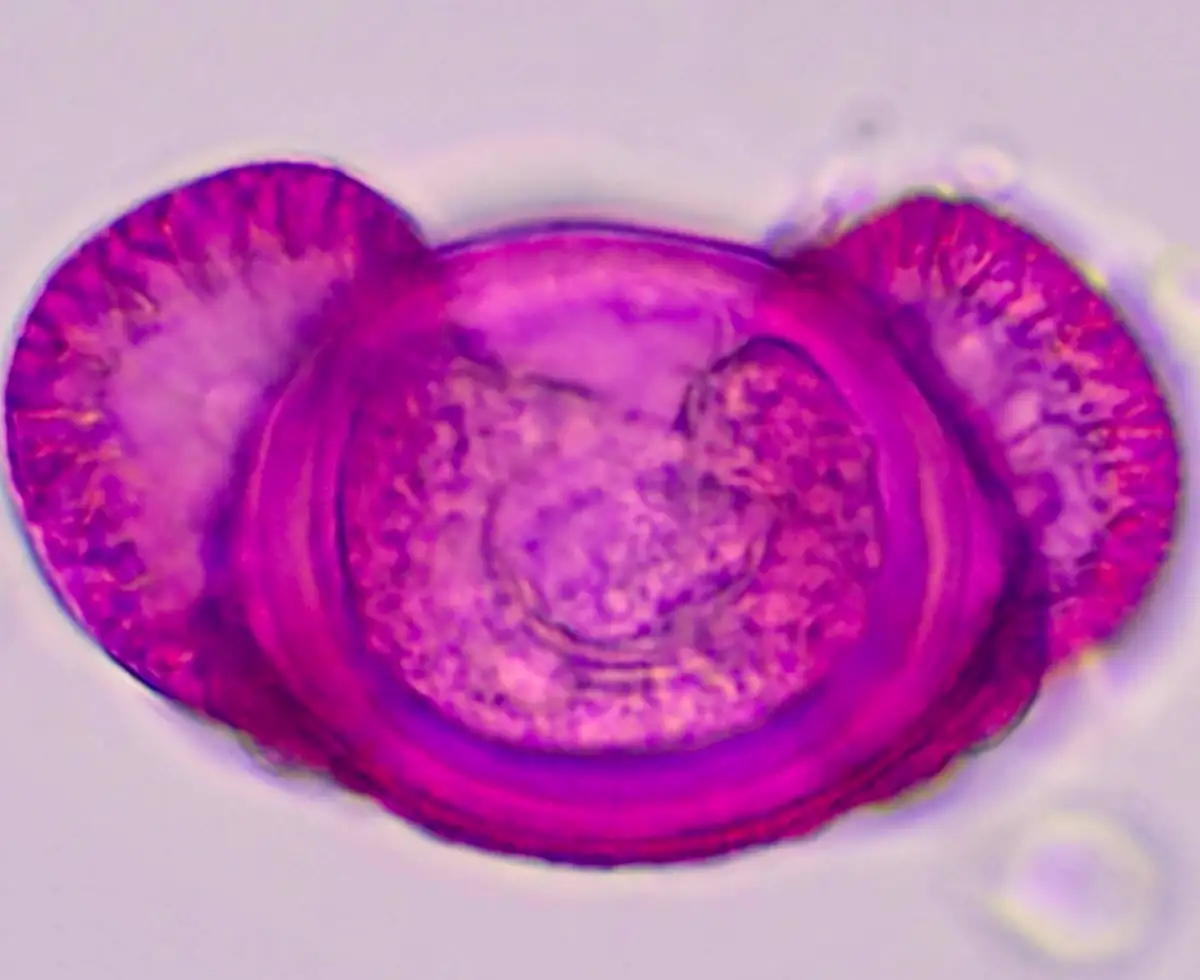 Pollen can be identified based on their appearance. This is pollen from the pine family (Pinaceae). Picture: SuppliedThe shape of grass pollen can look very different. Picture: SuppliedTypical daily air sample viewed under the microscope showing pollen in pink and a variety of airborne debris . Picture: SuppliedPollen can be identified based on their appearance. This is pollen from the pine family (Pinaceae). Picture: Supplied
1 / 3
In 2016, Melbourne experienced the world's largest epidemic thunderstorm asthma event, resulting in more than 3500 emergency department presentations, a 672 per cent increase in respiratory hospital admissions and 10 deaths.
To get a clearer picture of the pollen in Melbourne's air, our team used DNA metabarcoding to identify what was in weekly air samples collected over two consecutive years.
DNA metabarcoding is a method for identifying all the species that have left traces of genetic material, known as environmental DNA, in a sample, whether that's seawater, soil or, in our case, air.
The technique relies on short, unique sequences, called barcodes, found in the genetic material of every plant and animal – much like scanning a barcode at the supermarket to find out what a product is.
Pull these barcodes from an environmental sample, match them against a huge library of known DNA sequences and you can identify the species present.
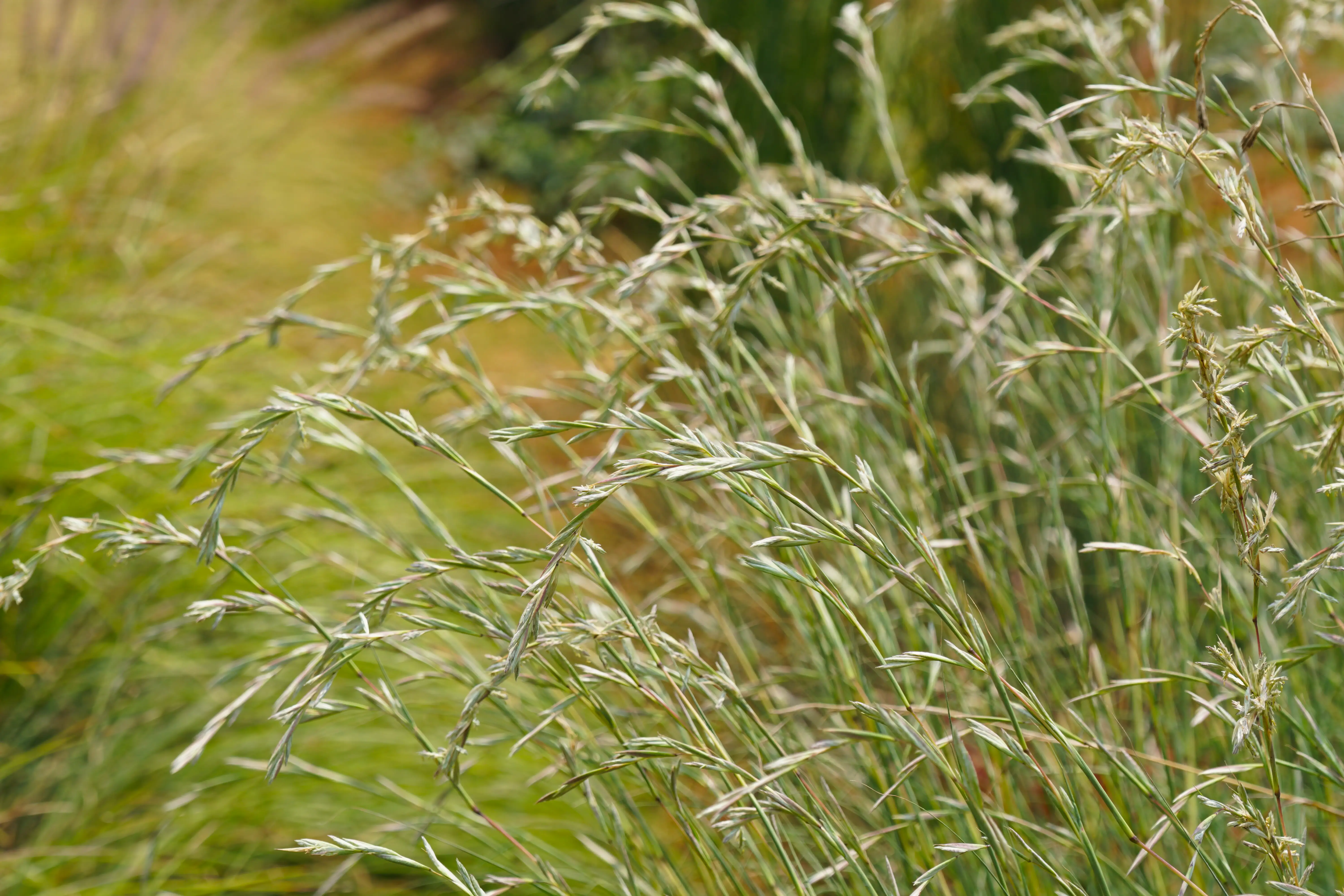
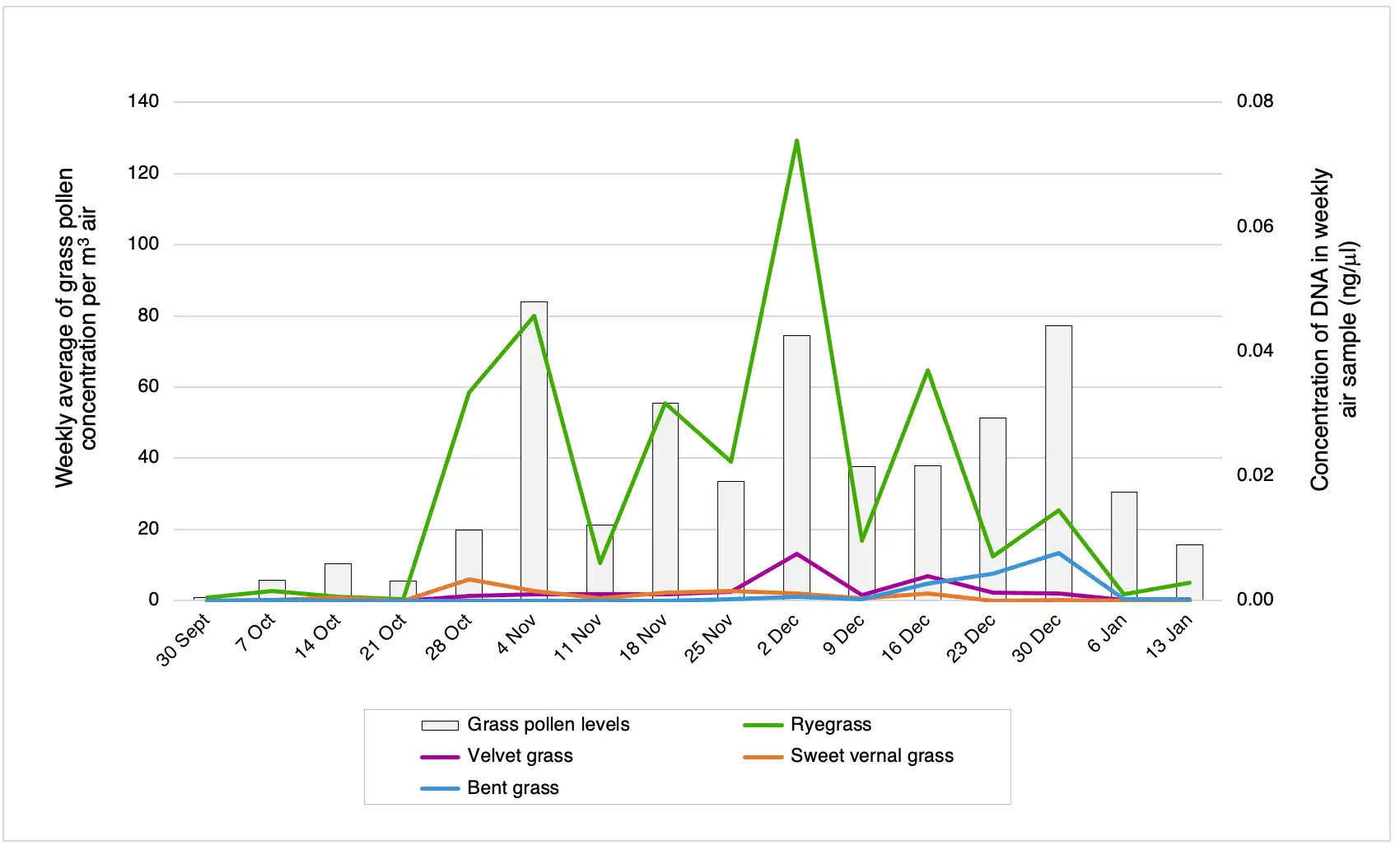
Our research found that most barcodes come from perennial ryegrass, with smaller contributions from grasses with exotic-sounding names, like velvet grass (also known as Yorkshire Fog), sweet vernal grass and bent grass.
Interestingly, subtropical grasses barely registered, including Bermuda/couch, buffalo and Bahia, the sort of grasses you'll find on lawns and sports fields.
Timothy grass, a scourge for hay fever sufferers across Europe, didn't show up at all.
Metabarcoding is great at identifying which species are present in a DNA sample, but struggles to accurately measure the amount of DNA.
Sciences & Technology
Don’t be fooled by Melbourne’s Fool’s Spring
So, to accurately determine levels of pollen DNA, we turned to a second technique, quantitative polymerase chain reaction, or qPCR for short, to measure the DNA from the four most abundant grasses that the metabarcoding had identified.
Our analysis shows that ryegrass DNA is by far the most abundant in Melbourne's air.
We also found that airborne grass pollen and ryegrass DNA rise and fall together, which suggests that for most of spring, ryegrass is the main grass pollen in the air we breathe.
Since 2016, Melbourne has issued emergency thunderstorm asthma warnings based on predicted grass pollen counts and the weather.
Knowing who is most at risk matters, because it guides treatment, especially whether to prescribe preventive asthma medication.
Most people with thunderstorm asthma are allergic to ryegrass pollen, but many also react to other grasses like Timothy, Bermuda and Bahia.
There's also evidence that the more strongly allergic a person is, the greater their risk of asthma.
But clinicians could give hay-fever sufferers the best treatment, and far more reliably if we better understood the link between spring asthma symptoms and grass pollen exposure.
That's the question behind CARISTA, our study now recruiting up to 600 hay fever sufferers across Victoria.
We’re asking participants to undergo allergy and lung function testing and log their symptoms through the pollen season, from October to December, so we can trace how allergy markers relate to spring asthma risk.

Sciences & Technology
The researchers counting pollen to save lives
We’re also looking to map how people are sensitised to different grass pollen allergens.
Our hope is for more precise treatment, pinpointing which grasses, and even which components of grass pollen, matter most in predicting who gets sick each spring.
By bringing grass pollen counting, metabarcoding and qPCR together into a single monitoring approach, our team can now identify grass pollen down to the species level and measure how much is in the air.
But it also opens up bigger questions.

As our climate shifts, will the abundance and diversity of grass pollen in Australia's air change with it?
How could extreme weather events like the predicted super El Niño change change what is in the air? And what will that mean for the million or so people who brace themselves for every Melbourne spring?
To answer these questions, we need to keep monitoring exactly what is in the air we breathe.