


Why sex testing has no place in modern sport

Sex testing in women’s sport is often framed around fairness, but this binary scrutiny oversimplifies the conversation and reinforces exclusion with real human costs

Published 24 July 2026
Sport at all levels is supposed to stand for something simple and powerful – fairness. Not just fairness in competition, but fairness in opportunity, dignity and respect.
That's why the ongoing debate around sex testing in elite competition deserves careful, honest engagement. Not just from policymakers, but from all of us who care about what sport represents.
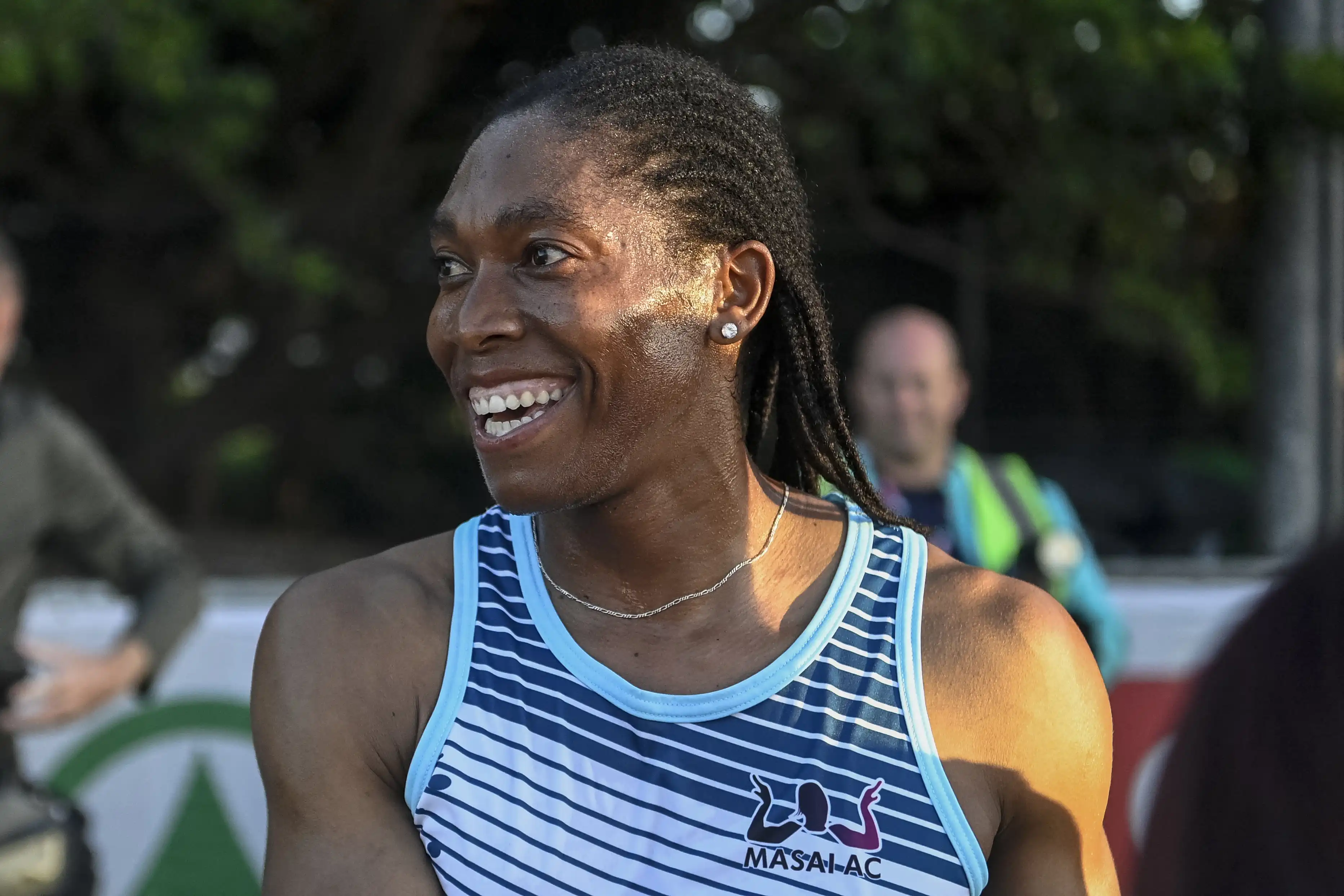
Sex testing for the female category has already been introduced by World Athletics, World Boxing and, most recently, the Women’s Tennis Association announced it will require all players to undergo genetic sex testing to compete on the tour.
The argument for sex testing is often framed as a defence of fairness in women's sport and it deserves to be taken seriously – it’s true that competitive integrity in women's categories may be compromised without clear eligibility boundaries.
But the implementation process means these policies frequently single out athletes who don't conform to narrow expectations of what a woman's body should look like.
The result is not always a level playing field. Sometimes it’s a system that excludes based on natural biological variation rather than demonstrated competitive advantage.
From an educational perspective, this exclusion matters.
Young athletes internalise the values we attach to sport. When they see governing bodies question whether someone is ‘female enough’ to compete, it sends a message that belonging in sport is conditional.
Caster Semenya and Imane Khelif
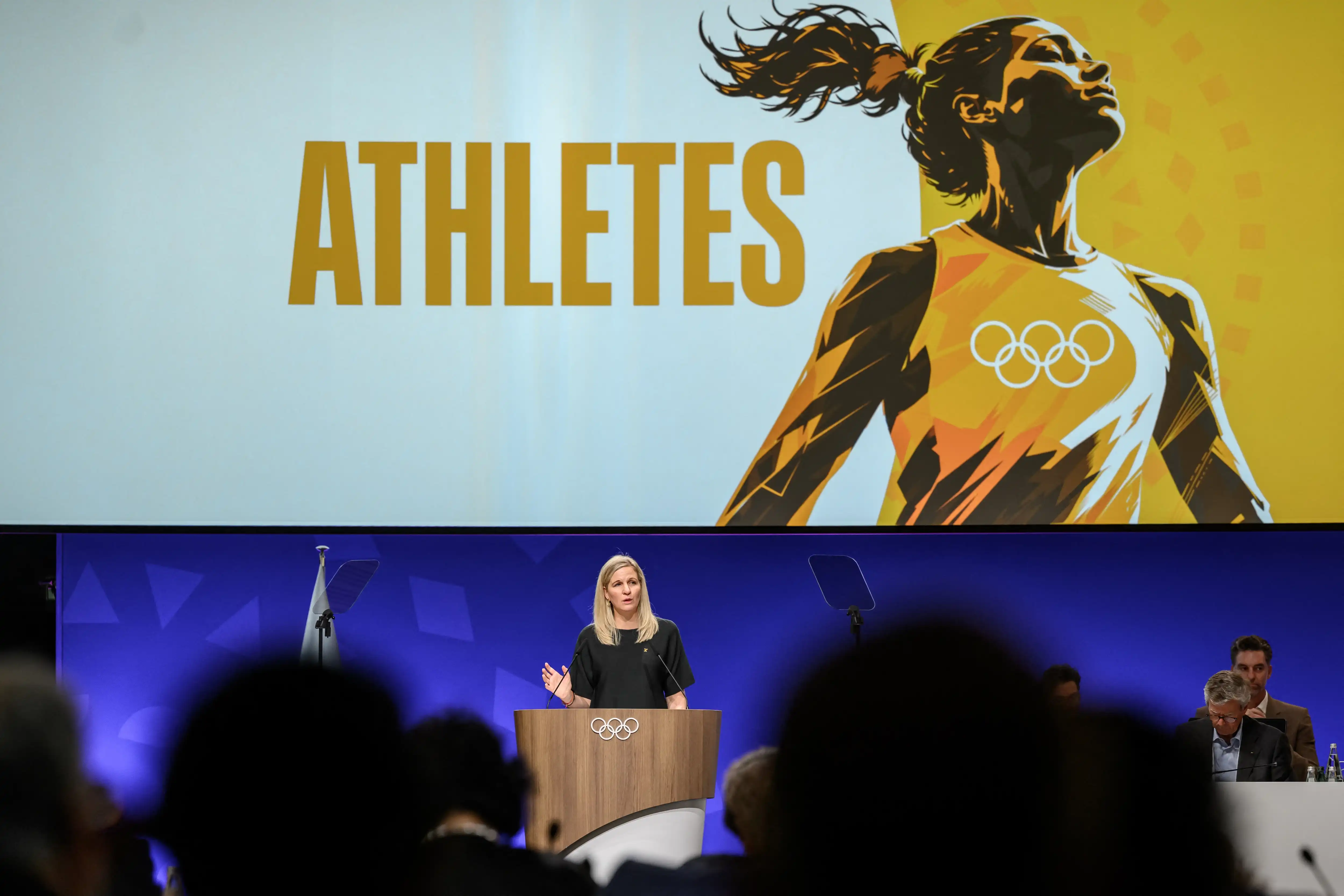
The International Olympic Committee (IOC) has recently introduced a new policy framework on the protection of the female category in Olympic sport.
But questions remain about whether genetic sex testing can adequately capture the complexity of human biology or balance scientific, ethical and human rights considerations.
Perhaps no cases illustrate this more powerfully than those of two Olympic champions, South African runner Caster Semenya and Algerian boxer Imane Khelif.

They both faced intense public scrutiny, wrongly characterised by many as transgender.
Semenya was born with Difference of Sex Development (DSD), a naturally occurring intersex condition which causes her body to produce higher than average testosterone levels.
Despite being legally recognised as female by the International Association of Athletics Federation (IAAF), she was ordered by the Court of Arbitration for Sport to take testosterone-suppressing drugs or undergo surgery simply to continue competing.
Acknowledged by the Court itself to be discriminatory, this ruling was deemed "necessary" – drawing widespread criticism from medical experts, human rights organisations and athletes around the world.
Semenya refused to alter her body and has been largely excluded from international competition ever since.
Health & Medicine
The biomechanics of going really, really fast
Khelif was similarly subjected to a firestorm of misinformation. The IOC confirmed she was "born female, registered female, lived her life as a female, and boxed as a female”.
Yet she was falsely described as transgender by politicians and commentators across social media, subjected to a global harassment campaign, and compelled to file a legal complaint over the abuse she received during the 2024 Paris Olympics.
Both cases create the conditions in which any woman whose body falls outside narrow norms becomes vulnerable to public humiliation, misinformation and exclusion.
These concerns have also been raised by international human rights organisations who criticise mandatory sex testing policies for their potential to violate privacy, dignity and bodily autonomy.
If we were serious about fairness…
Research has examined how the definition of "woman" in elite sport governance draws on selective scientific evidence.
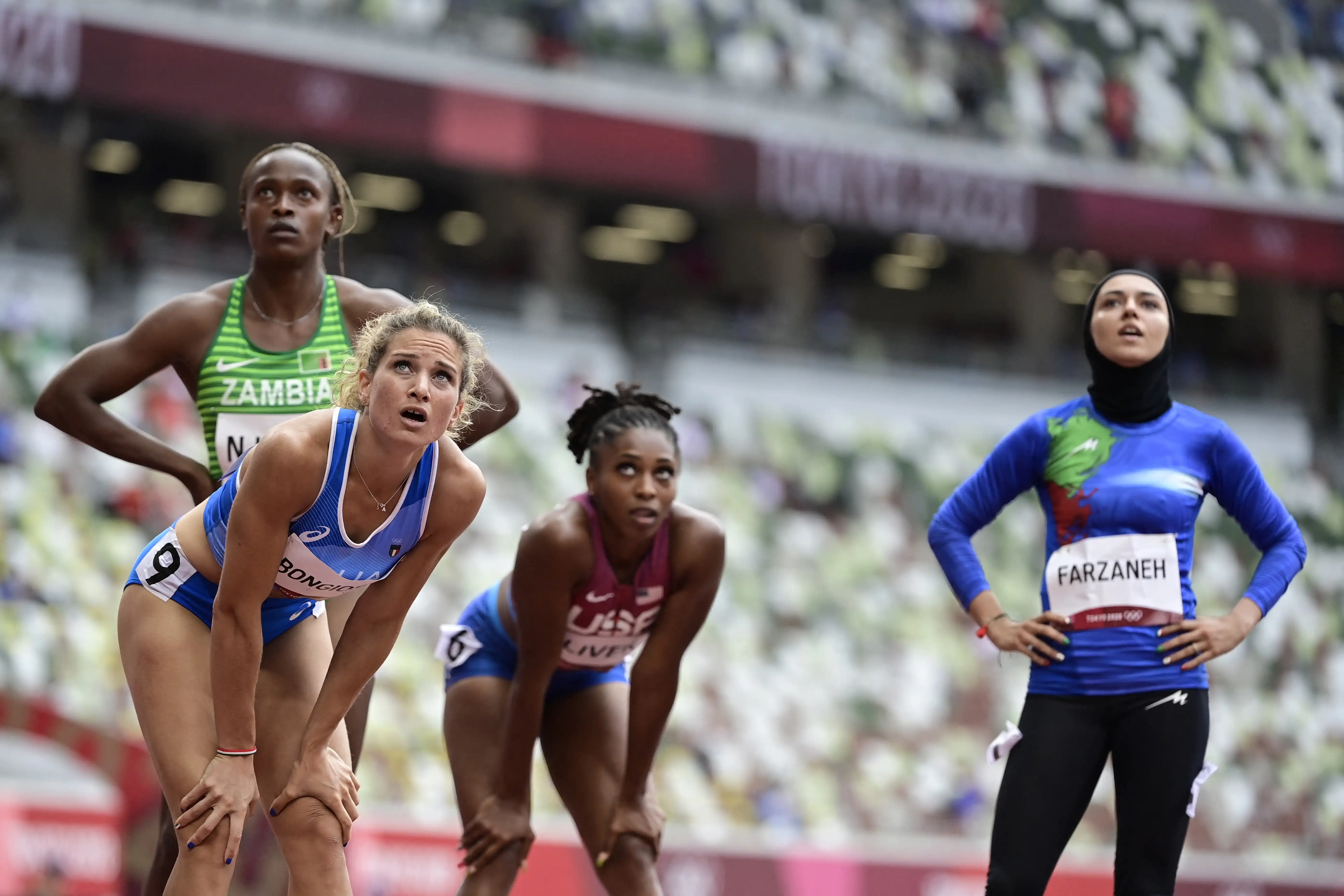
The burden of proving eligibility falls most heavily on women from the Global South, women of colour and those with naturally occurring variations in sex characteristics – those already navigating structural disadvantages within sport.
Any honest conversation about fairness must grapple with this uneven distribution of scrutiny.
Beyond the ethical questions, implementing universal genetic testing presents significant logistical and financial challenges.
Athletes may be required to travel to specialised labs for testing and national sporting organisations face substantial costs in testing entire cohorts of athletes.
So it needs to be asked – is this the best use of limited resources in women’s sport? And can these organisations balance scientific and human rights considerations in a way that serves both goals well?
Politics & Society
You can win the Asian Cup and still lose your job
The number of transgender athletes competing at elite level remains extremely small, yet the intensity of public debate would suggest otherwise.
If we were serious about improving fairness women’s sport, we'd be more focused on key issues like poor media coverage, funding disparities and the need for greater research into women’s physiology and performance.
What does real fairness look like?
Fairness is integral to sport, but it cannot be reduced to a single dimension.
There has always been natural variation in height, wingspan, lung capacity, muscle fibre composition and countless other factors that confer competitive advantage.
We do not routinely test for or exclude athletes based on these traits. The challenge is to develop eligibility frameworks that are scientifically rigorous, consistently applied and respectful of human dignity.
It starts with inclusion as a default, not an afterthought.
It means applying scrutiny consistently rather than selectively. It means investing in women's sport at every level of funding, facilities, research and representation.
And it means ensuring debates about eligibility are grounded in peer-reviewed evidence rather than acting as proxies for broader anxieties about gender that have little to do with competitive sport.
Every athlete deserves a fair go. The challenge is ensuring that the systems governing sport live up to that simple, powerful principle for all athletes, without exception.