


Environment
Smart fertilisers for food security


New technology is integrating sustainability into production and helping Australia’s agricultural industry demonstrate its green credentials
Published 31 August 2026
Australia’s agricultural exports have long traded on a simple label: clean and green.
But in global markets, that is no longer enough.
Increasingly, buyers and regulators want proof – not just of quality, but of sustainability, traceability and environmental impact.
These expectations are now being built into trade requirements and supply chain standards because consumers demand clarity and accountability too.
To meet these demands, reputation must now be measured.
This shift is quietly redefining what it means to be competitive in agriculture.
It is no longer just about producing more, or marketing effectively. It is about smarter production, sophisticated measurement and the ability to demonstrate performance with evidence.
Worth around AUD$100 billion a year, the agriculture sector links growers, processors and exporters across Australia to major overseas markets, but it operates in a far more demanding environment than it did a decade ago.
Environment
Smart fertilisers for food security
Climate variability, rising input costs and tightening market expectations are already putting pressure on performance and margins.
So the question is not whether the sector needs to change, but how.
A new wave of technologies is starting to provide an answer.
Tools like AI, remote sensing and advanced data modelling that measure soil health and nutrient levels, as well as crop stress and yield potential, can often highlight problems before they are visible to the human eye.
A new Cooperative Research Centres Projects (CRC-P) partnership is exploring how these technologies can be applied across Australia’s fodder cropping sector to ensure the country's ‘clean and green’ credentials can be measured and demonstrated internationally.
The collaboration is led by the Australian agricultural company Balco Australia, with the University of Melbourne, Incitec Pivot Fertilisers, LandScan and Scientific Instruments Australia.
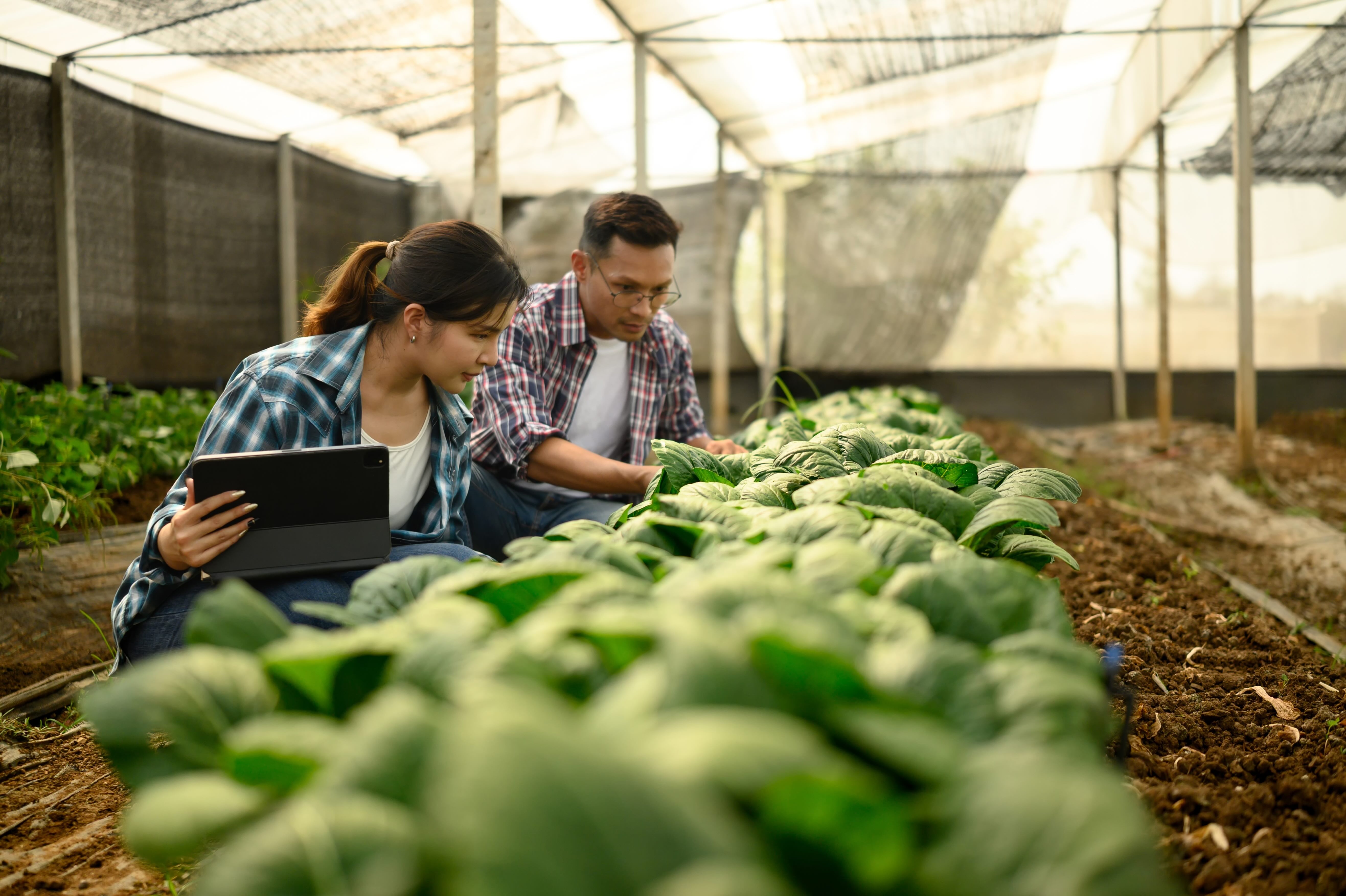
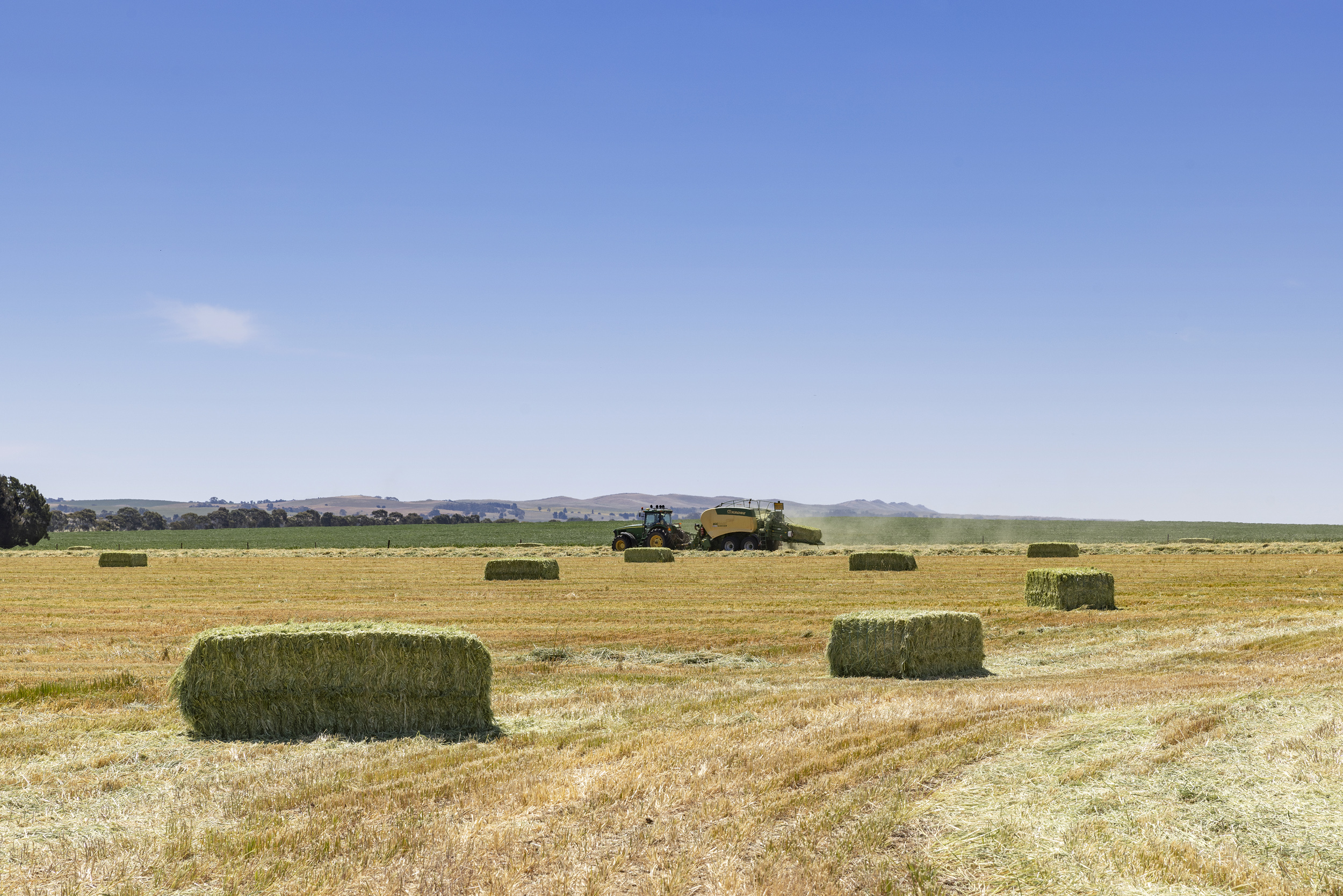
Fodder is commonly used in livestock feed and includes cereal crops (oats, corn, wheat), legumes (alfalfa, clover) and sprouted grains like barley, worth about AUD$450–600 million to Australia’s export market.
By combining advances in agronomy, remote sensing and data analysis with real-world production systems, the work aims to improve both productivity and sustainability outcomes in practice.
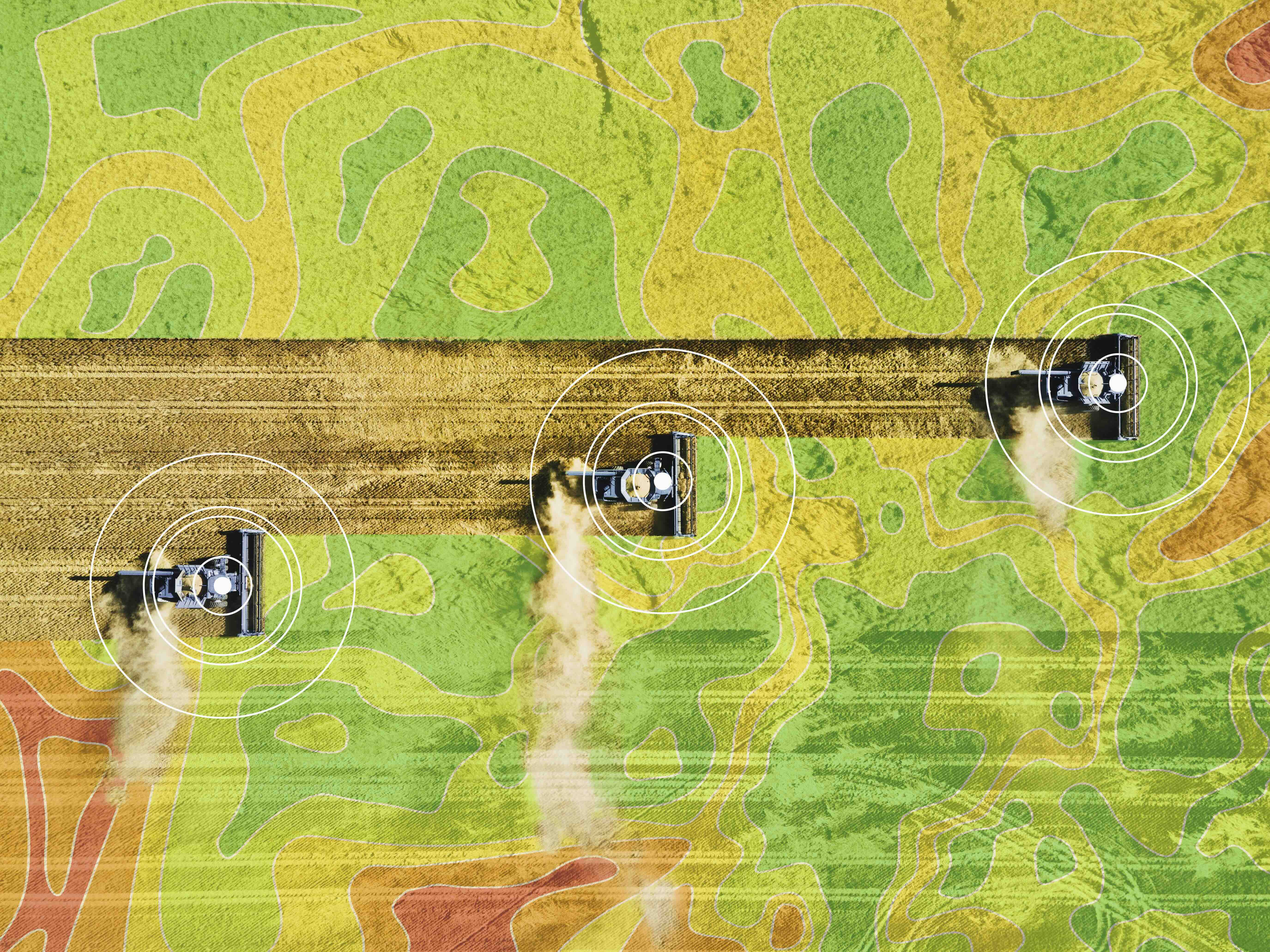
At the forefront of this innovation are new soil testing and remote sensing technologies from LandScan designed to create a virtual replica, or ‘digital twin ’, of the field.
By testing new approaches on a digital copy of the field, growers can greatly improve their ability to make decisions that optimise productivity and crop quality while reducing environmental impact.
The project brings together a range of approaches across the production system.
This includes developing more detailed, data-driven models of paddocks to better understand soil and crop conditions, testing new fertiliser strategies to improve efficiency and reduce losses, and using sensing technologies to support decisions around harvesting, drying and grading.
For export markets, value depends on consistency.
This includes factors like nutritional quality for animal feed, moisture, storage performance and confidence that the product will meet specific market standards.
For growers and processors, success depends on managing a long chain of decisions, where small mistakes can quickly become costly.
In fodder systems, timing is critical.
Cutting, curing, baling and storage all influence final quality, and poor decisions at any stage can quickly erode value.
More precise monitoring and decision support can help reduce any guesswork and improve both consistency and financial returns.
And better data and earlier insights are now shifting this process from reactive to proactive.
Instead of responding to problems after they appear, producers can intervene earlier, target inputs more precisely and reduce uncertainty across the production cycle.
This also opens new ways to address one of agriculture’s hardest balancing acts: how to lift productivity while reducing environmental impact.
Work from our team to improve fertiliser efficiency is already showing that better data and targeted inputs can reduce environmental losses while maintaining productivity.
By linking on-farm decisions more directly to outcomes, these tools make it easier to identify which practices deliver both economic and environmental benefits.
In this way, sustainability is part of the production system from the beginning.

Sciences & Technology
Creating digital twins to save our cities
But there is also a bigger strategic issue at stake.
Australian agriculture has long benefited from being seen as environmentally responsible.
But the industry still has limited scientific evidence and certifiable claims that meet international standards like the EU’s Ecolabel and the International Organization for Standardization's ISO’s Environmental Product Declaration.
In the fodder sector, there are currently no standardised, formal benchmarking systems – only informal measures developed by companies to meet client and export demands.
This makes it difficult for Australian growers to communicate the value of their product to global markets. And that gap matters.
Because the future of agriculture will not be defined by what we say about it, but by what we can prove.
Without credible, relevant and verifiable guidelines, producers can struggle to justify premiums or defend sustainability claims.
Moving from reputation to evidence is becoming essential for maintaining competitiveness.
New technologies like artificial intelligence (AI), remote sensing, and advanced data modelling aim to reduce uncertainty, improve consistency and strengthen the agricultural industry’s ability to measure and demonstrate performance.
This shift would move ‘clean and green’ from a branding phrase to something measured, documented and rewarded.
And in a changing climate, a genuinely greener, measurably more sustainable agricultural sector will benefit everyone.