Health & Medicine
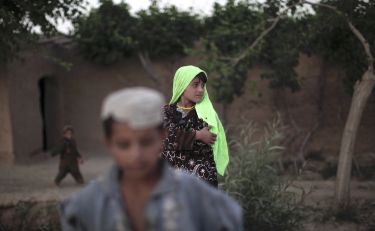
Girls forced to act as boys in Afghanistan


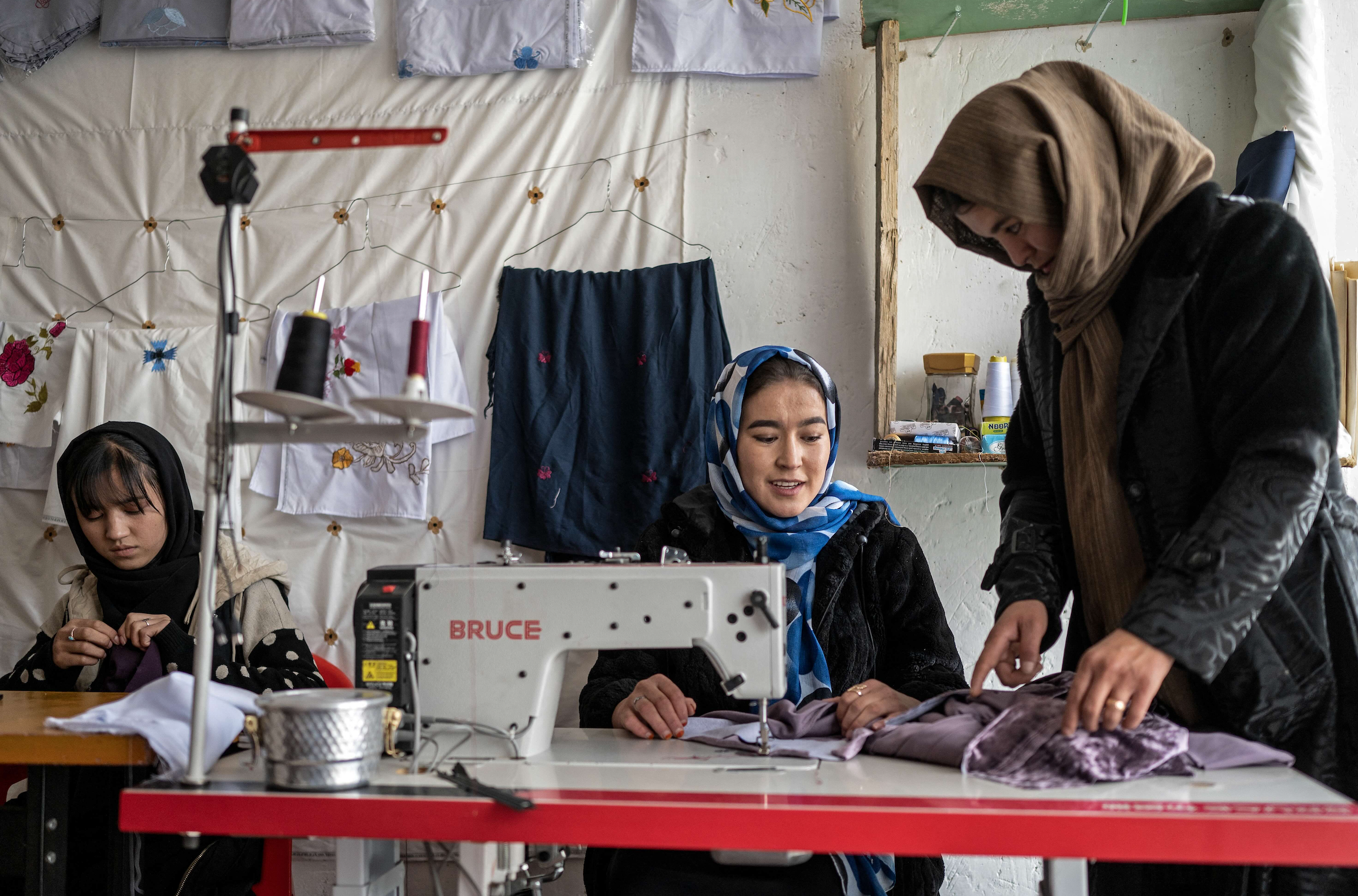
Despite severe restrictions, Afghan women continue to carve their own pathways to education and opportunity


Published 6 March 2026
This International Women’s Day, we’re called on to balance the scales so that every woman and girl is safe, free and supported to shape their own life.
The scales of gender equality remain stubbornly out of balance.
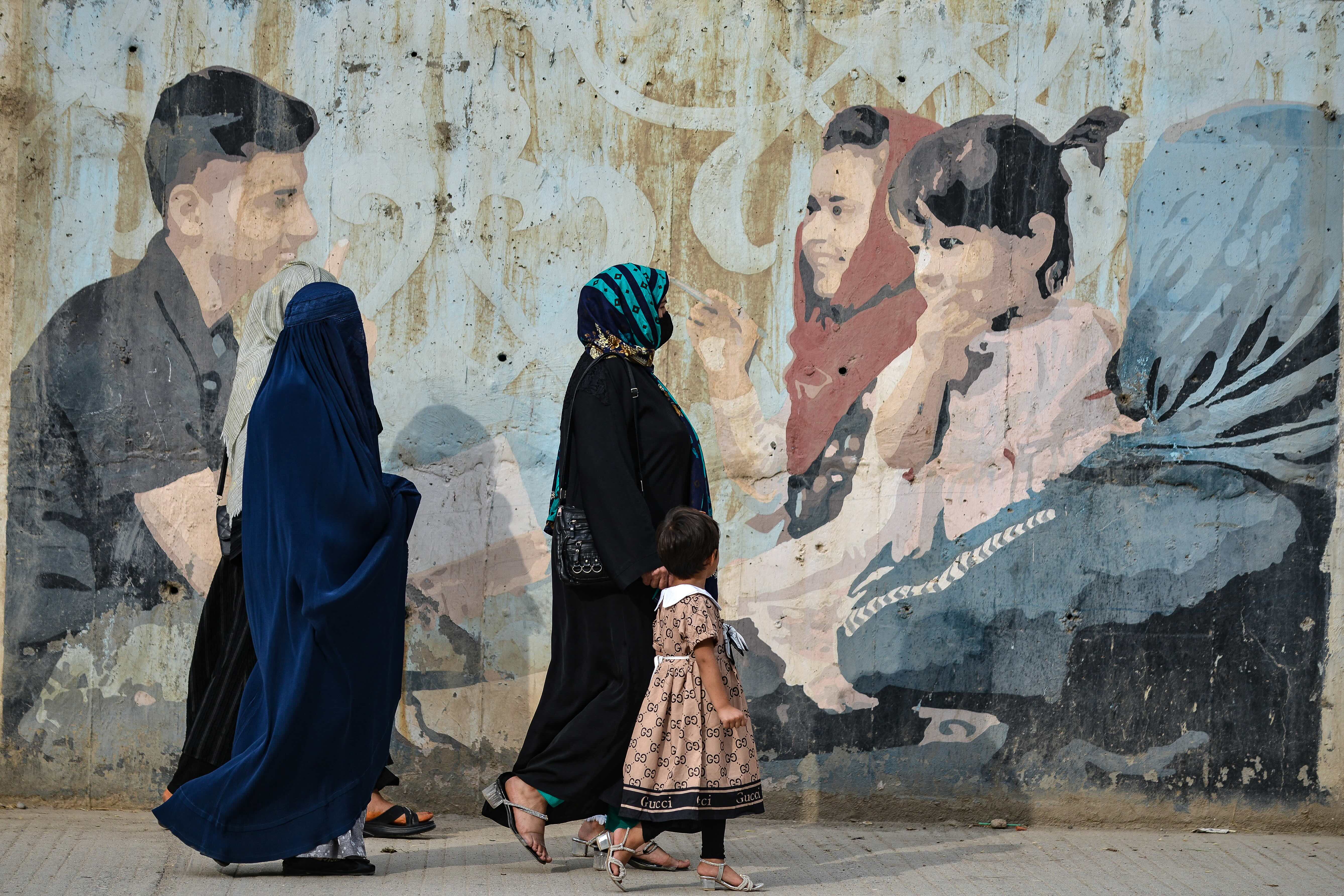
Women remain paid less, are overworked, and are disproportionately victims of domestic violence. And our legal structures, economic policies, and justice systems have not been able to tip the scales towards gender parity and equity.
Balancing the scales of gender equity requires initiative rooted in generosity, collaboration and immediacy.
The best place to start is by looking to women who have long practised the feminist labour of grassroots, collectivist solidarity.
These women build opportunities for those shut out of formal rights and institutions.
They show us that working together means sharing knowledge, networks and resources without hesitation to protect one another and fight to create access where it is systemically denied.
Health & Medicine
Girls forced to act as boys in Afghanistan
Through their actions, we can begin to understand and appreciate how supporting others is integral to survival and solidarity, and how it is distinctly different from benevolence or charity.
This International Women's Day, we particularly look to Afghan women who, despite severe restrictions – and, as of this month, active warfare – continue carving pathways to education and opportunity for themselves and other women and girls around them.
These women and girls are not waiting for permission to participate in frameworks that exclude them. They build their own.
For many women, giving back or giving to others has never been symbolic – it has been a political necessity.
Long before corporate and government campaigns adopted the language of empowerment, women were building their own parallel systems of education, health advocacy and cultural transmission that sustained communities through geno/femicide, dispossession and erasure.
It is time we remember that balancing the scales is not a gentle act. It is an ongoing struggle.
An ongoing fight enacted through the deliberate creation of opportunity where rights are denied and the collective insistence that no woman moves forward alone.
For Afghan women, acts to balance the scales stretch across time zones, in secrecy and through precarious digital and informal networks.
Health & Medicine
Where are all the missing girls?
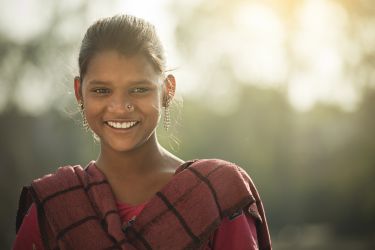
In the face of sweeping draconian restrictions on their education, safety and public life, Afghan women have found ways to define their solidarity with one another through methods of coordinated resistance.
They have done so even through the Taliban’s recent internet blackout and a new penal code that codifies gendered obedience and criminalises women’s autonomy.
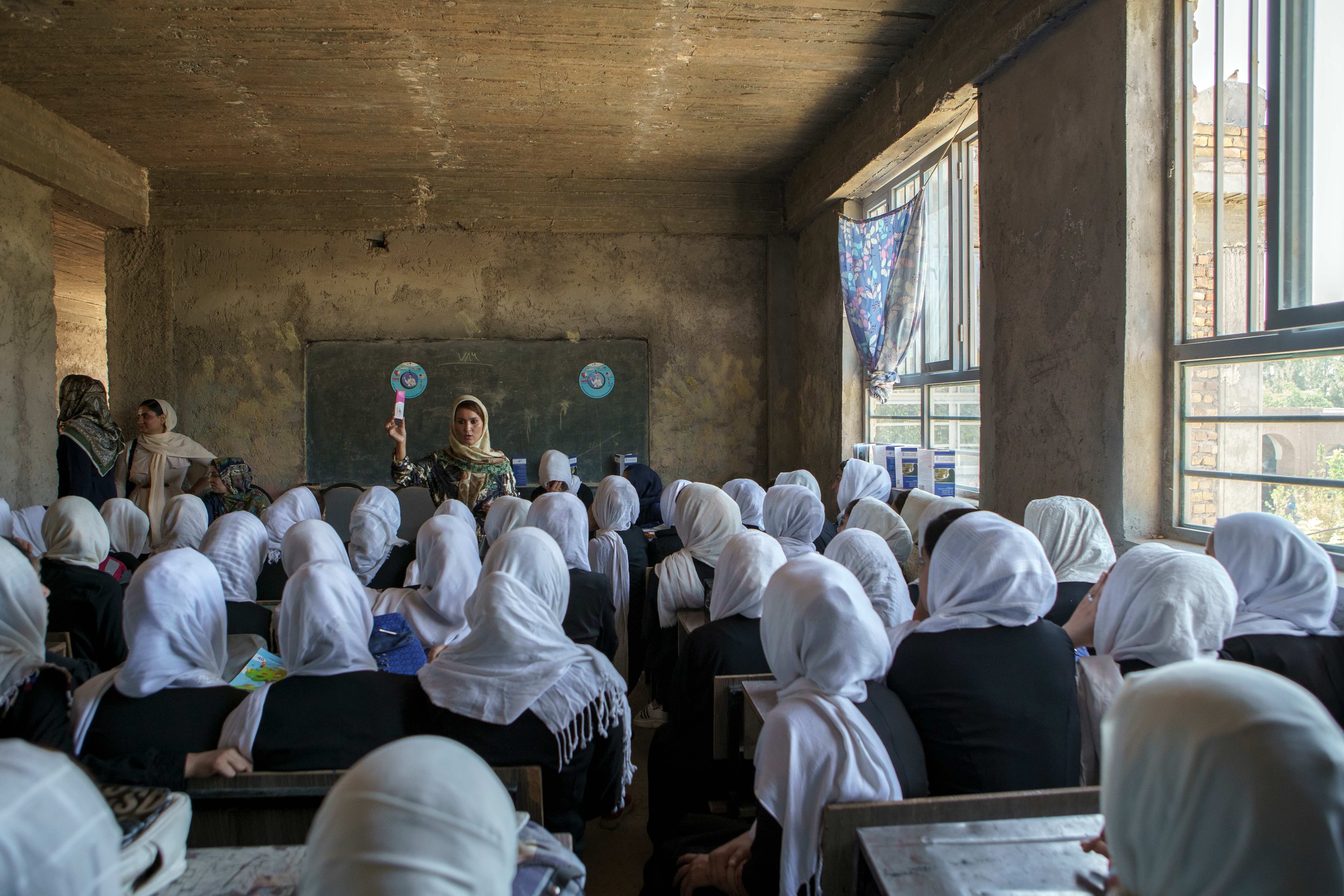
Underground schooling initiatives continue to operate despite formal bans on educating girls older than 12.
These activities are bravely coordinated by women who remain in Afghanistan and sustained through the financial, intellectual and moral support of Afghan women across the diaspora.
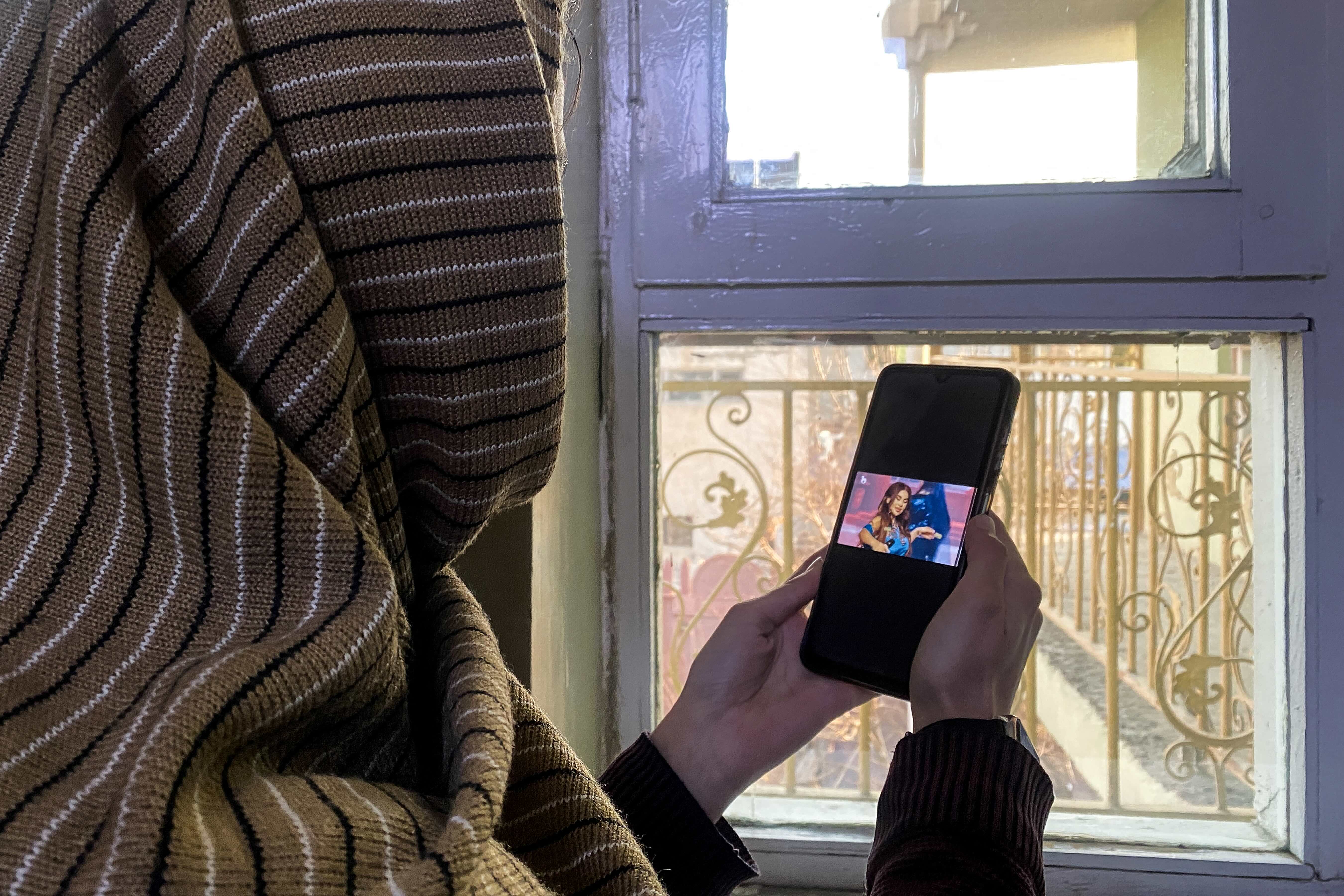
Digital spaces have become sites of care and strategy that enable women to share information, organise and maintain connections when visibility itself carries a risk.
This support is not symbolic – it is the deliberate creation of opportunity under conditions designed to deny women autonomy.
For me, feminism is not just a Western ideal or academic debate. Feminism is a girl in Jawzjan who studies her books in secret, a woman in Kabul who works as a journalist, risking her life to tell the truth. In my belief, feminism is the right to choose, the right to choose one’s education, work, marriage, thoughts, faith, and even in silenceMursal Q, Feminism in the words of an Afghan Girl, February 2026
Afghan women exemplify feminism, even though they may not always call it such.
They are actively subversive and inherently political, even within simple acts like building opportunities for education under conditions of exclusion.
They are creating sophisticated, parallel systems that have real impact. They are interlinked and are often transnational in spirit, having great solidarity with other women subjected to violent oppression.
Health & Medicine
Sisters are doing it for themselves
Yet despite their brilliance and tenacity, their leadership, skills and knowledge are sidelined from discussions where gender equality is theorised, funded and implemented.
Despite the growing number of initiatives advocating for women’s rights and gender equity, there’s a lack of community representation at the leadership and project-development levels.
Some initiatives even risk reinforcing the hierarchies they’re trying to dismantle – defining problems, controlling resources and solutions without asking what the communities they hope to support actually need.
Forums, funding, and research too often stray far from the communities they claim to serve. Women are spoken about, rather than heard.
What do ‘empowerment initiatives’ achieve without shifting decision-making power? What does advocacy accomplish if women at the top of institutions speak over those who are actually leading efforts on the ground?
Sustainable social transformation begins with intersectional feminist participatory action that brings women into the funding, research, design and implementation of the initiatives meant to serve them.
We can see it here that balancing the scales is active. It requires critical thought in contributing to a gender equity cause and to take a step back to amplify and support the work and voices of women who are already at the helm.
It demands recognising expertise where it already exists and relinquishing the assumption that leadership must come from elsewhere.

Politics & Society
Maybe just think about who’s carrying the mental load at Christmas
This International Women's Day, the challenge isn't to do more – it's to do better.
Institutions that believe they are already serving women well may be the ones most in need of listening.
If we are serious about accelerating women’s access to opportunity, we must follow the lead of those who have been creating it all along – often without recognition, and frequently without protection.
Balancing the scales means redistributing power, resourcing grassroots systems, and actively listening to community-defined priorities.
The goal is feminist futures built on sovereignty, solidarity and collective authority.

The women building classrooms in secret to sustain knowledge across generations have already shown us what transformation looks like.
The question is whether we are prepared to stand beside them – and, when necessary, to step back and follow their lead.
To learn more about the work that some Afghan women-led organisations are doing in Australia, check out these links: Strong Women Talking, Amplify Afghan Women, Afghan Women on the Move, ZamZam Foundation, Afghan Australian Development Organisation, and Women for Change.