Politics & Society
You can win the Asian Cup and still lose your job


From Texas to Melbourne, the 2026 World Cup is revealing genuine human connection alongside persistent structural gaps. But what matters now is whether these lessons become permanent

Published 2 July 2026
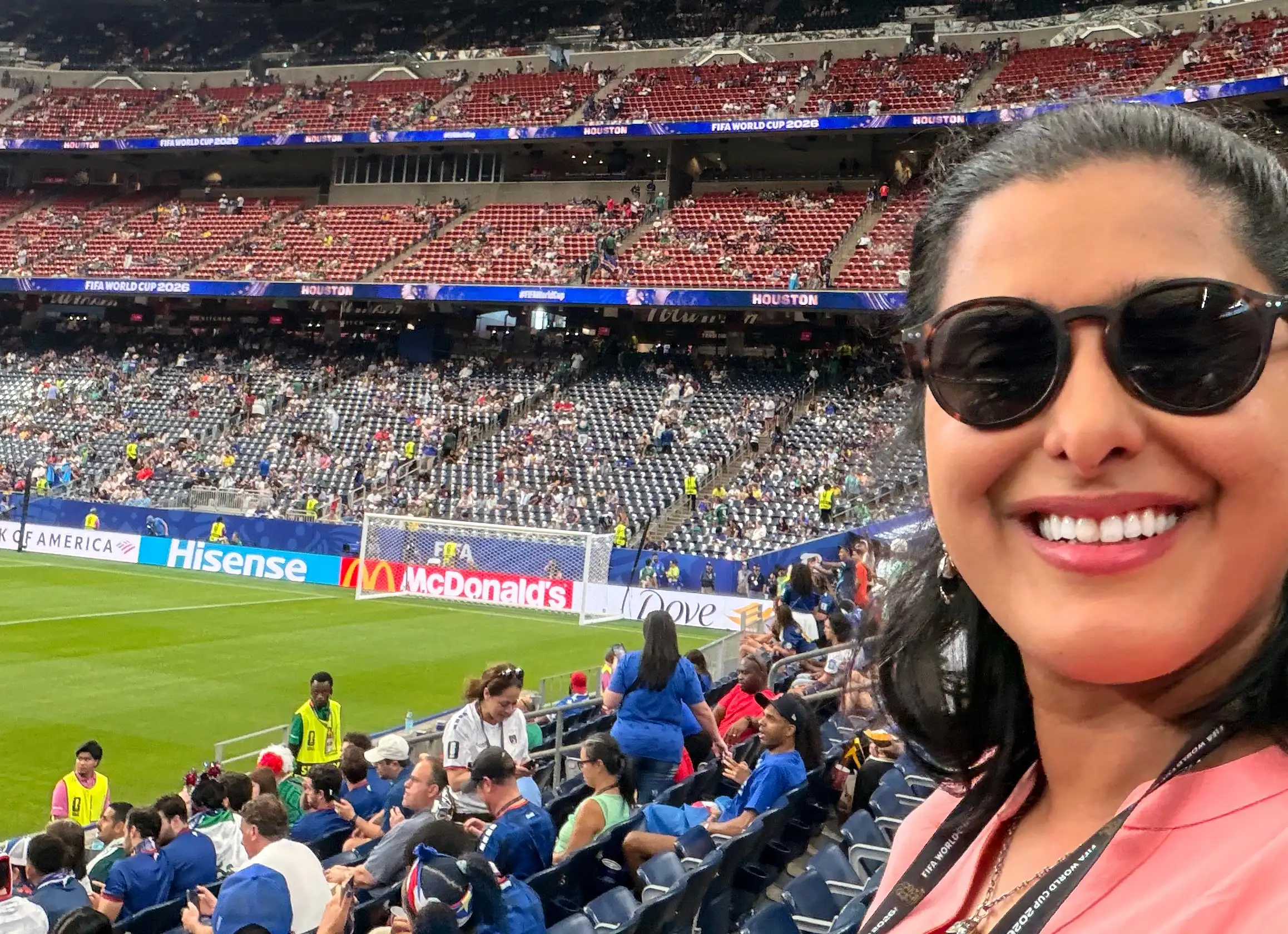
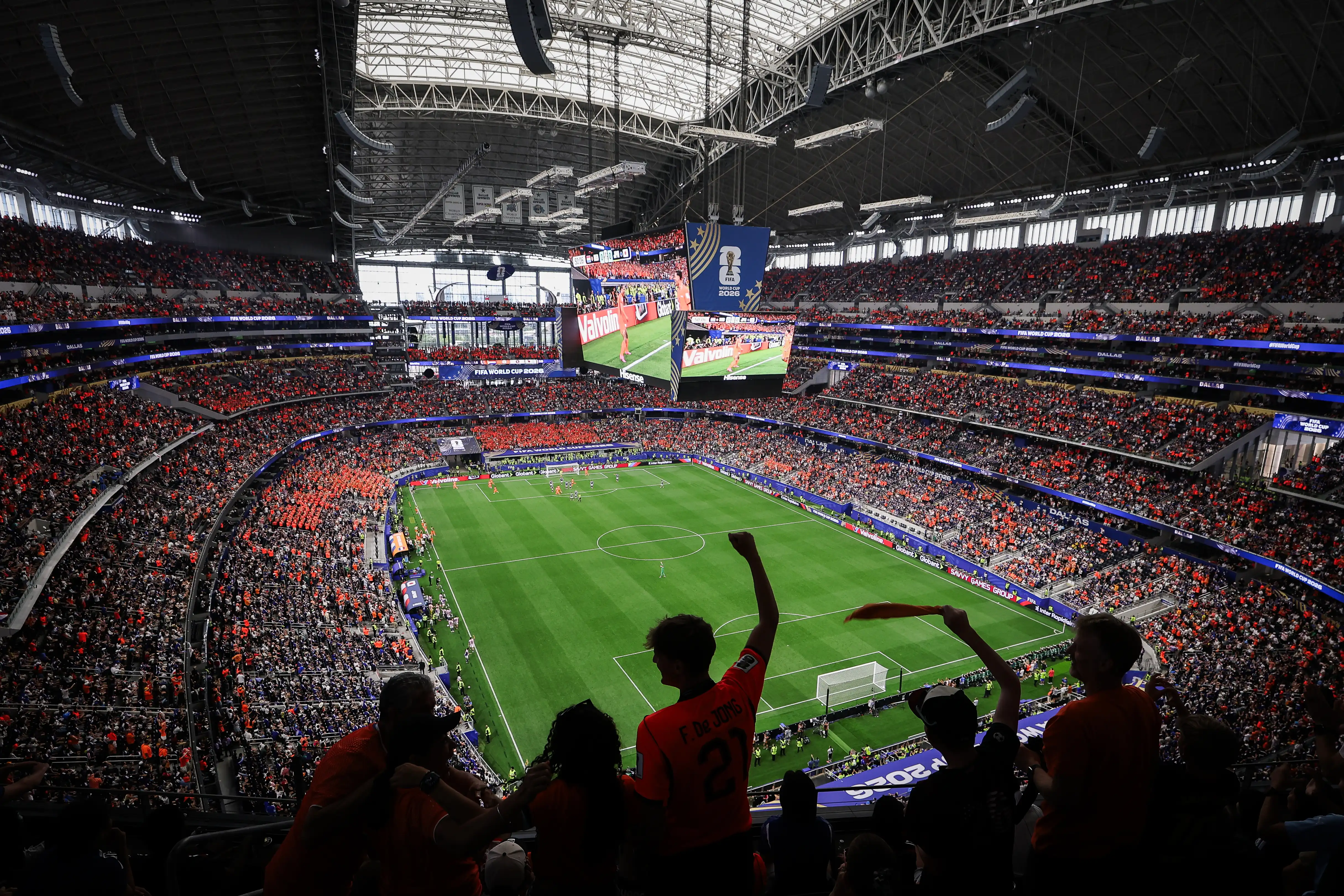
I'm standing in downtown Houston during the group stage of the 2026 FIFA Men’s World Cup, watching the Netherlands play Sweden. Thousands of Dutch football fans have flooded the streets in a sea of orange.
What strikes me isn't the spectacle (although it is genuinely spectacular). It's the authenticity of strangers from different countries, languages, and backgrounds embracing, singing and sharing food.
In Melbourne, fans are getting up at 4am to gather in the city’s Fed Square. Same phenomenon, different continent.
The FIFA Men’s World Cup has unleashed something real about human connection through sport.
But as a women's football coach and fan, I've learned that the story isn't as simple as 'inclusion succeeded’.
The narrative is more complicated: genuine community coexisting with real gaps. Real belonging alongside structural barriers that some people navigate alone.
As an Australian sports researcher, what strikes me most is how African teams' success is reshaping football's traditionally Eurocentric landscape.
Politics & Society
You can win the Asian Cup and still lose your job
Germany and the Netherlands – two tournament powerhouses – have already been knocked out. With European nations like those two eliminated, African fans and culture are claiming space at the World Cup in unprecedented ways.
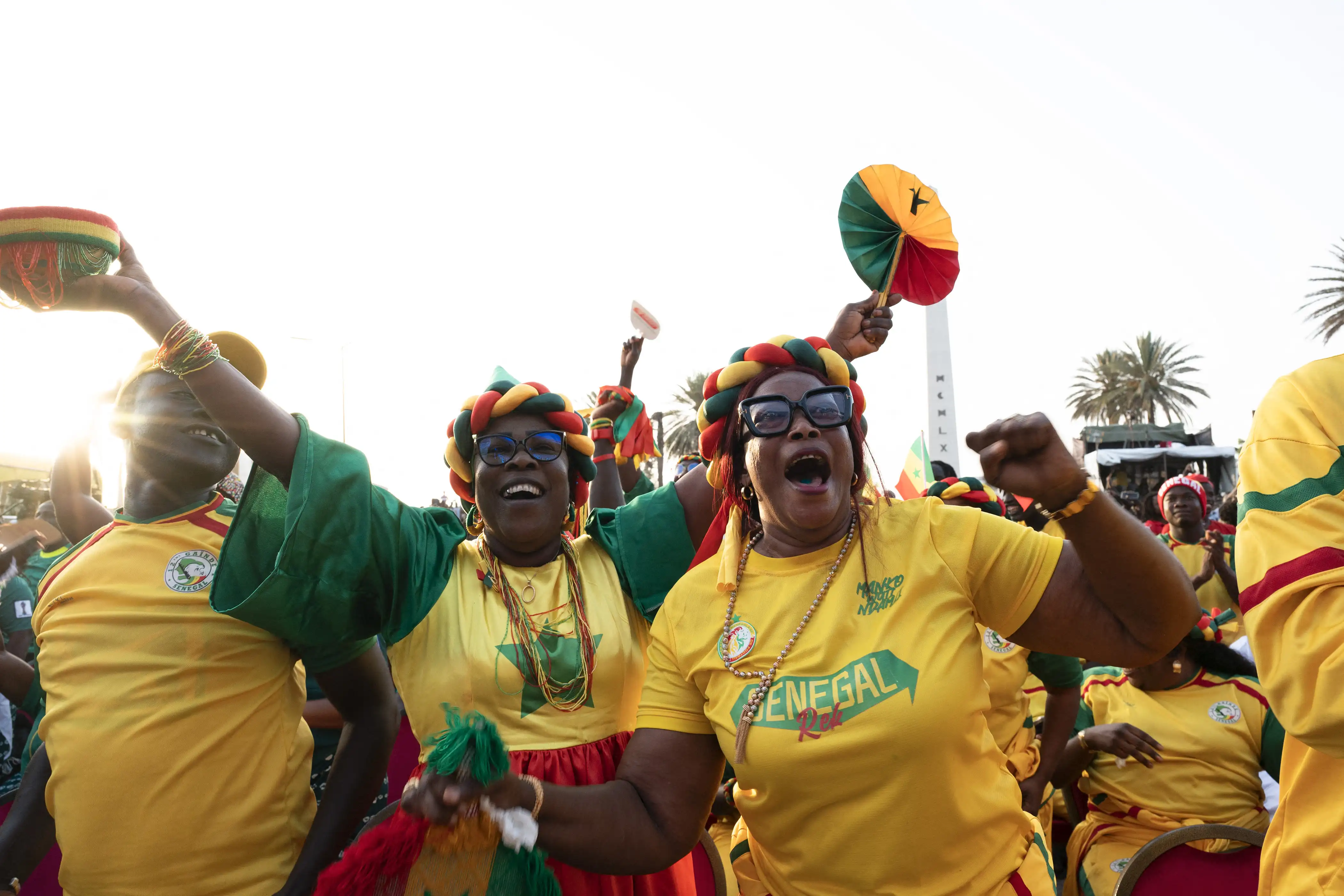
We’ve seen reports that Senegal's performance against France and broader African team advances have brought millions of new fans whose presence is visibly changing tournament demographics.
This matters.
For generations, football's global narrative has been written by European and South American voices. Now, the face of the World Cup is shifting.
The music, the languages, the celebrations, the stories being told – they're increasingly African. That's not just cultural change. That's a fundamental rebalancing of who gets to belong in this sport.
In Houston, during the Netherlands v Sweden group stage match, I watched non-Dutch speakers join chants they didn't understand, adopt the orange colours and be part of world famous Links Rechts.
What stood out for me was how genuinely inclusive it felt. There was room for everyone regardless of any prior support for the Dutch team.
Early bookings to the US for the World Cup offered international visitors competitive value, with Texas becoming a fan hub.
In Boston, the scene was equally striking.
Health & Medicine
Sport and that sense of belonging
Perhaps in unsurprising reports, Scottish fans ran bars completely dry of beer, with some establishments selling four times their normal inventory over a four-day holiday weekend.
But what is surprising is what international visitors discovered about American culture itself.
Many were finding that everyday trappings of American life like Walmart, gas stations, ranch dressing, refillable drinks and air-conditioned stadiums amounted to cultural experiences.
Eight thousand kilometres from Houston, the Australian experience is a bit different.
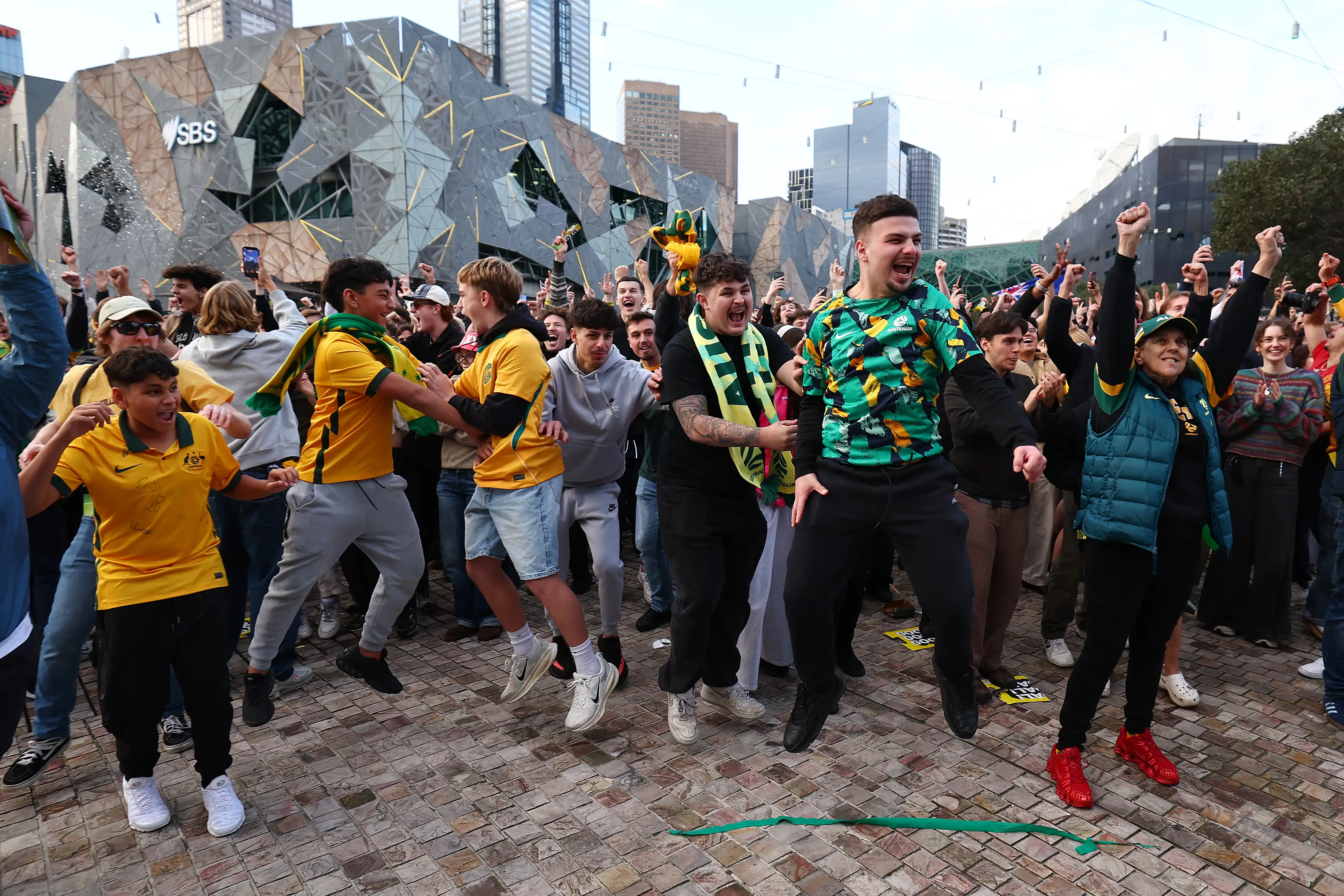
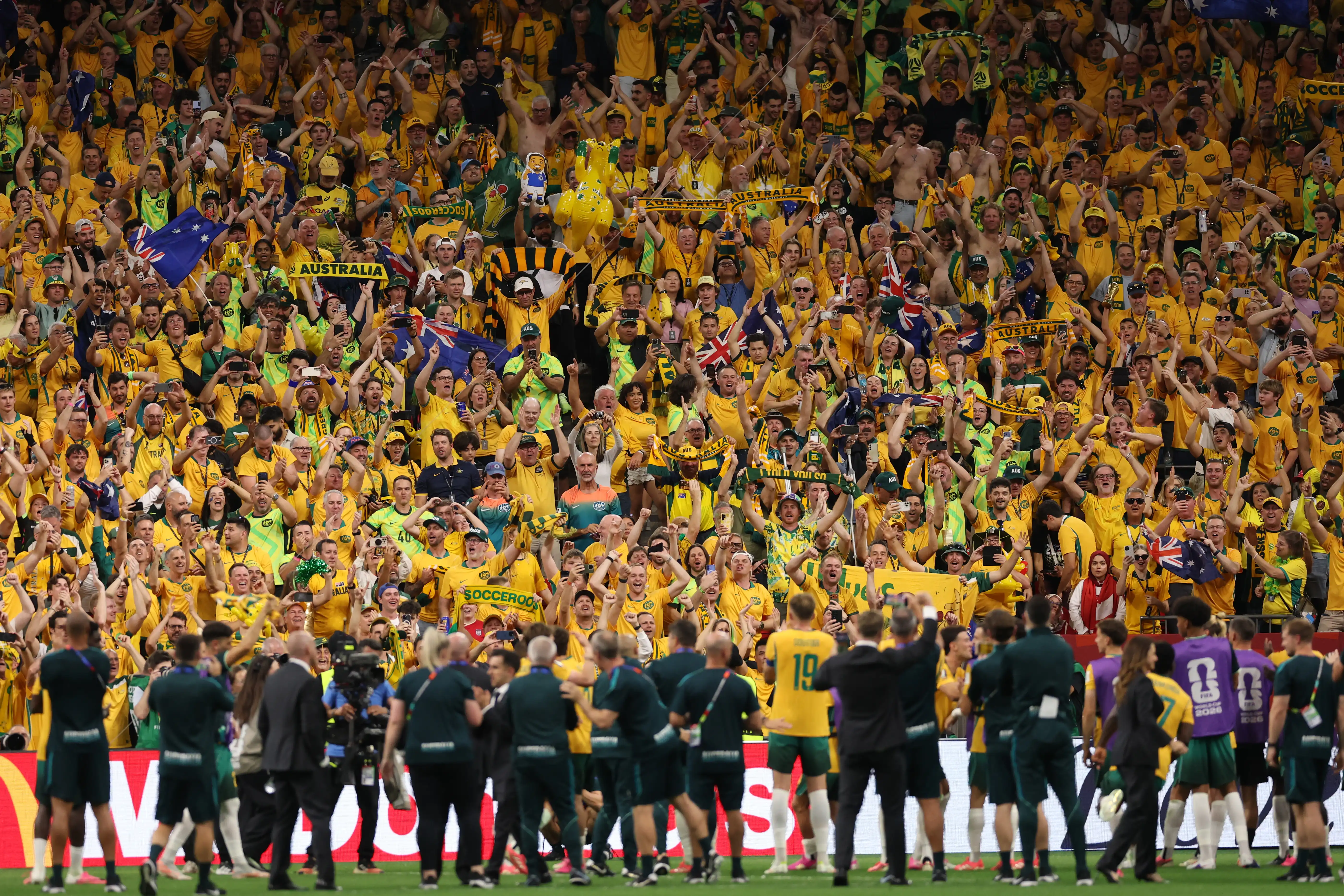
Well before dawn on a cold, wintery Melbourne morning, thousands of Australians are already seated at Fed Square.
Wrapped in blankets, nursing thermoses of coffee, wearing their national colours, they’re here to watch the Socceroos play. This ritual is repeating across the country.
The scale of this commitment matters.
Before the World Cup began, there had been a decision to ban the Fed Square screenings which triggered such fury from players, officials and fans that Victorian Premier Jacinta Allan reversed it within days.
She stated: "The World Cup should bring us together, not keep us apart”.
That reversal became a political statement about what Australians actually want from sport.
Now, strangers sit next to each other and become friends. Parents bring children to rituals they'll remember. The Socceroos probably won't win the tournament, Australian fans know this, but they show up anyway.
Here's where it gets complicated.
I've gone to matches in multiple countries and watched genuinely diverse crowds, with every age, ability, gender expression and socioeconomic background represented.
But the gaps between FIFA's inclusion messaging and many fans’ lived experience are visible even in those moments of joy.
For LGBTQ+ fans, symbolic commitment doesn't equal material support.
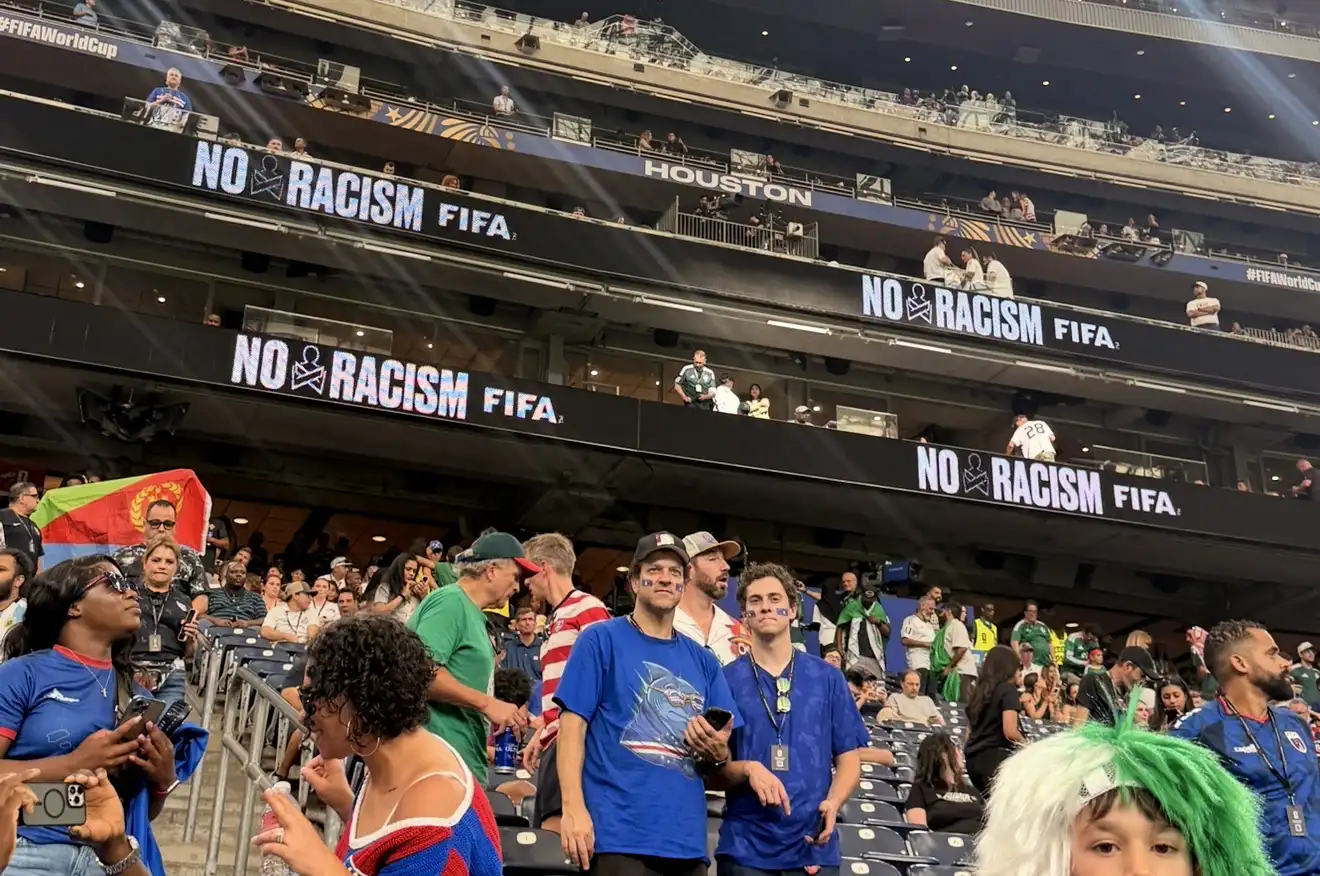
Binary bathrooms remain problematic. Disability access is inconsistent. Women at men's matches report harassment frequently.
These aren't isolated incidents, they reflect a pattern where FIFA’s aesthetics of inclusion exceed the operational changes needed to support it.
Venues that invested in operational changes accessible seating with good sightlines, responsive staff, clear wayfinding, trained personnel created genuinely welcoming experiences.
But those that instead focused on ‘the messaging’ without infrastructure left people navigating barriers alone.
The Seattle Pride Match between Egypt and Iran exemplifies this tension perfectly.
Iran’s Football Federation reportedly demanded that FIFA prevent any “ceremonies or promotional activities” supporting the LGBTQ+ community and restrict Pride.
But the Pride celebrations went ahead anyway. The community stood firm.
It's a reminder that inclusion sometimes requires pushing back against resistance and that FIFA's commitment is tested when member nations actively work against it.
This World Cup isn't creating equality, but it is creating spaces where belonging feels possible.
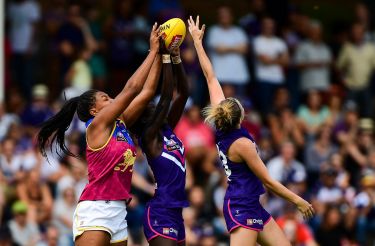
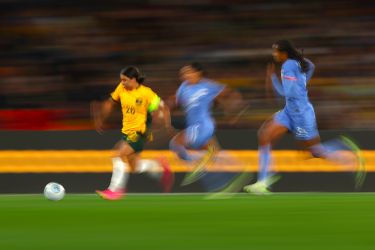
Women's football has experienced unprecedented visibility over the past decade, with record-breaking FIFA Women's World Cup attendances and television audiences, increased media coverage, greater commercial investment and expanding global fan engagement.
Disability accommodations are becoming models for future events. LGBTQ+ fan zones provided a safe place to celebrate.
These are real gains.
For Australian sport, the lesson is clear. Real inclusion requires infrastructure, not just intention. It requires training staff, not just painting flags.
Once the World Cup is done, the stadium lights will dim.
But while it’s on, the Aussie fans sitting in the cold, the Dutch fans creating hybrid cultures in Texas, and the Scottish supporters coming together in Boston are all experiencing something genuine.
The beautiful game is showing us what's possible when we commit to belonging.
Now we need to decide if we'll make it permanent.