
Sciences & Technology
What night-shift work does to your gut


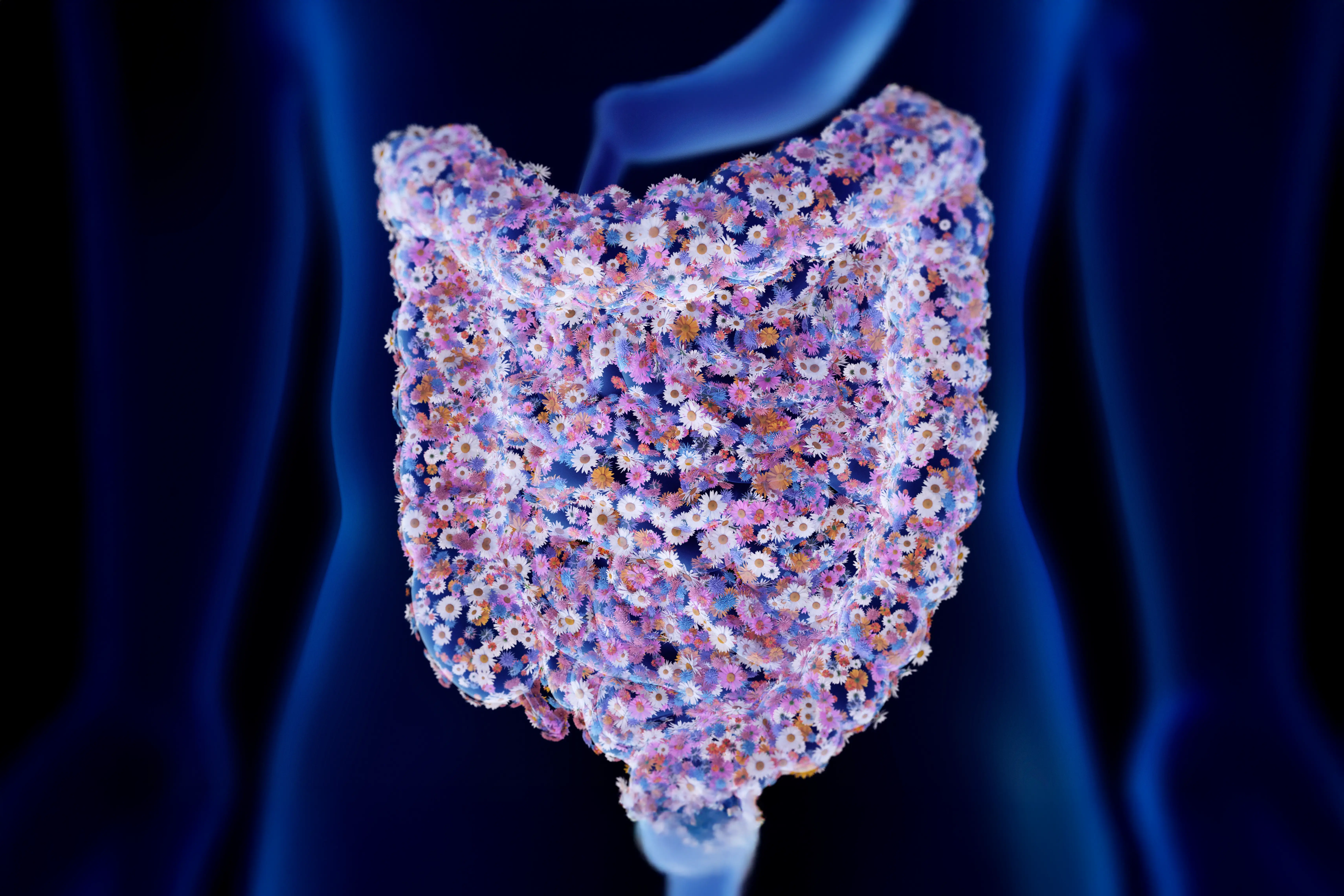
After indulging over summer, many people look to fad diets for a quick reset, but this kind of yo-yo dieting may be doing more harm than you think


Published 2 February 2026
The summer holidays are often a time of excess. Rich food, larger portions and more frequent social eating are part of the season.
Once it’s over, many people feel the urge to compensate.

Brief flits with juice cleanses, strict meal plans and weight-loss programs follow – a cycle of frequent on-off diets leading to weight loss and regain known as yo-yo dieting.
Though common, growing evidence suggests this may have lasting consequences for gut health.
Our research shows that yo-yo dieting leads to greater gut disturbance and faster weight regain than not dieting at all. Even after weight loss, the gut retains a 'memory' of its past state for a long time, making these changes difficult to fully reverse.
For many people, losing weight is difficult – but keeping it off is even harder.
Sciences & Technology
What night-shift work does to your gut
Research shows that most people who lose weight regain it within a few years, sometimes even more than what they lost.
To explore this further, we explored the effects of yo-yo dieting on the metabolism and gut structures of mice. We found that short-term healthy eating led to weight loss and improved some metabolic markers, including liver health and insulin response.
But these benefits didn't last once dieting stopped and the weight returned.
Not only this, but mice that yo-yo dieted gained weight quicker than those who were fed a high-fat diet throughout.
And our results suggest that yo-yo dieting will likely make you regain the lost weight even faster after every cycle, like a rollercoaster getting faster with every turn.

Our yo-yo-dieting mice also showed higher levels of inflammation and damage to the gut lining – changes often linked to poorer nutrient absorption and a weaker gut barrier.
There were also some clear differences between males and females. Male mice tended to regain weight more quickly after yo-yo dieting and showed greater gut inflammation, but also appeared more responsive to dietary interventions.
Why these differences occur is still not yet fully understood.
Weight regain isn’t simply about a lack of motivation or discipline. Biology plays a major role.
Health & Medicine
The key to young-onset bowel cancer may be gut bacteria
One key factor is the gut microbiome – the trillions of microbes living in the digestive tract. This microbial community is shaped by diet, medication, environment and disease.
Research shows that people with obesity a different gut microbiome profile from those without.
But even after weight loss, the microbiome does not immediately return to a ‘lean’ state. Instead, it can remain in a sort of intermediate state – distinct from both healthy and obese profiles.
It has already been discovered that after obese mice successfully lost weight, their gut microbiome retained a 'memory' of obesity.
This altered microbiome persisted for months – taking more than five times longer than the dieting period itself to return to normal – and actively accelerated weight regain.

While the gut ecosystem can shift rapidly in response to dietary change, it does not easily reset. So it seems these ‘quick fixes’ aren’t so quick after all.
It’s also important to remember that the gut does far more than digest food. It plays a central role in immune function, hormone signalling and communication with the brain.
It is also heavily affected by what we eat.
Disturbances to the gut, like changes to the microbiome, increases gut leakiness or inflammation, and is linked to metabolic disease, gastrointestinal disorders and mental health conditions.
So the changes in your gut can go beyond weight alone.

Sciences & Technology
A world-first clinical trial is studying exactly what works for IBS (and how)
If you’ve fallen into a yo-yo diet pattern, don’t fear – but allow us to show you why maintaining consistent healthy routines and behaviours is a better option for you and your gut.
It’s beneficial to build self-awareness of your relationship with food and patterns of behaviour around food and eating. The European practical and patient centred guidelines ask a few good questions to get you started, including:
Are you eating because of hunger or because your desk is close to the pantry?
Are you eating in response to stress, emotions or as a reward after a difficult day?
Do you feel forced to finish everything because you were taught as a child that wasting food is bad?

Questions like these (and many others in the guidelines) can help determine environmental cues, emotional states, learned habits and even workplace cultures that may influence dieting practices.
Being self-aware of the invisible forces shaping your food choices makes you the expert of your own body.
When ready to embark on a new weight loss journey, consider consulting a health professional like an Accredited Practising Dietitian who can provide individualised support for your journey.
Your social circle is also a powerful motivating force.
Supportive partners or family members who are willing to adopt dietary changes with you or support your needs can keep you accountable and on track with your long-term health and weight goals.

Sciences & Technology
The science of flavour
After the festive season, a strict diet can feel like the obvious fix. But extreme dieting may do more harm than good – and the research is showing us that your gut keeps a score.
For your gut, consistency matters more than intensity. Sustainable eating habits are likely to help more than repeated cycles of crash dieting or constantly trialling different types of diets.
A gentler, more realistic approach may not only be easier to maintain – it may also be better for your gut in the long run.