


Pacific farmers are reviving traditional knowledge to tackle a changing climate
Drawing on long-held knowledge, research is helping farmers better adapt to climate challenges like drought, weed pressure and declining soil health
Published 14 August 2026
For thousands of years, farmers in the Pacific have lived in harmony with their environment.
But rising temperatures, unpredictable rainfall and tired soils are testing even the most experienced hands.
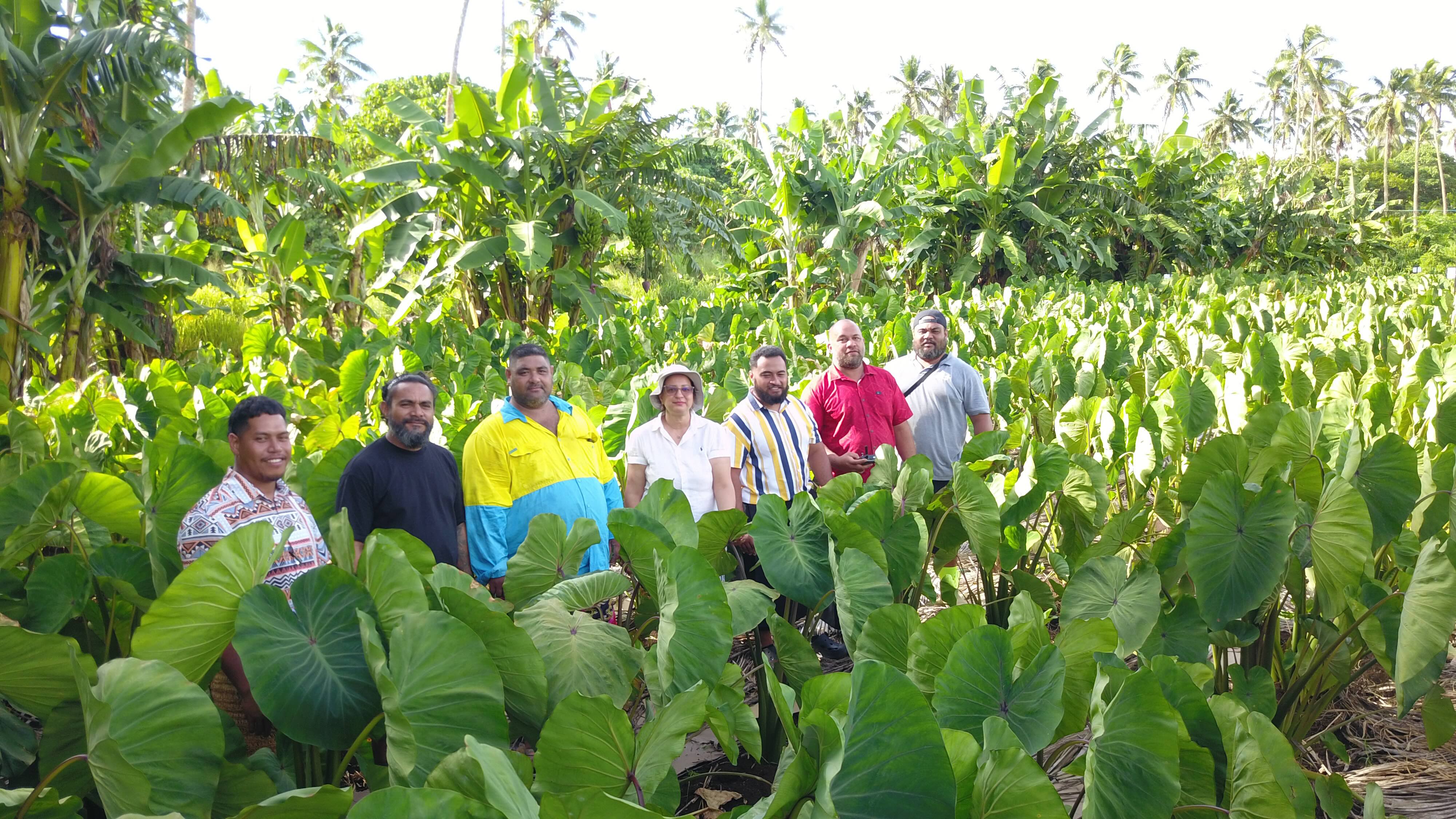
Farmers are now looking back to rediscover their ancestors' wisdom, while embracing new scientific ideas to farm sustainably and adapt to a changing climate.
For the past three years, our multinational research project has supported these efforts by working closely with farmers, researchers and government officials in Samoa and Tonga.
Led by the University of Melbourne, in partnership with the University of the South Pacific (USP), Samoa Campus, MORDI-Tonga Trust (MORDI-TT), and Lincoln University in New Zealand, the project demonstrates how traditional knowledge combined with Sustainable Agriculture Intensification (SAI) principles can create practical pathways to sustainable, resilient farming.
The SAI goals focus on raising productivity, increasing resource-use efficiency, and reducing the negative environmental impacts of agriculture – all critical elements of a sustainable farming future.
Combining the SAI goals with traditional knowledge is helping farmers better adapt to the pressing challenges of climate change, including drought, declining soil health and weed pressure (the percentage of weeds in the total volume of both crops and weeds in a given area).
On-farm experimentation
By working hand-in-hand with farmers through genuine co-design and local partnerships, we've built deep trust and a sense of ownership among participating farmers.
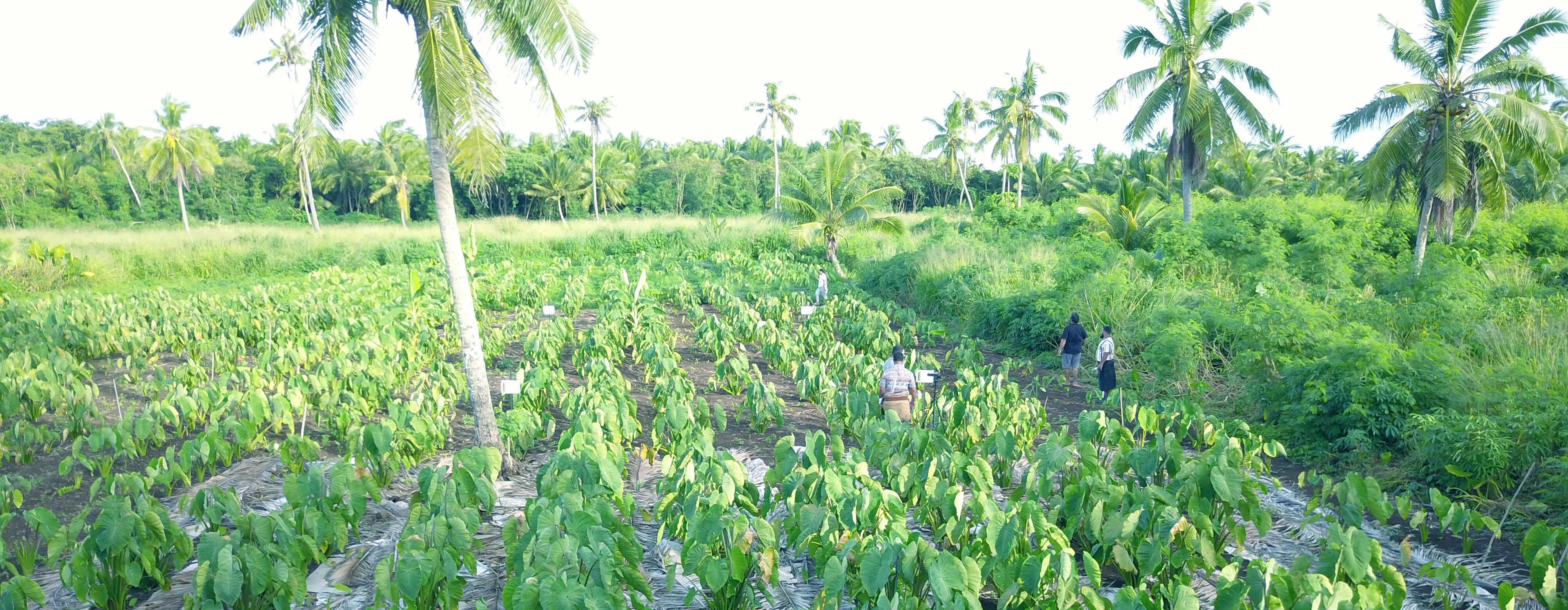
Each country has both farmer-managed trial sites and controlled research sites. Farmers test practices under real-world conditions, while research sites generate detailed biophysical data using the same treatments.
The trial sites test practices under real-world conditions, while research sites generate detailed biophysical data using the same treatments.
Together, these trials provide insights into both the practical application and scientific performance of SAI practices, providing a strong foundation for scaling up successful practices across the Pacific.
In both Samoa and Tonga, farmers face dual pressures of prolonged droughts and irregular rainfall, as well as rising costs of agricultural inputs, particularly herbicides.
SAI practices help address these issues by improving weed management, plant water availability, and soil health while reducing reliance on chemical inputs.
Lessons from Samoa
Taro (Colocasia esculenta) is central to Samoan diets and cultural identity and is also an important export crop. It is a carbohydrate-rich staple, consumed both fresh and in processed products like flour, chips, noodles and baby food.

Current techniques that use chemical weed killers to grow taro are costly and negatively affect soil health and the surrounding environment.
Now, farmers are trialling alternative weed control methods like mulching and sheep grazing, and then comparing these techniques with traditional hand weeding in taro cropping.
The integration of sheep grazing in particular is a new practice in traditional Samoan taro farming, offering an innovative approach to weed management.
The project has also trialled leguminous alley cropping, another relatively new practice in the region, where fast-growing leguminous trees like Gliricidia, Sesbania and Erythrina are planted to generate biological mulch for weed suppression and soil enrichment.
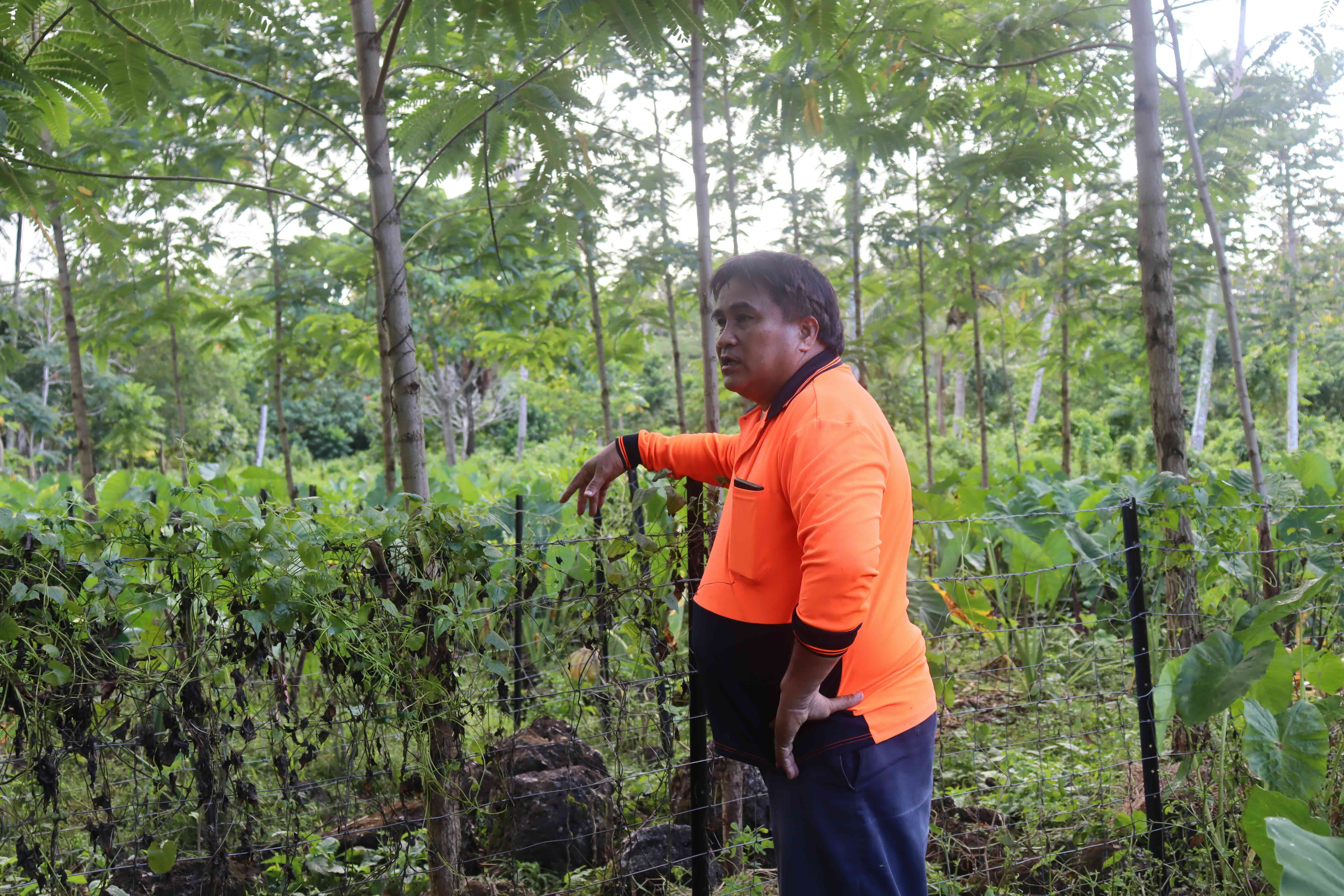
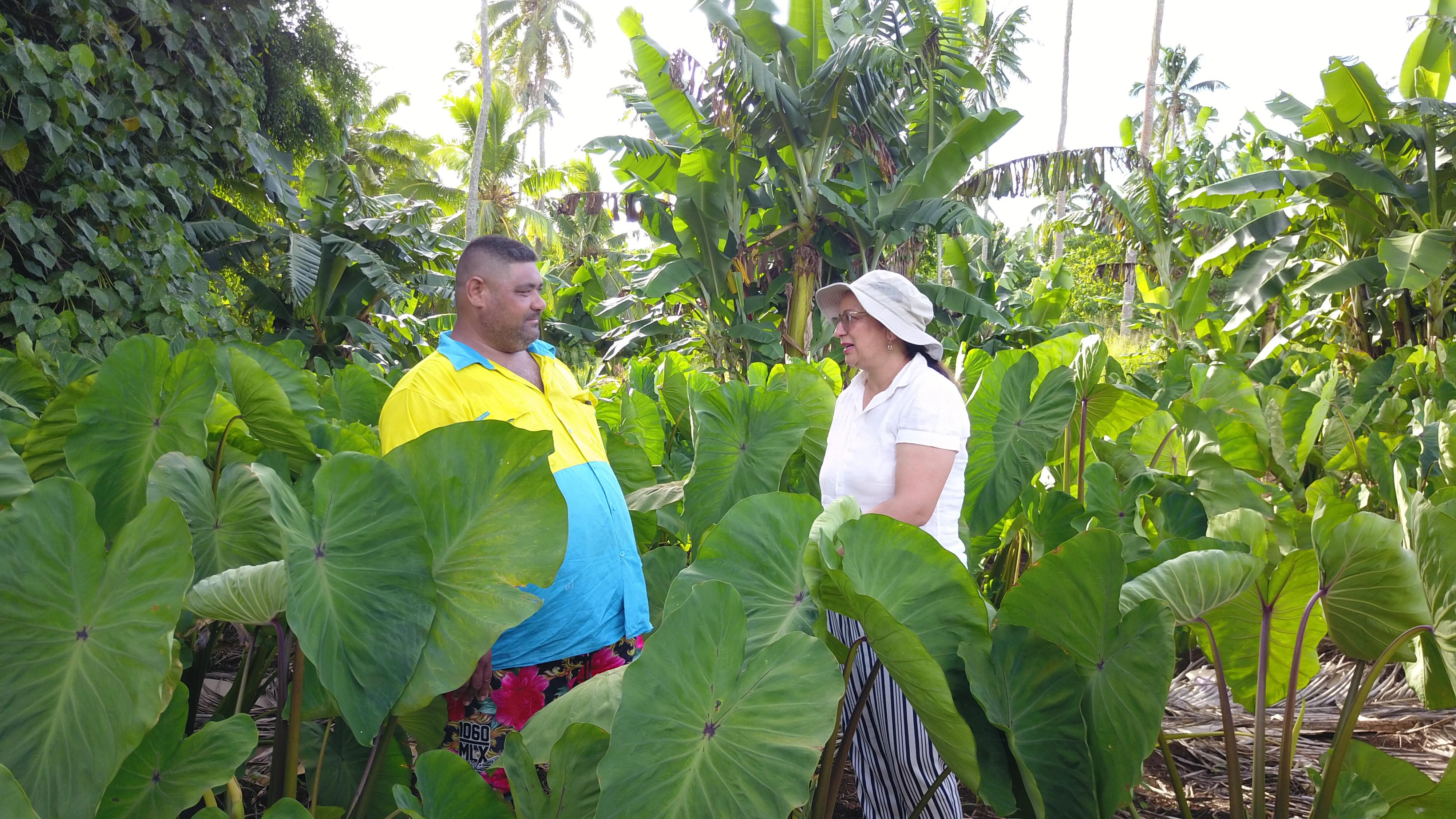
Mr Sala Sagato, the President of the Samoa Farmers Association, is hosting one of the sites and has championed mulching.
Environment
Farming the future
Mr Sagato says, “Weed killers cost a lot, and sometimes they don’t even work."
“With mulching and alley cropping, we keep the soil moist and healthy, and we don’t need to rely on chemicals anymore.”
Mr Tauiliili Polito Vili, also hosting a trial site, has said sheep grazing as a weed management practice is showing valuable benefits.
“Fencing keeps the sheep in and the pigs out, which used to be a big problem for my taro,” he says.
“Letting sheep graze means less hand weeding, less need for herbicide and an extra income from the sheep as well.”
Lessons from Tonga
At the Tonga farmer-led experimental sites, farmers have focused on mulching and intercropping in their traditional production systems, with yams and taro grown simultaneously on the same plot.
Mr Tevita Kata Finefeuiaki, a local Kauvai farmer, notes important gains from the participatory project trials.
“One of the main advantages of this project and collaborative work is the knowledge gained, especially seeing how yams produced abundant planting material for future crops.”
Mulching, a new practice on his farm, has led to higher crop yields than herbicide-treated plots, significantly enhancing his farming skills and confidence.
Mr Vitolio Ongolea, who is hosting another experimental site, highlighted the benefits of intercropping; in this case, simultaneously growing both bananas and root crops.
“It allows us to earn from both taro and banana, blending traditional knowledge with modern methods for greater resilience,” he says.
During the first cycle of yam cultivation, mulched plots produced noticeably larger tubers, providing evidence that mulching improves soil nutrient availability and crop performance.
Importantly, crop yields at the farmer-led sites in Samoa and Tonga are comparable to those observed at the main controlled trial sites.
So the evidence continues to show that SAI practices work well not just in controlled research plots but also under real-world farm conditions managed by farmers.
Building knowledge and resilience
Overall, early project findings show that combining SAI principles can improve soil health, enhance crop performance and boost resilience to climate variability.
There is also potential for immediate economic benefits for widespread transition of these practices.
Sheep grazing and organic mulching can significantly reduce reliance on costly chemical herbicides and labour, while also creating opportunities for additional farm income.
But the as-yet unpublished mid-project review has shown that widespread transition will require a more than this to move forward.
Scaled-up testing and capital support to have livestock and secure fencing are important parts of the expansion progress – so there is still more to do.
But lasting change remains the project's aim.
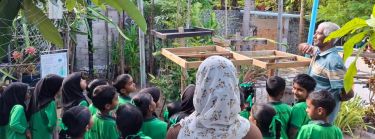
Capacity building of existing researchers, farmers and young graduates remains central to the project.
These insights will help guide future extension, co-design processes and policy support.
Through this partnership approach, this project serves as a model for the Pacific, demonstrating how traditional knowledge, science, and collaboration can create resilient, sustainable farming for local communities.
The project team is led by Associate Professor Dorin Gupta (Project Lead), Te’o Lau, Dr Viliamu Iese (Deputy Lead), Dr Leslie Ubaub (Country Lead, Samoa), and Associate Professor Soane Patolo Jr. (Country Lead, Tonga).
The project partnership includes the University of Melbourne, University of the South Pacific (USP), Samoa Campus, MORDI-Tonga Trust (MORDI-TT), and Lincoln University in New Zealand.
The CLIM/2020/186 project is funded by the Australian Centre for International Agricultural Research (ACIAR).