Sciences & Technology
AI must be built with Indigenous Knowledges, not against them


While artificial intelligence can help archaeologists, it can also spread pseudoscientific claims and false histories, stripping Indigenous Knowledge of context, consent and community control


Published 21 September 2026
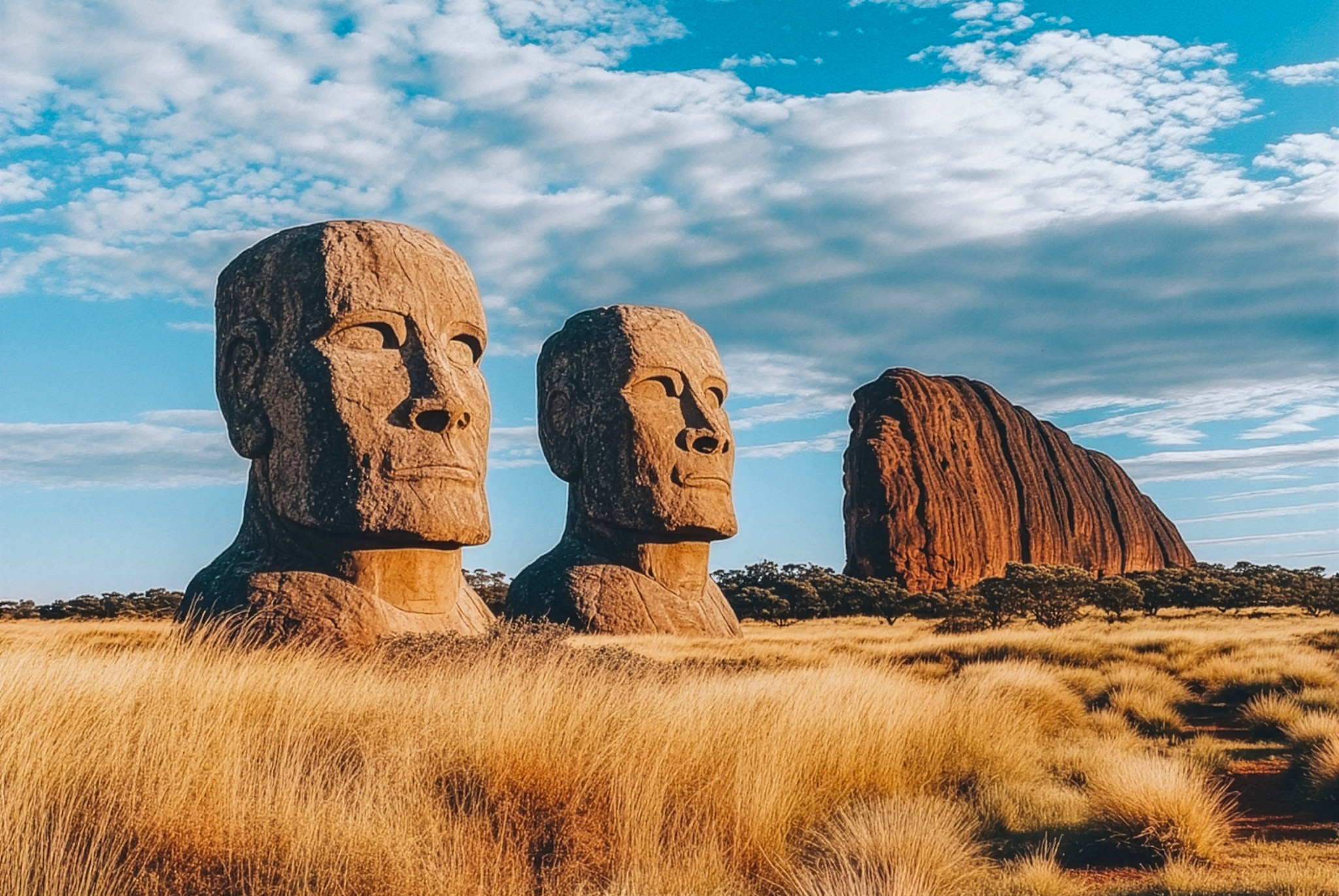
If you image search on Google for ‘cultural heritage Australia’, near the top of the results is a photograph of giant carved stone heads rising from a red desert.
They look ancient and real. But the image is a generative artificial intelligence (GenAI) fabrication that never existed, and it is circulating the internet as though it is a real record of Australia’s history.
While GenAI, the technology behind chatbots and image generators, has the potential to broaden access to knowledge, it can also popularise false histories and strip Indigenous Knowledge of its context.
It’s something that can undermine both scientific expertise and Indigenous authority.
As researchers, we are increasingly concerned about how these systems scrape and reuse Indigenous Cultural and Intellectual Property (ICIP) without consent.
So, how do we combat misinformation while keeping genuine scientific knowledge publicly accessible? And what do we give up when we share that knowledge openly, only to have AI appropriate it?
Sciences & Technology
AI must be built with Indigenous Knowledges, not against them
Archaeology has long attracted fringe narratives and pseudoscientific claims.
Pseudoscience presents itself as science while skipping the rigorous methods or reliable evidence that make science work.
Real science advances by correcting itself. As evidence accumulates, weaker ideas are discarded and disproven theories drift to the fringe.
Archaeology generates its own fringe whenever fresh discoveries overturn old interpretations. But some ideas persist.
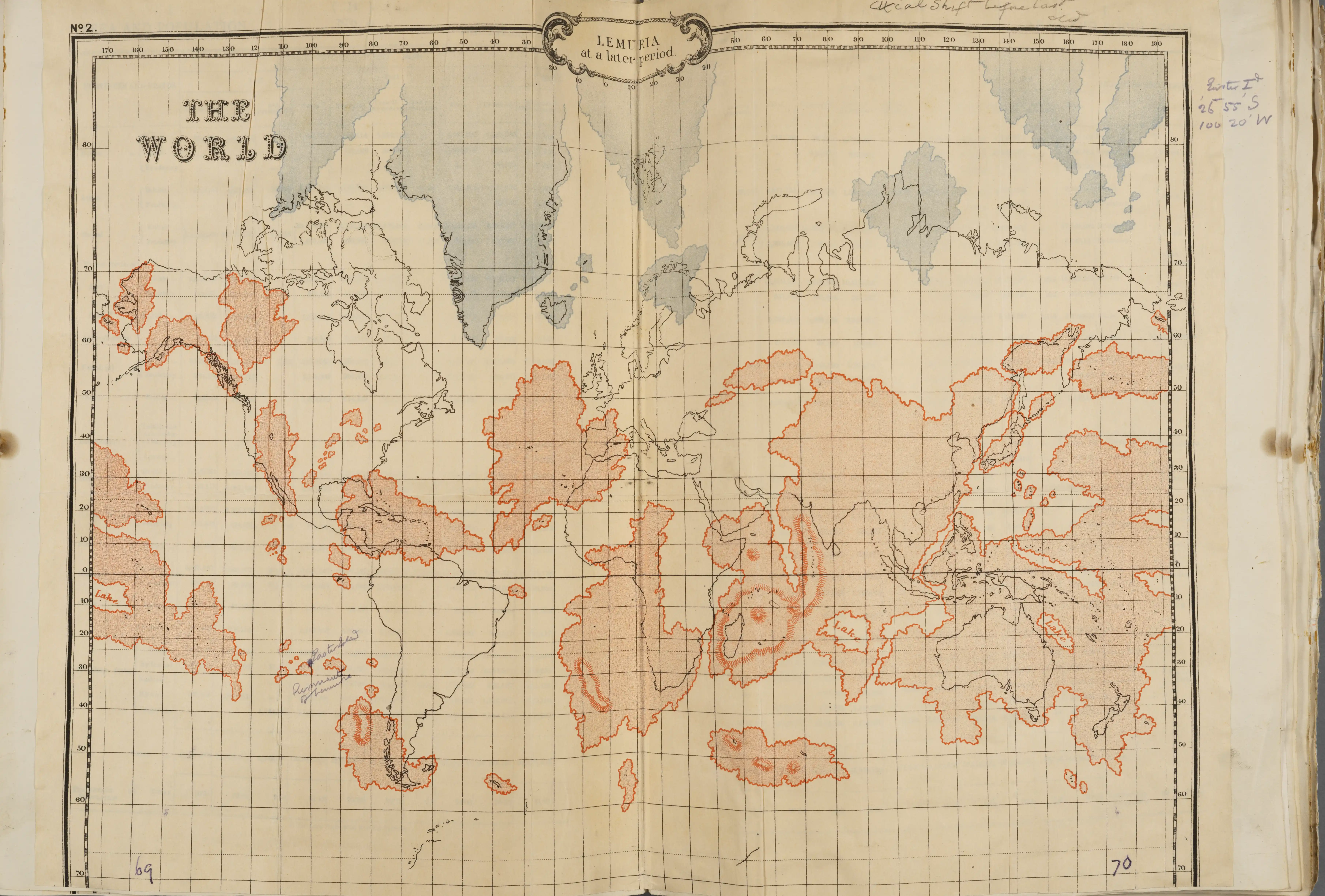
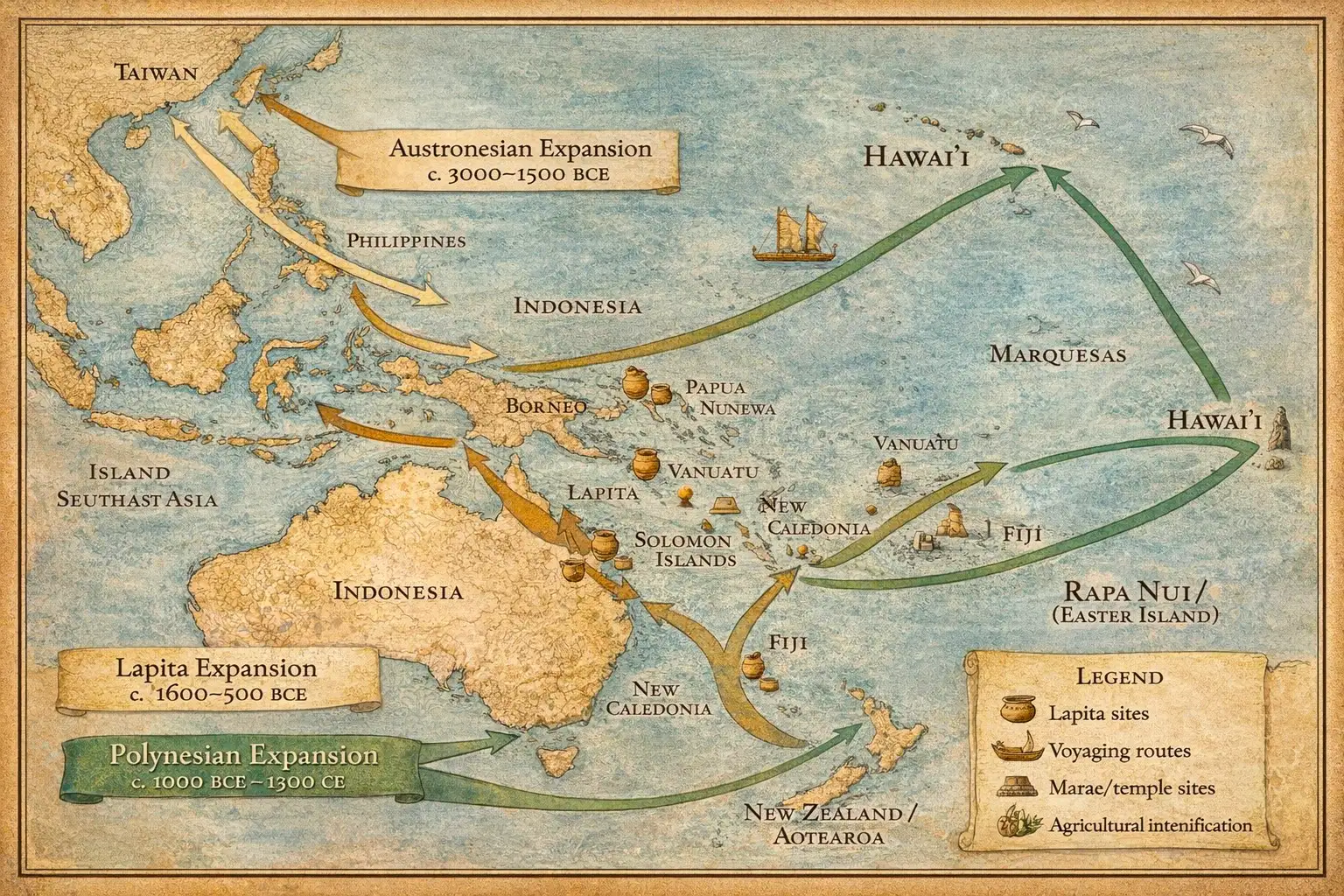
The so-called 'lost continents' of Mu and Lemuria have no scientific basis, but the myth of mysterious superior civilisations sunken in the Pacific continue to circulate today.
But pseudoscience is rarely harmless nonsense. At its worst, it has been used to decide who counts as fully human.
Doctrines like eugenics and Social Darwinism claimed scientific legitimacy while justifying systematic dehumanisation. Much of today's pseudoarchaeology draws on those same intellectual traditions.
Fringe narratives promise hidden truths, mystery and revelation, while careful archaeological work tends to be slower and more complicated.

Sciences & Technology
Why does artificial intelligence discriminate?
Stories about a lost civilisation or ancient aliens will usually beat an evidence-based interpretation for sheer entertainment.
The consequences are not trivial.
Fringe narratives erode public trust in science and expertise, as the relentless flat-earth movement shows.
And pseudoarchaeology has a long record of diminishing Indigenous histories. Some of the most remarkable monuments ever built have been credited to almost anyone but the Indigenous peoples who made them.
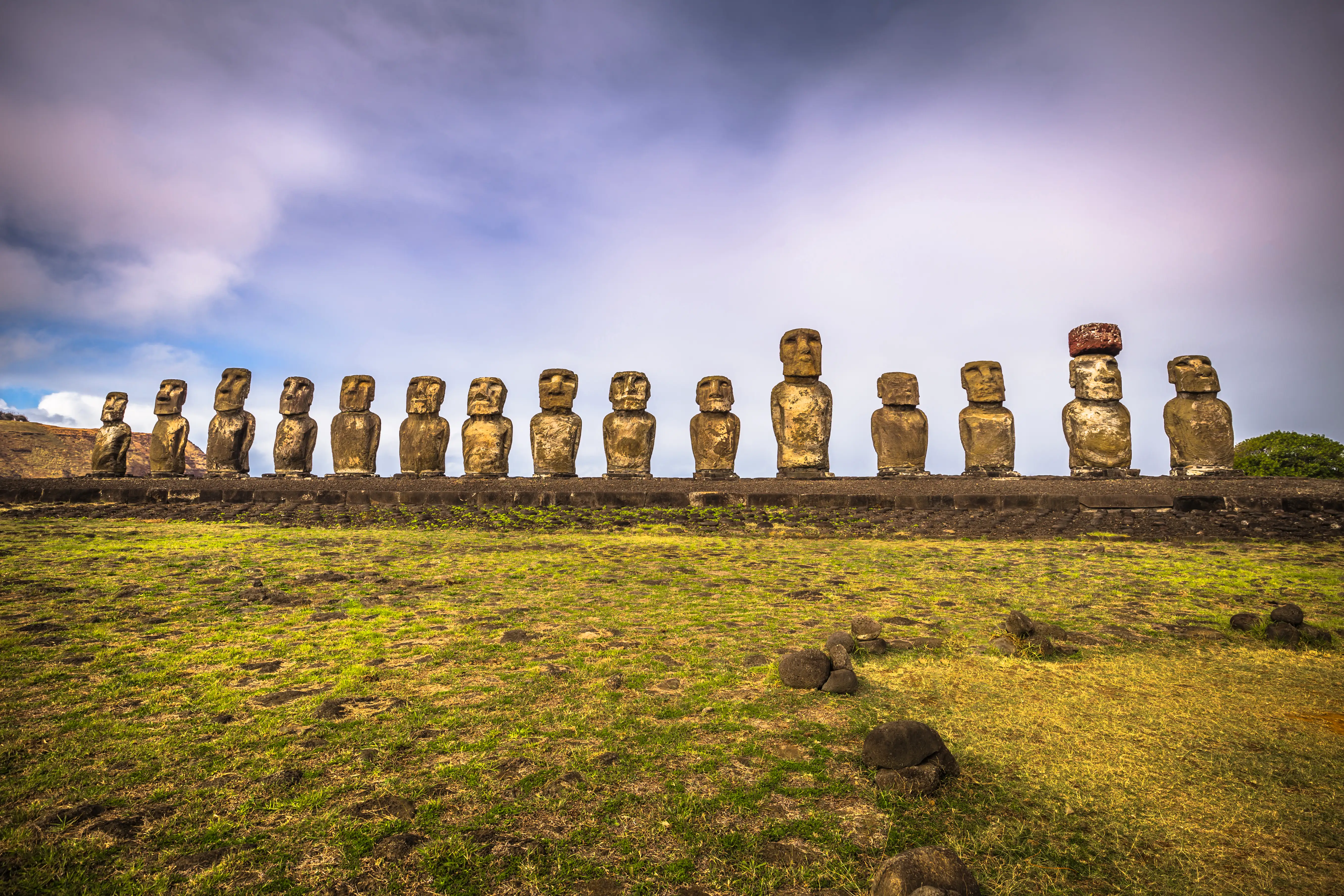
The moai of Rapa Nui, the great stone figures carved and hauled into place by Polynesian islanders, have been attributed to ancient aliens and lost civilisations in bestselling books and now in AI-generated 'histories'.
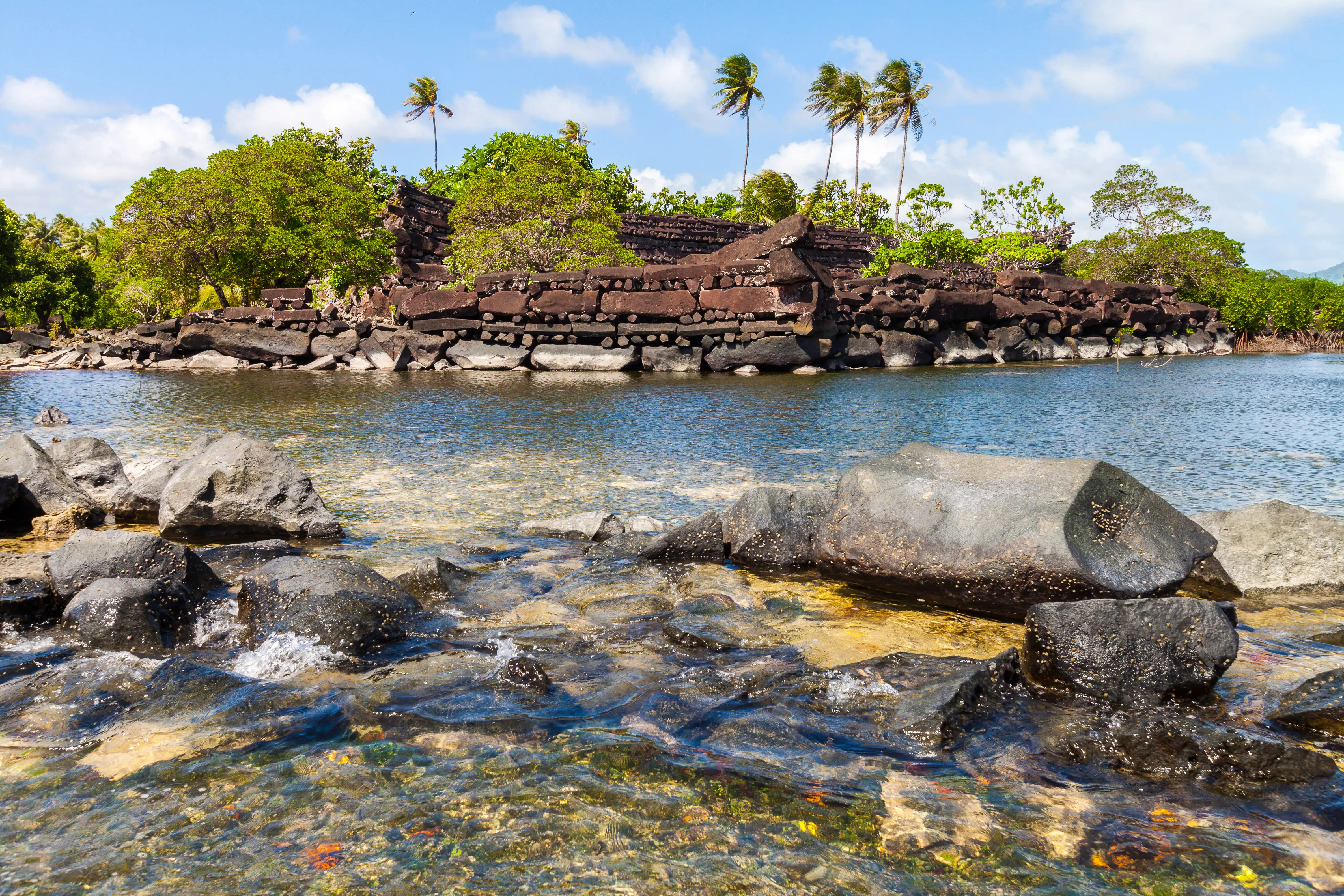
Nan Madol, a city of basalt raised on artificial islets in Micronesia, gets credited to a vanished ‘super race’ rather than the Saudeleur people who engineered it.
In the Kimberley in Western Australia, some say the exquisite Gwion Gwion paintings are the work of a mysterious foreign people, not the Aboriginal ancestors whose descendants still care for them. New Caledonia's petroglyphs attract the same treatment.
Each of these false histories severs living communities from their ancestral heritage and props up racist assumptions about Indigenous people’s capabilities.
Most GenAI systems learn from the open web, where misinformation and fringe theories flourish.
Sciences & Technology
Australia’s vast savannas are changing, and AI is showing us how
Unlike a researcher, these systems do not weigh evidence or test a claim. They predict the next plausible word based on patterns in their training data, which means they can reproduce something untrue with complete confidence.
Accuracy is only half the problem.
GenAI works at scale, compressing vast quantities of information into statistical patterns. Indigenous Knowledge works the other way. It is local, place-based and bound to particular Country and communities.
These are the qualities that give Indigenous Knowledge its strength, which are flattened by large-scale AI systems.
A model can absorb Indigenous Knowledge as training data with no consent, no acknowledgement, no compensation and no community control over how it is used next.
Our recent study found that AI can often tell scientific and Indigenous consensus apart from well-worn fringe narratives. But that ability relies on training data collected or reproduced without community permission in the first place.
Fighting misinformation means engaging the public, but if strong research is inaccessible, fringe narratives fill the gap.
Those narratives then go on to feed the next generation of AI training data.
Indigenous Knowledges reach well beyond stories and cultural expression into environmental records, landscape knowledge and data built through generations of relationship with Country.
Sciences & Technology
Restoring Australia's she-oaks means listening to Indigenous Knowledges
Indigenous Knowledges are not inert or ownerless information waiting to be mined. They are relational, situated and governed by protocols.
Many researchers in Australia and the Pacific have spent decades building trust with Aboriginal, Torres Strait Islander and Pacific Islander communities. These communities are now using AI themselves, for language revitalisation and for research that requires access to cultural archives.
When communities agree to publish, they are choosing to make their Knowledge public, on their own terms. What they have not agreed to is a machine stripping it of context and getting it wrong.
There are some practical steps research can take.
Research journals and repositories should require evidence of community permission before publishing Indigenous data and audit existing collections for their ICIP status. Universities and funding agencies should build ICIP into research design, ethics review and peer review.
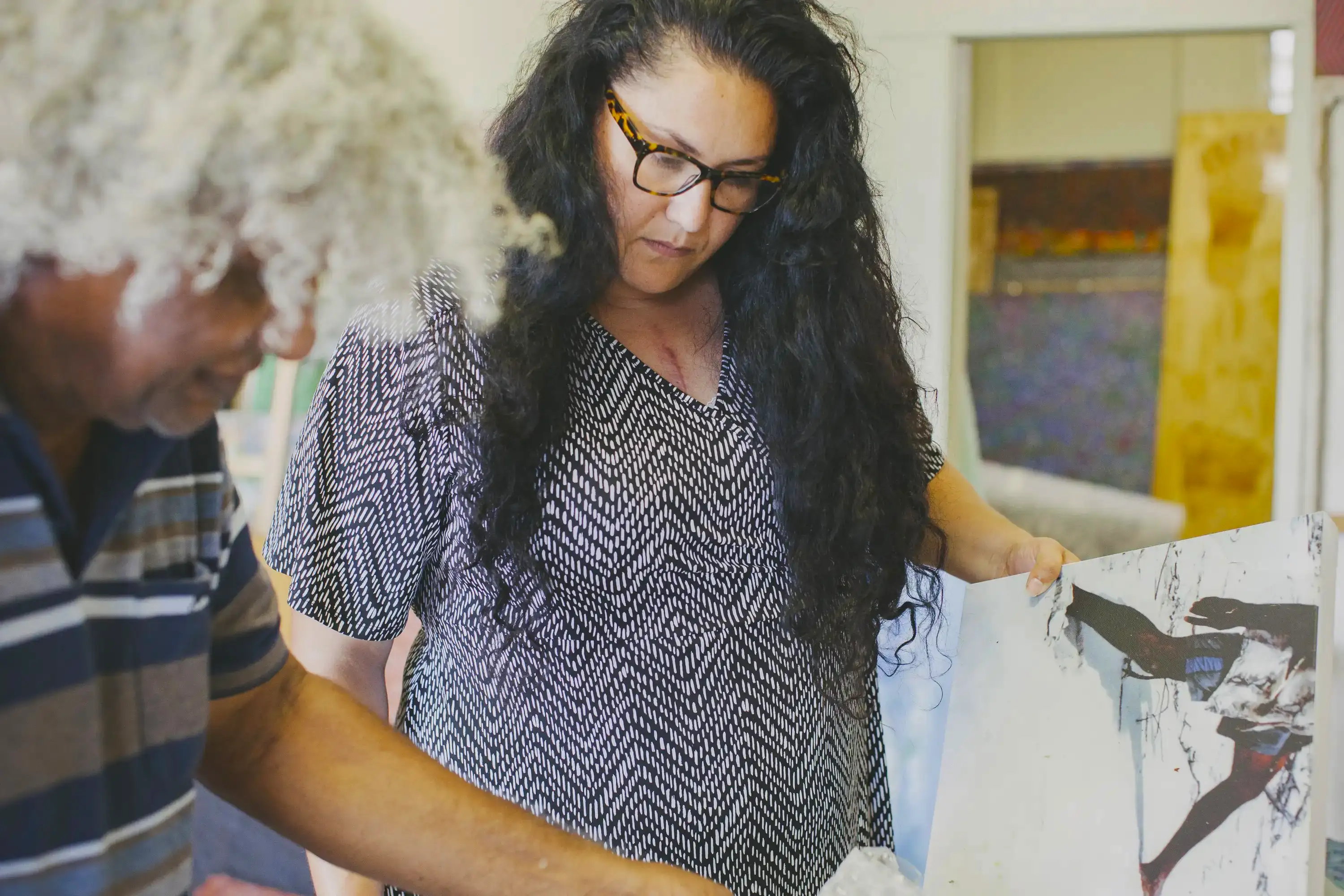
Above all, Indigenous communities must retain authority over how their Knowledge is interpreted and reused. That means true partnership, not tick-box consultation.
Despite its rapid advance, GenAI has not replaced expertise.
An Elder, Traditional Owner, Knowledge holder or scientist can be questioned, challenged and held accountable.
Their Knowledge grows out of lived experience, long relationships and responsibility. A chatbot offers none of that.
The real experts, including Country itself, are embedded in the lives and Knowledge systems from which understanding actually grows.