Sciences & Technology
A computer simulation is helping to prepare Australia for H5 bird flu


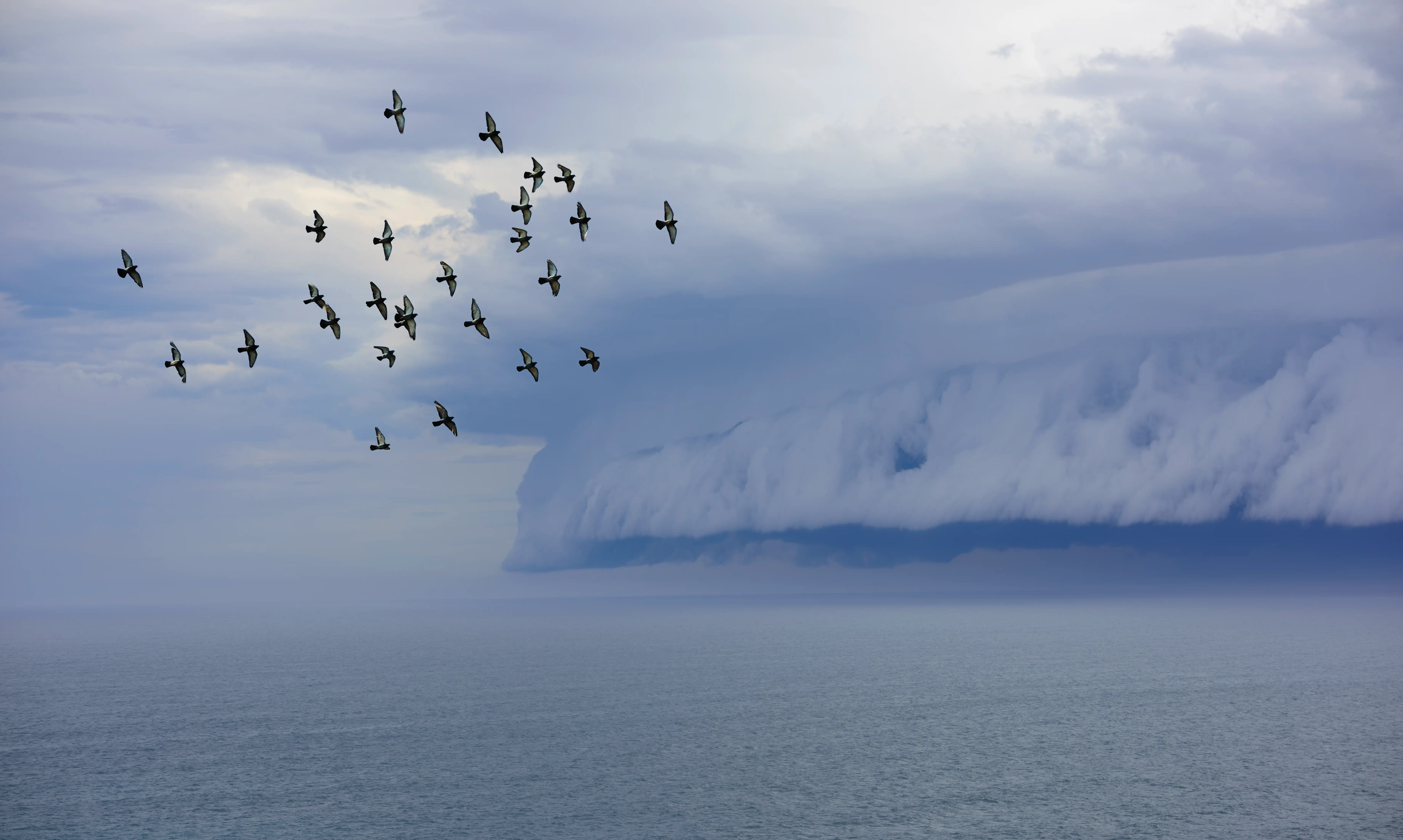
The H5 bird flu virus is in Australia, raising fears for wildlife, livestock and the nation's biosecurity. Here's what the experts say, and what you can do to help


Published 1 July 2026
Up until June of this year, Australia was the only continent on earth free of the devastating H5 bird flu. Sadly, that's no longer true.
The disease has been detected in more than 200 birds in Australia, with others undergoing further testing.
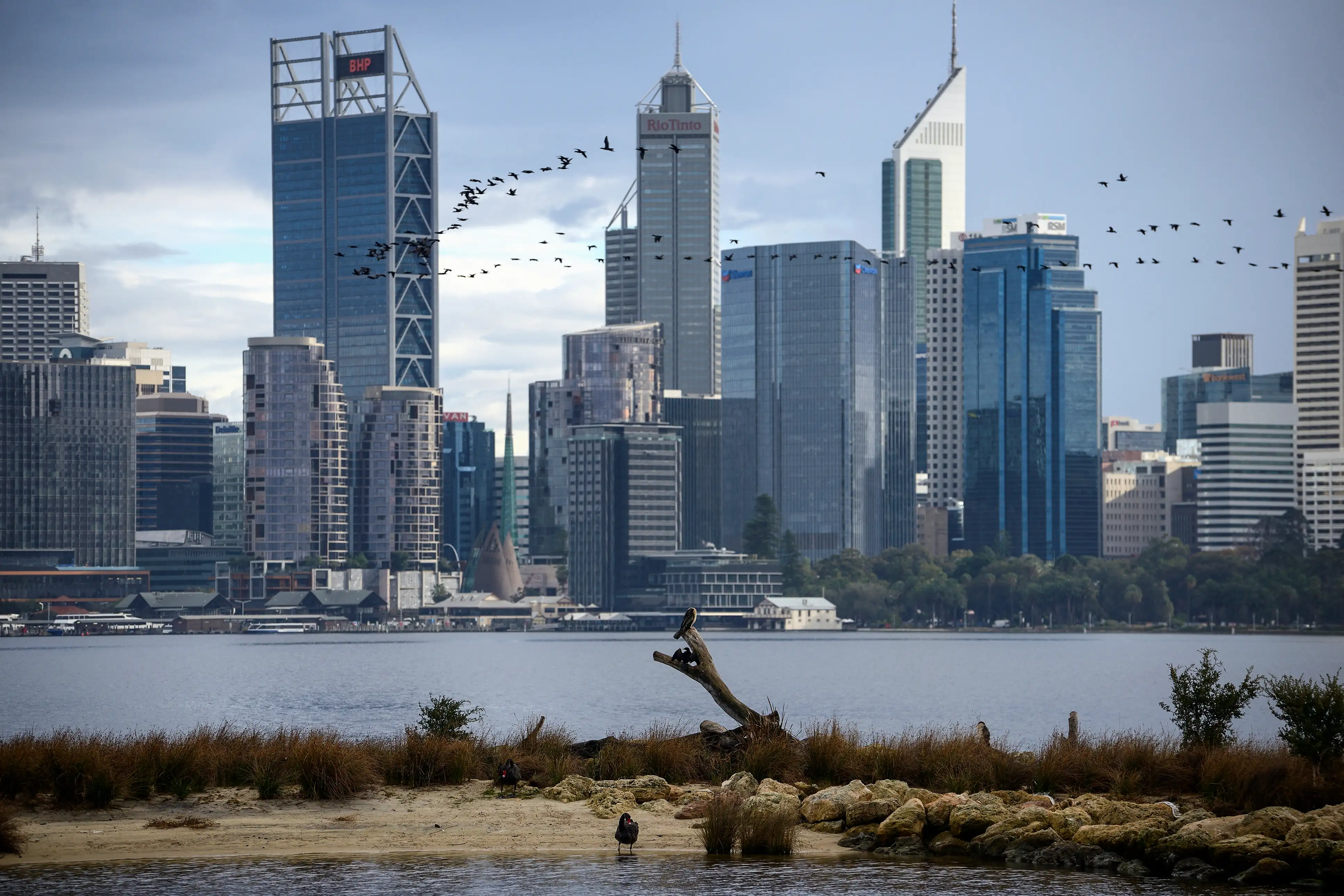
We’ve been expecting this, given the relentless global spread of the virus, but were hoping to avoid.
So, what do these detections mean? And what can Australia do to try to prevent the disease from spreading?
In many ways, H5 bird flu behaves like a bushfire.
The arrival of infected wild birds from overseas is like embers carried on the wind ahead of the main fire front. Each ember has the potential to ignite spot fires in new locations.
Sciences & Technology
A computer simulation is helping to prepare Australia for H5 bird flu
So far, Australia has been fortunate. The embers appear to have died out without sparking a larger outbreak.
But H5 bird flu spreads fast. The highly contagious strain causes severe disease and death in poultry, wild birds and a range of mammals.
A major concern is that a local bird scavenges from an infected carcass which has the potential to spread the virus further into our wildlife or poultry populations.
If we look back at lessons from the past, the lethal H7 strains of avian influenza responsible for the 2024/25 bird flu outbreaks in Victoria and New South Wales mainly impacted poultry.
H5 is different. It has a far wider host range, raising the risk of larger and more complex outbreaks.
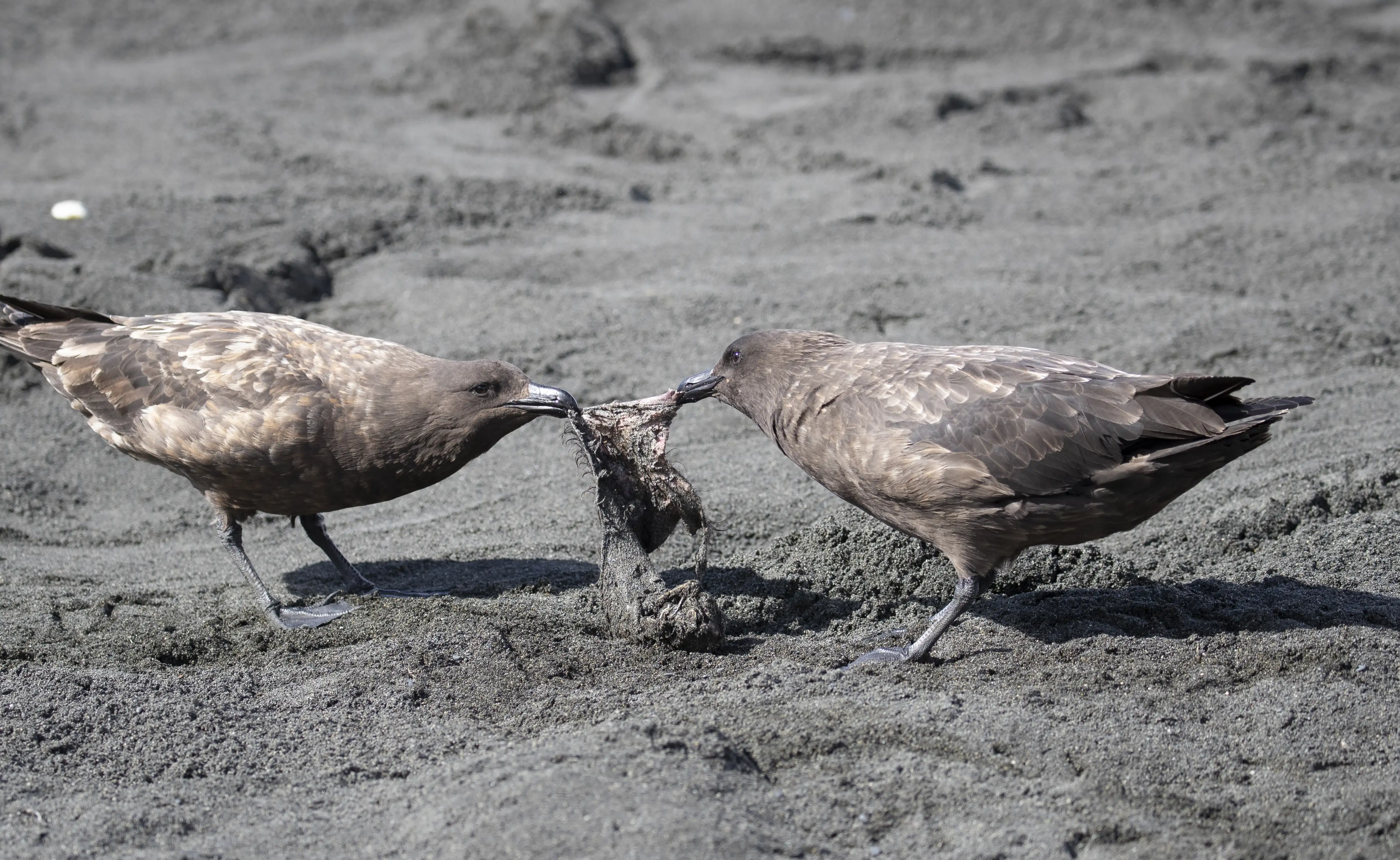
The virus has the potential to cost Australian livestock industries billions and cause profound damage to Australia’s vulnerable native wildlife.
While human infections are possible, deaths linked to the virus are rare.
One thing is worth stating clearly: you cannot catch the H5 bird flu from commercially purchased poultry meat or eggs.
Australia has been preparing for H5 bird flu for some time.
Part of this preparation has involved understanding possible pathways of entry, testing outbreak scenarios, as well as educating the community and veterinary networks to act as ‘eyes on the ground’.

Sciences & Technology
Could Australia avoid egg shortages with better biosecurity?
Surveillance by the community is often the way we discover new pests and diseases in our country.
In fact, it was reports from the community that led to the first detections of red imported fire ant in Queensland, and of the polyphagous shothole borer in Western Australia.
That same community awareness could play a critical role in the detection of H5 bird flu.
Finding and removing these first infected birds is like putting out those potentially dangerous spot fires caused by embers from the global H5 bird flu bushfire.
The first detection of the virus in Australia was made by an off-duty vet walking along a beach. There are now hundreds of additional reports of sick and dying birds coming in from the community.
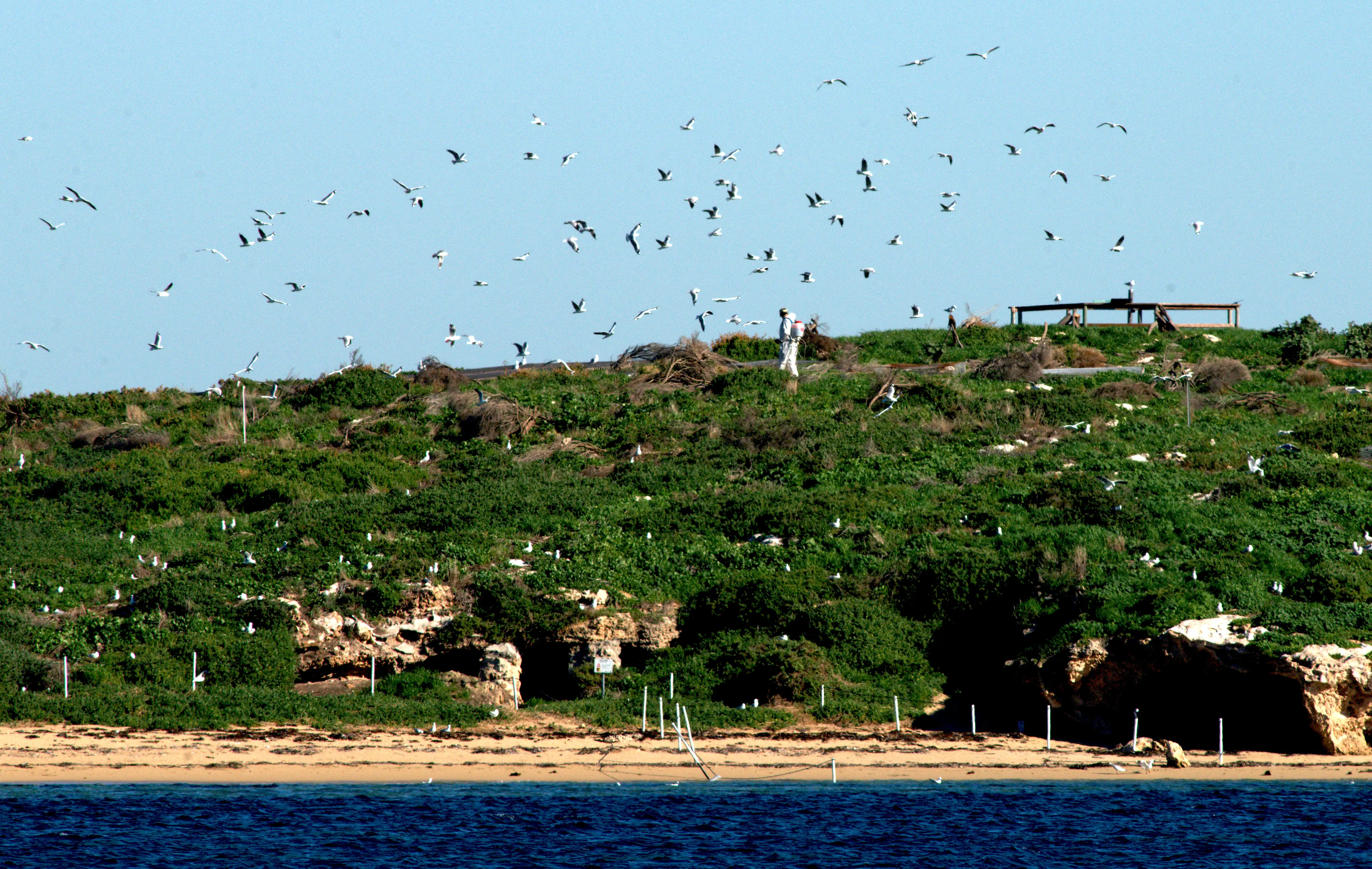
The level of community vigilance providing vital information is reassuring, suggesting we may be able to understand the extent of the problem quickly.
Building upon years of planning and preparedness, government and affected industries are being proactive through enhanced surveillance, reporting campaigns and increased biosecurity measures.
Should the virus spread to poultry farms, this surveillance would intensify to detect any further spread as fast as possible.
Using models to simulate outbreak scenarios can help with the effectiveness of the response effort.
This can then ensure that resources like veterinary staff and equipment are deployed where they are needed most.
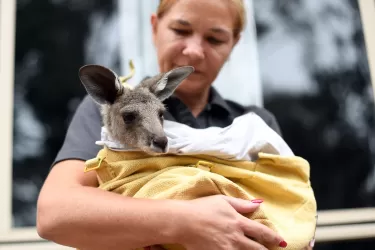
Well-practiced response plans, complemented by epidemiological modelling, are key to guiding efforts to contain and eradicate the disease.
If you're familiar with biosecurity, you'll know the price of peace is eternal vigilance.
Right now, that means keeping watch for sick or dying birds, particularly in areas most at risk.
If you see a sick or dead bird or animals, make sure to follow these steps:
Do not touch sick or dead birds or animals
Record details and take photos or video
In Australia, report the animal to the Emergency Animal Disease Hotline on 1800 675 888.
The H5 bird flu is a serious disease, but we can all help to minimise its impact on our livestock industries and Australia’s unique wildlife.