Politics & Society
Instead of demonising BMX riders, councils could try working with them


Building community, confidence and resilience are integral for the psychosocial health of people with disability. And you can find them all in BMX


Published 15 May 2026
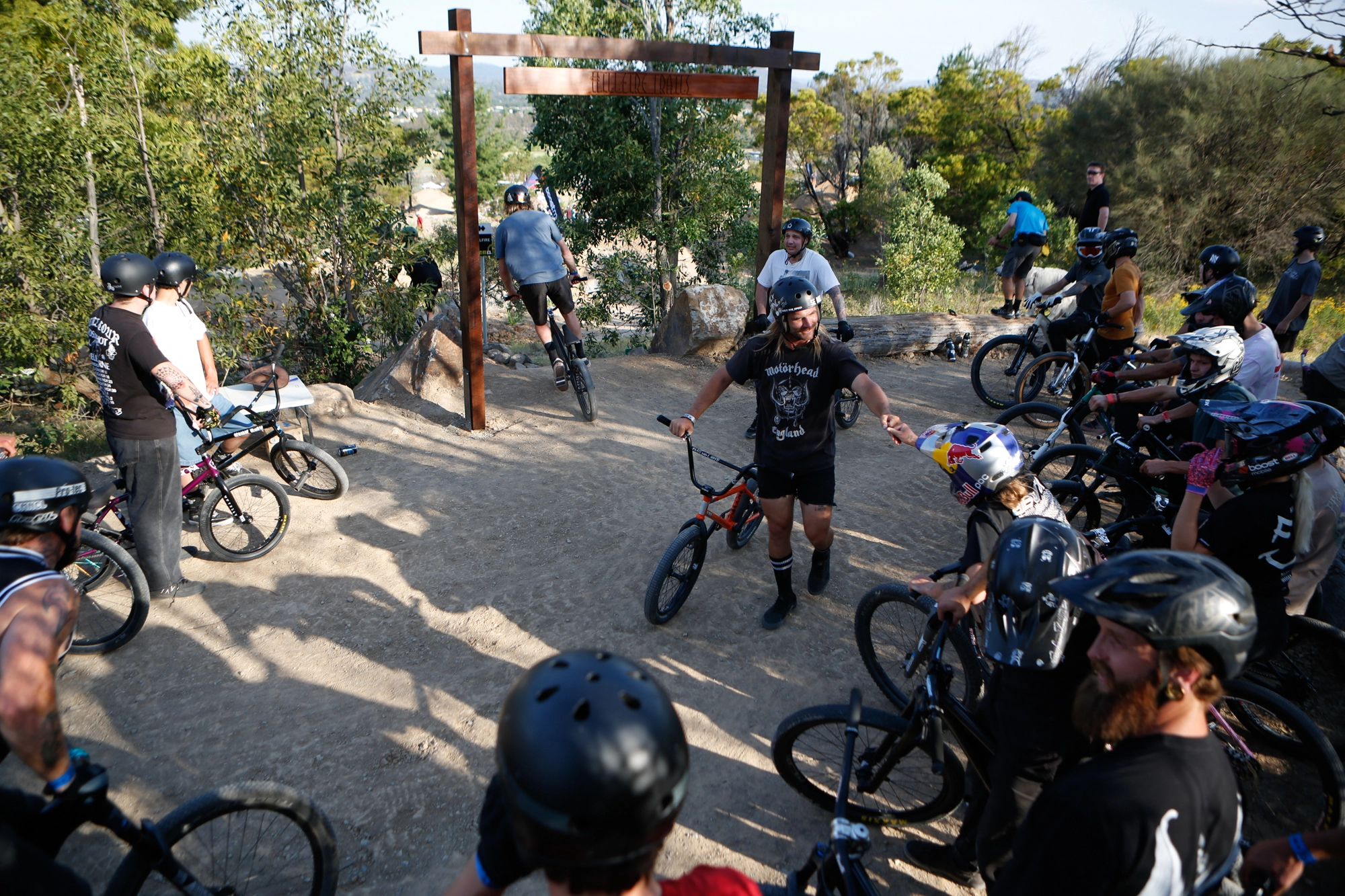
At skate parks, dirt jumps and racetracks around Australia, inclusion is made in the moment – by peers who encourage, coaches who spot and by digging crews who build and adapt trails, dirt mounds and makeshift bike tracks to fit the community.
No matter their age, skill level or background, those who ride Bicycle Motocross (BMX) find acceptance and support in these spaces.
In our latest project, we teamed up with BMX riders who live with disability, putting their voices and experiences at the heart of the research so we could learn what riding – and belonging – looks like to them.
We heard stories of small, everyday occurrences – acts of encouragement, spotting and guidance – that form the cultural mechanisms for BMX riders with disability to learn, experiment and stay involved.
Our research showed that BMX gets a lot right. But it’s important that this translates across every aspect of the sport, from local parks and race tracks right up to the big stage.
BMX spans racing, park, street, vert, flatland and dirt disciplines. That variety matters.
It creates multiple ways to belong and be creative while having fun and staying fit, combining DIY practice, peer learning and tight local networks.
For many riders, BMX is a social milieu where skills are learned informally, identities are negotiated, and access to appropriate spaces and supportive peers shapes ongoing participation.
When riders describe belonging in BMX, they rarely talk about formal policies.
Politics & Society
Instead of demonising BMX riders, councils could try working with them
Exclusion, in fact, often emerges when systems assume one ‘standard’ or ‘normal’ body and one ‘right’ way of learning or developing – othering people who express ability differently.
Grassroots BMX resists that logic.
Through peer learning, DIY adaptation and connection to a crew, inclusion grows out of everyday practice rather than being granted as an exception.
One participant in the research said it perfectly: “It doesn’t matter who you are. If you ride bikes, you ride bikes, we’re friends.”
ParaBMX, also known as adaptive BMX, is an emerging sport internationally.
While BMX is an Olympic sport, the Paralympics remain an aspiration and national level racing is the highest regulated tier.
There is growing international support for the freestyle discipline, but currently opportunities to progress from grassroots involvement to higher levels are scarce.
What our research showed does exist, however, is a culture of support and inclusion for people with disability that in many ways exceeds that of the performance and skill-focused structures of institutionalised sports.
Informal social learning and low‑cost entry let riders adapt, practice, experiment and discover valued roles – like a mentor or builder – that exist outside conventional sport structures.
The sense of belonging, confidence, resilience, and creative risk management that are central to BMX contribute to positive psychosocial outcomes.
Informal pathways and connected communities allow riders to explore individualised skill acquisition with no limits, helping to bridge the gap after programs stop at the beginner level.
Importantly, BMX attracts people who don’t fit elsewhere. This subculture creates independent spaces where riders choose how to use their body and what bodily expressions define their identity.
When these key avenues for inclusion failed – for example, when a rider's level of disability was questioned in competitions or at the local park – it was the community of peers, mentors and close crew who most often stepped in to support the rider.
When peer‑led learning is the default for riders with disability, individual adaptation is normalised.
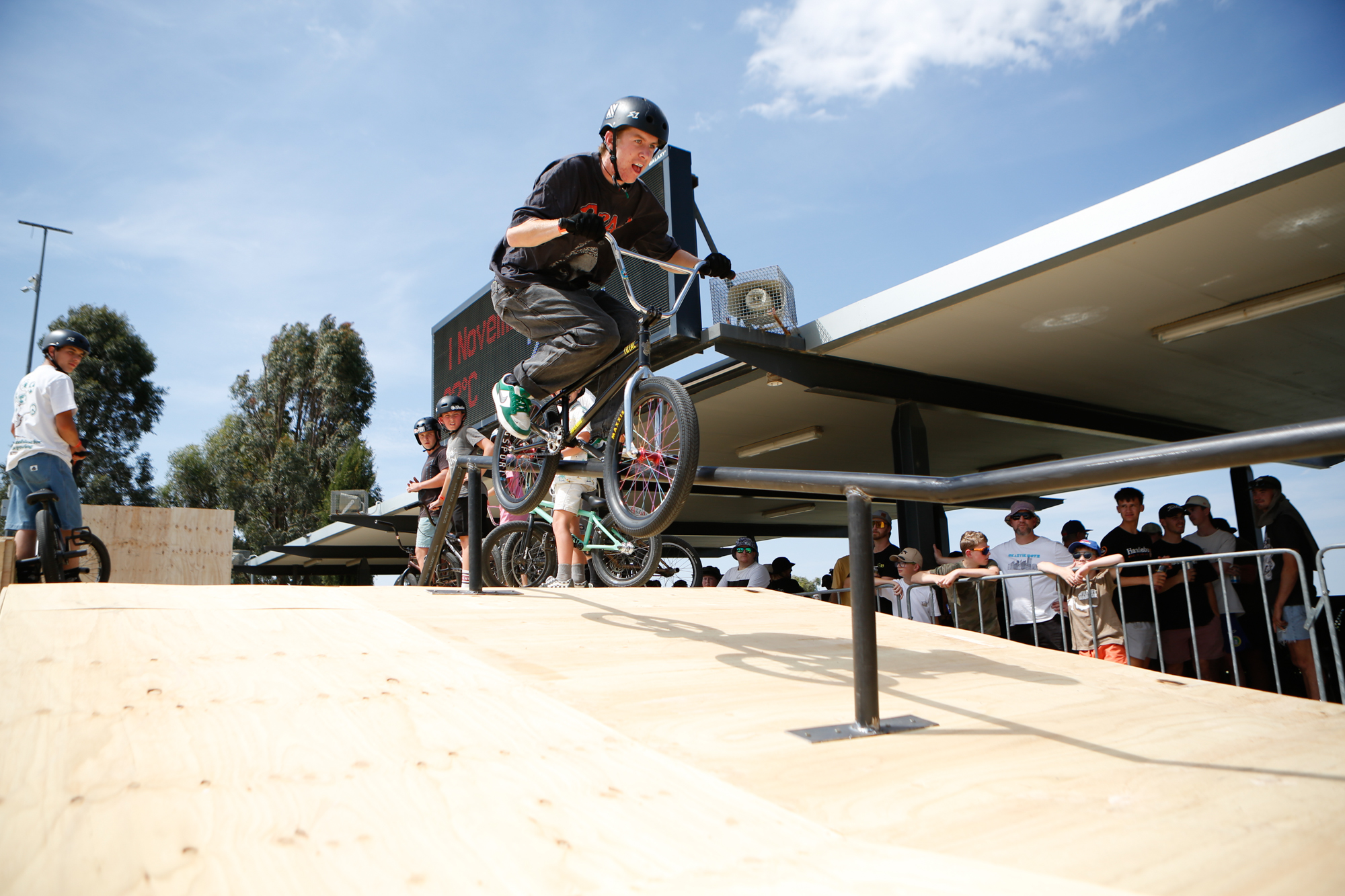
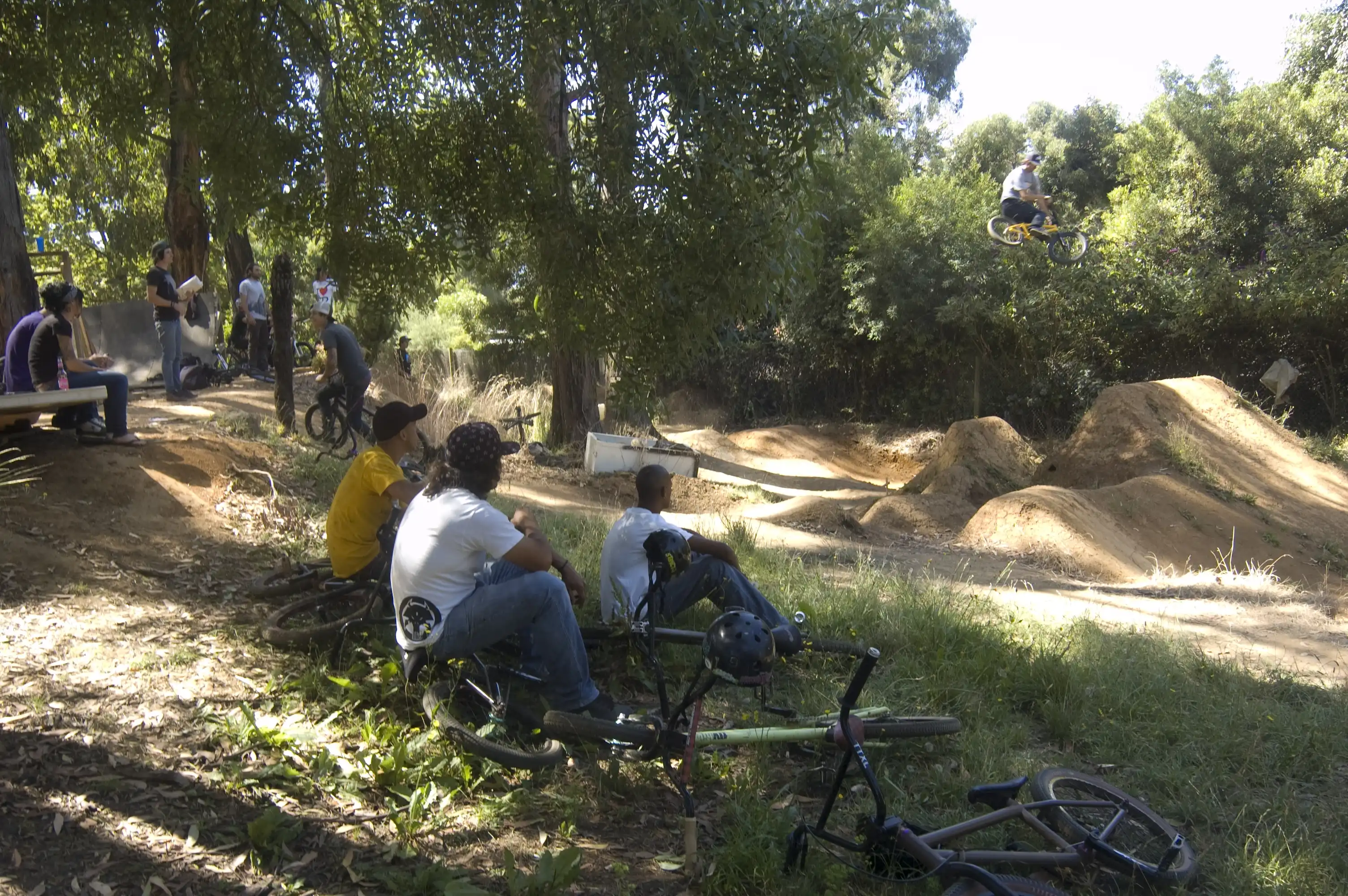
Riders learn by watching, copying and then making moves their own. They swap tips, offer encouragement and coach each other through failures until they find what works.
Coaches can also play an important role in building skills and a sense of belonging, but are often limited to formalised and elite pathways.
When risk is the starting point of learning, resilience and skills are built organically.
Riders push the limits of what is possible to become more competent and confident on their bikes. Experienced riders spot attempts, give hands‑on guidance and scaffold graded risks.
This risk-negotiation aligns with outcomes prioritised by families and allied health professionals working with young people with disability.
And finally, community involvement creates opportunities to participate.
Health & Medicine
“Come on, let’s go!” Helping kids find joy in physical activity
Grassroots crews, DIY jumps and local jams produce riding environments tuned to real needs. When crews are included in planning and maintenance, spaces and events remain accessible, relevant and fun.
The belonging riders experience can translate into wellbeing, fitness and lifelong relationships.
When policymakers frame inclusion as public health infrastructure – not a niche concession – they can fund cultural practices that already work, like mentorship, peer learning and DIY stewardship.
BMX builds agency. Participation is strongest when children can choose activities that fit their comfort, fatigue and pain profiles.
For many people we interviewed, the everyday life of BMX – the weekend at the local bowl, the community events, the DIY dirt line down the road – simply worked.
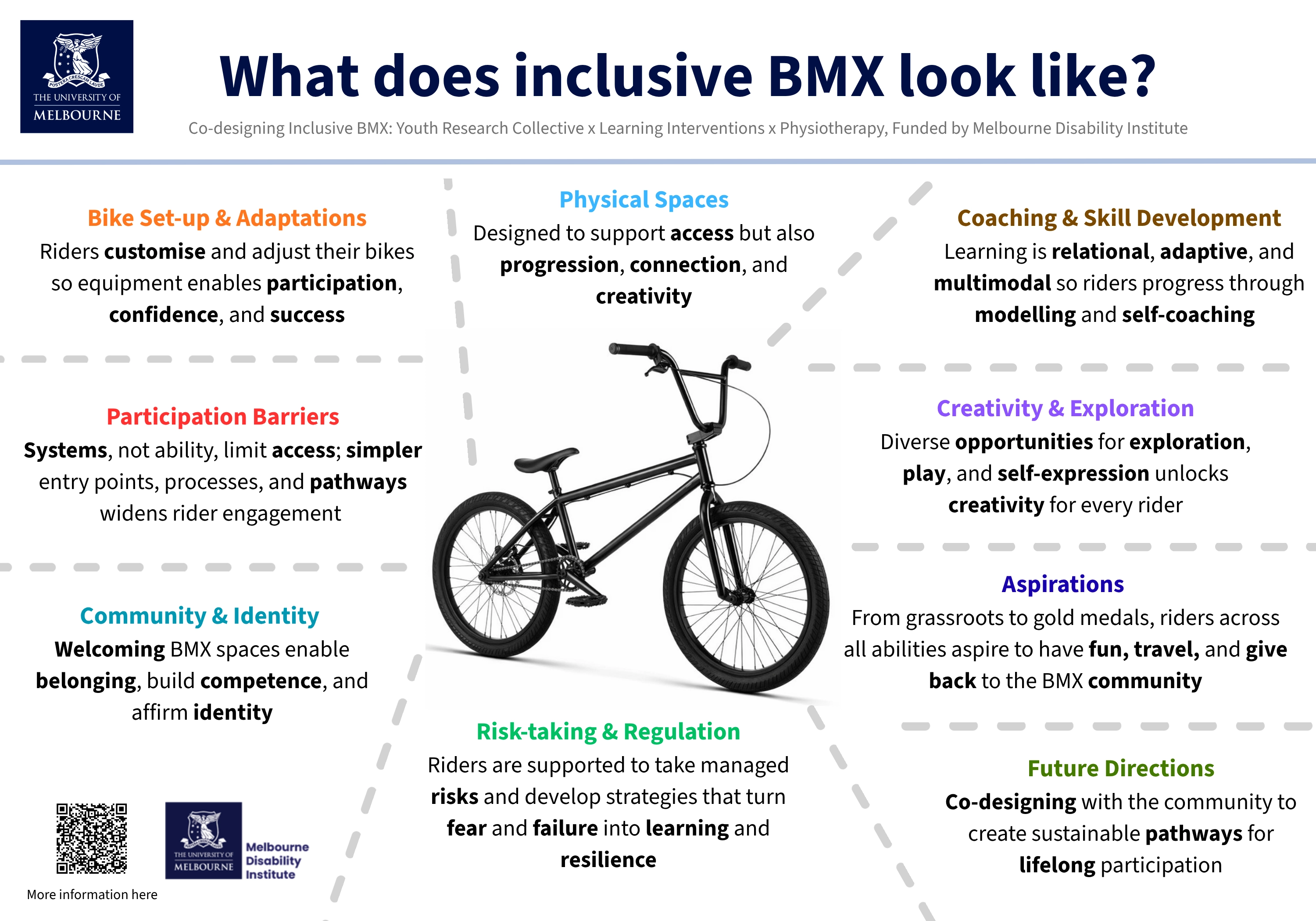
That day‑to‑day BMX culture treats people as riders first, and this rider‑first logic flips the inclusion script.
It’s humbling to watch a rider with one leg pull a line most of us can’t – you notice the skill and the nerve, not the disability.
Our research shows that BMX so often gets it right when it comes to inclusion for people with disability, especially at the grassroots level – and if ParaBMX finds its way to the world stage, we hope those integral community values go there with it.