
Health & Medicine
The young people getting nature on prescription



New infrastructure is building '20 minute cities'. Beyond practical benefits, this approach is likely to offer considerable social and personal value – gains yet to be fully measured


Published 6 October 2026
It’s often the sight of heavy digging machinery that makes us question how our taxes and rates are being spent.
As a new project begins, we may wonder why money is being spent on that and not on other things.

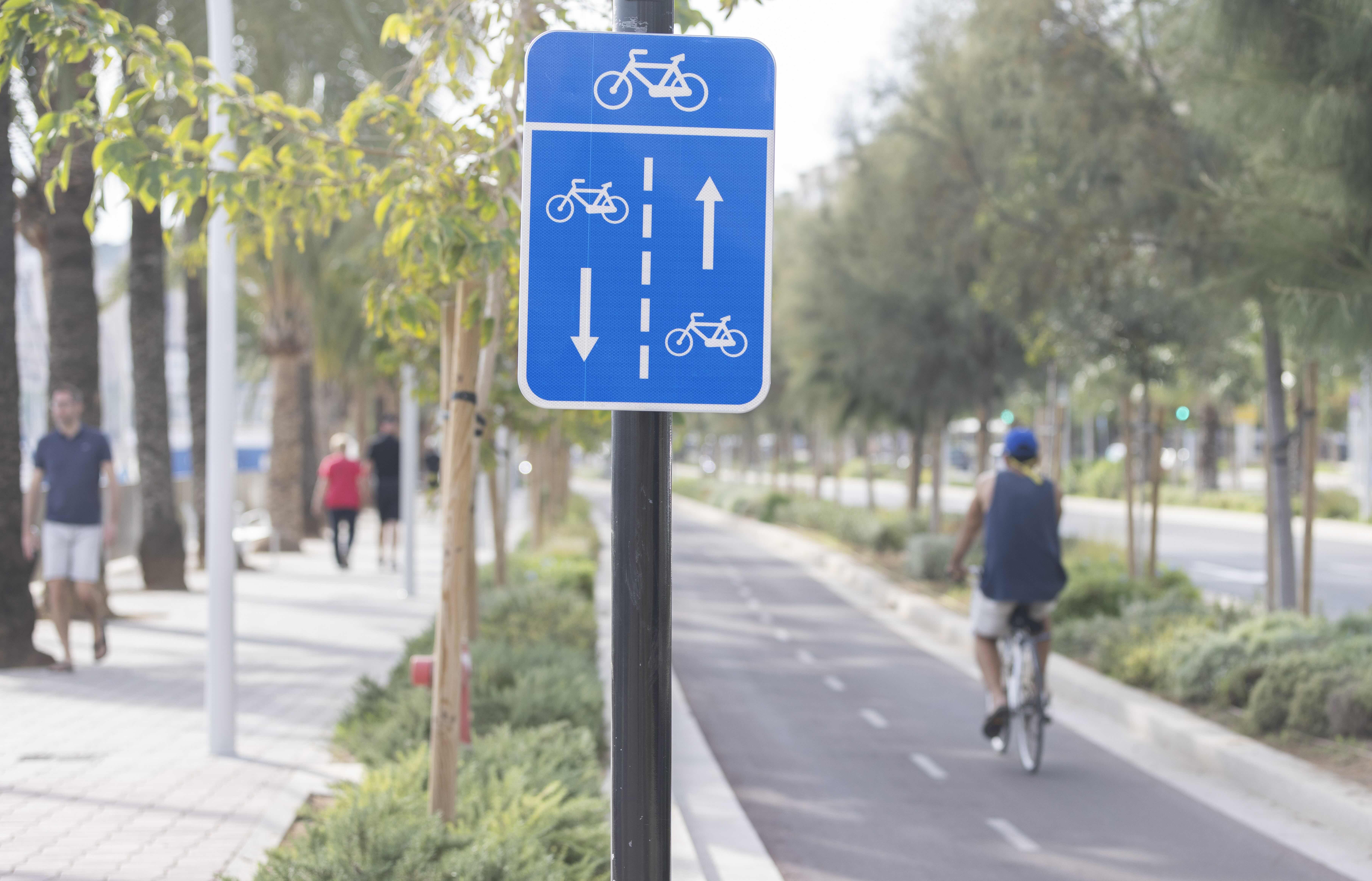
When governments decide whether to fund a new bike path, redesign a street or create a park in a growing suburb, they typically focus on travel-related benefits, like saving travel time and avoiding accidents.
These benefits (known as benefit measurements) often focus on simple, practical elements, on getting from A to B.
Sometimes benefit measurements also include life satisfaction ratings, how a project impacts third parties and environmental impacts. These measurements have been central to the design of 20-minute cities in recent years.
But new research from the University of Sydney and the University of Melbourne suggests that we are leaving out a very important wellbeing calculation – and it could be worth even more than what we're currently measuring.
Health & Medicine
The young people getting nature on prescription
Most of us intuitively understand that a good life involves more than feeling satisfied.
For example, a good meal or a sunny afternoon can be pleasurable (or hedonic) but fleeting. A more long-term experience that goes beyond this hedonic state is called eudaimonic wellbeing.
This form of wellbeing includes things like gaining a sense of purpose through connecting with loved ones, engaging in meaningful work and contributing to the common good.
Both aspects of wellbeing matter, but when transport planners and urban designers assess the value of a project, only ‘life satisfaction’ benefit measurements have been given a dollar value.

This is mainly because life satisfaction aligns with economists’ traditional notion of ‘utility’, referring to factors like usefulness and other practical benefits.
This led to our work on the estimation of monetary values for changes in life satisfaction, where we looked at changes in wellbeing.
These assigned monetary values have been used, for example, in cost-benefit analyses in Australia, and more commonly, in the United Kingdom.
The UK and Australian value changes in life satisfaction are remarkably similar when expressed as a proportion of household income.
However, longer-term eudaimonic factors have not been monetised and largely remain invisible in economic terms.

Our new study shone a spotlight on this under-examined area.
We found that income reduces the risk of social exclusion, as does wellbeing. Making more trips, having strong social networks and feeling connected to one’s community also reduces the risk.
By comparing income with the benefits of eudaimonic and hedonic wellbeing, we inferred a monetary value for a unit change in each.
We measured eudaimonic wellbeing using Ryff’s Psychological Well-Being Scale, which includes six dimensions: purpose in life, personal growth, positive relations with others, self-acceptance, autonomy and environmental mastery.
We then measured life satisfaction across seven life domains using the Personal Wellbeing Index. These include standard of living, personal relationships and community connectedness.
The results were illuminating.
When we controlled for other influences, a one-unit improvement in eudaimonic wellbeing was worth roughly AUD$273 in 2008 prices (measured on a scale range of 0-6). This is equivalent to around AUD$387 in 2023 prices.
This is nearly three times the AUD$93 value estimated for a unit change in life satisfaction (scale range 0-10).
Because the two scales have different ranges, a one-unit increase in eudaimonic wellbeing will be harder to achieve than a one-unit increase in life satisfaction.

The difference in values is striking and highlights the importance of improving eudaimonic wellbeing.
When we modelled both measures together, the values fell somewhat because the two concepts overlap in some measures. But eudaimonia remained substantially larger.
These implications are relevant for everyday decisions.
Governments worldwide are increasingly investing in what planners call ‘15 or 20 minute neighbourhoods’, which enable residents to travel to satisfy most needs within this time frame.
These initiatives are typically justified on narrow grounds, like reducing reliance on cars, lowering emissions and saving journey time.
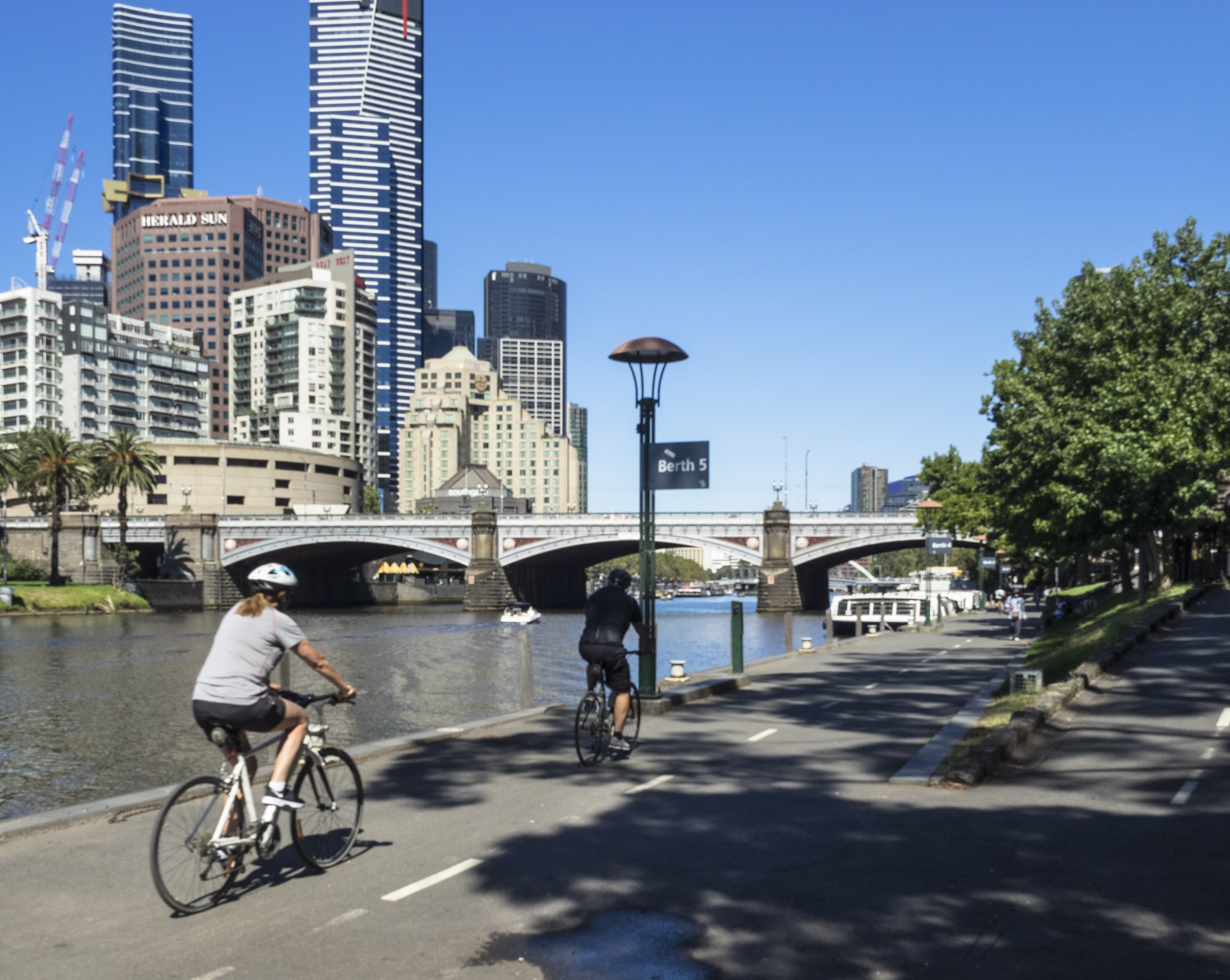
But their deeper value lies elsewhere – in terms of the meaningful social interactions, autonomy, community engagement and shared purpose that are derived from these initiatives.
These are precisely the ingredients of eudaimonic wellbeing. If this value is not counted, the case for investing in local places is systematically understated.
We propose a practical first step: to include eudaimonic wellbeing as a recognised value in appraisal guidelines for transport policy and planning.
Initially, this could be done as a sensitivity test to show decision-makers the difference it makes to include or exclude this benefit.

Over time, as the evidence base grows, it should become a standard part of the calculation.
Although our study has limits because it is based on data collected two decades ago, it shows that the current wellbeing approach is too narrow.
Our findings highlight that we need to value – both politically and economically – personal growth, social connections, community engagement and building meaning.
If we are serious about building cities that support human flourishing, as governments increasingly suggest, these findings will help us start counting what flourishing actually means.